

Maddy summaryHB 1732 limits large investment and business entities from purchasing additional single-family homes in Washington to increase housing affordability for residents. It prohibits entities owning more than 25 single-family homes (business entities) or any investment entity (like real estate trusts managing pooled investor funds) from buying more homes, with exemptions for nonprofits, necessary renovations, or short-term development projects. Violators face civil penalties up to $100,000 per violation and must sell the property to a third party within one year. The law aims to address Washington’s housing crisis, where investor ownership has risen significantly while home prices have surged 55% since 2018. It adds these provisions as a new chapter in Washington’s consumer protection law (Title 19 RCW).
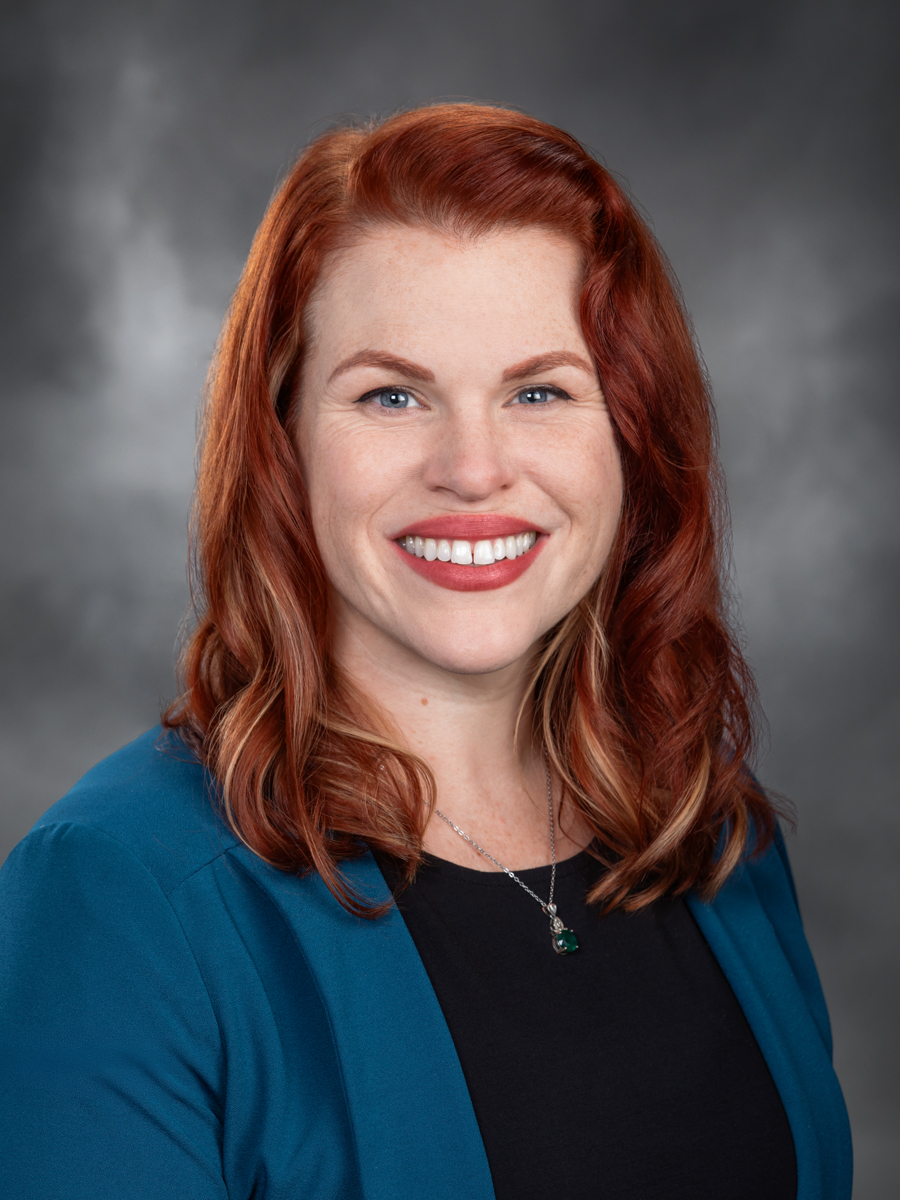
Rep. Mary Fosse
Sponsored bills
Maddy summaryHB 1767 adjusts how Washington state provides supplemental funding to school districts based on their enrichment levies. It calculates state assistance as a fraction of a district's actual levy rate (capped at $1.50 per $1,000 assessed value) for districts below that threshold, while districts meeting or exceeding it receive full maximum assistance. The bill also sets a per-pupil funding limit ($2,500 or $3,000, adjusted for inflation) based on district size for enrichment levies, and includes specific provisions for state-tribal education compact schools. This directly affects school districts collecting enrichment levies, particularly smaller districts and tribal schools, by changing how their local levy efforts translate to state funding.
Maddy summaryHouse Bill 1402 makes it an unfair practice for Washington state employers to include a driver's license requirement in job advertisements or applications unless the position's core functions genuinely necessitate operating a motor vehicle. This bill clarifies that transportation to and from the job site does not constitute a job function requiring a driver's license. Individuals harmed by a violation can pursue civil action to stop the practice and recover damages and attorney's fees.
Maddy summaryHouse Bill 1822 establishes a new requirement for certain driver's license applicants in Washington state. It mandates that individuals under the age of 26 applying for their first driver's license must successfully complete an online course focused on driver safety in work zones and around first responders. The Department of Licensing is tasked with contracting for and providing this online course at no cost for Washington residents between 15 and 25 years old. This safety course also becomes a necessary step for obtaining an intermediate driver's license.
Maddy summaryHB 1964 requires individuals requesting lists of people (like contact information) under Washington's public records law to sign a declaration stating the request is noncommercial and explaining its purpose. This applies specifically to requests for "lists of individuals," not general public records. The bill also clarifies that agencies cannot deny valid requests solely for being "overbroad" and allows them to block automated "bot" requests causing excessive interference. The law aims to prevent commercial misuse of public records while ensuring transparency for noncommercial requests.
Maddy summaryHB 1744 makes it a crime to steal, alter, or fraudulently use gift cards by explicitly defining them as "access devices" under Washington's theft and fraud laws. It expands criminal penalties for obtaining gift cards through deception, such as altering barcodes or stealing unused cards from retail locations. The bill directly affects individuals who commit gift card theft or fraud, including those who take unused cards from stores or manipulate them to access funds. Key provisions clarify that "obtaining control" of a gift card through deception - like falsely claiming ownership - constitutes a violation. This law strengthens existing theft statutes to specifically address gift card-related criminal activity.
Maddy summaryHB 1043 extends the state's commute trip reduction tax credit program for employers and property managers until 2035. This program allows eligible entities to claim a tax credit for providing financial incentives to employees who use alternative commuting methods like ride-sharing, public transportation, car-sharing, or non-motorized transport. The bill changes the credit calculation so that the full amount paid to or on behalf of an employee, up to $60 per employee annually, can be credited (previously 50%). It also reduces the maximum credit a single entity can claim per fiscal year from $100,000 to $50,000.
Maddy summaryHB 1291 aims to reduce upfront costs for individuals receiving maternity services through their health plans in Washington State. Starting January 1, 2026, most health plans will no longer require enrollees to meet their deductible before covering in-network delivery services, such as vaginal or C-section births. Any out-of-pocket costs paid for these services will still count towards the enrollee's total deductible. For health plans linked to Health Savings Accounts, deductibles for delivery services will be set at the minimum level required to maintain the HSA's tax-exempt status.
Maddy summaryHB 1661 establishes a pilot project to provide $25,000 grants to eligible Washington residents born into poverty. It directly affects individuals who were enrolled in Medicaid or CHIP before age one and remain enrolled at application, are Washington residents, and are 18-36 years old. The grants, administered through the State Treasurer's Office, can be used for education, home purchases, or starting a business in Washington, with funds not counting as assets for public assistance eligibility. The pilot will randomly select participants across geographic regions, require financial coaching, and include impact evaluations by the University of Washington. This is a limited-time study to test whether such grants improve economic stability for people facing intergenerational poverty.
Maddy summaryHouse Bill 1600 proposes to modify the additional fee that counties may impose on marriage licenses. Currently, counties can charge an additional fee of up to fifteen dollars to support family services. This bill would increase the maximum allowable additional fee to thirty dollars. The funds collected from this fee would continue to be used for family services, such as family support centers. This change directly affects individuals applying for marriage licenses in counties that choose to implement the increased fee.