

Maddy summaryHB 2212 requires new commercial and industrial washing machines sold in Washington to include microfiber filters that capture tiny plastic fibers (under 5mm) starting July 1, 2028, with existing machines needing filters by July 1, 2034. It mandates clear labeling on machines and regular filter maintenance to prevent microplastics - released in high numbers per laundry load - from entering waterways. The bill also allows for future residential machine requirements if other states adopt similar rules and costs stay below $70 per unit. Violations face civil penalties up to $10,000 per offense, enforced by the Department of Ecology. This targets a major pollution source linked to health and marine ecosystem risks.
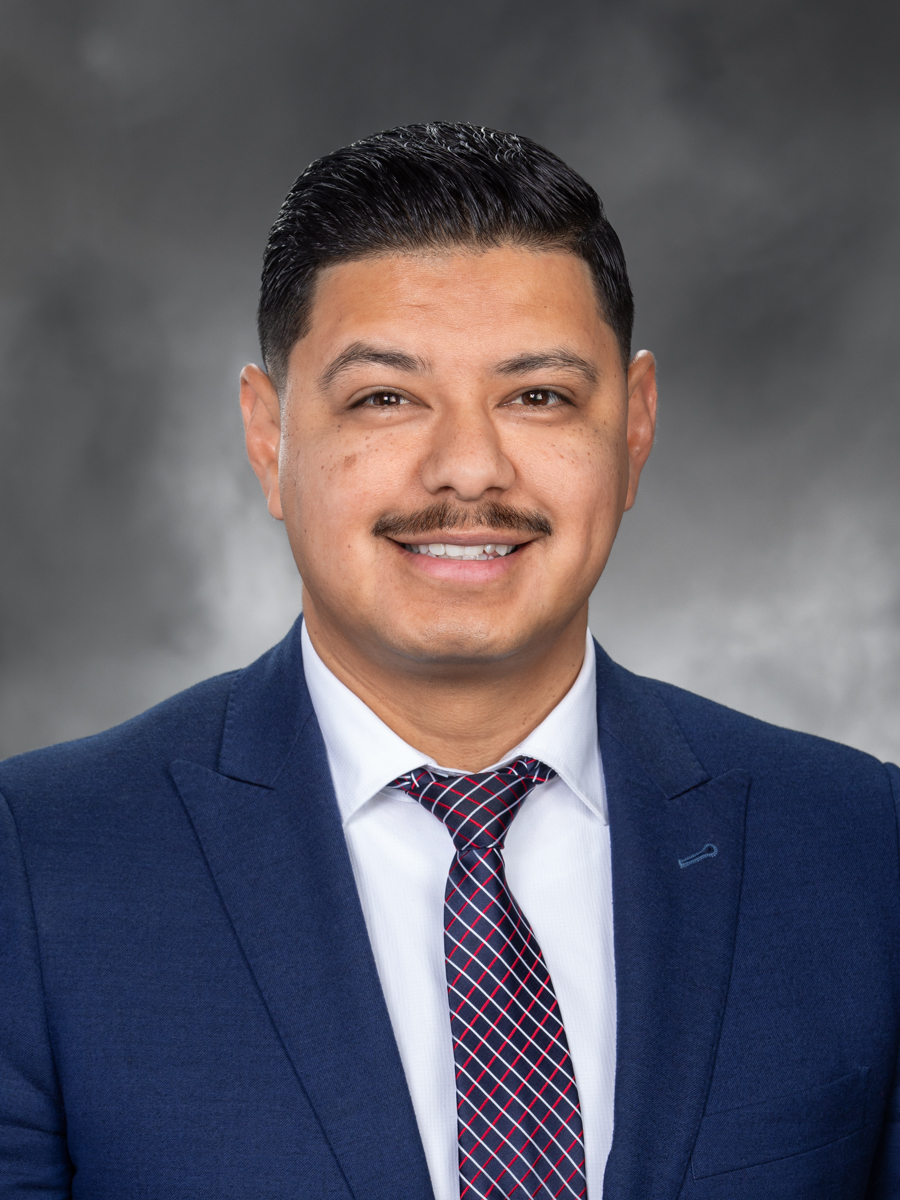
Rep. Julio Cortes
Sponsored bills
Maddy summaryHB 2536 allows Washington wineries to operate restaurants that serve spirits, beer, and wine on their own premises or on adjacent property they own or lease. This bill amends state licensing rules to let domestic wineries hold "spirits, beer, and wine restaurant" licenses at their primary manufacturing sites or authorized additional locations. Previously, wineries could only sell wine at their facilities, but this change permits them to serve all three beverage types in a full-service restaurant setting. The policy directly affects Washington wineries, particularly those with multiple locations seeking to expand on-site dining options.
Maddy summaryHB 2579 establishes two new state-funded programs to expand public media access and digital equity in Washington. It creates a public media broadcaster program prioritizing community-based, noncommercial radio/TV stations that provide public safety information and arts access, with 85% of funds going to larger organizations ($1M+ budget) and 15% to smaller rural or hyper-local broadcasters. The digital equity program funds resource coordinators and multimedia trainers at community anchor institutions (like libraries and schools) to improve internet access, online safety training, and multilingual resources for underserved communities. Both programs require annual reporting and mandate that all funding be spent within Washington.
Maddy summaryHB 2709 adds "Diwali and Bandi Chhor Divas" to Washington State's list of recognized observances, specifically naming the new moon day of the Hindu lunisolar month of Kartik (which shifts annually) as a day to be acknowledged. The bill does not create a paid holiday or alter existing leave policies; it simply adds this date to Section 7(w) of RCW 1.16.050, which lists non-holiday observances like Juneteenth or Korean American Day. This recognition applies to state employees and institutions but does not provide paid time off or change the calendar of legal holidays. The bill focuses solely on ceremonial acknowledgment, consistent with other non-holiday observances already listed in the statute.
Maddy summaryHB 2578 adds four tribal representatives to Washington's Fish and Wildlife Commission, increasing its total membership from nine to 13. Specifically, it requires the governor to appoint two tribal chairs (one from tribes east of the Cascades, one from tribes west of the Cascades) and two tribal council members as alternates for each region, all serving four-year terms. These tribal members must be elected tribal leaders whose traditional lands are in Washington and will represent all federally recognized tribes in the state. The bill amends commission composition rules in RCW 77.04.030 to formalize this tribal representation, ensuring tribal perspectives are included in fish and wildlife management decisions.
Maddy summaryHB 2455 creates a two-year housing assistance pilot program for up to 50 youth in Washington's extended foster care system who are homeless or at imminent risk of homelessness. The program provides rental assistance covering up to 24 months (until age 21), with participants paying no more than 30% of their income toward rent, based on local fair market rent. It requires the Department of Children, Youth, and Families to conduct transition planning for youth turning 21 and mandates a 2029 report detailing program outcomes, participant demographics, and costs by county. The bill directly affects youth aged 18-21 in extended foster care who face housing instability while navigating federal housing programs.
Maddy summaryHouse Resolution 4675, adopted on January 28, 2026, is a ceremonial resolution expressing the Washington State House of Representatives' gratitude to the Washington National Guard for their service. It specifically acknowledges the Guard's roles in emergency response (including flood operations and search-and-rescue missions), disaster recovery efforts (like adapting from the Oso landslide), and national defense support (such as aerial refueling capabilities). The resolution directs copies to the Adjutant General, Governor, and other officials but does not create new laws or alter policies. It directly honors National Guard members, their families, and employers without imposing any financial or operational requirements.
Maddy summaryThis bill would change Washington state law to reduce the standard workweek from 40 to 32 hours for most private-sector employees. It amends overtime rules to require 1.5x pay for hours worked beyond 32 per week, replacing the current 40-hour threshold. Specific exemptions apply to certain industries, including agriculture, transportation (like truck drivers), seamen, and public safety roles, as detailed in the bill text. The change directly affects most non-exempt workers in Washington’s private sector, excluding those covered under the listed exemptions.
Maddy summaryHB 2313 authorizes Washington cities to establish publicly owned grocery stores in underserved areas with food access gaps. Cities can acquire property (including via eminent domain), apply for state capital grants covering building rehabilitation and 24-hour "food locker systems," and use tax increment financing to fund store development and infrastructure. The bill requires annual reporting on financial status, community access, jobs created, and for third-party operated stores, sales data and compliance with contractual benchmarks like local produce sourcing. This directly affects cities seeking to address food insecurity through municipal grocery initiatives.
Maddy summaryHB 2098 imposes a surcharge on select large tech companies with global revenue over $25 billion, increasing the rate from 1.22% (2020-2025) to 7.5% (starting 2026) on their taxable gross income. The surcharge applies to businesses engaged in "advanced computing" (including cloud services, software, and platforms), excluding hospitals, health clinics, and certain telecom or financial firms. Revenues from the surcharge fund workforce education programs, with automatic enrollment increases in computer science and engineering degrees at state universities when demand exceeds capacity by 100+ students. The bill also requires quarterly reporting and includes penalties for evasion, while exempting specific healthcare providers from the tax.