

Maddy summaryHB 1082 allows licensed child care providers in Washington to use documented work experience instead of formal early childhood education certificates to meet licensing requirements until August 1, 2028. To qualify, providers must show continuous employment since August 1, 2021 (or seven cumulative years), active work requiring such certificates, and completion of required health/safety training. The bill also requires the Department of Children, Youth, and Families to form a stakeholder group - including providers, training organizations, and community advocates - to review and improve staff qualification systems, with a report due by December 2026. This law expires July 1, 2028, and does not apply to providers serving the Early Childhood Education and Assistance Program (ECEAP).
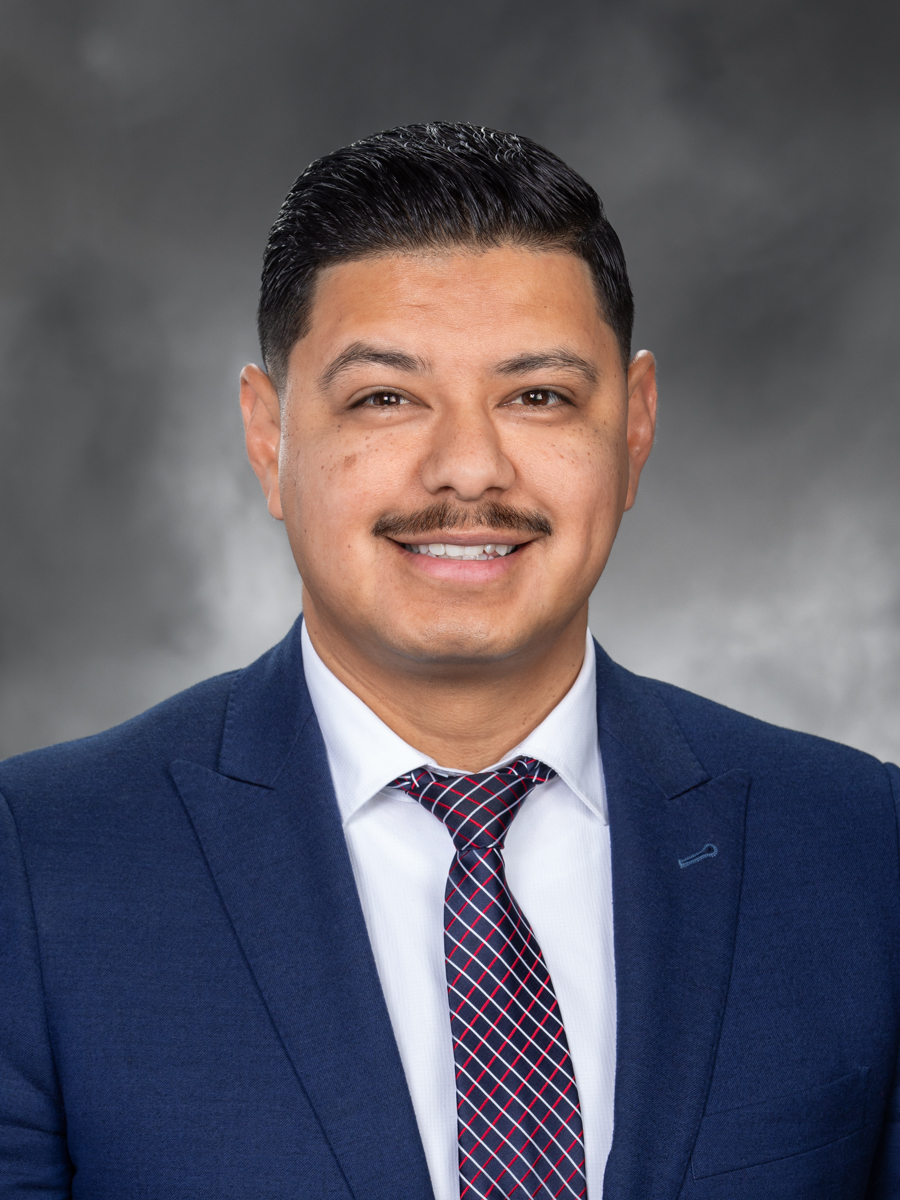
Rep. Julio Cortes
Sponsored bills
Maddy summaryHB 1404 expands access to free school meals in Washington state by removing income-based eligibility requirements. It mandates that all public school students who request a meal receive it at no cost, regardless of family income, to address food insecurity and support academic success. The bill amends several education funding statutes (including RCW 28A.235.135 and 28A.235.160) to align meal access with this new policy. It directly affects every public school student in Washington, ensuring no child experiences hunger during the school day. The policy change replaces previous tiered eligibility systems with universal free meals for all requesting students.
Maddy summaryHB 1263 updates Washington's Essential Needs and Housing Support Program to expand eligible uses for assistance. It allows cash assistance for recipients (previously prohibited) and clarifies eligibility for low-income elderly or disabled adults transitioning off certain benefits who have immediate housing needs. The bill requires housing support entities to prioritize homeless individuals first and those at "substantial risk" of losing housing second, while mandating data reporting to homeless management systems and limiting administrative costs to 5% of program funds. This directly affects vulnerable residents facing housing instability, including homeless individuals and those at risk of losing housing due to financial hardship.
Maddy summaryHB 1816 allows cities and counties with over 200,000 residents to create civilian crisis response teams that handle specific 911 calls instead of police. These teams can serve as the primary response for calls involving mental health crises, safety checks, or resource requests (like shelter or food), but only when no active violence or weapons are reported. The bill requires teams to undergo training in de-escalation and scene safety, and mandates consultation with health authorities to set qualifications and operating protocols. It designates these teams as a "third 911 responder" alongside police and fire, operating outside traditional law enforcement and fire response systems.
Maddy summaryHB 1445 would create a state-run Washington Health Trust to provide universal, comprehensive health coverage to all Washington residents, eliminating premiums, deductibles, and copayments. The trust would cover essential health benefits including primary care, dental, vision, prescription drugs, mental health services, and maternity care for everyone, regardless of income, race, or immigration status. It prohibits discrimination by providers and requires all qualified health care facilities to participate, with the trust paying providers directly for covered services. The bill aims to replace fragmented private and public insurance systems with a single unified financing structure to simplify administration and reduce costs.
Maddy summaryHB 1864 requires health plans issued or renewed on or after January 1, 2026, to cover ground ambulance transport to non-emergency facilities like urgent care clinics, mental health centers, or substance use disorder programs. It amends existing laws to mandate this coverage for behavioral health emergencies (effective January 1, 2025) and establishes reimbursement rules for medical assistance programs. The bill directly affects health insurers, ambulance services, and patients seeking non-emergency care. It creates a policy change ensuring coverage for transport to these facilities without requiring prior authorization for emergency situations.
Maddy summaryHB 1059 strengthens oversight of self-insured employers and their third-party administrators in Washington State by requiring them to act in good faith when handling workers' compensation claims. It creates a new rule that allows the state director to withdraw a self-insurer's certification after three proven violations of good faith within three years (e.g., coercing workers to accept less compensation or hiding injury reports). Employers found violating this duty must pay penalties ranging from 1 to 52 times the worker’s average weekly wage, with investigations triggered by written complaints. The law applies to all workers’ compensation claims regardless of injury date and takes effect January 1, 2026.
Maddy summaryHB 1350 updates Washington's child care subsidy reimbursement rates to better match the actual cost of high-quality care. It requires the state to use a new "cost of quality" rate model that covers full provider costs - including living wages, benefits, staff training, and materials - instead of relying solely on the current 85th percentile market rate. This directly affects licensed child care providers serving families in the Working Connections Child Care program and aims to stabilize the child care workforce. The bill maintains the existing baseline reimbursement rate but mandates future rate recommendations must reflect these updated cost calculations.
Maddy summaryHB 1058 creates tax credits for eligible railroads to fund infrastructure improvements. It directly affects small regional railroads (class II/III), public entities like ports/cities, and industrial property owners with rail spurs in Washington. The bill provides a 50% tax credit on qualified expenses for maintenance, new rail development, or modernization projects (e.g., track upgrades, bridges, safety equipment), with annual limits of $500,000 per taxpayer and a total $8 million statewide cap. Credits can be carried forward for up to five years or transferred to other eligible taxpayers.
Maddy summaryHB 1463 expands exemptions allowing families to continue receiving Washington's Temporary Assistance for Needy Families (TANF) cash aid beyond the standard 60-month time limit. It directly affects low-income households nearing or exceeding this limit due to specific hardships. Key provisions add new exemption criteria, including homelessness (per federal McKinney-Vento Act), periods when Washington's unemployment rate was 7% or higher (starting March 2020), family violence, and having a child under age two requiring infant/toddler care. The bill requires recipients to have already received 52 months of aid before qualifying for these extensions, ensuring exemptions apply only to those with significant, documented hardship.