

Maddy summaryHouse Bill 1622 allows public sector employees in Washington state to collectively bargain with their employers over the use of artificial intelligence (AI) in the workplace. The bill amends existing state law to remove the "use of technology" from a list of management rights that are typically not subject to negotiation for employees in higher education and other state agencies. It defines artificial intelligence as machine learning and related technologies that enable computer systems to perform tasks like computer vision or natural language processing. This change empowers unions and public employers to negotiate agreements on the implementation and utilization of AI technologies.
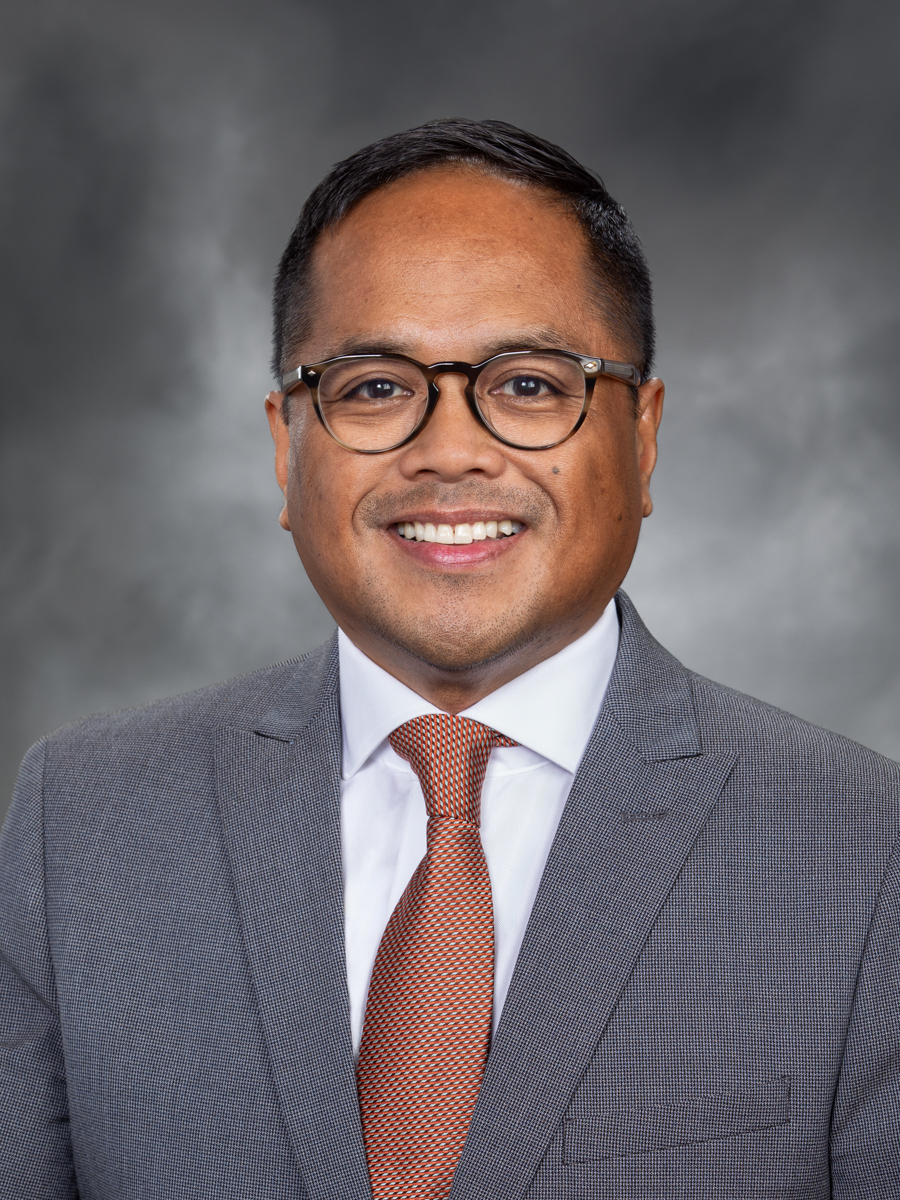
Rep. Edwin Obras
Sponsored bills
Maddy summaryThis bill modifies Washington State's rules for when incarcerated individuals can leave prison for medical reasons. It allows the Department of Corrections to authorize extraordinary medical placement for inmates who have permanent or degenerative conditions, are expected to die within six months, or have serious medical needs that cannot be met in prison, provided they are assessed as low risk and the move would save state money. The bill excludes death row inmates, those sentenced to life without parole, and persistent offenders from this program. It also requires electronic monitoring for those granted medical placement unless it would harm their health or interfere with medical equipment.
Maddy summaryThis bill establishes a temporary pilot program allowing Washington state agencies to advance up to 25% of a grant (capped at $200,000) to eligible public benefit nonprofits. It directly affects nonprofits that received state grants for public health, safety, welfare, or state benefit programs within six months, have a budget under $5 million, and have operated for at least three years with satisfactory past performance. The advance funds must be repaid from future grant payments, require a binding contract, and are limited to one-time use. The program expires June 30, 2029, and requires a 2028 report evaluating its effectiveness and recommending future action.
Maddy summaryHB 2435 creates a new legislative office on Indian affairs to provide educational resources and support to Washington State legislators and professional legislative staff regarding tribal affairs and the state's government-to-government relationship with tribes. The office will offer mandatory annual training for staff on tribal sovereignty, cultural awareness, policy best practices, and terminology, plus assistance in locating resources on tribal issues. It aims to complement the governor's office of Indian affairs - without replacing it or acting as a direct liaison to tribal leaders - by coordinating with legislative committees to incorporate tribal policy guidance into bill drafting. The office will operate under existing legislative funding and administrative structures, with defined roles for its director and staff.
Maddy summaryHB 2372 updates Washington state's workers' compensation benefits for permanently disabled workers with injuries occurring on or after July 1, 2026. It establishes new monthly benefit percentages based on marital status and number of dependent children, ranging from 60% of wages for unmarried workers with no children up to 75% for those with six or more children. The bill also sets minimum benefit protections (including $10 per child up to five or six children) and caps benefits at 105-120% of the state's average wage. These changes apply only to claims filed after the effective date, while pre-2026 claims remain governed by existing rules.
Maddy summaryHB 2579 establishes two new state-funded programs to expand public media access and digital equity in Washington. It creates a public media broadcaster program prioritizing community-based, noncommercial radio/TV stations that provide public safety information and arts access, with 85% of funds going to larger organizations ($1M+ budget) and 15% to smaller rural or hyper-local broadcasters. The digital equity program funds resource coordinators and multimedia trainers at community anchor institutions (like libraries and schools) to improve internet access, online safety training, and multilingual resources for underserved communities. Both programs require annual reporting and mandate that all funding be spent within Washington.
Maddy summaryHB 2709 adds "Diwali and Bandi Chhor Divas" to Washington State's list of recognized observances, specifically naming the new moon day of the Hindu lunisolar month of Kartik (which shifts annually) as a day to be acknowledged. The bill does not create a paid holiday or alter existing leave policies; it simply adds this date to Section 7(w) of RCW 1.16.050, which lists non-holiday observances like Juneteenth or Korean American Day. This recognition applies to state employees and institutions but does not provide paid time off or change the calendar of legal holidays. The bill focuses solely on ceremonial acknowledgment, consistent with other non-holiday observances already listed in the statute.
Maddy summaryHB 2217 creates a rehabilitative pathway for individuals in Washington state charged with certain non-violent, non-sex felony offenses who have no prior felony convictions. Eligible defendants may request a court to defer conviction and sentencing for up to one year, during which they must comply with conditions like community service or treatment. If they successfully complete the deferral period, the charges are dismissed; if not, they face sentencing for the original offense. The bill excludes violent offenses, most drug crimes, and certain DUI charges from eligibility.
Maddy summaryHB 2578 adds four tribal representatives to Washington's Fish and Wildlife Commission, increasing its total membership from nine to 13. Specifically, it requires the governor to appoint two tribal chairs (one from tribes east of the Cascades, one from tribes west of the Cascades) and two tribal council members as alternates for each region, all serving four-year terms. These tribal members must be elected tribal leaders whose traditional lands are in Washington and will represent all federally recognized tribes in the state. The bill amends commission composition rules in RCW 77.04.030 to formalize this tribal representation, ensuring tribal perspectives are included in fish and wildlife management decisions.
Maddy summaryHB 2455 creates a two-year housing assistance pilot program for up to 50 youth in Washington's extended foster care system who are homeless or at imminent risk of homelessness. The program provides rental assistance covering up to 24 months (until age 21), with participants paying no more than 30% of their income toward rent, based on local fair market rent. It requires the Department of Children, Youth, and Families to conduct transition planning for youth turning 21 and mandates a 2029 report detailing program outcomes, participant demographics, and costs by county. The bill directly affects youth aged 18-21 in extended foster care who face housing instability while navigating federal housing programs.