

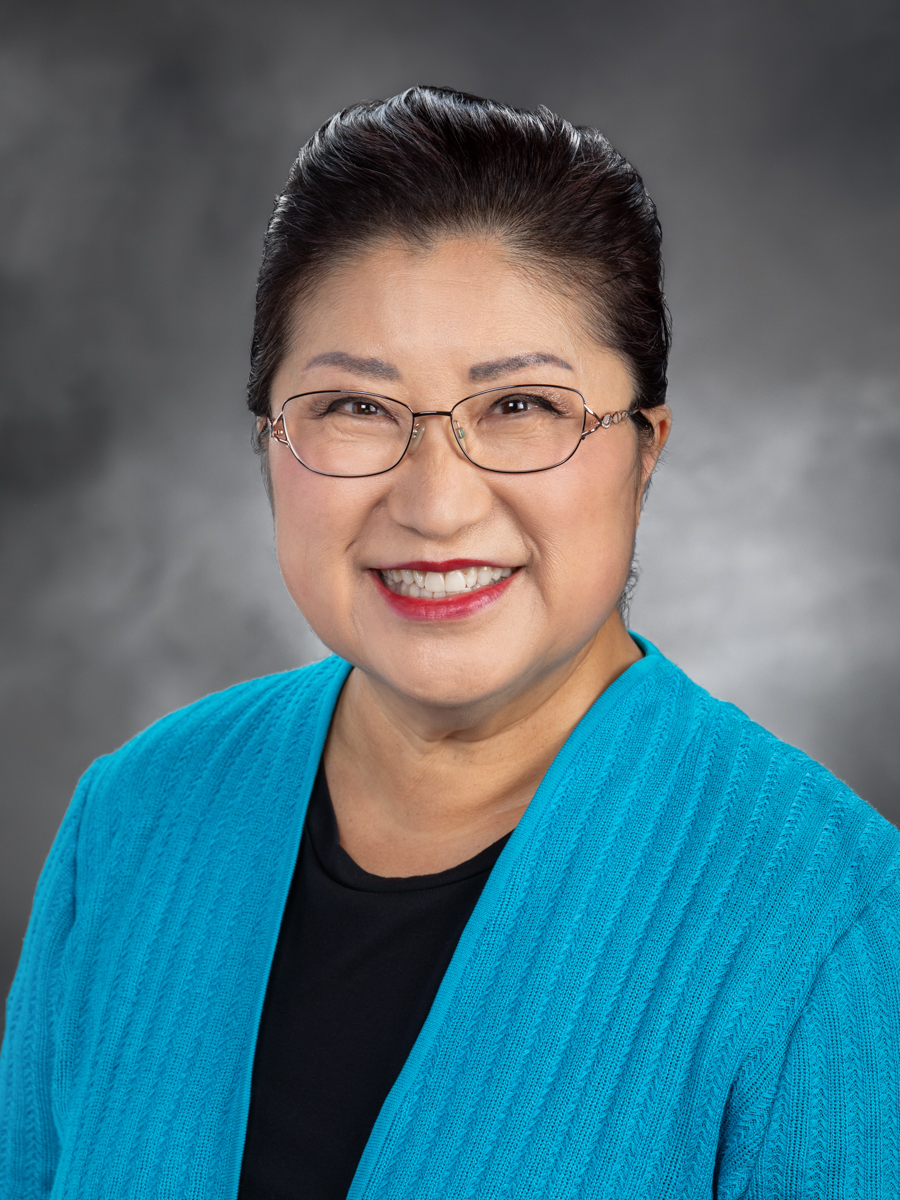
Photo of Cindy Ryu
D Washington House · District 32

Rep. Cindy Ryu

Compare
Total votes
6,316
all sessions
Attendance
99%
41 missed
Near the chamber average
With party
98%
of cast votes
Near the chamber average
Bipartisan score
1%
crosses aisle rarely
Near the chamber average
Sponsored
1,534
bills & resolutions
Higher than 90% of chamber peers
Committees
3
assignments
1,534 bills and resolutions

Sponsored bills

Total
1,534
Primary
115
Co-sponsor
1,419
This page
1,534
matching current filters
Co-sponsor HB 1816
In committee · Washington House · Co-sponsor
Concerning civilian-staffed crisis response teams.

Maddy summaryHB 1816 allows cities and counties with over 200,000 residents to create civilian crisis response teams that handle specific 911 calls instead of police. These teams can serve as the primary response for calls involving mental health crises, safety checks, or resource requests (like shelter or food), but only when no active violence or weapons are reported. The bill requires teams to undergo training in de-escalation and scene safety, and mandates consultation with health authorities to set qualifications and operating protocols. It designates these teams as a "third 911 responder" alongside police and fire, operating outside traditional law enforcement and fire response systems.

In committee Jan 12, 2026 1 co-sponsor
Co-sponsor HB 1356
In committee · Washington House · Co-sponsor
Concerning K-12 funding.

Maddy summaryHB 1356 adjusts Washington state's K-12 school funding by updating local enrichment levy limits and creating a state matching program. It sets new per-pupil funding caps ($2,500 for districts under 40,000 students, $3,000 for larger districts) through 2030, adjusted annually for inflation plus a temporary 3.33% annual increase (2027-2030), then raises the cap to $5,035 starting in 2031. The bill requires school districts to get approval for how they spend local levy funds before voting on them and links state funding to local effort - matching districts that raise less than $1.50 per $1,000 in property value. This directly affects all public school districts and state-tribal education compact schools by changing how local taxes and state funds combine to support school programs.

In committee Jan 12, 2026 1 co-sponsor
Co-sponsor HB 1059
In committee · Washington House · Co-sponsor
Concerning the duties of industrial insurance self-insured employers and third-party administrators.

Maddy summaryHB 1059 strengthens oversight of self-insured employers and their third-party administrators in Washington State by requiring them to act in good faith when handling workers' compensation claims. It creates a new rule that allows the state director to withdraw a self-insurer's certification after three proven violations of good faith within three years (e.g., coercing workers to accept less compensation or hiding injury reports). Employers found violating this duty must pay penalties ranging from 1 to 52 times the worker’s average weekly wage, with investigations triggered by written complaints. The law applies to all workers’ compensation claims regardless of injury date and takes effect January 1, 2026.

In committee Jan 12, 2026 1 co-sponsor
Co-sponsor HB 1557
In committee · Washington House · Co-sponsor
Establishing the Washington guaranteed admissions program and requiring student notifications.

Maddy summaryHB 1557 establishes Washington's Guaranteed Admissions Program, which guarantees admission to public four-year colleges for eligible high school seniors meeting specific criteria. It requires participating colleges (including tribal institutions and state universities) to simplify application processes starting in 2026-27, and mandates high schools to share student data with colleges to identify qualified applicants. The bill also requires all high schools to provide annual notifications to students in grades 9-12 about this program, the Washington College Grant, dual credit options, and other college pathways. Institutions may opt out of the program by reporting their reasons to the legislature, but must still pursue alternative access initiatives.

In committee Jan 12, 2026 1 co-sponsor
Co-sponsor HJR 4201
In committee · Washington House · Co-sponsor
Amending the Constitution to allow a majority of voters voting to authorize school district bonds.

Maddy summaryThis bill (HJR 4201) proposes amending Washington State's constitution to lower the voter approval threshold for school district bonds. Currently, school districts need a three-fifths (60%) majority of voters to approve bonds under Article VIII, section 6. The amendment would change this to require only a simple majority (over 50%) of voters voting on the bond measure. This change would directly affect all Washington school districts seeking voter approval for bond-funded projects like facility construction or modernization. The proposal is a constitutional amendment, not a law, and requires voter ratification at the next general election.

In committee Jan 12, 2026 1 co-sponsor
Co-sponsor HB 1313
In committee · Washington House · Co-sponsor
Addressing mass layoffs, relocations, and terminations.

Maddy summaryHB 1313 requires businesses with 100 or more employees in Washington to provide 60 days' written notice before mass layoffs (50+ employees in 30 days), relocations (100+ miles), or terminations. The notice must include specific details like the reasons for the action, alternatives considered (e.g., reduced hours or transfers), and supporting data on operations or market conditions. Employers must notify affected workers, the state employment department, local governments, workforce councils, and unions. Exceptions exist for businesses seeking capital (with strict documentation) or facing natural disasters, but the law aims to increase transparency and give workers more time to prepare for job loss.

In committee Jan 12, 2026 1 co-sponsor
Co-sponsor HB 1062
In committee · Washington House · Co-sponsor
Providing coverage for biomarker testing.

Maddy summaryHB 1062 requires all health plans in Washington (including commercial plans, public employee coverage, and state Medicaid) to cover biomarker testing starting January 1, 2026. This applies to tests that measure biological markers in tissue or blood (like gene mutations) when used for diagnosis, treatment, or monitoring of a patient’s condition, provided the test is supported by FDA approvals, Medicare guidelines, clinical practice standards, or expert consensus. Plans must ensure coverage without causing unnecessary disruptions, such as requiring multiple biopsies. The bill mandates this coverage uniformly across all plan types under specific evidence-based criteria.

In committee Jan 12, 2026 1 co-sponsor
Primary HB 1005
In committee · Washington House · Lead sponsor
Concerning prearrangement funeral services.

Maddy summaryHB 1005 requires funeral homes in Washington to hold 80% of money paid in advance for prearranged funeral services in separate, insured trust accounts, not as business funds. This protects consumers' payments if a funeral home closes or faces financial issues. Funeral homes may keep up to 20% of the prepayment for their operations but must deposit the rest into the trust within 20 days of receipt. The bill directly affects funeral homes that sell prepaid plans and the people who purchase them, ensuring their funds are safeguarded for future services.

In committee Jan 12, 2026 0 co-sponsors
Co-sponsor HB 1398
In committee · Washington House · Co-sponsor
Concerning factors which are considered in interest arbitration for adult family home providers.

Maddy summaryHB 1398 amends state law to update rules for interest arbitration panels deciding wages and working conditions for employees at adult family home providers (facilities caring for elderly or disabled individuals). The bill requires panels to consider West Coast wage comparisons for similar workers, regional cost-of-living differences, and the state's financial ability to pay. It also mandates panels to weigh factors like reducing reliance on public assistance programs (e.g., food stamps, housing aid) and promoting workforce stability in long-term care. These changes directly affect arbitration outcomes for caregivers in adult family homes across Washington. The bill does not create new funding but guides how existing resources are allocated during wage negotiations.

In committee Jan 12, 2026 1 co-sponsor
Co-sponsor HB 2068
In committee · Washington House · Co-sponsor
Regulating tobacco and nicotine products.

Maddy summaryHB 2068 prohibits the sale of all flavored tobacco and nicotine products (including menthol cigarettes, flavored vapes, cigars, and hookah) and entertainment vapor products with gaming features. It increases taxes on all tobacco products to reduce youth access and addiction, directly affecting retailers who must stop selling these items and youth who use them. The bill targets products marketed with kid-friendly flavors like cotton candy or bubble gum, which the legislature cites as driving youth initiation. Key provisions include banning flavored products, raising tobacco excise taxes, and requiring retailers to verify ages for all tobacco sales.

In committee Jan 12, 2026 1 co-sponsor
Showing 221 to 230 of 1,534 bills
Previous 1 22 23 24 154 Next