

Maddy summaryHB 2474 creates a tuition recovery trust fund to protect students if private colleges licensed under Washington state law close or violate consumer protection rules. It requires schools to make cash deposits into this fund to cover refunds, record transfers, or teach-out options for affected students. Schools must offer students a comparable program at another institution or a teach-out plan if they discontinue operations, and they must refund tuition if they fail to comply. The bill also voids student debt for programs discontinued in violation of these requirements, directly benefiting students enrolled in closing programs.
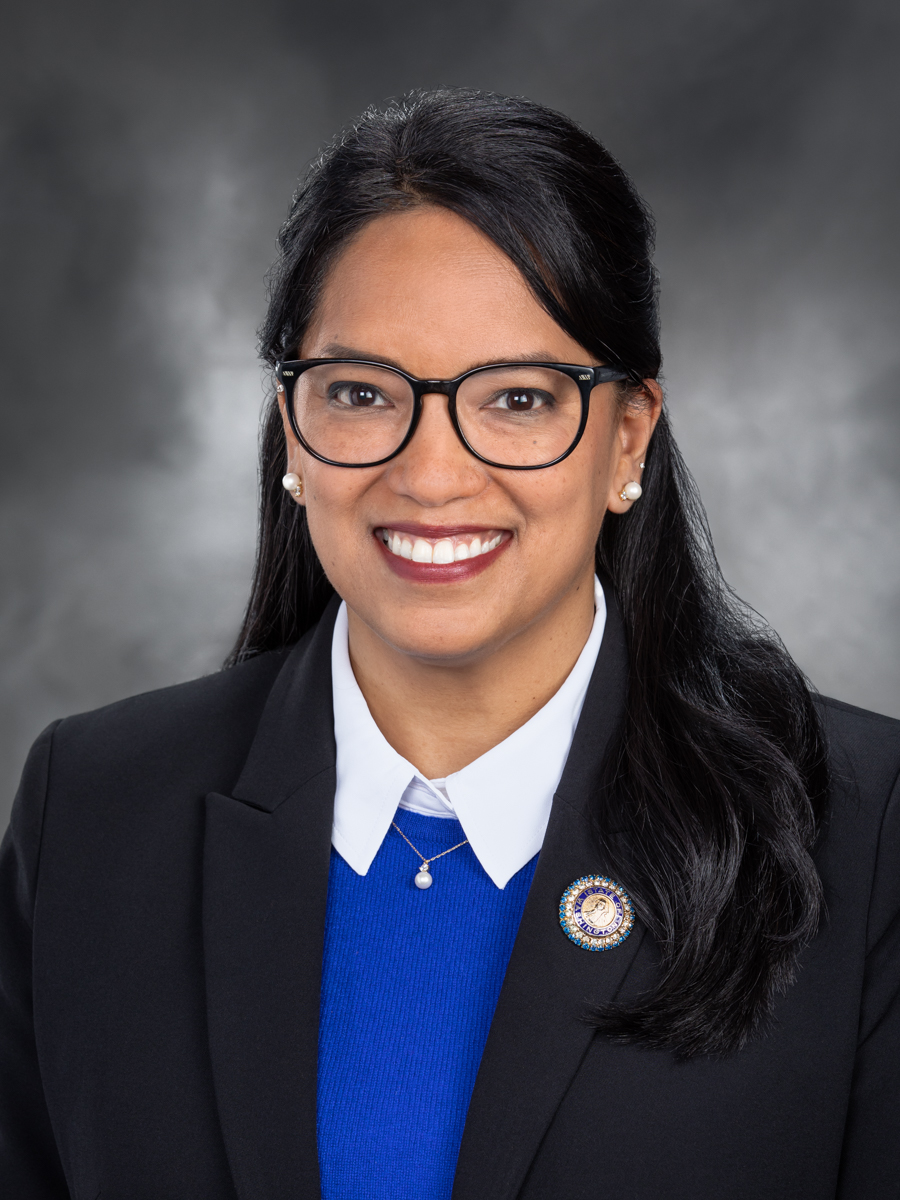
Rep. Kristine Reeves
Sponsored bills
Maddy summaryHB 2514 establishes a memorial on the Washington state capitol campus to honor service members from Washington who died in Operation Iraqi Freedom, Operation Enduring Freedom, and Operation New Dawn (collectively termed the "global war on terror"). The bill creates a work group with legislative, veteran, and state agency representatives to plan the memorial’s design, location, funding, and construction. It requires the work group to submit recommendations to the capitol committee by July 2027, including names to honor, potential sites, and budget details. The memorial must also include a reflective component acknowledging veterans who died by suicide after service. This is a commemorative measure with no immediate policy or funding changes.
Maddy summaryHB 2517 streamlines permitting for high-capacity transit projects like rail systems by giving regional transit authorities new tools. It allows transit agencies to apply for land use and construction permits before owning property (with owner notice), and to build rail facilities that exceed local height/setback rules when necessary. The bill also requires written property owner permission before issuing permits for transit projects on private land. These changes apply specifically to transit authorities under Chapter 81.112 RCW and aim to accelerate major transit infrastructure development.
Maddy summaryHB 2470 changes how Washington state funds school construction projects for schools physically located on military bases. It requires excluding these on-base facilities from a school district's total available instructional space when calculating state funding assistance. Instead of using the standard formula, state aid equals the total approved project cost minus any federal funds already received for the construction. This directly affects school districts with schools on military installations, ensuring their funding needs are calculated separately from other district facilities.
Maddy summaryHB 2397 requires the Washington State Patrol to create procedures ensuring state agencies and local jurisdictions (like counties or cities) that are mobilized under the state fire services plan for wildfire response receive reimbursement within 60 days. This replaces the vague "as timely as possible" standard with a specific deadline, using documentation requirements from the fire services plan. The bill mandates collaboration with the Office of Financial Management and the Washington Military Department to establish these reimbursement processes. It directly affects fire service agencies and local governments that deploy resources during wildfire incidents.
Maddy summaryHB 2139 increases Washington State's snowmobile registration fees from $50 to $75 for both initial registration and renewal, effective September 30, 2025. It also raises vintage snowmobile fees from $12 to $18 annually. The bill directly affects all snowmobile owners required to register their vehicles in Washington. This change modifies existing fee schedules under RCW 46.17.350 without adding new requirements or programs.
Maddy summaryHB 2145 prohibits drug manufacturers from restricting how 340B-covered safety net providers (like community health centers, HIV clinics, and tribal health centers) access discounted medications. It specifically bans manufacturers from denying or limiting delivery of 340B drugs to these providers or their contracted pharmacies, and prevents them from requiring data sharing as a condition for drug access. The law allows covered entities to sue violators for up to $5,000 per day per violation and requires penalties for noncompliance. This directly protects low-income patients who rely on affordable medications through Washington's safety net providers.
Maddy summaryHB 2481 bans grocery stores from using computer systems to charge different prices based on personal data like shopping habits, location, or inferred characteristics (e.g., income or race). It also requires a four-year temporary pause on all electronic shelf label systems that could collect consumer data from devices to adjust prices. The law directly affects grocery retailers using dynamic pricing technology, exempting small businesses. It aims to ensure prices remain fair and transparent, preventing personalized pricing without clear disclosure. The bill defines key terms like "inferred data" and "electronic shelf label systems" to clarify these prohibitions.
Maddy summaryHB 2499 modernizes election procedures for conservation district supervisors in Washington by extending their terms from three to four years and requiring financial disclosures from both current supervisors and candidates. The bill amends state laws to adjust election timing, term assignments (such as awarding the top vote-getter a four-year term in initial elections), and voting rules, while mandating transparency through financial disclosures. This directly affects conservation districts and their supervisors, updating outdated election processes to increase accountability in local governance.
Maddy summaryHB 2144 requires Washington employers to provide written notice to employees before using electronic monitoring (such as AI tools, cameras, or software) to assist in performance evaluations. Employers must give at least 30 days' notice before starting new monitoring, 60 days for existing monitoring, and notify new hires at the time of the job offer. The notice must explain how monitoring is used (e.g., tracking productivity) and how data is verified. Violations can result in Department of Labor investigations and civil penalties up to $5,000 for willful violations, with enforcement applying to all employers in Washington state.