

Maddy summaryHB 2304 expands the types of condominium buildings eligible for an express warranty of quality and insurance coverage, directly affecting developers of small residential projects. The bill allows developers to opt out of standard implied quality guarantees (like structural defects) if they provide an express warranty covering defects for specific periods: 1 year for workmanship, 2 years for systems (plumbing/electrical), and 10 years for structural elements. This applies to new or converted buildings with 12 or fewer units, including accessory dwelling units and structures under four stories (with specific configurations like parking or commercial space). Purchasers and future owners gain recourse through this warranty, while developers avoid implied warranty liabilities when meeting the coverage requirements. The change aims to streamline development for smaller condo projects without altering core buyer protections.
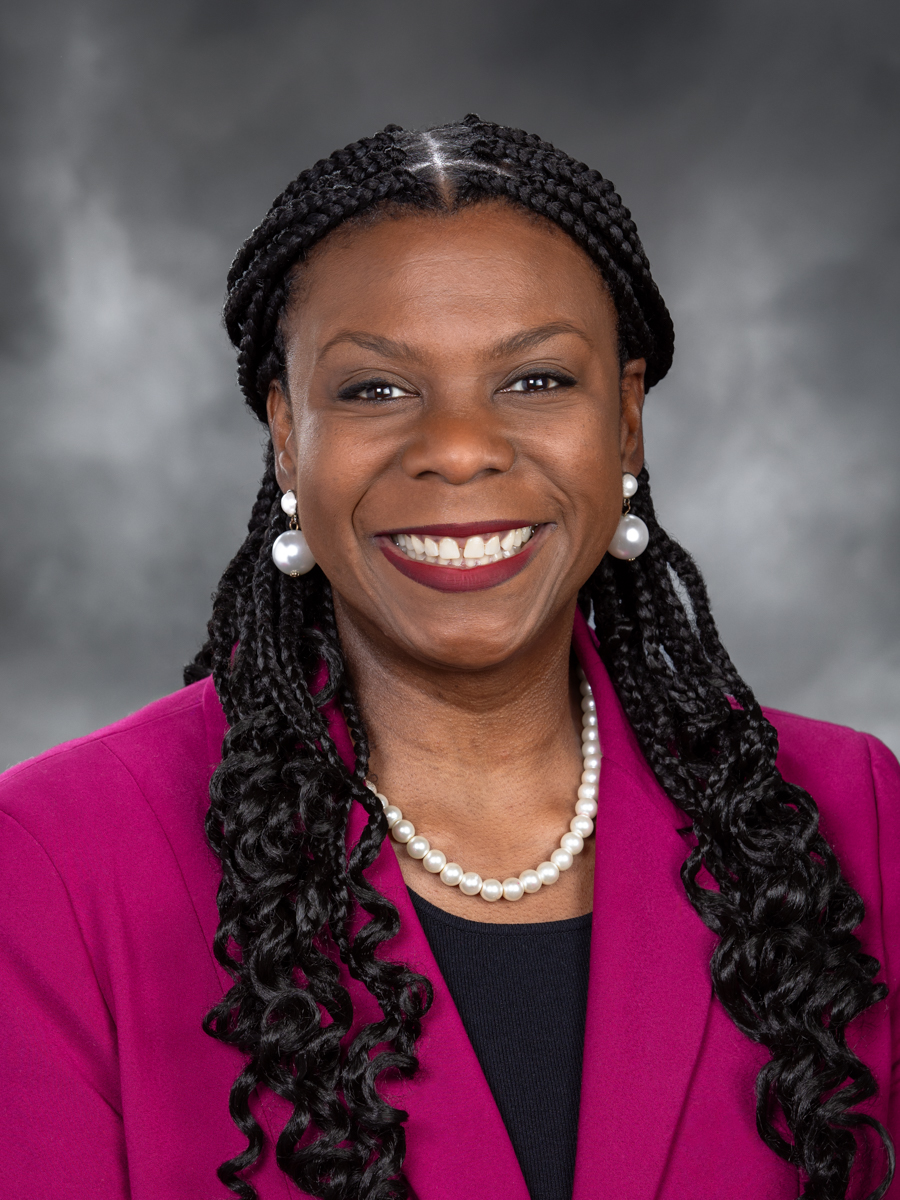
Rep. Jamila Taylor
Sponsored bills
Maddy summaryThis bill formally recognizes September 30, 2026, as Every Child Matters Day in the Washington State House of Representatives to honor victims and survivors of Indian boarding schools. It acknowledges the historical removal of Indigenous children from their families and communities, which aimed to assimilate them and resulted in cultural destruction and unmarked graves. The resolution also commends efforts to identify and preserve resources documenting the existence of these schools and the experiences of the children who attended them.
Maddy summaryThis bill is a commemorative resolution that celebrates the 50th anniversary of the Individuals with Disabilities Education Act, a federal law ensuring students with disabilities receive appropriate public education. It does not create new laws or change existing policies but serves to honor the law's impact and encourage public recognition of its contributions. The resolution acknowledges the role of families, educators, and advocates in supporting students with disabilities across Washington state. It expresses the legislature's commitment to maintaining equitable educational practices and inclusive opportunities for all learners.
Maddy summaryThis bill is a House Resolution that expresses the Washington State House of Representatives' support for economic relationships between Washington, Mexico, and Canada. It does not create new laws or change policies but serves as a symbolic statement acknowledging the importance of trade ties that support nearly one million jobs in Washington. The resolution highlights how these trade connections benefit various sectors including aerospace, agriculture, technology, and manufacturing across the state. It is a non-binding declaration intended to recognize existing economic partnerships rather than implement specific regulatory changes.
Maddy summaryThis House resolution commemorates the 250th anniversary of the United States founding on July 4, 2026, specifically focusing on Washington State's role in that history. The bill formally recognizes the significance of the Declaration of Independence and encourages citizens, organizations, and businesses in Washington to participate in commemorative events celebrating American heritage and federalist principles. It does not create new laws or funding but serves as a symbolic acknowledgment of the nation's founding ideals and Washington's contributions to the country's development.
Maddy summaryThis bill is a House resolution that formally commends the Seattle Seahawks organization for winning Super Bowl LX in 2026. It recognizes the team's historic championship victory, highlights the contributions of key players and staff, and acknowledges the support of Washington state fans. The resolution expresses appreciation from the House of Representatives and directs copies of the document to the Seahawks organization.
Maddy summaryThis is a commemorative resolution (HR 4697) honoring Dr. Bernal Baca, recognizing his decades of service to Washington state. It highlights his work as a 30-year Yakima Valley College professor, founder of the Washington State Commission on Hispanic Affairs, leader in labor and education advocacy, and executive director of a Tacoma-based Latino community nonprofit. The resolution formally acknowledges his contributions to justice, education, and community building, with no policy changes or direct effects on specific groups. As a procedural measure, it serves solely to express the House's recognition of his legacy.
Maddy summaryHR 4700 designates March 9 as "Billy Frank Jr. Day" to honor the late Nisqually Tribe leader who dedicated his life to protecting tribal treaty fishing rights and environmental conservation. The resolution commemorates his pivotal role in landmark legal cases securing tribal fishing rights and his decades-long efforts to foster collaboration on salmon habitat restoration and natural resource management. It recognizes his legacy of consensus-building between tribes, state authorities, and diverse stakeholders to uphold treaty obligations and protect Washington's ecosystems. The resolution does not create new policy but serves as a symbolic tribute to his advocacy.
Maddy summaryThis House Resolution (HR 4701) is a symbolic measure passed by the Washington State House of Representatives to honor Black History Month in 2026, marking the 100th anniversary of the national observance. It recognizes the historical contributions of Black Americans to Washington state and the nation through decades of cultural, scientific, and civil rights advancements. The resolution encourages year-round celebration of Black history in schools, communities, and institutions, emphasizing that "Black history is American history" and "Black culture is American culture." As a non-binding resolution, it does not create new laws or directly affect specific groups.
Maddy summaryHB 2617 eliminates Washington's current "fund split" funding method, which forces public colleges and universities to use tuition revenue for mandatory costs like faculty salaries and benefits. Instead, it requires the state to cover these costs directly, freeing tuition revenue to improve educational quality and student services. The bill also mandates a study by the Washington State Institute for Public Policy to define essential student services (such as counseling, tutoring, and career support) and determine their required funding levels, with a report due by December 2026. This aims to address structural underfunding that has reduced program offerings, increased class sizes, and strained institutional budgets.