

Maddy summaryHouse Bill 1294 extends the authorization for the pesticide application safety committee in Washington state. This committee, comprising state agency officials, university experts, and legislative members, is tasked with improving pesticide application safety, particularly in agricultural settings. It aims to achieve this by exploring data collection methods, researching reasons for underreporting of pesticide exposure, and developing educational materials for agricultural workers and their communities. The bill ensures the continuation of this committee and its advisory work group to address ongoing pesticide safety concerns.
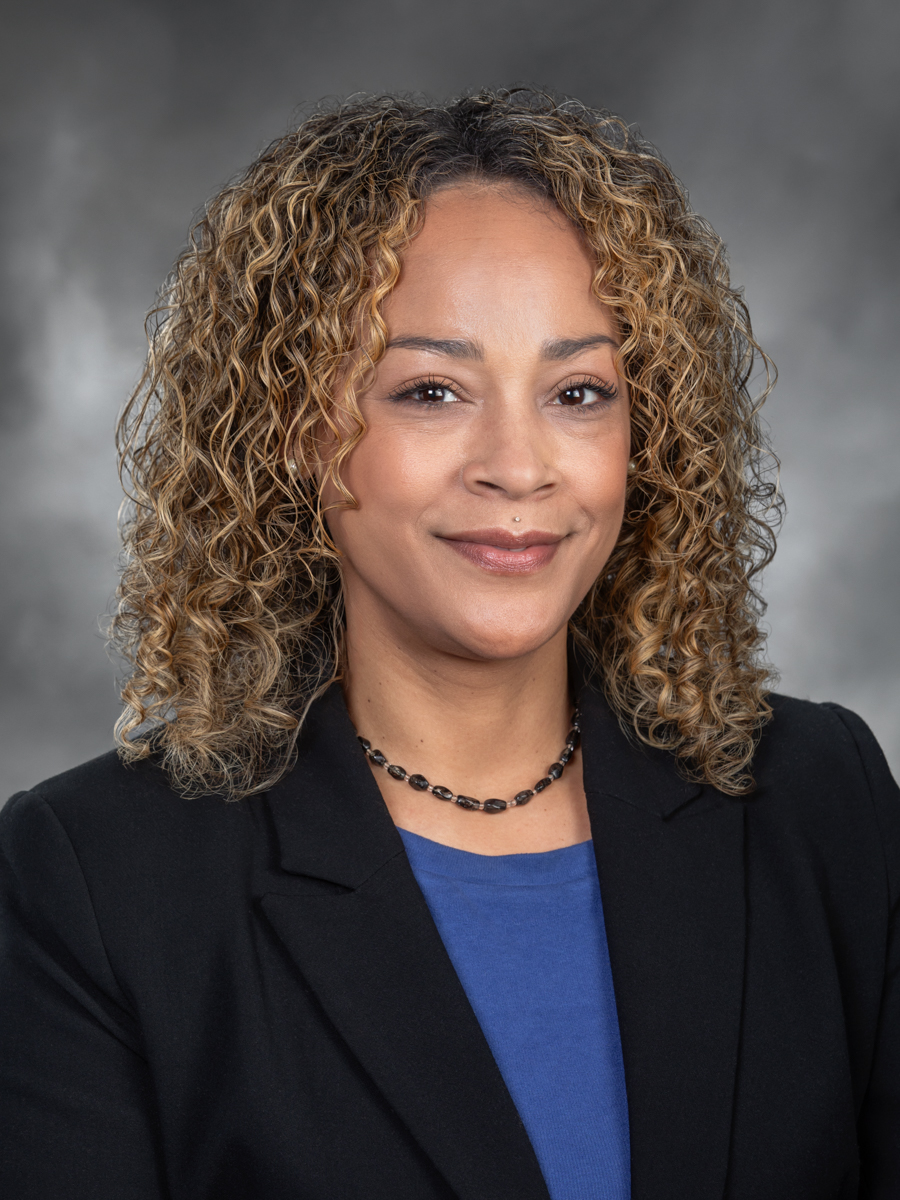
Rep. Natasha Hill
Sponsored bills
Maddy summaryHB 1260 updates the rules for how administrative costs are handled for the $183 document recording fee in Washington state. The bill maintains the existing surcharge on recorded documents and its distribution to county auditors, counties, and state accounts for housing and homeless services. It specifically amends how counties can use their share of these funds for local homeless housing plans and related administrative costs. This includes new provisions for how funds are distributed to cities that operate their own homeless housing programs, allowing them to receive funds directly for program and administrative expenses.
Maddy summaryHB 1563 establishes a prescribed fire claims fund pilot program in Washington state to provide financial loss coverage for damages resulting from prescribed fires and cultural burning. This program supports non-state and non-federal entities, such as private landowners and cultural fire practitioners, who conduct these burns according to approved plans and permits. The Office of Risk Management will administer the fund, which covers eligible property or economic damages up to $2,000,000 per claim. The intent is to reduce financial uncertainty and encourage the use of prescribed fire for forest health and wildfire prevention. This pilot program is set to expire on June 30, 2033.
Maddy summaryHouse Bill 1486 adds a student member to the Washington State Board for Community and Technical Colleges, increasing its total membership from nine to ten. This change ensures that a student currently enrolled in a community or technical college will have a voice in the board's decisions. The student member will serve a one-year term and must be at least 18 years old. They will participate in discussions and policy development, though they will be excluded from voting on matters related to hiring, discipline, personnel, or pending litigation.
Maddy summaryHB 1747 expands protections for job applicants and employees under Washington's Fair Chance Act. The bill prohibits employers from inquiring about an applicant's criminal record until after a conditional offer of employment has been made. It also prevents employers from taking adverse employment action based on arrest records or juvenile conviction records. For adult conviction records, employers must have a legitimate business reason, notify the individual, and provide an opportunity for them to explain or provide additional information before making a decision.
Maddy summarySubstitute House Bill 1879 clarifies rules for meal and rest breaks for hospital workers involved in direct patient care or clinical services who are hourly or covered by a collective bargaining agreement. The bill mandates uninterrupted breaks, with exceptions for unforeseeable emergent or clinical circumstances, and allows for combining meal and rest periods by mutual agreement. It also permits employees and employers to voluntarily waive certain meal periods or timing requirements under specific conditions, such as a written, revocable agreement. Hospitals must record missed breaks and submit quarterly reports to the Department of Labor & Industries detailing missed, waived, and required breaks. This act takes effect on January 1, 2026.
Maddy summaryHouse Bill 1174 updates Washington state law regarding court interpreters, aiming to secure the rights of persons with limited English proficiency in legal proceedings. It redefines key terms, including replacing "non-English-speaking person" with "person with limited English proficiency" and emphasizing "credentialed interpreters." The bill mandates the appointment of credentialed interpreters for these individuals, but allows for non-credentialed interpreters if "good cause" is found, such as their unavailability. In such cases, the judicial officer must determine the interpreter's ability to interpret accurately and ensure they will abide by the code of professional responsibility. The legislation also expands the scope of "legal proceeding" to cover a broader range of court and administrative hearings.
Maddy summaryHB 1524 establishes new workplace standards for employers of "isolated employees" in Washington state, specifically those in hotel, motel, retail, security guard, and property services industries. The bill requires these employers to adopt sexual harassment policies and provide mandatory training to managers, supervisors, and isolated employees on preventing harassment and discrimination. Employers must also provide panic buttons to isolated employees, allowing them to summon immediate assistance. The Department of Labor and Industries is responsible for investigating violations and can issue civil penalties for non-compliance.
Maddy summaryHB 1114 establishes the Respiratory Care Interstate Compact, an agreement among participating states. This compact allows respiratory therapists who are actively licensed in one member state to practice in other member states, thereby granting them a "compact privilege." The bill's purpose is to improve public access to respiratory therapy services, streamline the process for therapists to practice across state lines, and support relocating military members and their spouses. It also aims to address workforce shortages and enhance cooperation among states in regulating respiratory therapy.
Maddy summaryThis bill modifies the process for identifying and evaluating individuals who may be classified as sexually violent predators for potential civil commitment. It affects individuals nearing release from confinement for sexually violent offenses and the various state agencies involved in their assessment. The bill updates the requirements for agencies, such as the Department of Corrections, to refer these individuals to prosecuting attorneys and to provide comprehensive records for review. Crucially, it grants prosecuting agencies new authority to issue "civil investigative demands" to any public agency to obtain documents and information relevant to determining if civil commitment is warranted.