

Maddy summaryHB 2049 aims to enhance funding for K-12 education and communities by modifying state and local property tax authority and adjusting the school funding formula. The bill revises the maximum dollar amount school districts can levy for enrichment, setting it as the lesser of $2.50 per $1,000 of assessed value or a per-pupil limit. This per-pupil limit is updated with specific "inflation enhancements" through 2030 and establishes a new base amount starting in 2031, impacting funding based on student enrollment. Additionally, it adjusts how the state provides local effort assistance funding to supplement these school district enrichment levies.
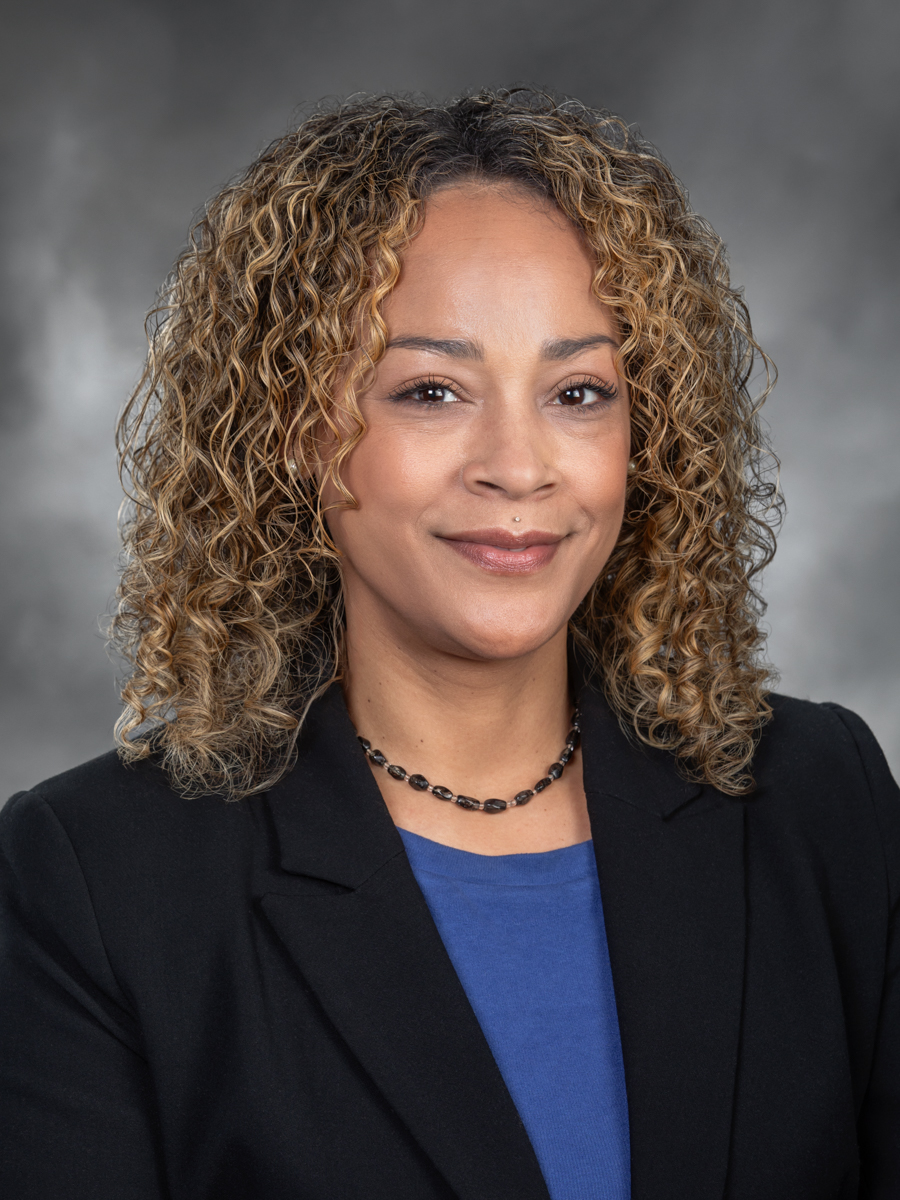
Rep. Natasha Hill
Sponsored bills
Maddy summaryHouse Bill 1902 establishes a temporary work group to develop recommendations for making the permitting process for transportation projects more efficient. This group will involve various state agencies, local government representatives, industry groups, and tribal representatives. The work group's main goal is to identify ways to reduce project costs and completion times by aligning permitting requirements and processes, while ensuring environmental and regulatory protections are maintained. The group must submit an interim report by January 1, 2026, and a final report, including any legislative recommendations, by November 1, 2026, after which the group will expire.
Maddy summaryHB 1552 extends and increases the fee assessed on real estate broker and managing broker licenses in Washington state. The bill changes the fee's expiration date from September 30, 2025, to September 30, 2035, and doubles the fee from $10 to $20 for each original and renewal license. Funds collected from this fee are deposited into the Washington real estate research account. This account supports the Washington center for real estate research, which provides studies, information, and educational services on real estate topics, including affordable housing.
Maddy summaryHB 1709 authorizes trained, parent-designated adults to provide care, including administering emergency medication, to students with adrenal insufficiency in Washington public schools. The bill requires school districts to develop individual health plans for these students and adopt policies for their care, such as medication storage and emergency procedures. Parent-designated adults must volunteer, be authorized by the student's parents, and complete specific training. This legislation also extends liability protection to school districts, employees, and these designated adults who act in good faith according to the student's health plan. This measure aims to ensure students with adrenal insufficiency receive necessary medical support when a school nurse is not available.
Maddy summarySubstitute House Bill 1811 aims to enhance crisis response services in Washington state by integrating and supporting "co-response" teams. The bill formalizes co-response as a multidisciplinary partnership between first responders (like law enforcement and EMTs) and human services professionals (such as social workers and behavioral health clinicians). These teams respond to emergency situations, including 911 and 988 calls, involving behavioral health crises and complex medical needs. The goal is to de-escalate situations, divert individuals from the criminal justice system, and provide immediate medical and behavioral health care in the field, benefiting vulnerable populations.
Maddy summaryHB 1498 establishes a grant program to help cities and counties create and operate domestic violence co-responder programs. These programs deploy domestic violence victim advocates alongside law enforcement to provide on-scene support, resources, and care navigation for victims and their families. The bill creates a dedicated state treasury account, funded primarily by an additional $100 fee on marriage licenses, to support this initiative. The Office of Crime Victims Advocacy will administer these grants, also providing technical assistance and support for billing health insurance for services.
Maddy summaryHouse Bill 1515 modernizes the regulation of alcohol service in public spaces for liquor licensees and local governments in Washington state. Until December 31, 2026, it allows local governments to request expanded outdoor alcohol service for certain licensees, offering flexibility for outdoor area enclosures and the ability for multiple businesses to share these spaces. Additionally, until December 31, 2027, the bill authorizes expanded indoor and outdoor alcohol service in designated fan zones or host cities during specific events. This enables multiple licensees to operate within a shared, approved event area, provided local governments ensure public safety and cleanliness. The bill aims to facilitate safe event experiences, particularly in preparation for a major international sports event in 2026.
Maddy summaryHB 1483, also known as the "right to repair" bill, requires manufacturers of certain digital electronic products to make parts, tools, and repair documentation available to independent repair providers and product owners. This applies to consumer electronics like computers, cell phones, and appliances, aiming to increase access to affordable repair options for Washington residents. Manufacturers must offer these resources on fair and reasonable terms, with documentation and digital tools generally provided free of charge. The bill supports a competitive repair market and seeks to extend the useful life of products for consumers across the state. This legislation will become effective on July 27, 2025.
Maddy summaryHB 1670 increases public transparency regarding sewage spills in Washington state, directly affecting the Department of Ecology, wastewater operators, and the public who rely on clean water. By July 1, 2026, it mandates the Department of Ecology to create a public-facing website. This website will display notices of reported sewage spills, including details such as the estimated volume, treatment level, location, and the date and time of the incident. The Department must update the site with final spill information and design it to be accessible for people with limited English proficiency.
Maddy summaryHB 1096 requires certain Washington cities, those with minimum density requirements under the Growth Management Act, to establish an administrative process for splitting residential lots. This process allows an existing residential lot to be divided into two, facilitating the creation of new middle housing or single-family homes, often with simultaneous review of a building permit. The lot split can be approved administratively by a planning director, without a public hearing, if specific conditions are met regarding lot size, utilities, and access. The bill aims to increase housing options for homeowners and prospective buyers, with the Department of Commerce providing guidance and grants to cities for implementation.