

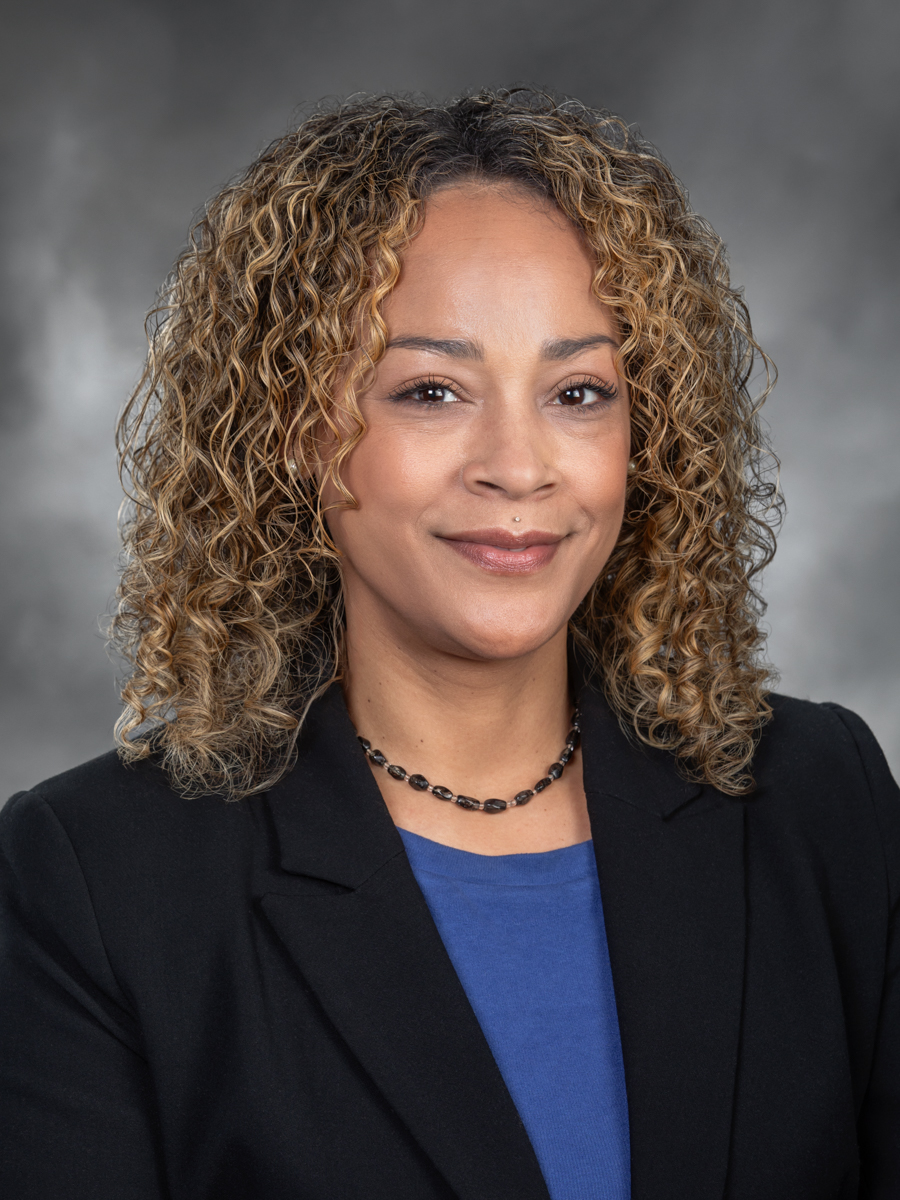
Photo of Natasha Hill
D Washington House · District 3 On the 2026 ballot

Rep. Natasha Hill

Compare
Total votes
1,201
all sessions
Attendance
100%
5 missed
Near the chamber average
With party
99%
of cast votes
Near the chamber average
Bipartisan score
0%
crosses aisle rarely
Near the chamber average
Sponsored
469
bills & resolutions
Higher than 95% of chamber peers
Committees
3
assignments
469 bills and resolutions

Sponsored bills

Total
469
Primary
13
Co-sponsor
456
This page
469
matching current filters
Co-sponsor HB 1534
In committee · Washington House · Co-sponsor
Enhancing the regulation of tobacco products, alternative nicotine products, and vapor products.

Maddy summaryHB 1534 raises the minimum age to purchase tobacco, alternative nicotine, and vapor products from 18 to 21 in Washington State. It requires retailers to verify customers' ages using specific photo ID with signature (e.g., driver's licenses, tribal ID cards) and imposes stricter penalties for sales to minors. Violations now carry fines starting at $1,500 for first offenses and up to $15,000 for repeated violations, with license suspensions or revocations for repeated breaches. The bill directly affects retailers selling these products, targeting underage access through enhanced enforcement mechanisms.

In committee Jan 12, 2026 1 co-sponsor
Co-sponsor HB 1734
In committee · Washington House · Co-sponsor
Concerning outdoor learning grants to expand and improve the delivery of outdoor learning opportunities.

Maddy summaryHB 1734 creates a state grant program to fund capital improvements for facilities used in outdoor learning. It provides competitive grants to tribes, local governments, nonprofits, and others to build, renovate, or rehab facilities that expand access to outdoor education for public school students, particularly in underserved communities. Key provisions require projects to increase student capacity or remove participation barriers, mandate facility maintenance for a set period, and ensure funds are used solely for outdoor learning. The grants are intended to complement existing outdoor education programs by improving infrastructure, not operating costs, with funding requests to be submitted starting in 2027.

In committee Jan 12, 2026 1 co-sponsor
Co-sponsor HB 1743
In committee · Washington House · Co-sponsor
Enhancing opportunities for community-based providers to provide health care services in carceral settings.

Maddy summaryHB 1743 creates a state reimbursement program to help community-based health care providers offer medical services in local jails. It directly affects small health centers that struggle to get malpractice insurance in carceral settings, as they cannot self-insure and face limited coverage options. The bill provides state reimbursement for medical malpractice claims exceeding $50,000, covering defense costs and judgment amounts above that threshold, but only for claims related to health care services. To qualify, providers must be federally qualified health centers or approved clinics, and local jails must submit detailed claims through the state’s risk management process.

In committee Jan 12, 2026 1 co-sponsor
Co-sponsor HB 1388
In committee · Washington House · Co-sponsor
Concerning mobile market programs.

Maddy summaryHB 1388 establishes a mobile market program in Washington to expand access to fresh, healthy food for low-income households participating in the Women, Infants, and Children (WIC) and senior farmers market nutrition programs. The bill allows nonprofit mobile markets - operating in areas without farmers markets - to accept these nutrition benefits, directly supporting rural and food desert communities. Key provisions require mobile markets to be nonprofit, serve underserved areas, and obtain USDA approval via waiver to accept benefits. This policy change modernizes existing federal nutrition programs by extending access to mobile food services, benefiting both participants and local farmers.

In committee Jan 12, 2026 1 co-sponsor
Co-sponsor HB 1030
In committee · Washington House · Co-sponsor
Concerning the conduct of limited audits of counted ballots during the election certification period.

Maddy summaryHB 1030 requires Washington counties to conduct specific pre-certification audits of election ballots. It mandates that county auditors audit duplicated ballots by comparing them to originals and establishes four permitted audit methods: risk-limiting statistical audits, random checks of counting equipment, independent electronic audits, or audits of direct recording electronic systems. The bill also sets strict procedures for duplicating damaged ballots, including unique control numbers, dual-person handling, and secure storage. These requirements apply directly to county auditors and canvassing boards during election certification. The law aims to ensure ballot accuracy through standardized, verifiable audit processes before election results are finalized.

In committee Jan 12, 2026 1 co-sponsor
Co-sponsor HB 1090
In committee · Washington House · Co-sponsor
Concerning contraceptive coverage.

Maddy summaryHB 1090 requires health benefit plans in Washington State (effective January 1, 2026) to cover a 12-month supply of contraceptive drugs at one time, rather than requiring multiple refills. This directly affects health insurers and enrollees, mandating that plans provide this coverage unless an enrollee or provider requests a smaller supply. Key provisions include allowing on-site dispensing at providers' offices (when available) and requiring plans to follow clinical guidelines for appropriate prescribing. The bill defines "contraceptive drugs" to include all FDA-approved pregnancy prevention medications, such as oral, transdermal, and intravaginal hormonal drugs.

In committee Jan 12, 2026 1 co-sponsor
Co-sponsor HB 1448
In committee · Washington House · Co-sponsor
Increasing representation and voter participation in local elections.

Maddy summaryHB 1448 establishes statewide rules for local governments adopting ranked choice voting (RCV) in elections. It allows counties, cities, school districts, fire districts, and port districts to use RCV for local offices, requiring ballots to let voters rank candidates in order of preference (with at least five rankings per office) and setting clear counting rules for single-winner (instant runoff) and multi-winner (single transferable vote) contests. The bill mandates that single-winner RCV elections must first hold a traditional primary to narrow candidates to five, while multi-winner contests skip primaries. It also requires local governments to implement RCV within two years of adoption and directs the Secretary of State to create rules for ballot design and vote tabulation by May 2026.

In committee Jan 12, 2026 1 co-sponsor
Co-sponsor HB 1692
In committee · Washington House · Co-sponsor
Exempting certain data related to American Indians, Alaska Natives, and Indian tribes from public inspection and copying.

Maddy summaryHB 1692 exempts specific data about American Indians, Alaska Natives, and Indian tribes from public records requests. It adds a new provision to Washington’s public records law (RCW 42.56) that protects information prepared by certain state agencies (listed in RCW 43.71B.020(1)(b)(i)) and local health jurisdictions. This directly affects tribal communities and agencies handling tribal-related data, as it prevents the public from accessing this information through standard public records requests. The bill does not change existing tribal rights or create new programs - it only modifies public records accessibility for designated tribal data.

In committee Jan 12, 2026 1 co-sponsor
Co-sponsor HB 1362
In committee · Washington House · Co-sponsor
Creating a gambling treatment diversion court pilot program to be conducted by the administrative office of the courts.

Maddy summaryHB 1362 creates a pilot program allowing courts in Washington to divert eligible individuals with gambling addiction from traditional sentencing. It requires courts to hold hearings before sentencing to determine if a crime was committed due to gambling addiction, and if so, to place the person in a treatment program supervised by mental health professionals. The program mandates restitution payments, regular progress reports, and referrals to community resources, with costs covered by the participant or through community service if they cannot pay. It excludes individuals convicted of violent crimes (like assault or domestic violence) or with prior convictions for similar offenses.

In committee Jan 12, 2026 1 co-sponsor
Co-sponsor HB 1839
In committee · Washington House · Co-sponsor
Increasing the investments in our workforce by amending the advanced computing surcharge.

Maddy summaryHB 1839 imposes a 1.22% surcharge on select advanced computing businesses with global revenue exceeding $25 billion annually, targeting large tech firms engaged in software, cloud services, or platforms like social media. The tax applies to affiliated groups (e.g., parent companies and subsidiaries), with exemptions for hospitals and healthcare providers. Revenue generated will fund workforce programs, including expanding the Washington College Grant for families earning up to 70% of median income, increasing STEM teacher training, growing in-state college seats, and supporting student work-study in STEM fields. The bill aims to address a projected 600,000-worker shortfall by directing funds to education and training aligned with high-demand sectors like technology and healthcare.

In committee Jan 12, 2026 1 co-sponsor
Showing 361 to 370 of 469 bills
Previous 1 … 36 37 38 … 47 Next