

Maddy summaryHB 1915 strengthens tenant protections by restricting no-cause evictions and setting specific notice requirements for landlords. It mandates 60 days' written notice for ending 6-12 month leases without cause, and requires 30 days' notice for nonpayment evictions in "covered" housing (federally assisted properties or those with federally backed mortgages). Tenants in these properties can defend against evictions if landlords failed to maintain habitable conditions, with courts able to award damages and attorney fees. The bill directly affects renters in Washington State, particularly those in subsidized housing, by limiting landlord flexibility and reinforcing habitability standards.
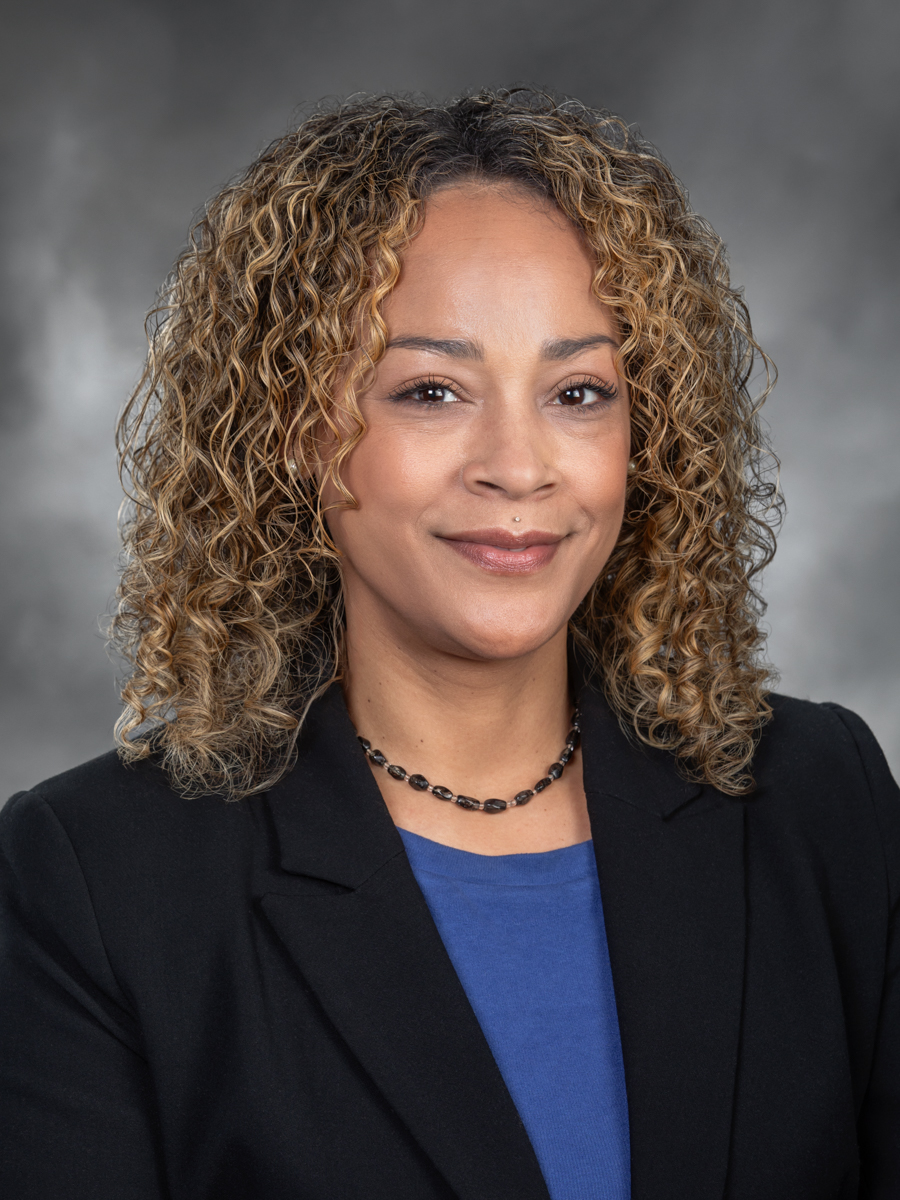
Rep. Natasha Hill
Sponsored bills
Maddy summaryHB 1062 requires all health plans in Washington (including commercial plans, public employee coverage, and state Medicaid) to cover biomarker testing starting January 1, 2026. This applies to tests that measure biological markers in tissue or blood (like gene mutations) when used for diagnosis, treatment, or monitoring of a patient’s condition, provided the test is supported by FDA approvals, Medicare guidelines, clinical practice standards, or expert consensus. Plans must ensure coverage without causing unnecessary disruptions, such as requiring multiple biopsies. The bill mandates this coverage uniformly across all plan types under specific evidence-based criteria.
Maddy summaryHB 1229 allows individuals sentenced as persistent offenders or receiving exceptional sentences (to avoid persistent offender status) due to a second-degree robbery conviction to seek resentencing. It requires public defense offices to review cases where second-degree robbery was used to establish persistent offender status or as part of a plea agreement, and to file motions for resentencing if eligible. The bill mandates courts to resentence these individuals as if second-degree robbery was not the "most serious offense" at sentencing, effectively removing it from consideration in sentencing calculations. This policy change applies to both current sentences and future cases after July 2021, ensuring second-degree robbery no longer qualifies as a "most serious offense" for persistent offender sentencing.
Maddy summaryHB 1564 creates a 100% tax credit for Washington employers that provide child care assistance to employees, directly affecting eligible businesses. The credit covers 100% of costs for two types of assistance: (1) employer-paid portions of employee wages used for child care expenses (like tuition), and (2) costs for in-house child care facilities. Employers can claim the credit against business and occupation taxes (Chapter 82.04 RCW) or public utility taxes (Chapter 82.16 RCW), but not both for the same costs. The credit is available from January 1, 2026, through December 31, 2037, with a final expiration date of January 1, 2038.
Maddy summaryHB 1180 implements specific recommendations from Washington's Sex Offender Policy Board regarding the criminal offense of failure to register as a sex offender. The bill amends state laws (including RCW 9A.44.132 and 9.94A.515) to clarify registration requirements and adjust sentencing levels for noncompliance. It directly affects individuals convicted of sex offenses who are required to register under state law. The key change updates how failure to register is classified and penalized within Washington's criminal sentencing framework.
Maddy summaryHB 1398 amends state law to update rules for interest arbitration panels deciding wages and working conditions for employees at adult family home providers (facilities caring for elderly or disabled individuals). The bill requires panels to consider West Coast wage comparisons for similar workers, regional cost-of-living differences, and the state's financial ability to pay. It also mandates panels to weigh factors like reducing reliance on public assistance programs (e.g., food stamps, housing aid) and promoting workforce stability in long-term care. These changes directly affect arbitration outcomes for caregivers in adult family homes across Washington. The bill does not create new funding but guides how existing resources are allocated during wage negotiations.
Maddy summaryHB 1134 establishes a voluntary "Washington state green schools program" within the Office of the Superintendent of Public Instruction to promote student-led resource conservation in public schools. The program provides limited stipend funding ($600 max per school annually) for school-based advisors to support student education and leadership in waste reduction, energy conservation, water efficiency, and urban forestry initiatives. Schools with over 50% of students eligible for free/reduced-price meals receive priority for funding, and the program aligns with state science curriculum standards on climate and sustainability. It is funded using revenues from the Climate Commitment Act and complements existing district conservation efforts.
Maddy summaryHB 1886 creates a new "Firefighter Memorial" special license plate for Washington vehicle owners. The plate features a Maltese cross with "never forget" and requires a $40 initial fee plus $30 annual renewal, with funds distributed to the Firefighter Memorial Fund. This plate directly affects vehicle owners who choose to display it, joining existing specialty plates like "Law Enforcement Memorial" under state law. The bill amends vehicle registration statutes to add this plate type while maintaining standard fee structures for special license plates.
Maddy summaryHB 1189 modifies Washington state school policies regarding parental volunteers with criminal convictions. It requires schools to inform parents about submitting rehabilitation documents (like expungements or certificates of rehabilitation) and prohibits denying volunteer applications based solely on past convictions if such documents are provided. For parents without these documents, schools must consider factors like time since conviction, whether minors were involved, and other relevant details before denying applications, and must provide written reasons for denials within five days. Parents denied access can appeal to the superintendent of public instruction, with specific appeal procedures to be established by that office. The bill directly affects parents seeking school volunteer roles who have criminal histories, aiming to balance safety considerations with opportunities for parental involvement.
Maddy summaryHB 1726 requires state agencies, school districts, and municipalities to prioritize purchasing lumber from Washington state (then Oregon, then U.S.) for public works projects costing over $500,000 with state funding covering more than half the cost. The bill mandates this procurement order unless a waiver is granted for reasons like public interest concerns, insufficient local supply, or cost increases exceeding 10%. Waivers require 30 days of public notice and comment, with a published justification. It applies to new bids after enactment and includes a provision ensuring compliance with federal funding requirements. This bill directly affects public construction projects funded significantly by the state.