

Maddy summaryHB 2314 creates a pilot program allowing people with developmental disabilities who live in community settings to access dental care at residential habilitation centers. To qualify, individuals must have high medical/behavioral needs requiring anesthesia or face unavailability of community dental care. The pilot permits short-term 24-hour admissions at these centers, uses Medicaid billing, and requires federal funds to go to the state general fund. The program expires July 1, 2028, with a required legislative report detailing outcomes, including participation numbers and challenges. It directly affects individuals with developmental disabilities who face barriers to routine dental care.
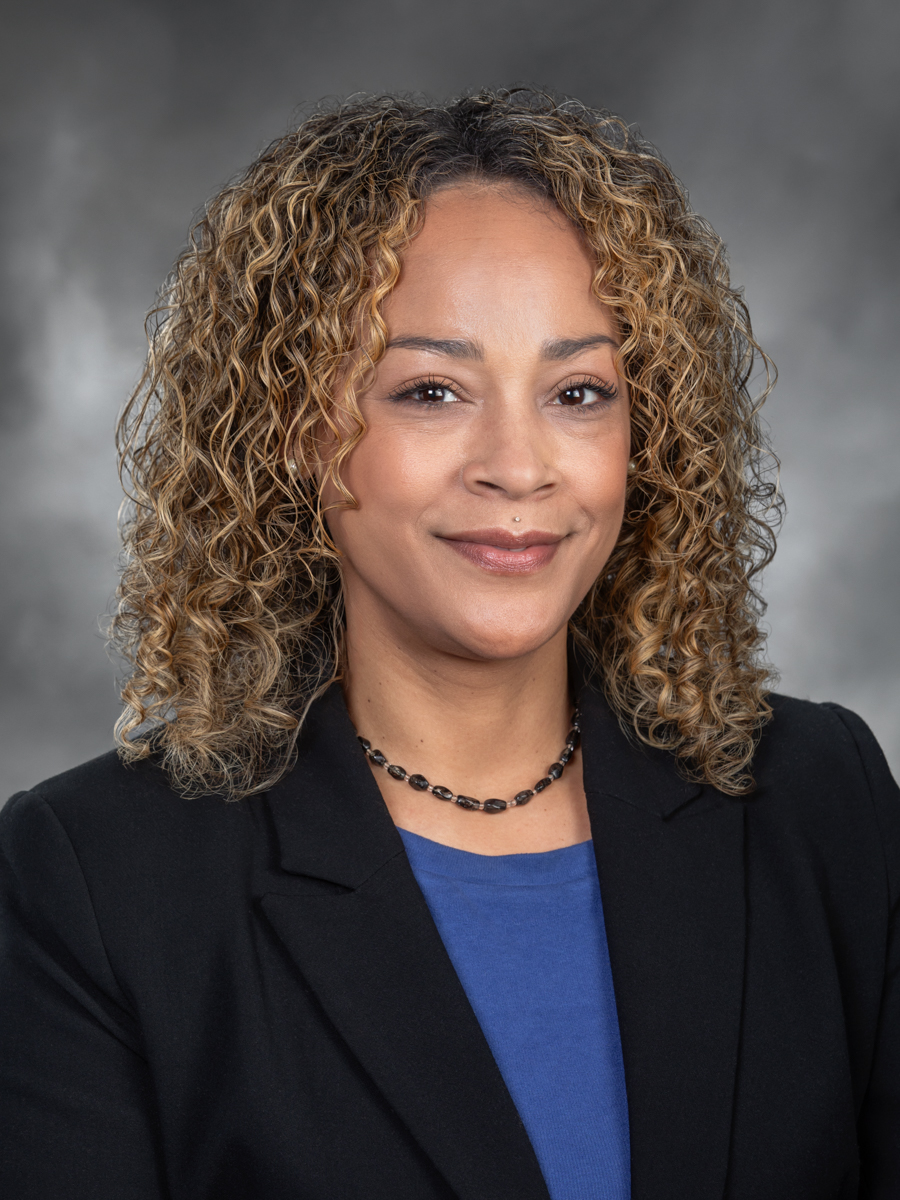
Rep. Natasha Hill
Sponsored bills
Maddy summaryHB 2373 requires Washington electric utilities serving 25,000+ customers to offer a monthly bill discount program for low-income households by January 1, 2028, with smaller utilities required to provide at least one such program. The bill mandates income-tiered discounts (minimum five tiers) based on third-party assessments, prioritizing households with higher energy burdens, and requires accessible enrollment options via phone, in-person, and online. Utilities must also provide multilingual materials, streamline eligibility, and report participation data to the state department biennially. This directly affects low-income households and all electric utilities in Washington, aiming to reduce energy burden through structured, ongoing financial assistance.
Maddy summaryHB 2415 requires Washington's Department of Social and Health Services to investigate unexpected deaths of residents in state-run facilities (including hospitals, residential habilitation centers, and state-operated living alternatives). It mandates a review team with relevant expertise to examine each case, develop safety recommendations, and issue a public report within 120 days, including details on prior abuse/neglect reports if applicable. The department must also create and post a corrective action plan addressing review findings online within 120 days. This applies to all facilities operated by the department providing residential or inpatient care, with strict confidentiality protections for the review process itself.
Maddy summaryHB 2102 eliminates certain unenforceable legal financial obligations (LFOs) for offenders in Washington State, including costs, fees, and accrued interest on restitution or other debts. It automatically voids these debts after the bill’s effective date, prohibits courts from accepting payments for them, and allows judges to waive uncollectible portions of LFOs upon offender request. The bill also stops interest accrual on criminal fines and fees as of June 7, 2018, and updates collection procedures for existing debts. This directly affects individuals with outstanding criminal or civil LFOs, particularly those deemed uncollectible. The law clarifies that courts may not enforce or collect these specific debts while preserving mechanisms for individual court-based relief.
Maddy summaryHB 2148 creates Washington's "pay it forward" program to help graduate students cover tuition and fees at public universities. The program provides funding for up to four years of study (or 125% of a program's length), minus any existing state financial aid, for students at University of Washington, Washington State University, regional universities (Western, Central, Eastern), or The Evergreen State College. Participants repay the program after graduation by contributing a percentage of their income (3.5% for regional universities/state college, 5% for state universities) for up to 15 years, with payments tied to the credits taken during their studies. Funding comes from state appropriations, participant contributions, and private donations, held in a dedicated trust fund managed by the Student Achievement Council.
Maddy summaryThis bill proposes the creation of a state-owned public bank in Washington to increase public financing capacity for infrastructure and other public initiatives without raising taxes or increasing state debt. The legislation would establish a new depository bank that holds state and local government funds, allowing the state to leverage deposits to provide loans for projects like transportation and community development. Modeled after the Bank of North Dakota, the public bank would operate under state control to generate profits for the people of Washington while offering lower-cost financing for public needs. The bill amends existing state statutes to authorize the bank's formation and outlines how the institution would manage deposits and loans to support economic development and reduce reliance on bond financing.
Maddy summaryHB 2560 creates a new state-funded model to support residential pediatric recovery centers that provide nonmedical care for infants born with prenatal substance exposure (e.g., to opioids or methamphetamines) and their families. The bill requires the state to seek federal approval for direct payments to these centers by July 2027 and to provide interim grants using opioid settlement funds until then. It aims to replace lengthy hospital stays in neonatal intensive care units with a family-centered approach that promotes bonding and helps keep infants with parents in recovery. The new funding will cover services like caregiver coaching, bonding activities, and transition planning to support safe home reunification.
Maddy summaryThis is a ceremonial House resolution (not a policy bill) introduced on January 19, 2026, by multiple Washington State Representatives. It formally recognizes Dr. Martin Luther King Jr.'s life, legacy of nonviolent activism, and contributions to civil rights, including his role in the Civil Rights Act of 1964 and Voting Rights Act of 1965. The resolution expresses the House's commitment to upholding Dr. King's ideals of equality, justice, and opportunity for all. As a symbolic gesture, it does not create new laws, allocate funds, or affect any specific individuals or groups.
Maddy summaryHB 2265 requires landlords in Washington state to allow tenants to install portable air conditioners or evaporative coolers (like window units or floor models) without restriction, unless specific safety or structural concerns apply. Landlords may only prohibit such devices if installation violates building codes, damages property, exceeds electrical capacity, or conflicts with window egress requirements - prioritizing tenants with disabilities requiring cooling. The bill mandates landlords provide written lease notices detailing tenant rights and restrictions, and shields landlords from liability for tenant-installed device issues. This directly affects all residential tenants in Washington, particularly those in buildings without permanent AC during extreme heat events.
Maddy summaryHB 2493 expands rights and support for survivors of sexual violence, including those affected by female genital mutilation (FGM), in Washington state. It amends statutes to require courts to appoint representatives for defendants representing themselves in sexual assault cases to question victims, and allows minors aged 13+ to consent to forensic exams for strangulation-related domestic violence. The bill also broadens definitions of sexual assault, mandates trauma-sensitive victim services, and guarantees survivors access to medical exams, advocates, and updates on case progress. These changes directly affect survivors, law enforcement, courts, and community sexual assault programs by embedding victim-centered approaches into legal procedures.