

Maddy summaryHB 1616 expands the definition of "unlawful transit conduct" to explicitly include Washington State Ferries. This means that behaviors previously prohibited on other public transit, such as smoking, littering, playing loud music without headphones, or consuming open alcoholic beverages, will now also apply to state ferries. The bill amends existing law by adding "ferry boat" to the definition of a transit vehicle and "the Washington state ferries" to the definition of a transit authority. Individuals found in violation of these rules on state ferries could be guilty of a misdemeanor.
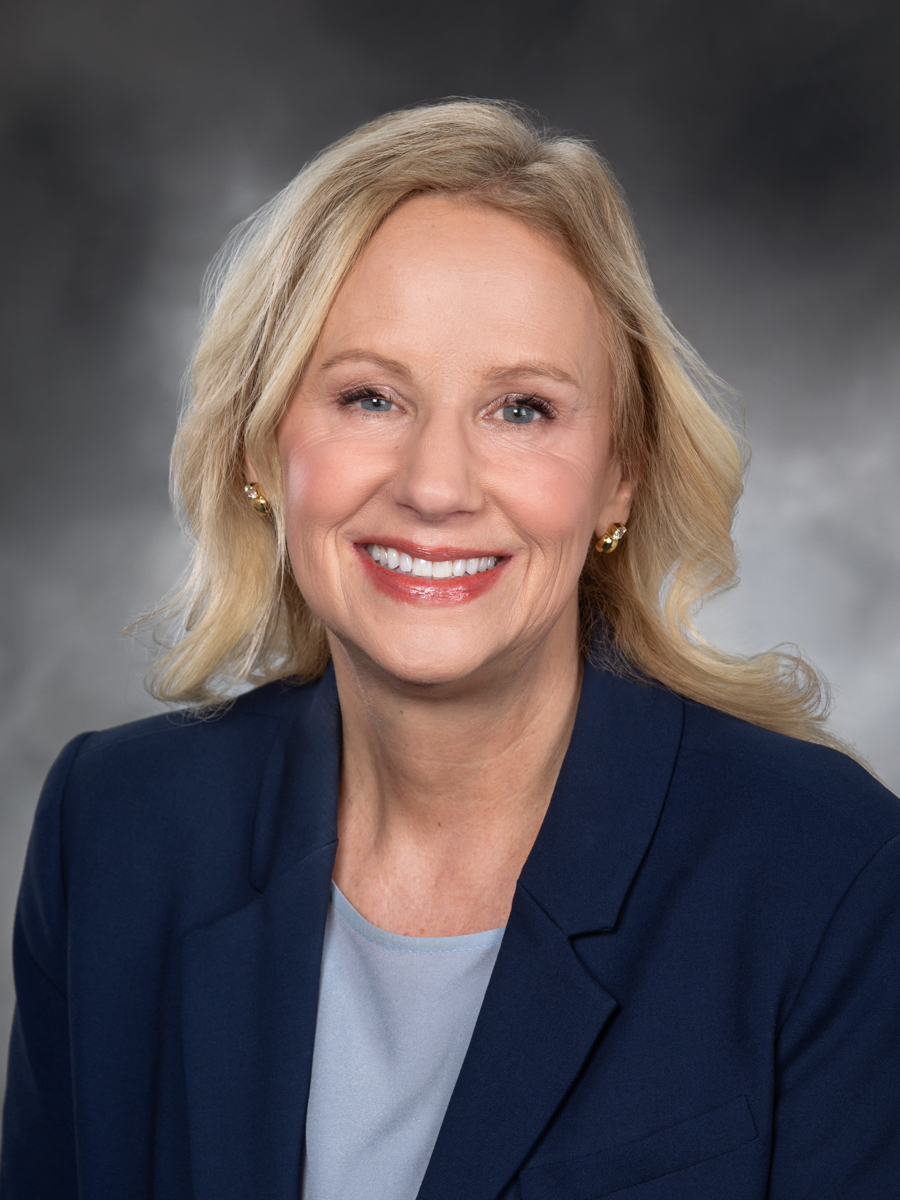
Rep. Mari Leavitt
Sponsored bills
Maddy summaryHB 1159 creates a new class B felony crime for knowingly permitting a dependent child (under 18) or vulnerable adult (e.g., elderly, disabled, or in care facilities) to ingest, inhale, absorb, or contact a controlled substance (excluding cannabis). It specifically targets situations where someone responsible for their care allows exposure to drugs, with exceptions for medical use or prescriptions from licensed practitioners. The law defines "dependent person" broadly to include those relying on others for basic needs like food, shelter, or medical care, and specifies that administering substances for health care or via valid prescriptions is a valid defense. This bill directly affects caregivers, family members, and facility staff responsible for vulnerable individuals.
Maddy summaryHB 1426 creates a new civil protection order specifically for vulnerable adults to prevent abuse, not impaired driving (the title contains an error). The bill defines abusive behaviors like physical, mental, sexual, and financial abuse, including coercive control tactics such as isolation, threats, or controlling finances. It amends multiple statutes (e.g., RCW 7.105) to establish this protection order process, prescribe penalties for violations, and clarify terms like "coercive control." The order would allow vulnerable adults to seek court protection against abusers, directly affecting individuals aged 65+ or those with disabilities who are vulnerable to abuse. The bill is currently pending in the House Committee on Civil Rights & Judiciary.
Maddy summaryThis bill would allow parents to be paid for providing specialized care to their minor children (under 18) with developmental disabilities. It requires the state to seek federal approval to pay parents for "extraordinary care" - defined as care beyond typical parenting duties needed to prevent institutionalization. If approved, parents would qualify for payment under specific rules, including meeting training requirements like other caregivers. The bill applies only to children in certain high-need assessment categories and does not affect existing services for adults or non-disabled individuals.
Maddy summaryHB 1285 establishes financial education instruction as a graduation requirement for public high school students in Washington state. Beginning in the 2027-28 school year, all high schools must provide instruction in the state financial education learning standards. Starting with the graduating class of 2031, students will be required to meet these standards to graduate. The bill also tasks the Office of the Superintendent of Public Instruction with making instructional materials available and outlines monitoring responsibilities for the State Board of Education.
Maddy summaryHB 1206 expands eligibility for Washington's multifamily tax exemption program to all counties required or choosing to plan under the Growth Management Act (RCW 36.70A.040), removing a previous population threshold. The bill amends tax code definitions to include any qualifying county under the Growth Management Act, regardless of unincorporated population size. This change directly affects counties that must develop or choose to develop comprehensive plans under state law, enabling them to offer tax incentives for multifamily housing projects. The key mechanism is revising eligibility criteria to eliminate the prior minimum population requirement for counties seeking to use this program. The policy change aims to broaden access to tax incentives for affordable housing development across more jurisdictions.
Maddy summaryHB 1169 expands Washington state law to criminalize the creation, distribution, or possession of AI-generated or digitally altered images depicting minors in sexually explicit conduct - even when the minor is not identifiable. The bill amends definitions to explicitly include AI-generated content under "digitization" and "fabricated depiction," covering any realistic image of a minor engaged in sexual acts, regardless of whether the image shows a real child. It classifies violations as class B felonies, with separate charges for each image created or shared. This directly affects individuals using AI tools to produce such content, aiming to address the challenge of detecting fabricated child sexual abuse material online. The law targets the proliferation of AI-generated images that could desensitize viewers or increase exploitation risks, without requiring the depicted minor to be identifiable.
Maddy summaryHB 1428 establishes two state-funded accounts to support criminal justice services: one for counties and one for cities. It mandates annual transfers of $50 million (increasing by 50% starting in 2026) into these accounts, with county funds distributed based on population (20%), crime rate (30%), and criminal cases (50%). Municipal funds are distributed only to cities meeting a 125% statewide crime rate threshold, with 30% allocated to cities exceeding 175% of the average crime rate. The bill prohibits using these funds to replace existing local funding and restricts spending to criminal justice activities like domestic violence services and law enforcement support.
Maddy summaryHB 1805 proposes a local 0.01% sales and use tax in Washington counties to fund additional services for children and families. The tax would generate revenue specifically for mental health support, early intervention programs, child care, school-based health services, shelter, rental assistance, and transportation. Counties could implement this tax via resolution or ordinance, with funds restricted to the listed services that address gaps in current Medicaid and behavioral health programs. The bill aims to support children and families early to improve well-being and reduce long-term needs like youth violence and substance use.
Maddy summaryThis bill requires Washington healthcare providers to inform patients about available pain control options before scheduling or during appointments for intrauterine device (IUD) placement or removal. It directly affects patients seeking IUDs - particularly those who have never given birth, who often experience more pain - and healthcare providers who perform these procedures. The key provision mandates that providers notify patients about pain management choices (beyond just over-the-counter medications) at the time of scheduling, aligning with updated CDC guidelines. The bill does not change medical practices but ensures patients receive clear information about pain control options before the procedure. It is pending review in the Health Care & Wellness committee.