

Maddy summaryHB 1010 allows rural counties in Washington to authorize detached accessory dwelling units (ADUs) - small secondary homes on the same lot as a primary residence - on any lot size, even where local zoning previously prohibited them. Key requirements include limiting ADUs to 1,296 square feet, ensuring water/sewage systems can handle added demand, prohibiting construction on closed water sources or agricultural land, and requiring exterior design to match the main home. The bill directly affects rural property owners seeking to build affordable housing options and counties managing land use planning. It aims to expand housing choices without counting new residents toward rural growth targets in county plans.
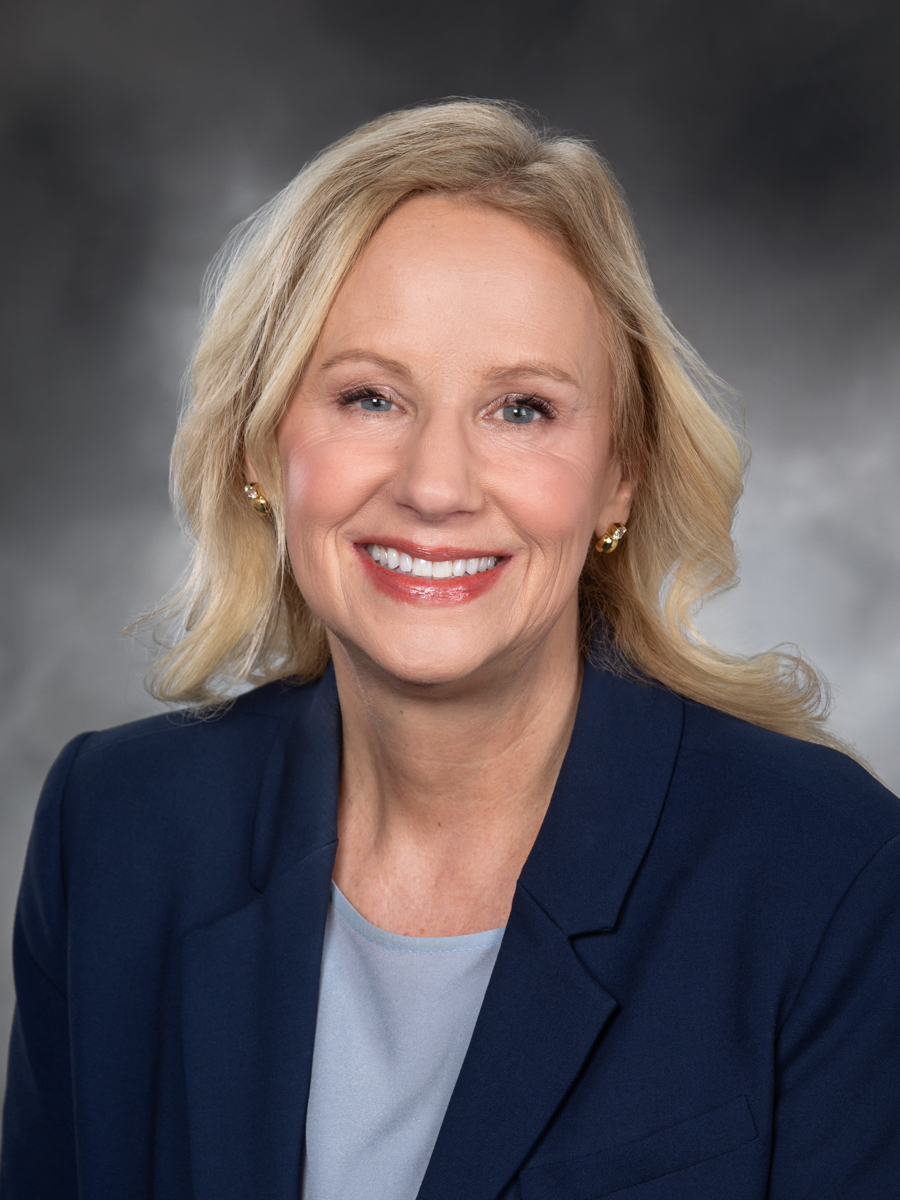
Rep. Mari Leavitt
Sponsored bills
Maddy summaryHB 1139 increases penalties for unlawful firearm possession by classifying certain cases as violent crimes, resulting in higher sentencing levels. It mandates immediate jail booking for individuals arrested for violating firearm laws, eliminating the option of release on bail or personal recognizance. The bill directly affects people who possess firearms unlawfully, particularly those with prior violent criminal records. This legislation amends Washington state laws to enhance public safety through stricter enforcement of firearm possession restrictions.
Maddy summaryHB 1092 modifies Washington state law to clarify when children may be removed from homes due to safety concerns. It expands grounds for removal to include un-prescribed use of strong opioids or other Schedule I/II drugs while caring for a child, and requires courts to prioritize health/safety during removal decisions. The bill mandates a shelter care hearing within 72 hours (excluding weekends/holidays) to determine if a child can safely return home, and requires courts to ensure parents receive notice of their rights and access to legal counsel. It also requires efforts to place children with relatives before long-term shelter care and specifies that parental waiver of hearings must be fully informed.
Maddy summaryHB 1632 prevents medical debt from being reported to credit bureaus without specific contract terms, directly affecting consumers with medical bills, healthcare providers, and collection agencies. The bill requires all new medical debt contracts to include a clear statement prohibiting credit reporting, and any contract lacking this term becomes unenforceable. If a provider or collector reports medical debt to credit bureaus despite this requirement, the debt is void and cannot be collected. This policy change aims to stop medical debt from unfairly damaging credit scores by removing a key barrier to financial stability for affected consumers.
Maddy summaryHCR 4403 is a concurrent resolution proposing to rename the "Joel Pritchard State Library" to the "Joel Pritchard Building." This change applies to a state office building at 415 15th Avenue Southwest in Olympia, which has functioned as legislative offices for over 20 years (not a library) and causes visitor confusion. The resolution cites the legislature's authority under RCW 43.34.090 to rename capitol campus buildings and aims to align the name with the building's current use. It does not alter policy or affect residents; it is solely a procedural naming update.
Maddy summaryHB 1086 makes it a crime to operate or aid in operating a chop shop (where stolen vehicles are dismantled or disguised for resale). It establishes new penalties: a class B felony for a first offense (up to 10 years in prison) and a class A felony for repeat offenses (up to 10 years for a second offense). The law requires convicted individuals to pay restitution to vehicle owners or insurers for financial losses, environmental cleanup costs, and other related expenses. It also allows law enforcement to seize and forfeit vehicles, tools, or equipment used in chop shop operations, while excluding licensed wreckers who unknowingly process stolen vehicles in good faith.
Maddy summaryHB 1969 establishes a law enforcement aviation support grant program to provide financial assistance to local law enforcement rotary wing aviation support units. The Department will implement this program, identifying eligible units that offer aviation support to any jurisdiction in the state without charging them. Fifty percent of appropriated funds will be equally distributed to these recognized units for maintenance and operational costs, including pilot, crew, and aircraft expenses. Remaining funds will reimburse these units for search and rescue mission costs, with any final leftover amounts going to the Washington State Patrol's aviation section. These funds are intended to supplement, not replace, existing local funding.
Maddy summaryHB 1082 allows licensed child care providers in Washington to use documented work experience instead of formal early childhood education certificates to meet licensing requirements until August 1, 2028. To qualify, providers must show continuous employment since August 1, 2021 (or seven cumulative years), active work requiring such certificates, and completion of required health/safety training. The bill also requires the Department of Children, Youth, and Families to form a stakeholder group - including providers, training organizations, and community advocates - to review and improve staff qualification systems, with a report due by December 2026. This law expires July 1, 2028, and does not apply to providers serving the Early Childhood Education and Assistance Program (ECEAP).
Maddy summaryHB 1404 expands access to free school meals in Washington state by removing income-based eligibility requirements. It mandates that all public school students who request a meal receive it at no cost, regardless of family income, to address food insecurity and support academic success. The bill amends several education funding statutes (including RCW 28A.235.135 and 28A.235.160) to align meal access with this new policy. It directly affects every public school student in Washington, ensuring no child experiences hunger during the school day. The policy change replaces previous tiered eligibility systems with universal free meals for all requesting students.
Maddy summaryHB 1263 updates Washington's Essential Needs and Housing Support Program to expand eligible uses for assistance. It allows cash assistance for recipients (previously prohibited) and clarifies eligibility for low-income elderly or disabled adults transitioning off certain benefits who have immediate housing needs. The bill requires housing support entities to prioritize homeless individuals first and those at "substantial risk" of losing housing second, while mandating data reporting to homeless management systems and limiting administrative costs to 5% of program funds. This directly affects vulnerable residents facing housing instability, including homeless individuals and those at risk of losing housing due to financial hardship.