

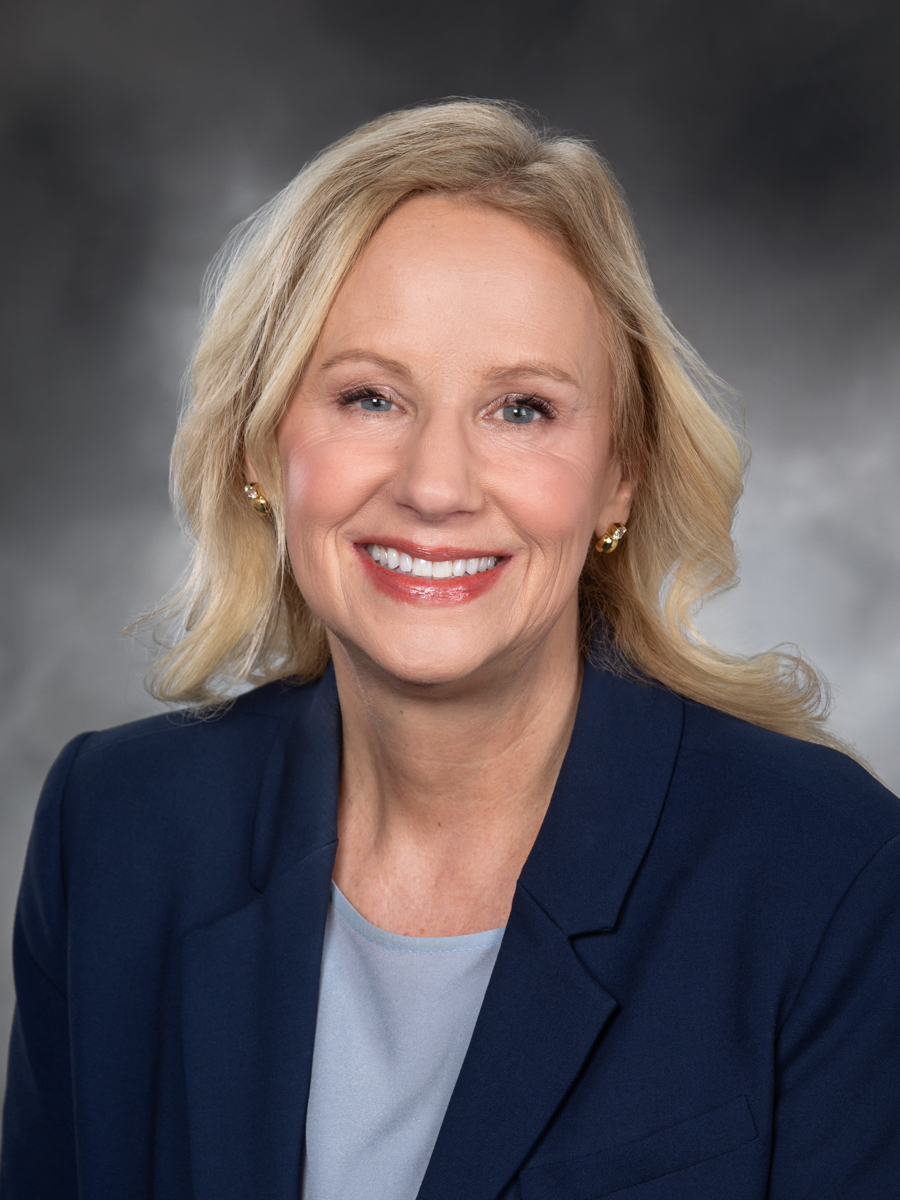
Photo of Mari Leavitt
D Washington House · District 28 On the 2026 ballot

Rep. Mari Leavitt

Compare
Total votes
4,956
all sessions
Attendance
99%
32 missed
Lower than 79% of chamber peers
With party
92%
of cast votes
Lower than 94% of chamber peers
Bipartisan score
4%
crosses aisle rarely
Higher than 92% of chamber peers
Sponsored
1,262
bills & resolutions
Higher than 84% of chamber peers
Committees
4
assignments
1,262 bills and resolutions

Sponsored bills

Total
1,262
Primary
115
Co-sponsor
1,147
This page
1,262
matching current filters
Co-sponsor HB 2126
In committee · Washington House · Co-sponsor
Providing an exemption for taxes on fuel used in school buses.

Maddy summaryHB 2126 would exempt school districts in Washington state from paying taxes on fuel used in school buses. The bill amends state tax codes to specifically add school buses (operated per education laws) to the list of exempt fuel uses, directly affecting public school districts. This change would reduce operating costs for schools by eliminating a tax on fuel for all school bus operations within the state.

In committee Jan 12, 2026 1 co-sponsor
Co-sponsor HB 2193
In committee · Washington House · Co-sponsor
Concerning the mortgage lending fraud prosecution account.

Maddy summaryHB 2193 creates a dedicated fund to prosecute mortgage lending fraud by adding a $5 surcharge on most deed of trust recordings in Washington. County auditors collect this fee (keeping 5% for administration) and send the rest to the state treasurer, depositing it into the new "mortgage lending fraud prosecution account." The Department of Financial Institutions manages these funds, using them exclusively for criminal prosecutions of mortgage fraud, in consultation with the Attorney General and local prosecutors. The bill applies to standard deed of trust recordings but excludes assignments or substitutions of previously recorded deeds.

In committee Jan 12, 2026 1 co-sponsor
Co-sponsor HB 2101
In committee · Washington House · Co-sponsor
Exempting live presentations from retail sales and use tax.

Maddy summaryHB 2101 exempts services involving live animals, birds, and insects from Washington's retail sales tax. This directly affects businesses like petting zoos, animal shows, and educational programs that provide live animal demonstrations. The bill amends the state tax code to explicitly exclude these services from the definition of "retail sale" under RCW 82.04.050. As a result, businesses offering such services will no longer be required to charge customers sales tax on these specific activities.

In committee Jan 12, 2026 1 co-sponsor
Co-sponsor HB 2213
In committee · Washington House · Co-sponsor
Addressing theft and vandalism involving metal property.

Maddy summaryHB 2213 requires Washington scrap metal businesses to document every metal sale with detailed records, including seller ID, vehicle details, photos of the metal, and a signed declaration confirming the metal isn’t stolen. Businesses must digitally report transactions over $50 to a state database and limit cash payments to $30 per transaction, with the remainder paid via non-transferable check or electronic method. The law aims to deter metal theft by making it harder to anonymously sell stolen metal, directly affecting all scrap metal businesses operating in the state. Key provisions include mandatory photo documentation of metal and 10-day retention of high-value items.

In committee Jan 12, 2026 1 co-sponsor
Co-sponsor HB 2169
In committee · Washington House · Co-sponsor
Strengthening the financial stability of persons in the care of the department of children, youth, and families.

Maddy summaryHB 2169 strengthens financial independence for Washington youth aged 18-21 in the care of the Department of Children, Youth, and Families (DCYF). It prohibits DCYF from using personal benefits (like Social Security) paid to these youth to reimburse care costs starting January 1, 2027. The bill requires DCYF to help eligible youth apply for Social Security benefits, assist in setting up managed financial accounts (such as ABLE accounts), and provide support for managing funds. If needed, DCYF must help identify an authorized representative to manage benefits, though it clarifies the department owes no fiduciary duty to youth or third parties managing these accounts.

In committee Jan 12, 2026 1 co-sponsor
Co-sponsor HB 2130
In committee · Washington House · Co-sponsor
Repealing new taxes imposed by Engrossed Substitute Senate Bill No. 5814 during the 2025 regular legislative session.

Maddy summaryHB 2130 repeals specific tax provisions from Senate Bill 5814 (2025 session) that imposed new taxes. It removes sections of Chapter 422, Laws of 2025 (including codified sections 101, 201, 301 and uncodified sections 1, 401-404) that affected taxpayers. The repeal takes effect April 1, 2026, and is declared an emergency to preserve public finances. This bill directly reverses the tax changes enacted by ESSB 5814.

In committee Jan 12, 2026 1 co-sponsor
Co-sponsor HB 2149
In committee · Washington House · Co-sponsor
Addressing the emergency replacement of failed infrastructure on state route number 165.

Maddy summaryHB 2149 declares an emergency due to the April 2025 closure of the Fairfax Bridge on State Route 165. It directs the transportation department to restore access "as soon as possible" and grants the secretary emergency authority to waive specific rules - including liability agreements, inspection fees, utility regulations, and tax deadlines - to speed up rebuilding. This waiver power applies only to actions necessary for the bridge replacement and cannot override federal requirements or First Amendment rights. The bill directly affects travelers, local governments, and state agencies managing Route 165 infrastructure, with no mention of broader funding or unrelated provisions like the climate account amendment.

In committee Jan 12, 2026 1 co-sponsor
Co-sponsor HB 1017
In committee · Washington House · Co-sponsor
Designating kimchi day.

Maddy summaryHB 1017 designates November 22nd as "Kimchi Day" in Washington State, recognizing the cultural significance of kimchi and aligning with similar observances in South Korea and other U.S. states. The bill amends state law to add "The twenty-second day of November, recognized as kimchi day" to a list of non-holiday cultural observances. It does not create a legal holiday or affect work schedules, as these recognized days are explicitly stated to not qualify as paid or unpaid legal holidays under state law. The measure aims to celebrate kimchi’s heritage, citing its UNESCO-recognized preparation process ("kimjang") and health benefits, but has no direct policy impact on residents or businesses.

In committee Jan 12, 2026 1 co-sponsor
Co-sponsor HB 1642
In committee · Washington House · Co-sponsor
Providing additional plan choice to members of the teachers' retirement system plans 2 and 3, the school employees' retirement system plans 2 and 3, and the public employees' retirement systems plans 2 and 3.

Maddy summaryHB 1642 allows specific retirement system members who were never given a choice between two plan options to transfer to plan 2. It applies to teachers who joined Teachers' Retirement System plans 2/3 between 1996-2007, school employees who joined School Employees' Retirement System plans 2/3 between 2000-2007, and public employees starting after 2025 (effective January 2026). Members must make an irrevocable January transfer choice for future service, but retirees cannot transfer. The legislature reserves the right to modify this provision.

In committee Jan 12, 2026 1 co-sponsor
Co-sponsor HB 1164
In committee · Washington House · Co-sponsor
Expanding urban growth area boundaries for residential development.

Maddy summaryHB 1164 requires Washington cities and counties to expand urban growth area (UGA) boundaries to include land adjacent to existing residential areas with access to urban services, enabling more residential development. Specifically, it mandates adding parcels sharing boundaries with residential land or located across roads from such areas, while allowing cities to maintain existing density and service connections. The bill excludes protected natural areas (like critical aquifers), agricultural lands, and designated resource zones from expansion. This policy aims to increase housing supply near existing infrastructure without raising local government costs, directly affecting land-use planning in participating municipalities.

In committee Jan 12, 2026 1 co-sponsor
Showing 151 to 160 of 1,262 bills
Previous 1 … 15 16 17 … 127 Next