

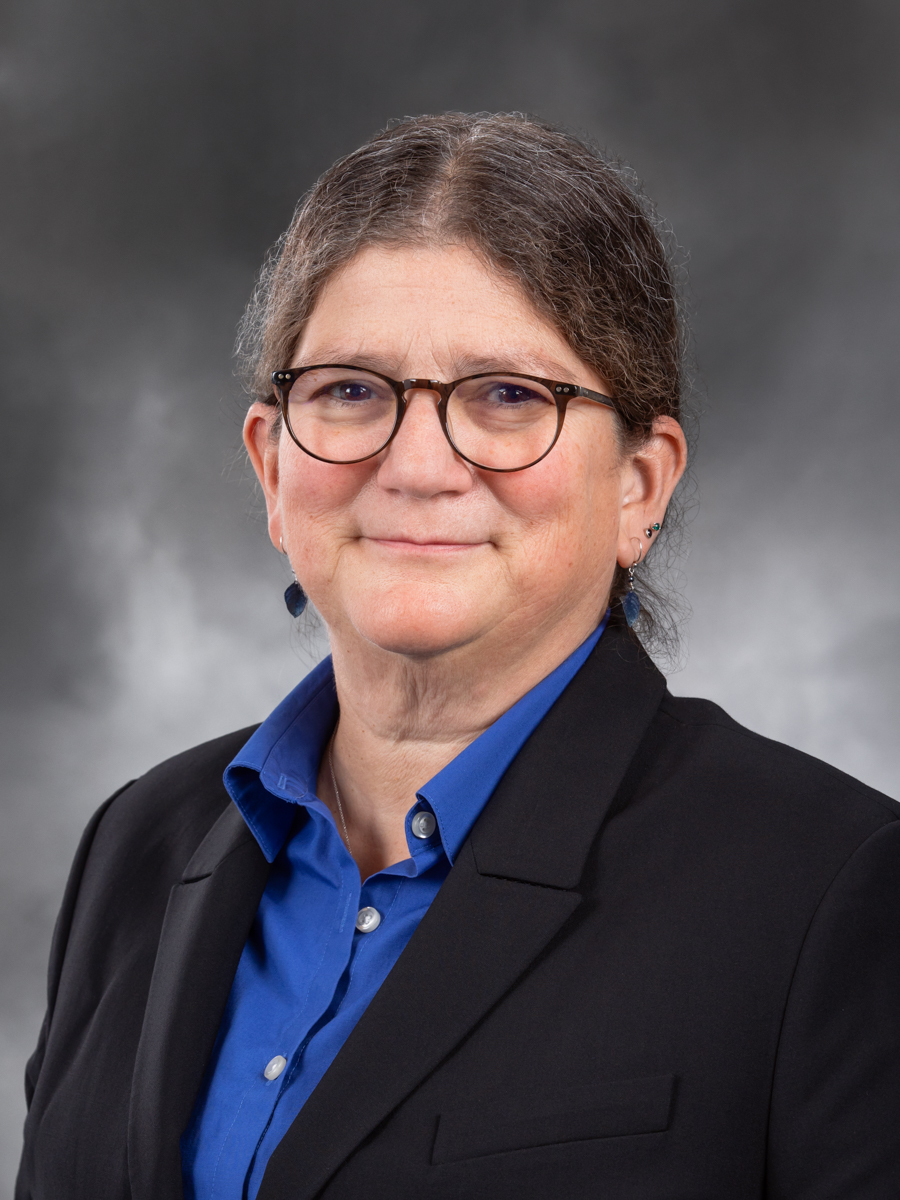
Photo of Lisa Parshley
D Washington House · District 22 On the 2026 ballot

Rep. Lisa Parshley

Compare
Total votes
1,201
all sessions
Attendance
100%
of floor votes
Higher than 88% of chamber peers
With party
99%
of cast votes
Near the chamber average
Bipartisan score
0%
crosses aisle rarely
Near the chamber average
Sponsored
657
bills & resolutions
Higher than 98% of chamber peers
Committees
4
assignments
657 bills and resolutions

Sponsored bills

Total
657
Primary
42
Co-sponsor
615
This page
657
matching current filters
Primary HB 1985
In committee · Washington House · Lead sponsor
Concerning the creation of animal services districts.

Maddy summaryHB 1985 allows cities and counties in Washington to create local animal services districts to provide sheltering, veterinary care, pet licensing, and enforcement of animal welfare laws. To establish a district, voters must approve it through a ballot measure, either via local government resolution or a petition signed by 15% of residents in the proposed area. If approved, the district becomes a local government entity governed by an elected board or appointed representatives from cities/counties, with borrowing limited to 0.25% of taxable property value. This directly affects residents in areas where districts are formed, as they would fund services through property taxes.

In committee Jan 12, 2026 0 co-sponsors
Co-sponsor HB 1425
In committee · Washington House · Co-sponsor
Requiring coverage of pharmacogenomic testing for psychotropic medications.

Maddy summaryHB 1425 requires Washington health insurance plans (including Medicaid) to cover genetic testing that helps match patients with effective mental health medications, starting January 1, 2026. Insurers cannot require prior authorization or force patients to try ineffective medications first. Coverage must include tests approved by the FDA or supported by clinical guidelines and research evidence. This applies specifically to psychotropic medications prescribed for conditions like depression, aiming to reduce the trial-and-error process that leaves many patients without relief.

In committee Jan 12, 2026 1 co-sponsor
Co-sponsor HB 1610
Passed · Washington House · Co-sponsor
Concerning the disclosure of critical energy infrastructure information.

Maddy summaryHB 1610 amends current law to make "critical energy infrastructure information" exempt from public disclosure requests. This means that state agencies will not release specific details about energy systems and assets through public records requests. The bill defines "critical energy infrastructure" as systems whose incapacity could threaten public health, safety, and welfare by disrupting energy supply. "Critical energy infrastructure information" includes records about actual or potential interference with these systems, going beyond general location or publicly available data.

Passed Jan 12, 2026 1 co-sponsor
Primary HB 1630
In committee · Washington House · Lead sponsor
Concerning livestock methane emissions.

Maddy summaryHB 1630 requires dairy farms and certified feed lots in Washington State to annually report their methane emissions starting January 1st following rule adoption. It directly affects licensed dairies (under chapter 15.36 RCW) and certified feed lots by mandating they submit annual reports detailing total methane emissions from the previous year. The bill allows initial reports to use a three-month average for estimation and directs the department to establish reporting rules and schedules. This legislation aims to fill a data gap in understanding livestock methane contributions to greenhouse gas emissions, without setting emission limits or requiring reductions.

In committee Jan 12, 2026 0 co-sponsors
Co-sponsor HB 2045
In committee · Washington House · Co-sponsor
Investing in Washington families by restructuring the business and occupation tax on high grossing businesses and financial institutions.

Maddy summaryHB 2045 creates a new 1% tax on businesses with over $250 million in annual revenue in Washington starting January 2026, targeting large corporations. It also increases the tax rate for financial institutions from 1.2% to 1.9% after July 2025. The bill exempts manufacturers, farmers, and certain income types from the new tax. These changes aim to fund K-12 education, public safety, health care, and basic needs programs, as stated in the legislative findings.

In committee Jan 12, 2026 1 co-sponsor
Co-sponsor HB 1751
In committee · Washington House · Co-sponsor
Establishing a sales and use tax exemption for required course materials at public institutions of higher education.

Maddy summaryHB 1751 exempts required course materials (like textbooks and digital resources) from Washington state sales and use taxes for students enrolled at public colleges and universities. It requires students to show valid enrollment proof at approved vendors (campus bookstores or institution-designated online sellers) to qualify for the exemption. Public institutions must inform students about this tax break via their websites and course syllabi. The bill directly affects all students at Washington’s public higher education institutions by reducing out-of-pocket costs for essential learning materials, which the legislature notes are increasingly unaffordable (65% of students skip buying textbooks due to cost).

In committee Jan 12, 2026 1 co-sponsor
Co-sponsor HB 1624
In committee · Washington House · Co-sponsor
Studying taxes and fees related to alcohol.

Maddy summaryHB 1624 directs Washington's Department of Revenue to study the state's current alcohol tax and fee system, focusing on taxes based on sales price, volume, or alcohol content. The study will analyze tax types, historical rates, 25 years of sales and revenue data (by product category), and comparisons with other states and countries on taxation methods. The report must be submitted to the legislature by December 31, 2025, and does not change existing tax policies. This study affects state agencies (Department of Revenue and Liquor Board) responsible for data collection and reporting.

In committee Jan 12, 2026 1 co-sponsor
Co-sponsor HB 1555
In committee · Washington House · Co-sponsor
Concerning nursing home payment rates.

Maddy summaryHB 1555 changes how Washington state pays nursing homes for services starting July 1, 2025. It replaces the current system with a new three-part payment structure: direct care (covering staffing and therapy), indirect care (administrative and maintenance costs), and capital (facility costs). Payment rates will be adjusted annually based on the most recent cost data, with specific caps limiting how much rates can increase compared to previous years (e.g., a 142% cap for 2025). The bill directly affects nursing home providers receiving state Medicaid payments across Washington, aiming to better align payments with actual operating costs while maintaining minimum staffing standards.

In committee Jan 12, 2026 1 co-sponsor
Co-sponsor HJM 4005
In committee · Washington House · Co-sponsor
Rescinding prior applications for a constitutional convention to propose amendments to the Constitution of the United States.

Maddy summaryWashington State's HJM 4005 formally cancels all previous state applications to Congress for a constitutional convention to propose amendments to the U.S. Constitution. It directly affects Washington's standing in the national process, removing its historical applications (dating to 1901, 1903, 1909, 1911, and 1963) from official records. The bill's key mechanism is a direct resolution stating the legislature "rescinds, repeals, cancels, nullifies, and supersedes" all prior applications, regardless of their scope or historical record. This is a procedural measure, not a policy change, aimed at ensuring future Washington legislatures must explicitly reapply if they wish to pursue a constitutional convention.

In committee Jan 12, 2026 1 co-sponsor
Co-sponsor HB 1808
In committee · Washington House · Co-sponsor
Creating an affordable homeownership revolving loan fund program.

Maddy summaryHB 1808 creates a state-funded revolving loan program to support permanently affordable homeownership for low-income households. The program provides loans (up to 50% of project costs) to nonprofit developers building housing that remains affordable for at least 99 years through long-term restrictions on resale and ownership. Loans carry interest rates between 1% and 2.5%, with repayments recycled into the fund to finance new projects. This directly affects low-income homebuyers (defined as households earning ≤80% of local median income) and nonprofit developers who build housing meeting specific affordability standards.

In committee Jan 12, 2026 1 co-sponsor
Showing 501 to 510 of 657 bills
Previous 1 … 50 51 52 … 66 Next