

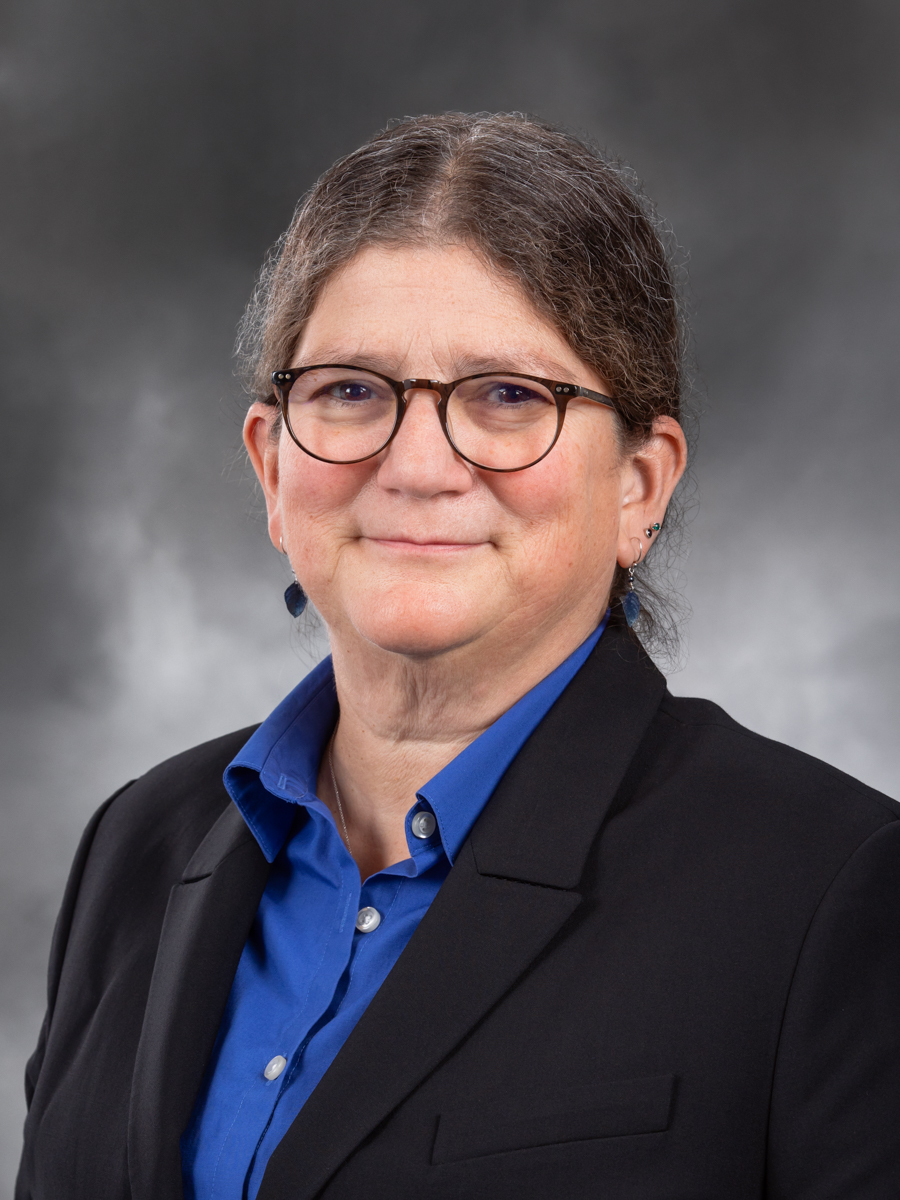
Photo of Lisa Parshley
D Washington House · District 22 On the 2026 ballot

Rep. Lisa Parshley

Compare
Total votes
1,201
all sessions
Attendance
100%
of floor votes
Higher than 88% of chamber peers
With party
99%
of cast votes
Near the chamber average
Bipartisan score
0%
crosses aisle rarely
Near the chamber average
Sponsored
657
bills & resolutions
Higher than 98% of chamber peers
Committees
4
assignments
657 bills and resolutions

Sponsored bills

Total
657
Primary
42
Co-sponsor
615
This page
657
matching current filters
Co-sponsor HB 2025
In committee · Washington House · Co-sponsor
Increasing the working families' tax credit to reflect the economic impact of property taxes incorporated into rental amounts charged to residential tenants.

Maddy summaryHB 2025 adds a new $300 annual tax credit for low-income renters in Washington who pay sales or use tax. Eligible residents must have rented their primary residence for at least 183 days during the year and meet existing credit requirements. The credit, effective starting in 2026, will be adjusted annually for inflation based on the Seattle consumer price index. This directly supports residential tenants whose rent includes property tax costs, expanding the existing working families' tax credit program.

In committee Jan 12, 2026 1 co-sponsor
Co-sponsor HB 1845
In committee · Washington House · Co-sponsor
Concerning payment standards for cash assistance programs.

Maddy summaryHB 1845 updates Washington State's payment standards for cash assistance programs, directly affecting recipients of Temporary Assistance for Needy Families (TANF), refugee assistance, and benefits under RCW 74.62.030. The bill requires the Department of Social and Health Services to base payment levels on actual living costs and national inflation indices, using an existing national standard as a baseline starting July 2022. It sets a minimum payment level of 16% of the need standard (or the previous year’s amount, whichever is higher) and limits annual increases to 3% for these programs. The bill also ensures Supplemental Security Income (SSI) state supplements meet federal minimum requirements.

In committee Jan 12, 2026 1 co-sponsor
Co-sponsor HB 1386
In committee · Washington House · Co-sponsor
Imposing a new tax on firearms, firearm parts, and ammunition.

Maddy summaryHB 1386 imposes an 11% sales tax on retail purchases of firearms, firearm parts, and ammunition in Washington State. This tax applies to all retail transactions except sales to state, local, or tribal governments for law enforcement use. Revenue from the tax must fund programs focused on suicide prevention, reducing firearm-related domestic violence, and supporting victims' services. The bill directly affects firearm retailers and individual purchasers, with no exemption for government agency purchases.

In committee Jan 12, 2026 1 co-sponsor
Co-sponsor HB 1792
In committee · Washington House · Co-sponsor
Consolidating regulatory authority for nursing assistants.

Maddy summaryHB 1792 consolidates Washington's nursing and practical nursing regulatory oversight into a single 17-member "Board of Nursing," replacing two separate boards. The bill revises membership requirements, reducing certified nursing assistant representatives from three to two, adding specific qualifications for faculty and direct-care nurses, and clarifying that board members must be Washington residents. This change directly affects the governance structure of nursing regulation, streamlining oversight for nursing assistants (who are certified under Chapter 18.88A RCW) and other nursing professionals. The bill does not alter certification standards for nursing assistants but reorganizes the board responsible for administering those standards.

In committee Jan 12, 2026 1 co-sponsor
Co-sponsor HB 1790
In committee · Washington House · Co-sponsor
Increasing defined benefit accrual for specified years of service in the state retirement systems.

Maddy summaryHB 1790 increases retirement benefits for Washington state employees in multiple retirement systems (including those for public employees, teachers, and law enforcement). It adds an extra 0.5% of an employee's average final salary per year for service beyond 30 years, effective for future service. This applies specifically to employees who reach 30+ years of service after the bill takes effect. The change modifies existing retirement formulas in statutes covering various state retirement plans (RCW 41.32.760, 41.32.840, 41.35.400, 41.35.620, 41.40.620, and 41.40.790).

In committee Jan 12, 2026 1 co-sponsor
Co-sponsor HB 2013
In committee · Washington House · Co-sponsor
Concerning temporary authorizations for liquor licensees in fan zones or host cities.

Maddy summaryHB 2013 allows liquor licensees (like restaurants, breweries, and wineries) in cities designated as "fan zones" or "host cities" for international sports events in 2026 to temporarily expand alcohol service during June and July 2026. It permits shared alcohol service areas across multiple licensees within a two-square block or two one-block zones, requiring joint safety plans covering age checks, staff ratios, and container rules to distinguish alcoholic from non-alcoholic drinks. Licensees must coordinate with the Liquor and Cannabis Board for approval, bypass local permits for public space use, and comply with strict operational requirements during events. The authorization expires August 1, 2026, and applies only to designated event areas for specific international competitions.

In committee Jan 12, 2026 1 co-sponsor
Co-sponsor HB 1749
In committee · Washington House · Co-sponsor
Ensuring consideration of climate change, carbon sequestration, environmental health disparities, and treaty-protected and cultural resources in the state environmental policy act.

Maddy summaryHB 1749 requires Washington state agencies to consider four new factors in environmental reviews: climate change impacts (including life-cycle greenhouse gas emissions), carbon sequestration in forests and soils, tribal treaty-protected resources and access, and pollution exposure in overburdened communities. For example, agencies must assess if a timber sale harms mature forest carbon storage or if a project disproportionately increases pollution in vulnerable neighborhoods. The bill mandates updates to the state environmental policy checklist to ensure these considerations are integrated into all project reviews, including timber sales and development permits. It directly affects state agencies like the Department of Natural Resources and local governments conducting environmental reviews.

In committee Jan 12, 2026 1 co-sponsor
Primary HB 1546
Passed · Washington House · Lead sponsor
Concerning general supervision of diagnostic radiologic technologists, therapeutic radiologic technologists, and magnetic resonance imaging technologists by licensed physicians.

Maddy summaryHouse Bill 1546 changes the supervision rules for diagnostic, therapeutic, and magnetic resonance imaging technologists in Washington State. It allows these technologists to perform intravenous contrast procedures under "general supervision" by a licensed physician, rather than requiring "direct supervision." Under general supervision, the physician does not need to be physically present, but a qualified healthcare provider trained to manage adverse events must be on-site at the facility. The bill also permits remote general supervision using real-time audio and visual telecommunications, provided all relevant laws and policies are followed and the physician remains available.

Passed Jan 12, 2026 0 co-sponsors
Co-sponsor HB 1887
In committee · Washington House · Co-sponsor
Creating a data broker registry for the purpose of imposing a data broker severance tax.

Maddy summaryHB 1887 requires data brokers - businesses that collect, aggregate, and sell Washington residents' personal information without consent - to register annually with the Department of Licensing starting in 2026. It defines "brokered personal data" broadly (including names, addresses, biometric details, and social security numbers) and exempts consumer reporting agencies, financial institutions under federal law, and services providing public business info or health/safety alerts. Data brokers must submit basic contact details and pay an annual registration fee, with the revenue intended to fund state programs. The bill aims to create transparency about this industry while generating state revenue from a growing business model.

In committee Jan 12, 2026 1 co-sponsor
Co-sponsor HB 1756
In committee · Washington House · Co-sponsor
Concerning lead in cookware.

Maddy summaryHB 1756 sets a limit of 5 parts per million for lead in cookware and cookware components that touch food, effective January 1, 2026. It applies to manufacturers, retailers, and wholesalers selling cookware in Washington, prohibiting products exceeding this lead level. The law exempts secondhand sales (like casual or nonprofit transactions) and includes definitions for terms like "cookware" (e.g., pots, pans, utensils) and "vulnerable populations." After 2034, the Department of Ecology may lower the limit if feasible and necessary for health protection. This directly affects cookware producers and sellers while prioritizing safety for consumers, especially those in vulnerable groups.

In committee Jan 12, 2026 1 co-sponsor
Showing 361 to 370 of 657 bills
Previous 1 … 36 37 38 … 66 Next