

Maddy summaryHB 2502 removes sales tax exemptions for certain products and services that currently only exclude state sales tax but not local sales tax. This change will increase revenue for local governments (cities and counties) by requiring these items to pay both state and local sales taxes. The bill specifically targets exemptions listed in the tax code that previously allowed businesses to avoid paying local taxes on qualifying purchases. As a result, local governments will gain additional funding to support essential services like roads, public safety, and community programs.
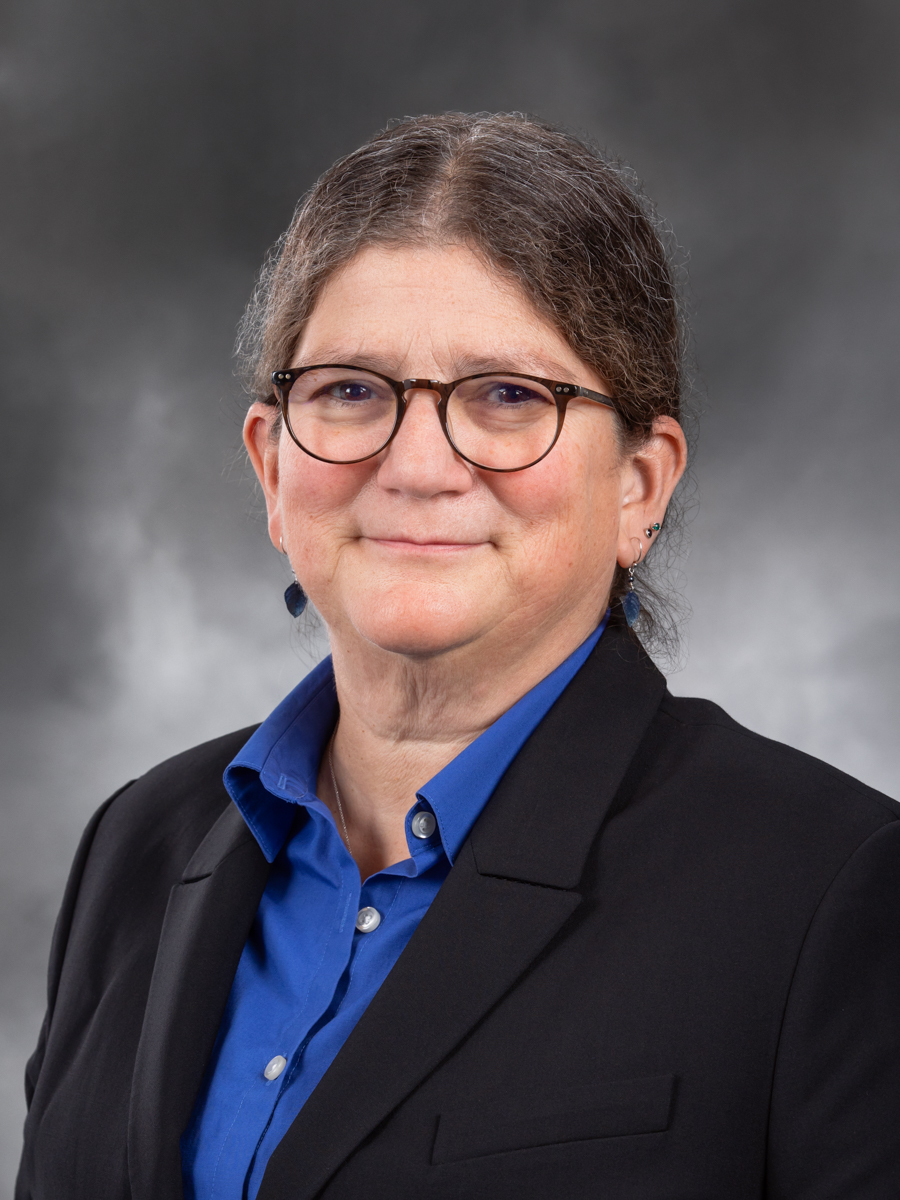
Rep. Lisa Parshley
Sponsored bills
Maddy summaryHB 2494 updates Washington’s asbestos worker and supervisor certification requirements under RCW 49.26.110. It mandates that certified asbestos workers complete a four-day training course and supervisors a five-day course, both approved by the Department of Labor & Industries (L&I). The bill explicitly limits L&I’s rulemaking authority to adopting rules only "specifically required" to meet federal standards for asbestos work, preventing stricter state rules than federal law. This directly affects asbestos workers, supervisors, and contractors needing certification for state-regulated asbestos removal or encapsulation projects.
Maddy summaryHB 2518 prohibits vehicle manufacturers from discriminating against dealers in pricing, allocation, or service fees. It bans practices like charging different prices for identical vehicles or parts to different dealers, using unfair promotion plans, or preventing dealers from requesting service fees on certain programs. The law also restricts manufacturers from competing with dealers by owning or operating dealerships, except in limited cases like temporary transitions (up to 2 years), diversity partnerships with capital investment requirements, or heavy-truck dealerships. This bill directly affects Washington-based vehicle manufacturers and their new vehicle dealers by requiring fair treatment under state law.
Maddy summaryHB 2509 streamlines the review process for electrical transmission facility applications by the Energy Facility Site Evaluation Council. It requires the council to include members with specific expertise in environmental regulations, energy infrastructure, and tribal consultation, and mandates that at least one member be a licensed Washington attorney. The bill changes hearing requirements from public hearings to adjudicative reviews focused solely on defined environmental and land-use impacts, while establishing clear decision criteria for approvals. It also includes special provisions for wind energy projects, allowing limited site preparation and construction under existing certifications without requiring new council approval for minor expansions. This bill directly affects energy developers seeking transmission facility permits and the council’s operational procedures.
Maddy summaryWashington State's HJM 4010 is a formal request to the U.S. government to investigate the killing of Aysenur Ezgi Eygi, a University of Washington psychology graduate and Seattle resident. The memorial, addressed to President Trump, the Secretary of State, and the Department of Justice, asks for a "transparent, thorough, and independent investigation" into her death by an Israeli military sniper in the West Bank on September 6, 2024. It specifically cites her peaceful activism, including organizing protests for Palestinian rights and supporting displaced communities, and draws parallels to the unresolved death of another Washingtonian, Rachel Corrie. As a non-binding memorial resolution, it does not create new law but formally urges federal action. The request is directed at U.S. executive and legislative branches to pursue accountability for Eygi's death.
Maddy summaryHB 2160 amends eligibility rules for school employees' health benefits in Washington State, requiring employees to work at least 630 hours during their first school year to qualify for benefits in their second year. It also ends the "Smart Health" wellness program for new participants starting January 1, 2028, while allowing employees who met eligibility by December 2027 to receive wellness incentives in 2028. The bill affects school employees and their dependents by setting minimum work-hour thresholds and updating coverage rules for family plans. These changes update existing benefits program criteria under Washington law to standardize eligibility and phase out specific wellness incentives.
Maddy summaryHB 1608 bans the sale, possession, transport, or distribution of farmed octopus in Washington State, targeting commercial aquaculture operations. The bill directly affects businesses and individuals involved in octopus farming, as it prohibits these activities under new provisions in Title 19 RCW. Key mechanisms include a civil penalty of up to $1,000 per violation for noncompliance, enforceable by the attorney general. The legislation is based on the legislature’s findings that octopuses are highly intelligent, sentient creatures requiring protection from farming practices. It expands existing 2024 restrictions on octopus aquaculture by eliminating the commercial market for farmed octopus.
Maddy summaryWashington State's HJM 4011 is a joint memorial requesting Congress to call a constitutional convention under Article V of the U.S. Constitution. It seeks to propose an amendment addressing concerns about campaign finance influence, specifically following the *Citizens United* Supreme Court decision (2010), which removed limits on independent political spending. The memorial asks Congress to convene the convention once two-thirds of states have similarly applied, and specifies that Washington’s delegates should be selected from state/local officeholders (not current/federal officials). This is a procedural request, not a policy change, aimed at initiating a state-led effort to amend the Constitution.
Maddy summaryHB 2469 establishes a task force to study whether Washington should create a state-owned public bank modeled after North Dakota's bank. The task force, appointed by the state treasurer, includes representatives from community banks, credit unions, agriculture, mining, logging, transportation, and commercial construction industries. It will examine legal barriers, potential benefits like funding infrastructure and disaster supplies, capital needs, and governance over one year, with a report due to the legislature by December 2026. The bill does not create the bank but seeks to determine its feasibility as a potential tool for state economic development.
Maddy summaryHB 2201 requires Washington counties to designate specific "urban growth areas" where development is encouraged, directly affecting cities, counties, and tribal nations coordinating on planning. It mandates counties to plan for projected population growth over 20 years within these areas, ensuring sufficient land for housing, businesses, and services while prioritizing development in existing urban zones first. The bill also establishes rules for resolving disputes between counties and cities over growth area boundaries and limits extending urban services to rural areas unless necessary for health, safety, or environmental protection. This update standardizes planning requirements across local governments under state law.