

Maddy summaryHB 2579 establishes two new state-funded programs to expand public media access and digital equity in Washington. It creates a public media broadcaster program prioritizing community-based, noncommercial radio/TV stations that provide public safety information and arts access, with 85% of funds going to larger organizations ($1M+ budget) and 15% to smaller rural or hyper-local broadcasters. The digital equity program funds resource coordinators and multimedia trainers at community anchor institutions (like libraries and schools) to improve internet access, online safety training, and multilingual resources for underserved communities. Both programs require annual reporting and mandate that all funding be spent within Washington.
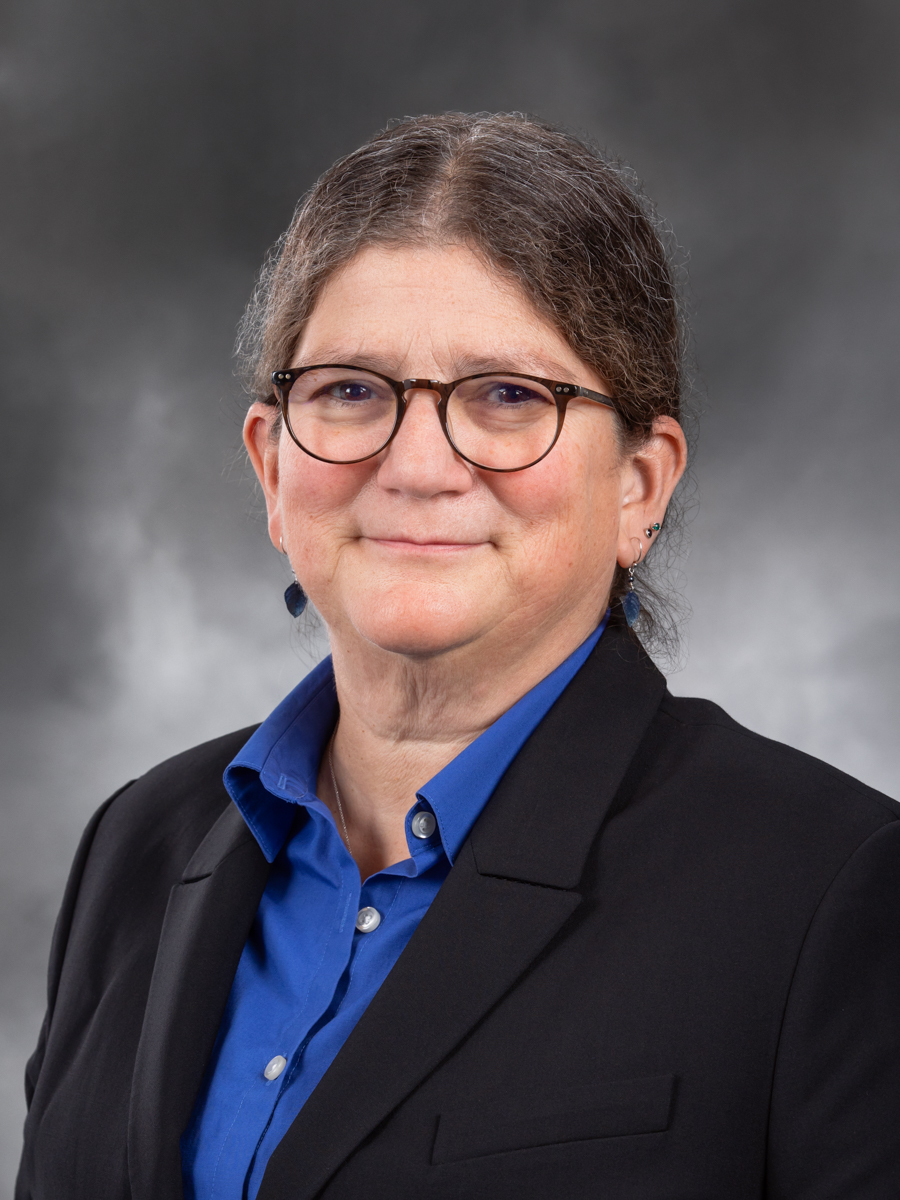
Rep. Lisa Parshley
Sponsored bills
Maddy summaryHB 2709 adds "Diwali and Bandi Chhor Divas" to Washington State's list of recognized observances, specifically naming the new moon day of the Hindu lunisolar month of Kartik (which shifts annually) as a day to be acknowledged. The bill does not create a paid holiday or alter existing leave policies; it simply adds this date to Section 7(w) of RCW 1.16.050, which lists non-holiday observances like Juneteenth or Korean American Day. This recognition applies to state employees and institutions but does not provide paid time off or change the calendar of legal holidays. The bill focuses solely on ceremonial acknowledgment, consistent with other non-holiday observances already listed in the statute.
Maddy summaryHB 1571 removes specific time limits and exposure conditions for presuming heart problems as occupational diseases among firefighters and law enforcement officers. It amends Washington’s law (RCW 51.32.185) to eliminate requirements that heart issues must occur within 72 hours of smoke exposure or 24 hours of strenuous exertion during work. This change directly affects firefighters and law enforcement officers who develop heart conditions, simplifying their path to claim benefits under workers’ compensation. The bill updates the statutory presumption to apply without these prior qualifiers, aligning with broader occupational disease protections for these professions.
Maddy summaryHB 2018 gradually increases a tax on solid waste services from 3.6% to 6.1% over five years (starting in 2026), with the additional revenue (above 3.6%) directed into a new Local Government Solid Waste Assistance Account. This account funds eligible counties and cities to implement their solid waste management plans, as required by state law. Funds are distributed equally to all counties (50%) and proportionally based on population to cities (50%). The bill directly affects residents paying solid waste fees and local governments receiving funding for waste management programs.
Maddy summaryHB 2038 creates a "youth behavioral health account" funded by a 0.4% tax on the gross income of social media platforms operating in Washington, starting January 2026. The tax applies to platforms defined as services allowing social interaction (like Facebook or TikTok), excluding email, gaming, or review sites. Funds will support telebehavioral health services for school-aged youth, a state coordinator for youth behavioral health, and implementation of a statewide strategic plan for prenatal through age 25 care. The bill explicitly states the tax does not apply to 501(c)(3) non-profits.
Maddy summaryHB 1607 establishes a statewide recycling refund program for glass, plastic, and metal beverage containers in Washington. Under this program, consumers pay a deposit, referred to as an "applicable refund value," when purchasing covered beverages. They can then return the empty containers to designated express or full-service redemption sites to receive their refund back. The bill implements an extended producer responsibility framework, making brand owners responsible for compliance, with the goal of increasing recycling rates, reducing litter, and supporting a circular economy.
Maddy summaryHB 2217 creates a rehabilitative pathway for individuals in Washington state charged with certain non-violent, non-sex felony offenses who have no prior felony convictions. Eligible defendants may request a court to defer conviction and sentencing for up to one year, during which they must comply with conditions like community service or treatment. If they successfully complete the deferral period, the charges are dismissed; if not, they face sentencing for the original offense. The bill excludes violent offenses, most drug crimes, and certain DUI charges from eligibility.
Maddy summaryHB 2578 adds four tribal representatives to Washington's Fish and Wildlife Commission, increasing its total membership from nine to 13. Specifically, it requires the governor to appoint two tribal chairs (one from tribes east of the Cascades, one from tribes west of the Cascades) and two tribal council members as alternates for each region, all serving four-year terms. These tribal members must be elected tribal leaders whose traditional lands are in Washington and will represent all federally recognized tribes in the state. The bill amends commission composition rules in RCW 77.04.030 to formalize this tribal representation, ensuring tribal perspectives are included in fish and wildlife management decisions.
Maddy summaryHB 2455 creates a two-year housing assistance pilot program for up to 50 youth in Washington's extended foster care system who are homeless or at imminent risk of homelessness. The program provides rental assistance covering up to 24 months (until age 21), with participants paying no more than 30% of their income toward rent, based on local fair market rent. It requires the Department of Children, Youth, and Families to conduct transition planning for youth turning 21 and mandates a 2029 report detailing program outcomes, participant demographics, and costs by county. The bill directly affects youth aged 18-21 in extended foster care who face housing instability while navigating federal housing programs.
Maddy summaryHB 2697 expands eligibility for a property tax break that helps owners maintain historic properties by allowing two additional 7-year extensions (totaling 24 years) for properties in cities under 20,000 population, removing the prior requirement for "distressed area" designation. It requires owners to apply 90 days before expiration for extensions, which local review boards may approve or deny at their discretion. The bill directly affects owners of qualifying historic properties in smaller cities, aiming to promote revitalization of historic districts. Extensions cannot be granted after January 1, 2057, and the tax break ends with the property's cost considered as new construction upon termination.