

Maddy summaryHB 1058 creates tax credits for eligible railroads to fund infrastructure improvements. It directly affects small regional railroads (class II/III), public entities like ports/cities, and industrial property owners with rail spurs in Washington. The bill provides a 50% tax credit on qualified expenses for maintenance, new rail development, or modernization projects (e.g., track upgrades, bridges, safety equipment), with annual limits of $500,000 per taxpayer and a total $8 million statewide cap. Credits can be carried forward for up to five years or transferred to other eligible taxpayers.
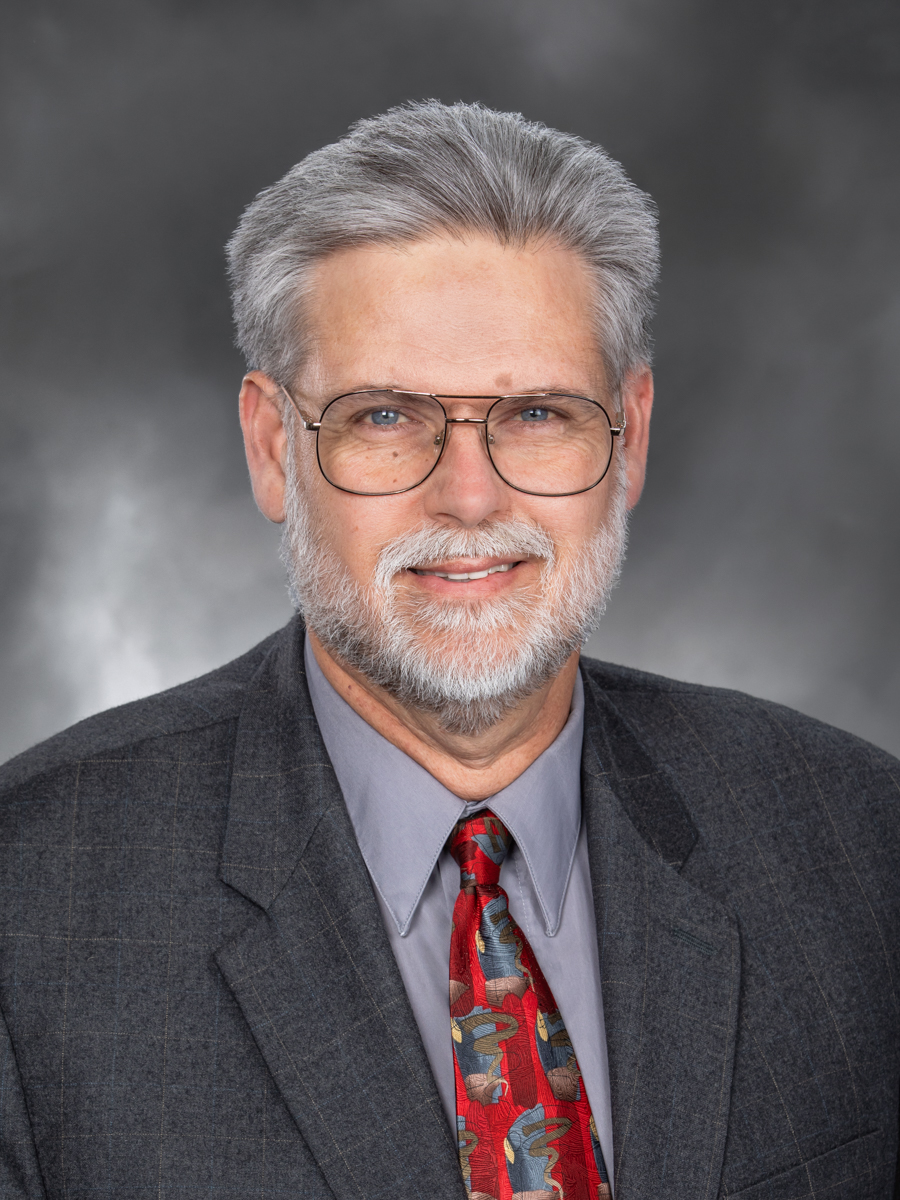
Rep. Ed Orcutt
Sponsored bills
Maddy summaryHB 1699 (Defending equity in interscholastic sports) requires Washington public school districts to verify a student’s biological sex through a healthcare provider’s statement (based on reproductive anatomy, genetics, or testosterone levels) before allowing biologically male students to participate in female-identified sports. It permits schools to prohibit biologically male students from competing in sports with separate male/female classifications, while mandating equal resources (equipment, facilities, coaching, etc.) for all gender-segregated teams. The bill amends existing laws (RCW 28A.600.200 and 28A.640.020) to align with these provisions and requires the superintendent to develop guidelines eliminating sex discrimination in school activities. It directly affects public school students, athletic programs, and district policies governing interscholastic sports participation.
Maddy summaryHB 1998 clarifies which investment income businesses can deduct when calculating Washington state's business and occupation tax. It specifically allows deductions for income from investments like stocks, bonds, and interest between related entities (if under 5% of gross receipts), while excluding income from banking, lending, factoring, or credit extensions. The bill defines key terms like "banking business" and "investment" to resolve recent legal uncertainty after a court case created confusion about deductible income. It applies retroactively to past tax years but does not create new refund rights for taxes already paid.
Maddy summaryHB 1370 adds "Mount St. Helens" as a special license plate option for Washington vehicle owners. The plate would display an image of Mount St. Helens and carry a $40 initial fee plus a $30 annual renewal fee, consistent with other specialty plates. This bill amends existing state code to include the Mount St. Helens design in the official list of approved special license plates, allowing drivers to display it on their vehicles as a voluntary choice. It directly affects Washington residents who choose to purchase this specific plate type.
Maddy summaryThis bill removes excise taxes on unleaded aircraft fuel (defined as 100 octane fuel without lead) for both businesses and consumers who use it. It directly affects aircraft fuel dealers, distributors, and aviation operators (including air carriers and local service commuters) who purchase or use this specific fuel. Key provisions amend tax codes to exempt unleaded aircraft fuel from excise taxes under RCW 82.42.030 and create new exemptions in chapters 82.08 and 82.12. The tax exemptions expire on January 1, 2032, and apply only to commercially available unleaded fuel meeting the defined standard.
Maddy summaryHB 1373 allows rural counties in Washington to impose a 0.01% local sales tax, which is fully deducted from the state sales tax they would otherwise pay. The funds collected must be used solely to administer senior citizens programs established under state law (RCW 36.39.060). This applies only to counties defined as "rural" (population density under 100 people per square mile or smaller than 225 square miles), with the state handling tax collection at no cost to the county. The bill takes effect July 1, 2025.
Maddy summaryHB 1285 establishes financial education instruction as a graduation requirement for public high school students in Washington state. Beginning in the 2027-28 school year, all high schools must provide instruction in the state financial education learning standards. Starting with the graduating class of 2031, students will be required to meet these standards to graduate. The bill also tasks the Office of the Superintendent of Public Instruction with making instructional materials available and outlines monitoring responsibilities for the State Board of Education.
Maddy summaryHB 1117 repeals Washington State's adoption of California's motor vehicle emissions standards, which had caused registration barriers for vehicles meeting federal standards. The bill directly affects vehicle owners who previously needed 407,541 exemptions to register their vehicles and government agencies managing registrations. Key provisions require the Department of Licensing to register previously prohibited vehicles (if they meet state requirements) and direct the Department of Ecology to repeal all rules implementing California standards. This eliminates administrative burdens on both the public and government, allowing vehicles to be registered without exemptions under federal standards. The bill takes immediate effect as an emergency measure.
Maddy summaryHB 1366 allows owners of military surplus vehicles (like decommissioned military trucks) to operate them on Washington public highways for specific purposes, including parades, veterans' events, car club activities, and exhibitions. The bill requires these vehicles to pass a safety inspection verifying original or equivalent safety equipment (headlamps, brakes, seat belts, etc.), carry liability insurance meeting minimum standards, and not be used for daily commuting. Owners must obtain a special collector license plate and comply with restrictions limiting use to occasional event participation. This modifies existing vehicle laws to create a defined exception for military surplus vehicles while maintaining safety and insurance requirements.
Maddy summaryHB 1369 creates a new "Working forests" special license plate for Washington vehicle owners. The plate requires a $40 initial registration fee and a $30 annual renewal fee. Revenue from these fees will directly support working forests in the state, as specified by the bill's title and description. The plate will display an image representing working forests and is available for purchase by any vehicle owner who chooses to contribute.