

Maddy summaryHB 2716 restores a tax credit for electric and gas utilities that provide low-income energy assistance, directly affecting these utilities and the low-income households they serve through energy assistance programs. Utilities can claim a 50% tax credit on qualifying contributions (money given to low-income energy assistance programs) and billing discounts (reduced bills for eligible customers) if their spending exceeds 125% of their 2000 levels. The credit is capped at $2.5 million statewide annually, requires annual applications with specific documentation, and expires unused. The bill aims to support existing low-income energy assistance programs by incentivizing utility contributions.
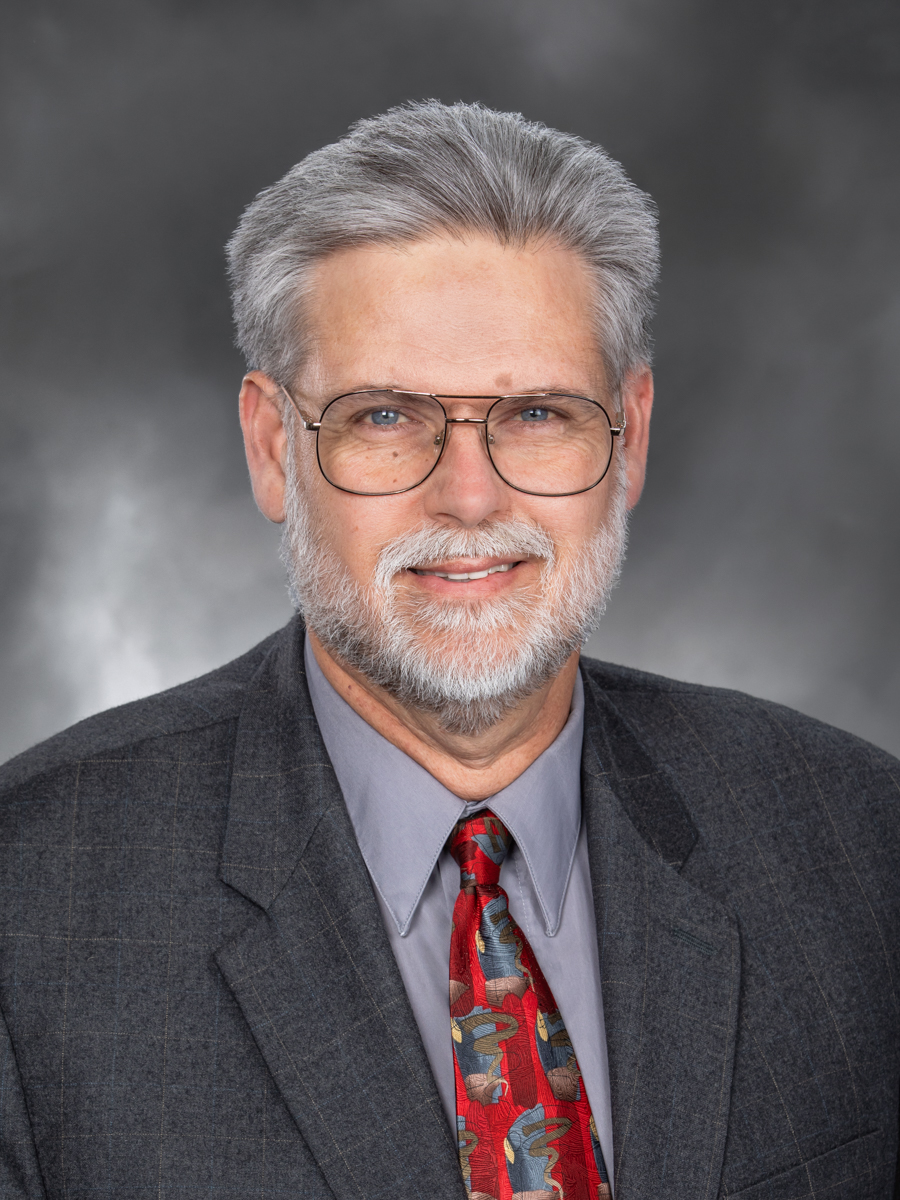
Rep. Ed Orcutt
Sponsored bills
Maddy summaryHB 2710 requires Washington's Department of Transportation to obtain approval from a joint Oregon-Washington legislative committee before entering new contracts or modifying existing ones for the Interstate 5 bridge replacement project over the Columbia River. This committee, composed of 16 members (8 from each state's legislature), must review and approve all contract changes affecting the project. The bill establishes the committee's structure, requiring it to hold public meetings, coordinate with transportation agencies, and report progress to both legislatures by 2022. It directly affects Washington's DOT, contractors, and the collaborative decision-making process for the bridge project. The bill does not change project design or funding but mandates this joint approval step for contractual agreements.
Maddy summaryHB 1364 increases the annual gross revenue threshold for charitable and nonprofit organizations from $5,000 to $15,000 for conducting unlicensed bingo, raffles, and amusement games. This change allows these organizations to generate more revenue from fundraising activities without requiring a state license or paying local taxes on the first $15,000 of revenue. The bill updates related tax exemptions in Washington state law (RCW 9.46.110) to align with the new threshold. It directly affects nonprofits that use these games as a primary fundraising method, providing greater flexibility while maintaining existing operational requirements like member-only participation and record-keeping.
Maddy summaryHouse Resolution 4675, adopted on January 28, 2026, is a ceremonial resolution expressing the Washington State House of Representatives' gratitude to the Washington National Guard for their service. It specifically acknowledges the Guard's roles in emergency response (including flood operations and search-and-rescue missions), disaster recovery efforts (like adapting from the Oso landslide), and national defense support (such as aerial refueling capabilities). The resolution directs copies to the Adjutant General, Governor, and other officials but does not create new laws or alter policies. It directly honors National Guard members, their families, and employers without imposing any financial or operational requirements.
Maddy summaryHB 2669 requires a detailed performance audit of Washington's I-5 bridge replacement project over the Columbia River by December 1, 2027. The audit will examine how project funds were spent (including contractor payments that increased sixfold without added work), financial reporting compliance, traffic and revenue forecasts, and whether the design effectively reduces congestion. It specifically compares the project to other major bridges like Baltimore's Key Bridge and the Brent Spence Bridge. The Washington State Department of Transportation (WSDOT) must provide documentation, and the audit report will be submitted to the legislature by the deadline. The bill expires December 31, 2027.
Maddy summaryHJM 4013 is a joint memorial urging Governor Ferguson to opt Washington state into a federal tax-credit scholarship program for K-12 education. It would direct approximately $732 million annually in unused federal funds to Washington students from working-class and middle-class families (household income ≤300% of area median income) through tax credits for donors. The program requires no state funding, imposes no budget obligation, and mandates scholarship organizations to spend at least 90% of funds on student expenses like tutoring and technology while meeting strict federal accountability standards. Failure to opt in would prevent Washington families from accessing these federal resources, which would instead benefit students in states that have joined the program.
Maddy summaryHB 2627 streamlines the repair and maintenance of Washington's aging highway infrastructure, particularly bridges that are over 80 years old, structurally deficient, or rated in fair or poor condition. It exempts certain bridge repairs from standard regulatory requirements if done within the existing right-of-way or outside it for engineering/environmental needs without adding lanes, and allows the state Department of Transportation and local governments to use expedited contracting for emergency repairs without public bidding. The bill also requires contracts over $700,000 to be reviewed by the Office of Financial Management and mandates prequalification for contractors. This aims to prevent highway closures that disrupt community access to essential services like medical care and food.
Maddy summaryHB 2628 requires the state budget outlook work group to update Washington's official budget outlook quarterly to reflect the most recent revenue forecasts, in addition to annual updates in January (based on the governor's proposed budget) and November (to account for fiscal year adjustments). The bill mandates that these updates include detailed projections of state revenues and expenditures, key budget drivers, and clear explanations of the assumptions used. It directly affects the budget work group and all state agencies responsible for providing budget data. This ensures the legislature and governor have current, accurate budget information for decision-making.
Maddy summaryThis is a ceremonial House resolution (not a policy bill) introduced on January 19, 2026, by multiple Washington State Representatives. It formally recognizes Dr. Martin Luther King Jr.'s life, legacy of nonviolent activism, and contributions to civil rights, including his role in the Civil Rights Act of 1964 and Voting Rights Act of 1965. The resolution expresses the House's commitment to upholding Dr. King's ideals of equality, justice, and opportunity for all. As a symbolic gesture, it does not create new laws, allocate funds, or affect any specific individuals or groups.
Maddy summaryHB 2461 establishes a Washington state commission on boys and men to address systemic challenges they face in areas like education, health, workforce participation, and justice system involvement. The commission will collect data, analyze disparities (such as higher rates of homelessness or suicide), and develop evidence-based recommendations for policy changes. It will consist of 15 appointed members who must focus on six key areas, including mental health, fatherhood, and reducing overrepresentation in justice systems, and will submit biennial reports to the legislature. The bill directly affects boys, male youth, and men across Washington state by creating a formal mechanism to study and address their specific needs through data-driven policy analysis.