

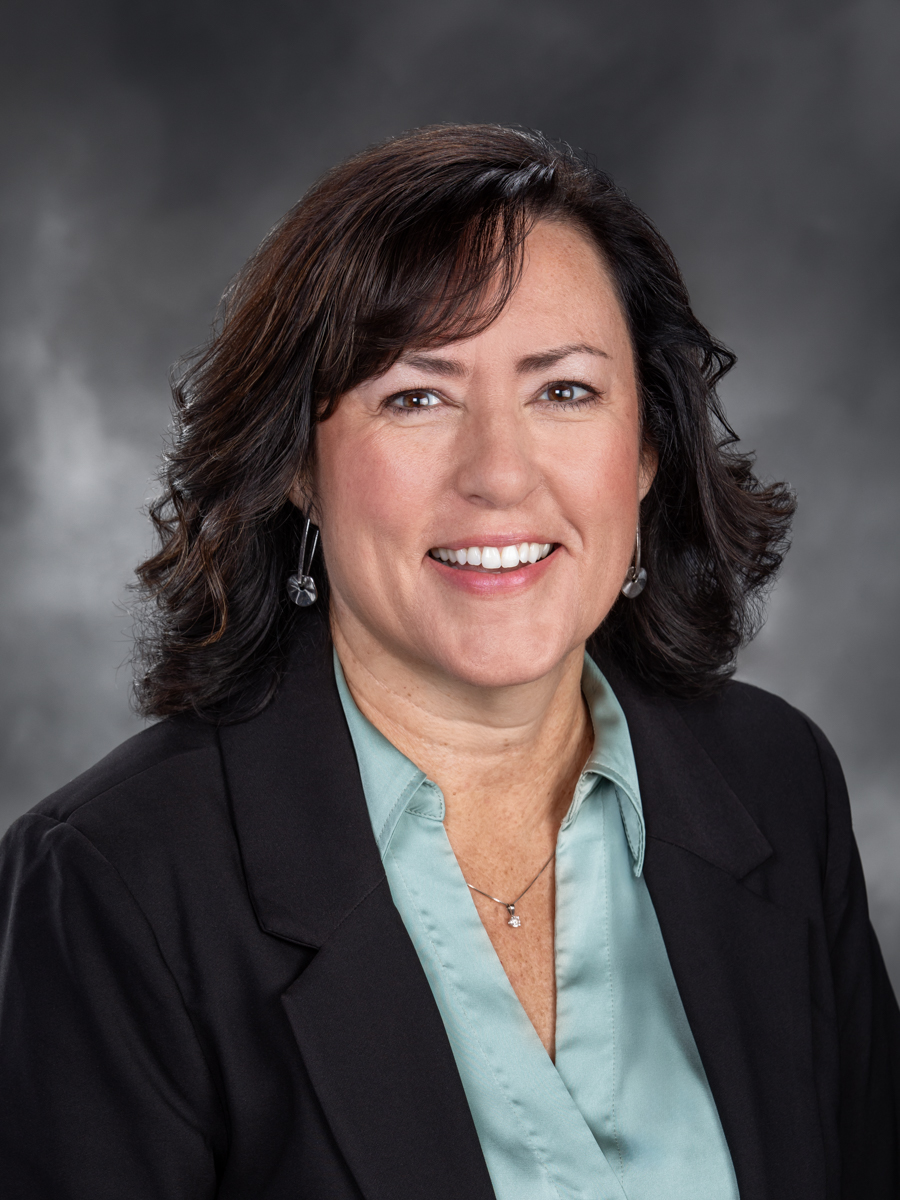
Photo of Stephanie McClintock
R Washington House · District 18 On the 2026 ballot

Rep. Stephanie McClintock

Compare
Total votes
2,532
all sessions
Attendance
99%
24 missed
Higher than 93% of chamber peers
With party
95%
of cast votes
Near the chamber average
Bipartisan score
2%
crosses aisle rarely
Near the chamber average
Sponsored
180
bills & resolutions
Lower than 79% of chamber peers
Committees
4
assignments
180 bills and resolutions

Sponsored bills

Total
180
Primary
33
Co-sponsor
147
This page
180
matching current filters
Co-sponsor HB 2335
In committee · Washington House · Co-sponsor
Repealing the business and occupation tax increases enacted in 2025.

Maddy summaryHB 2335 would repeal tax increases on businesses enacted in 2025, specifically targeting provisions from 2025 Chapter 420. It removes a surcharge on businesses with over $250 million in taxable income (RCW 82.04.288) and eliminates an "Advanced Computing Surcharge," along with 13 other tax provisions from the 2025 law. These changes would directly affect high-grossing businesses and financial institutions subject to the repealed tax rates. The bill takes effect April 1, 2026, reversing specific tax increases implemented by the 2025 legislature.

In committee Jan 12, 2026 1 co-sponsor
Co-sponsor HB 2180
In committee · Washington House · Co-sponsor
Concerning coaches of youth sports organizations.

Maddy summaryThis bill amends Washington state laws related to child abuse and neglect definitions and procedures, though it is titled "Concerning coaches of youth sports organizations." The legislation updates legal definitions for terms like "child," "child protective services," and "family assessment response" to clarify how child welfare cases are handled. It establishes specific criteria for determining when a child is at risk of entering foster care and outlines protocols for child forensic interviews conducted in supportive environments like children's advocacy centers. The bill aims to improve consistency in how child abuse reports are investigated and responded to by state agencies, without changing the core requirement for youth sports coaches to undergo background checks.

In committee Jan 12, 2026 1 co-sponsor
Primary HB 2208
In committee · Washington House · Lead sponsor
Exempting health care continuing education classes from retail sales and use tax.

Maddy summaryHB 2208 exempts health care continuing education courses from Washington State's retail sales and use tax. This bill directly affects licensed health professionals (such as nurses, doctors, and therapists) who must complete these courses to maintain their licenses. The key mechanism removes the tax on these required courses, reducing costs for professionals who otherwise face increased expenses under the state's new service tax. The exemption aims to address workforce shortages by making professional development more affordable and accessible, particularly in rural and underserved communities.

In committee Jan 12, 2026 0 co-sponsors
Co-sponsor HB 2121
In committee · Washington House · Co-sponsor
Exempting nonprofits and schools from certain sales and use taxes on services.

Maddy summaryHB 2121 exempts nonprofits and schools from paying state sales and use taxes on specific services they purchase, such as repairs, cleaning, installation, and maintenance. The bill amends Washington's tax code (RCW 82.04.050) to clarify that these entities are not subject to tax on qualifying services used for their operations. This directly affects organizations like schools, charities, and community groups that previously paid tax on services like building repairs or landscaping. The policy change creates a clear exemption by updating tax definitions to exclude these services for eligible nonprofits and schools.

In committee Jan 12, 2026 1 co-sponsor
Co-sponsor HB 2126
In committee · Washington House · Co-sponsor
Providing an exemption for taxes on fuel used in school buses.

Maddy summaryHB 2126 would exempt school districts in Washington state from paying taxes on fuel used in school buses. The bill amends state tax codes to specifically add school buses (operated per education laws) to the list of exempt fuel uses, directly affecting public school districts. This change would reduce operating costs for schools by eliminating a tax on fuel for all school bus operations within the state.

In committee Jan 12, 2026 1 co-sponsor
Co-sponsor HB 2167
In committee · Washington House · Co-sponsor
Keeping the legislature's promises by reducing the sales tax in the event of an income tax or a tax on individual earnings.

Maddy summaryHB 2167 would automatically reduce Washington’s state sales tax rate if the legislature ever passes an income tax or tax on individual earnings. Specifically, the bill requires the Department of Revenue to lower the sales tax rate by an amount matching the projected revenue increase from such a new tax. This measure directly affects all Washington residents and businesses that pay sales tax, aiming to offset potential new tax burdens. The bill is conditional - it only triggers if a future income tax is enacted - and does not change current tax rates.

In committee Jan 12, 2026 1 co-sponsor
Co-sponsor HB 2101
In committee · Washington House · Co-sponsor
Exempting live presentations from retail sales and use tax.

Maddy summaryHB 2101 exempts services involving live animals, birds, and insects from Washington's retail sales tax. This directly affects businesses like petting zoos, animal shows, and educational programs that provide live animal demonstrations. The bill amends the state tax code to explicitly exclude these services from the definition of "retail sale" under RCW 82.04.050. As a result, businesses offering such services will no longer be required to charge customers sales tax on these specific activities.

In committee Jan 12, 2026 1 co-sponsor
Co-sponsor HB 2130
In committee · Washington House · Co-sponsor
Repealing new taxes imposed by Engrossed Substitute Senate Bill No. 5814 during the 2025 regular legislative session.

Maddy summaryHB 2130 repeals specific tax provisions from Senate Bill 5814 (2025 session) that imposed new taxes. It removes sections of Chapter 422, Laws of 2025 (including codified sections 101, 201, 301 and uncodified sections 1, 401-404) that affected taxpayers. The repeal takes effect April 1, 2026, and is declared an emergency to preserve public finances. This bill directly reverses the tax changes enacted by ESSB 5814.

In committee Jan 12, 2026 1 co-sponsor
Co-sponsor HB 1000
In committee · Washington House · Co-sponsor
Expanding the circumstances that may constitute a major violation of the uniform controlled substances act.

Maddy summaryHB 1000 expands the definition of a "major violation" under Washington's drug sentencing law (VUCSA) by adding specific scenarios that would trigger harsher penalties. It directly affects individuals convicted of drug offenses who meet new criteria, such as conducting three or more separate drug transactions, distributing large quantities beyond personal use, manufacturing drugs, or knowingly distributing fentanyl causing harm. Key provisions include listing factors like high position in drug distribution, sophisticated operations, or using professional roles (e.g., pharmacist) to facilitate drug trafficking. This bill changes sentencing guidelines - not criminal law - by clarifying when drug offenses qualify as "major" for enhanced penalties. It does not alter what constitutes illegal drug activity but affects sentencing outcomes for qualifying cases.

In committee Jan 12, 2026 1 co-sponsor
Co-sponsor HB 1363
In committee · Washington House · Co-sponsor
Modifying licensing requirements for child care and early learning providers.

Maddy summaryHB 1363 modifies Washington state licensing requirements for child care and early learning providers. It establishes specific staff-to-child ratios (21 children to 1 staff member for preschoolers, 31 to 1 for school-age children) and sets a minimum 34 square feet of indoor space per child. The bill also clarifies that private schools operating early learning programs without state subsidies are exempt from certain state-mandated educational requirements, though they must still meet basic health and safety standards. Additionally, it creates professional development support for providers to meet new training standards, including scholarships and specialized trainings on topics like inclusion and infant care. These changes directly affect licensed child care centers, family providers, and early learning programs operating under state licensing.

In committee Jan 12, 2026 1 co-sponsor
Showing 31 to 40 of 180 bills
Previous 1 3 4 5 18 Next