

Maddy summaryHB 2175 exempts nonprofit organizations that provide free durable medical equipment to patients from Washington's retail sales and use taxes on items necessary for their operations. These providers must be federally tax-exempt under 501(c), not charge patients, and be licensed in Washington. The exemption expires January 1, 2037, and includes a review clause to potentially extend it if the policy increases access to medical equipment for Washington residents.
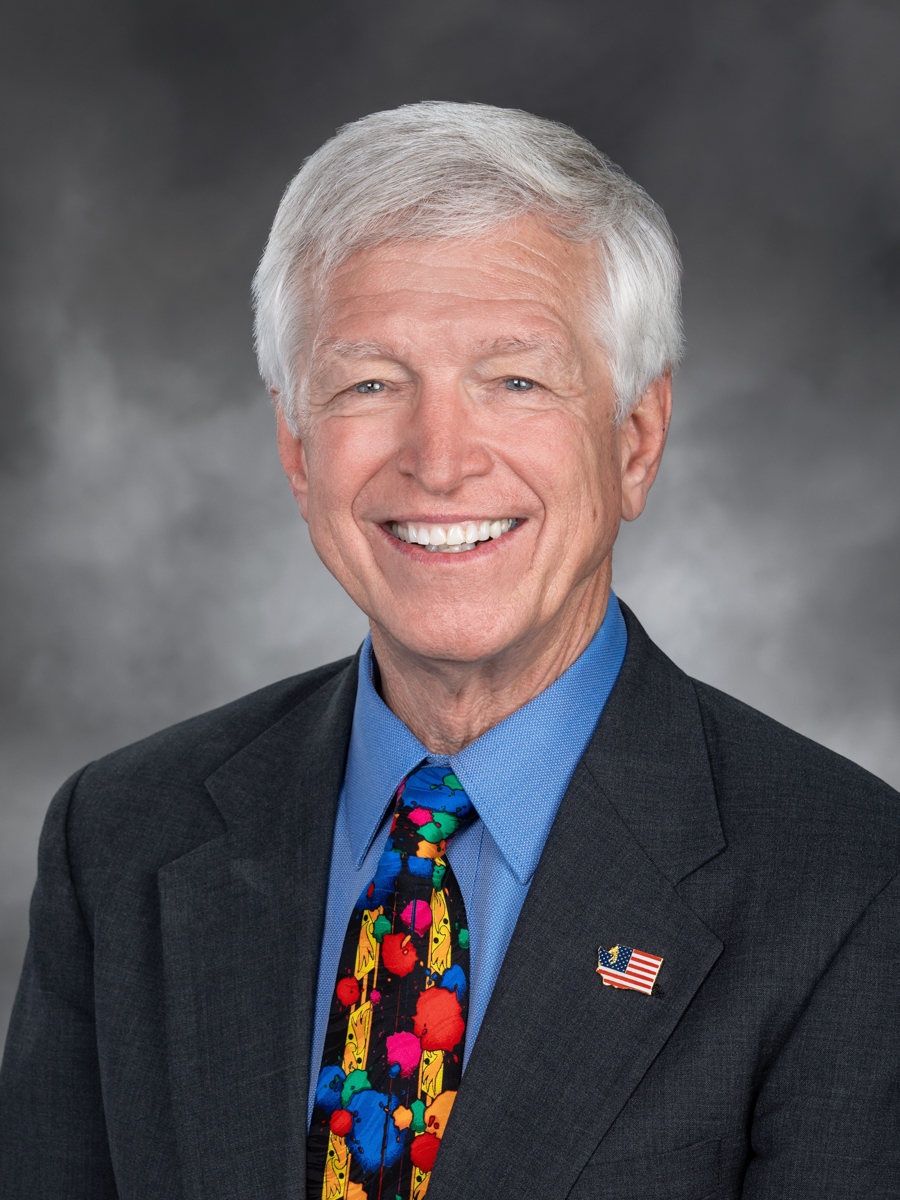
Rep. John Ley
Sponsored bills
Maddy summaryHB 2141 freezes new building code updates for 10 years after the 2024 adoption cycle, preventing the state council from initiating or implementing further code editions until 2034. After 2036, substantive code updates would occur no more than every six years, rather than the previous three-year cycle. The bill directly affects the State Building Code Council, local governments implementing codes, and construction professionals by altering the timeline for adopting new safety and accessibility standards. Key provisions include prohibiting local code amendments during the freeze period and requiring emergency code changes only for public health/safety emergencies or federal compliance.
Maddy summaryHB 2710 requires Washington's Department of Transportation to obtain approval from a joint Oregon-Washington legislative committee before entering new contracts or modifying existing ones for the Interstate 5 bridge replacement project over the Columbia River. This committee, composed of 16 members (8 from each state's legislature), must review and approve all contract changes affecting the project. The bill establishes the committee's structure, requiring it to hold public meetings, coordinate with transportation agencies, and report progress to both legislatures by 2022. It directly affects Washington's DOT, contractors, and the collaborative decision-making process for the bridge project. The bill does not change project design or funding but mandates this joint approval step for contractual agreements.
Maddy summaryHB 1364 increases the annual gross revenue threshold for charitable and nonprofit organizations from $5,000 to $15,000 for conducting unlicensed bingo, raffles, and amusement games. This change allows these organizations to generate more revenue from fundraising activities without requiring a state license or paying local taxes on the first $15,000 of revenue. The bill updates related tax exemptions in Washington state law (RCW 9.46.110) to align with the new threshold. It directly affects nonprofits that use these games as a primary fundraising method, providing greater flexibility while maintaining existing operational requirements like member-only participation and record-keeping.
Maddy summaryHJM 4014 is a procedural memorial requesting the U.S. Department of Justice investigate alleged fraud in Washington state's child care subsidy programs. It cites reported issues including hundreds of millions in un-auditable payments, whistleblower claims of self-dealing in community reinvestment programs, and misleading practices in minority-focused debt relief. The memorial specifically asks the DOJ to examine the Attorney General's handling of fraud allegations, potential public records violations, and whether systemic issues undermine federal oversight. This is a formal request to federal authorities, not a legislative change affecting Washington residents or programs directly.
Maddy summaryHB 2701 amends Washington state land use laws to prioritize housing affordability in local planning. It reorganizes the state's comprehensive planning goals, elevating "Housing" as a top priority to ensure plans accommodate affordable housing for all income levels, while adding new climate resiliency goals. The bill targets local governments and developers by streamlining approval processes for housing projects consistent with adopted plans, aiming to reduce delays and costs that contribute to the housing shortage. It removes outdated provisions and creates a new framework to address the state's housing crisis, particularly impacting rural and marginalized communities. The changes apply to all counties and cities required to follow the Growth Management Act.
Maddy summaryHB 2690 clarifies that Washington electric utilities must provide low-income energy assistance specifically for electricity costs, not for other energy sources like natural gas or heating oil. The bill simplifies existing rules by removing duplicative administrative requirements and preventing utilities from covering non-electric energy expenses. It aims to reduce costs for utilities and ratepayers while preserving current assistance programs like weatherization and bill discounts. The law does not expand existing requirements or create new assistance programs, only clarifying how current obligations apply.
Maddy summaryHouse Resolution 4675, adopted on January 28, 2026, is a ceremonial resolution expressing the Washington State House of Representatives' gratitude to the Washington National Guard for their service. It specifically acknowledges the Guard's roles in emergency response (including flood operations and search-and-rescue missions), disaster recovery efforts (like adapting from the Oso landslide), and national defense support (such as aerial refueling capabilities). The resolution directs copies to the Adjutant General, Governor, and other officials but does not create new laws or alter policies. It directly honors National Guard members, their families, and employers without imposing any financial or operational requirements.
Maddy summaryHB 2387 clarifies that elected sheriffs not certified as peace officers under Washington law cannot personally perform law enforcement actions reserved for certified officers, though they retain authority for actions authorized by law. The bill automatically triggers recall proceedings if a sheriff’s certification is revoked for misconduct occurring after their term began - specifically, mandatory decertification (under RCW 43.101.105(2)) eliminates the need to collect voter signatures for a recall election. It amends laws to require the Criminal Justice Training Commission to initiate recalls upon certification revocation and specifies that no signatures are needed for such cases. This applies only to sheriffs who lack peace officer certification, directly affecting their accountability process for post-term misconduct.
Maddy summaryHB 2670 increases the maximum jail term for specific assault offenses from 364 days to 365 days. It directly affects individuals convicted of fourth-degree assault where domestic violence is proven or sexual motivation is found, as defined in RCW 9A.36.041. The bill amends sentencing provisions in RCW 9A.20.021 and 9A.36.041 to raise the maximum imprisonment period for these cases. This change applies only to the specified assault circumstances and does not alter the classification of the offense. The bill was referred to the Community Safety Committee after its first reading on January 26, 2026.