

Maddy summaryHB 1818 updates Washington's land subdivision laws, which haven't been revised since 1969, to create a uniform process for dividing land. It eliminates outdated distinctions between "short plats" and "subdivisions" by merging their requirements, as current rules have become identical over time. The bill amends multiple statutes to streamline the approval process for land division maps, ensuring local governments use consistent standards for preliminary and final plats. This primarily affects cities, towns, and counties that review and approve land development projects.
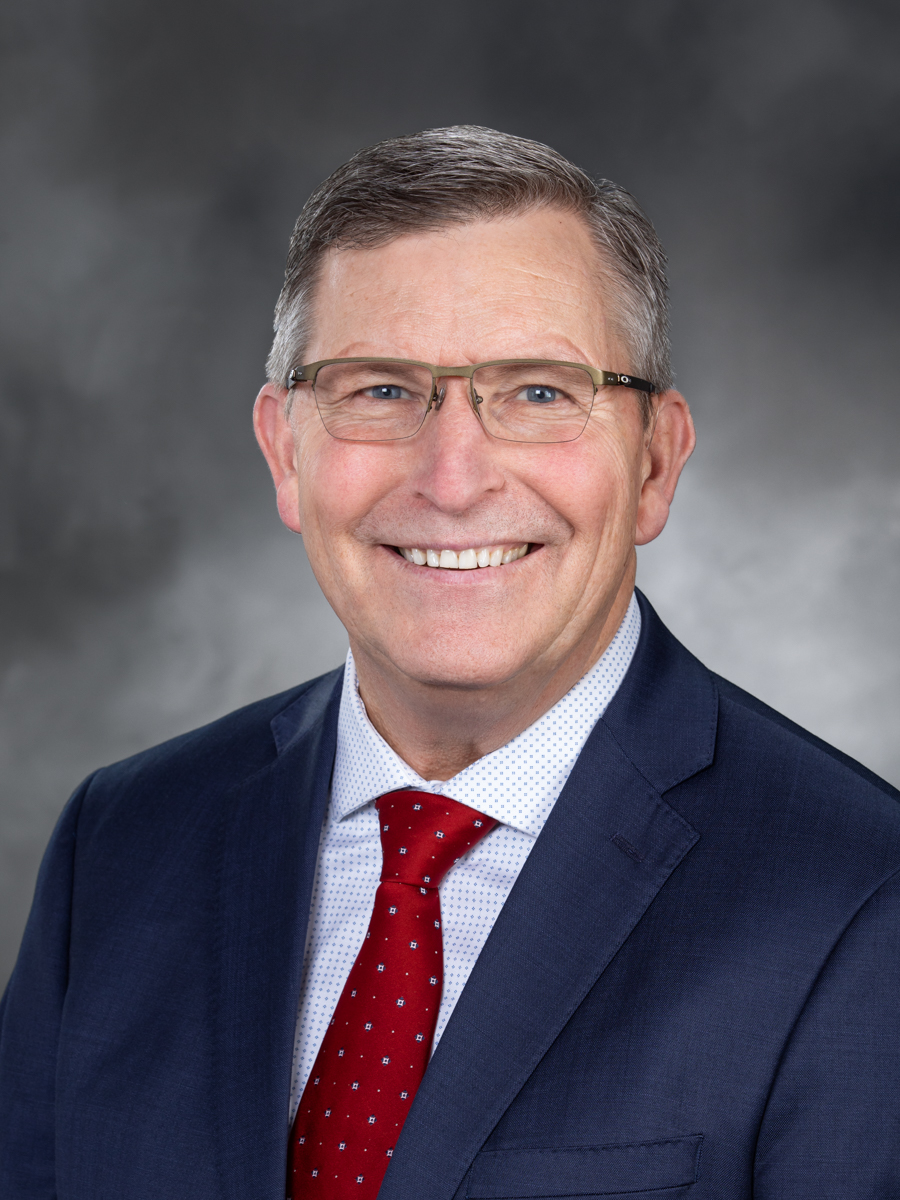
Rep. Mark Klicker
Sponsored bills
Maddy summaryHB 1307 would remove Washington state sales and use tax on diapers and essential child care products starting January 1, 2026. The bill specifically exempts items like car seats, baby clothing (size 5T and smaller), incontinence products for infants and adults, baby monitors, strollers, and other products designed for children under five. It defines "essential child care products" to include items commonly recognized as necessary for infant and toddler care, as well as products for adults needing incontinence supplies. This tax exemption directly affects families with young children and caregivers of vulnerable adults who face high costs for these essentials. The policy aims to reduce financial strain without altering existing tax rates for other goods.
Maddy summaryHB 1340 would exempt most prepared food from Washington's sales tax, directly affecting restaurants, food trucks, and businesses selling meals prepared for immediate consumption. The bill defines "prepared food" as food sold heated, with utensils provided (like plates or cutlery), or mixed by the seller (excluding simple cuts or raw ingredients needing home cooking). It excludes soft drinks, bottled water, dietary supplements, alcoholic beverages, tobacco, and cannabis from the exemption. This change would reduce sales tax for qualifying food items sold by businesses meeting the defined criteria, but not for packaged snacks, drinks, or other excluded products.
Maddy summaryHB 1886 creates a new "Firefighter Memorial" special license plate for Washington vehicle owners. The plate features a Maltese cross with "never forget" and requires a $40 initial fee plus $30 annual renewal, with funds distributed to the Firefighter Memorial Fund. This plate directly affects vehicle owners who choose to display it, joining existing specialty plates like "Law Enforcement Memorial" under state law. The bill amends vehicle registration statutes to add this plate type while maintaining standard fee structures for special license plates.
Maddy summaryHB 1188 requires the Energy Facility Site Evaluation Council to obtain written approval from both the local county government and affected federally recognized tribes before recommending wind or solar energy projects to the governor. For these projects, the council must submit siting recommendations simultaneously to county legislative bodies and tribes, who then have 90 days to approve via resolution or request reconsideration. The governor cannot approve any project without receiving all required local and tribal approval resolutions. This directly affects wind/solar developers, county governments, and tribal nations in Washington State, changing the approval process for these renewable energy facilities.
Maddy summaryHB 1699 (Defending equity in interscholastic sports) requires Washington public school districts to verify a student’s biological sex through a healthcare provider’s statement (based on reproductive anatomy, genetics, or testosterone levels) before allowing biologically male students to participate in female-identified sports. It permits schools to prohibit biologically male students from competing in sports with separate male/female classifications, while mandating equal resources (equipment, facilities, coaching, etc.) for all gender-segregated teams. The bill amends existing laws (RCW 28A.600.200 and 28A.640.020) to align with these provisions and requires the superintendent to develop guidelines eliminating sex discrimination in school activities. It directly affects public school students, athletic programs, and district policies governing interscholastic sports participation.
Maddy summaryHB 2002 establishes a reward program to encourage the public to report information about firearms used in felony crimes. It provides up to $500 for locating such firearms, or up to $5,000 if the report leads to a conviction, excluding law enforcement officers, individuals with warrants, or government employees acting in their official capacity. The cash rewards will be funded from existing county and municipal criminal justice assistance accounts, which distribute funds based on population, crime rates, and court case volumes. The bill directly affects law enforcement agencies (who receive the information) and the public (who may submit tips for rewards), while amending funding mechanisms for local criminal justice programs.
Maddy summaryHB 1370 adds "Mount St. Helens" as a special license plate option for Washington vehicle owners. The plate would display an image of Mount St. Helens and carry a $40 initial fee plus a $30 annual renewal fee, consistent with other specialty plates. This bill amends existing state code to include the Mount St. Helens design in the official list of approved special license plates, allowing drivers to display it on their vehicles as a voluntary choice. It directly affects Washington residents who choose to purchase this specific plate type.
Maddy summaryHB 1435 creates a state grant program to help local and tribal law enforcement agencies hire more officers. It provides up to 75% of entry-level salaries and benefits (capped at $125,000 per officer position) for 36 months, requiring a 25% local cash match. Grants cannot cover non-salary costs or fund officers recently hired by the same agency. The program requires agencies to apply through a formal process, report on hiring impacts, and includes a $100 million appropriation for fiscal year 2026.
Maddy summaryHB 1373 allows rural counties in Washington to impose a 0.01% local sales tax, which is fully deducted from the state sales tax they would otherwise pay. The funds collected must be used solely to administer senior citizens programs established under state law (RCW 36.39.060). This applies only to counties defined as "rural" (population density under 100 people per square mile or smaller than 225 square miles), with the state handling tax collection at no cost to the county. The bill takes effect July 1, 2025.