

Maddy summaryHB 1783 allows Washington law enforcement officers to receive small gifts of appreciation (up to $25 in value) for speaking in specific college and technical school courses outside their official duties. The bill directly affects certified law enforcement officers and institutions offering criminal justice, police science, or forensic-related programs, aiming to strengthen community relationships and inspire future recruits. Key provisions permit officers to share real-world expertise in courses like police science or forensic technology, with gifts only allowed when presentations occur outside work hours and comply with state ethics rules. The bill responds to a 2024 workforce assessment highlighting challenges in connecting law enforcement with educational programs. It creates a limited exception to general rules prohibiting state employees from accepting gifts, focusing on educational engagement rather than compensation.
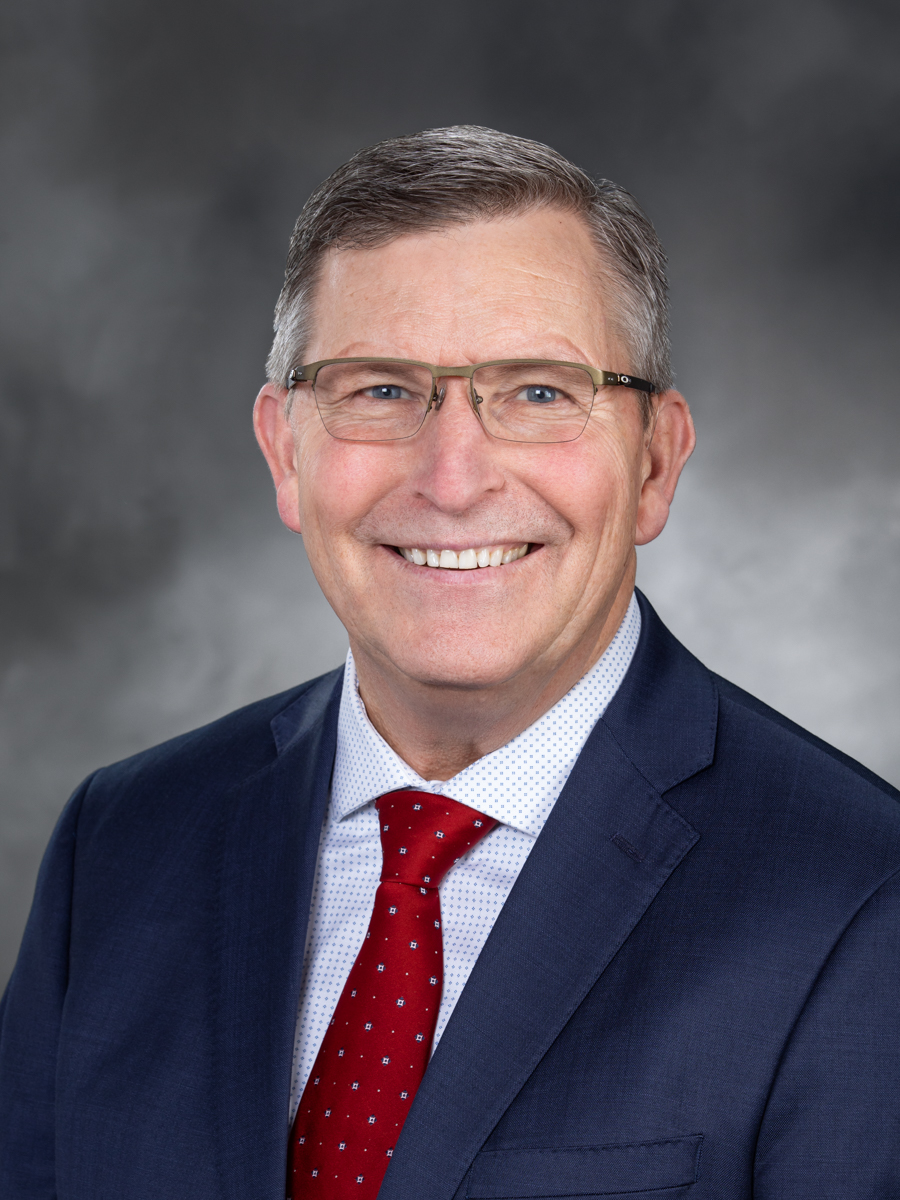
Rep. Mark Klicker
Sponsored bills
Maddy summaryHB 1700 grants Washington cities and counties a six-month extension to update their comprehensive land use plans and development regulations, addressing delays caused by staffing shortages and new requirements. It also creates an opt-out option for very small cities (under 500 people meeting specific population and location criteria) to conduct partial updates instead of full reviews, requiring them only to revise critical areas and transportation elements. The bill amends state law to adjust review timelines while maintaining core requirements for land use planning consistency. This affects all local governments responsible for zoning and growth management under Washington’s Growth Management Act.
Maddy summaryHB 1290 creates a water quality trading program for businesses and municipalities holding federal pollution permits (NPDES permits) that are not meeting temperature pollution limits in specific waterways. The bill requires Washington’s Department of Ecology to offer these permittees a market-based system to trade pollution reduction credits - such as by improving urban infrastructure - to meet compliance requirements. It specifically encourages projects addressing urban heat islands, like green spaces or reflective surfaces, as part of the trading incentives. This program directly affects entities subject to NPDES permits in watersheds with established temperature pollution limits. The law amends existing state water quality regulations to implement this trading mechanism, focusing on practical compliance solutions.
Maddy summaryHB 1584 would end automatic mail-in voting for nonabsentee voters (those not absent from their county, such as most registered voters) in Washington, requiring them to vote in person at polling places or voting centers on election day. The bill maintains limited absentee voting for voters who are absent (e.g., military personnel or overseas citizens) but removes mail-in ballots as the default option for all registered voters. It aims to address ballot security concerns and restore public trust in elections, as stated in the legislature’s findings. The bill amends multiple election laws to implement these changes, including updating voting definitions and ensuring accessibility for voters with disabilities at in-person locations.
Maddy summaryHB 1085 strengthens school safety by increasing penalties for interference with school activities through force or violence, and for threatening intimidation, specifically targeting disruptions at athletic events. It requires schools to post clear signage at entrances and athletic fields explaining these penalties, including fines up to $1,000 or jail time for adults, and exclusion from school or events for 12-18 months. The bill directly affects students, athletes, spectators, and school staff (including athletic officials and volunteers), expanding protections previously limited to general school settings to cover extracurricular sports. These changes aim to prevent escalation of harmful behavior by making consequences explicit and enforceable.
Maddy summaryHB 1324 redirects revenues from Washington's Climate Commitment Act (CCA) auction system to fund major state transportation projects, including the I-5 Columbia River bridge replacement and the US 395 North Spokane corridor. The bill amends existing law to require that CCA auction proceeds - previously restricted from road projects - be allocated specifically to highway and bridge infrastructure, rather than solely to climate or environmental programs. Key provisions mandate that funds support projects improving freight movement (like the Gateway freight project) and reducing congestion, which the bill states contributes to lower greenhouse gas emissions. This reallocation changes how CCA revenue is spent but does not alter the underlying auction system or funding amounts.
Maddy summaryHB 1695 amends Washington's Growth Management Act to update land use planning requirements for counties and cities. It requires all comprehensive plans to explicitly address environmental justice, wildfire risk mitigation (including adopting codes like Firewise USA), and housing equity. Specifically, housing elements must now identify racially disparate impacts from local policies, implement anti-displacement strategies, and ensure affordable housing access across income levels. The bill directly affects all jurisdictions subject to the Growth Management Act, including unincorporated areas, by mandating these specific provisions in their planning documents.
Maddy summaryHB 1374 reduces Washington State's general sales and use tax rate from 6.5% to 6% for most retail transactions, effective October 1, 2025. It directly affects consumers and businesses selling tangible goods, digital products, and most services that were previously taxed at 6.5%. The bill amends RCW 82.08.020 to lower the standard rate, while maintaining separate taxes for car rentals (5.9%) and motor vehicles (0.3%). The change applies to all retail sales covered under the current tax code, excluding specific exemptions like farm vehicles and off-road equipment.
Maddy summaryHB 1089 streamlines eviction lawsuits by standardizing summons forms and clarifying response deadlines for tenants. It requires courts to provide clear notices with specific deadlines (5:00 p.m. on a set date), tenant resources (like free legal aid hotlines), and instructions for responding in writing. The bill affects landlords, tenants, and courts by modifying procedures under Washington’s Residential Landlord-Tenant Act, particularly for unlawful detainer actions. Key changes include mandating standardized summons wording and specifying how tenants must submit written responses to avoid default judgments. These updates aim to reduce delays in eviction proceedings while ensuring tenants receive accessible information about their rights.
Maddy summaryHB 1310 eliminates the enrollment cap on students eligible for state special education funding in Washington, directly affecting all public school districts and students with disabilities. The bill increases funding multipliers for districts serving students with disabilities in inclusive settings (80%+ time in general education), raising the multiplier from 1.12 to 1.5289 for those students, while lowering it to 1.447 for less inclusive placements. It also requires the state superintendent to monitor racial disproportionality in special education identification and provide technical assistance to districts. These changes aim to ensure equitable state funding without requiring local district contributions and support inclusive educational practices.