

Maddy summaryThis is a ceremonial House resolution (not a policy bill) introduced on January 19, 2026, by multiple Washington State Representatives. It formally recognizes Dr. Martin Luther King Jr.'s life, legacy of nonviolent activism, and contributions to civil rights, including his role in the Civil Rights Act of 1964 and Voting Rights Act of 1965. The resolution expresses the House's commitment to upholding Dr. King's ideals of equality, justice, and opportunity for all. As a symbolic gesture, it does not create new laws, allocate funds, or affect any specific individuals or groups.
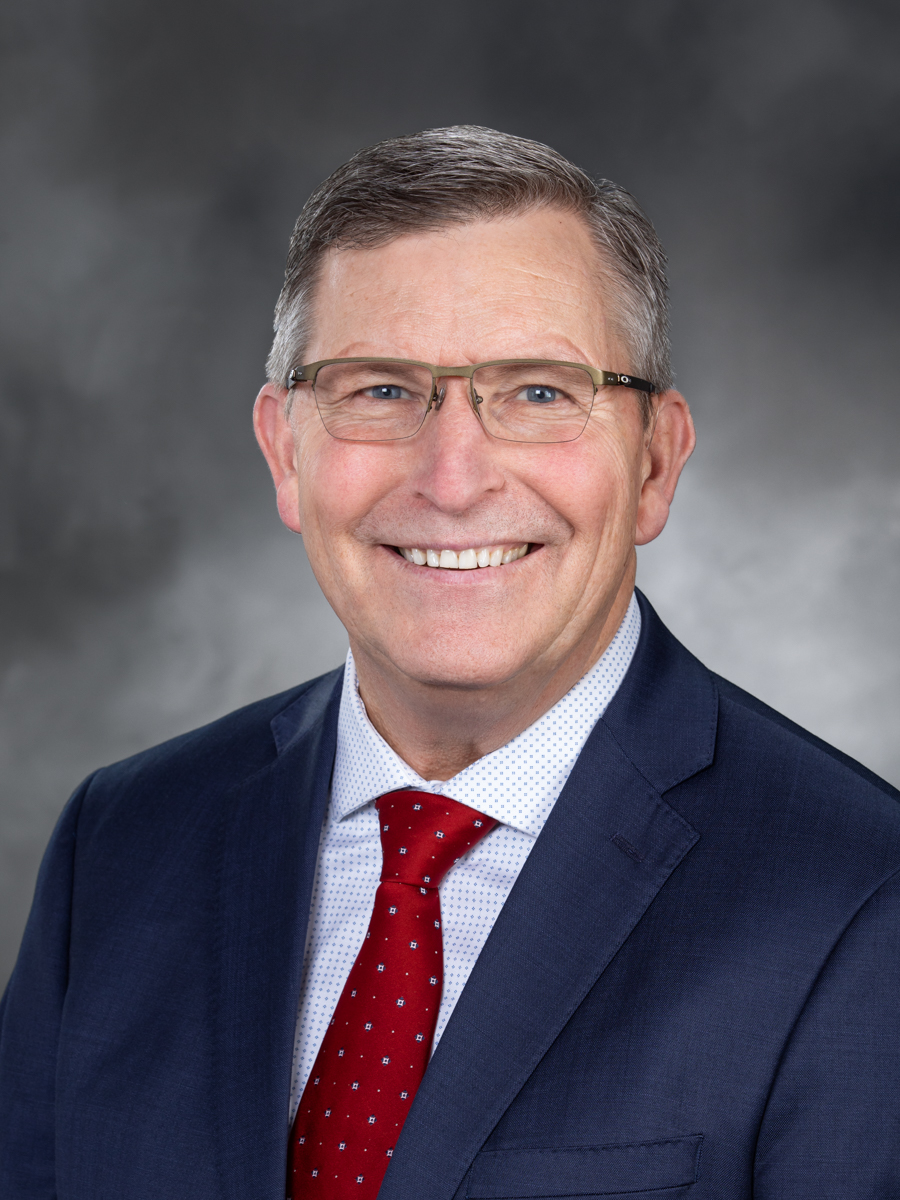
Rep. Mark Klicker
Sponsored bills
Maddy summaryThis is a ceremonial House Resolution (not a bill with policy changes), adopted on January 16, 2026. It formally recognizes Washington's joint operating agencies (JOAs) for their role in developing clean energy infrastructure, including renewable sources like solar, wind, and hydroelectric power, as well as new projects like small modular reactors. The resolution highlights JOAs' contributions to reducing greenhouse gas emissions, ensuring affordable energy access, and supporting economic growth in Washington State. It does not create new laws, allocate funds, or impose requirements - its sole purpose is to acknowledge these agencies' historical and ongoing work.
Maddy summaryHB 2461 establishes a Washington state commission on boys and men to address systemic challenges they face in areas like education, health, workforce participation, and justice system involvement. The commission will collect data, analyze disparities (such as higher rates of homelessness or suicide), and develop evidence-based recommendations for policy changes. It will consist of 15 appointed members who must focus on six key areas, including mental health, fatherhood, and reducing overrepresentation in justice systems, and will submit biennial reports to the legislature. The bill directly affects boys, male youth, and men across Washington state by creating a formal mechanism to study and address their specific needs through data-driven policy analysis.
Maddy summaryHB 2378 directs Washington's Department of Labor and Industries to clarify that HVAC/refrigeration specialty electricians may perform specific electrical connections between indoor and outdoor units of ductless mini-split HVAC systems. This applies only when work follows manufacturer instructions, uses equipment certified by accredited labs, and is limited to wiring integral to the system. The bill aims to reduce installation delays and costs for residential and light commercial projects while maintaining safety standards. It explicitly limits the scope to these electrical connections and does not override existing electrical codes or certification authority.
Maddy summaryHB 2308 requires drivers in Washington to provide proof of motor vehicle liability insurance or financial responsibility (like a bond or deposit) when requested by law enforcement. It sets a minimum $1,000 penalty for failing to show proof, mandates vehicle impoundment for repeat violations or if an uninsured driver causes an accident, and allows drivers to dismiss citations by submitting proof of insurance later (by mail or in person). The bill also clarifies that officers cannot access other content on a phone used to display insurance proof and excludes commercial vehicles, motorcycles, and ATVs from these requirements. This directly affects all drivers operating registered vehicles in Washington who must maintain insurance coverage.
Maddy summaryHB 2370 requires state-funded transitional and permanent supportive housing programs to assess all residents for substance use disorders and mandate treatment compliance (including abstaining from alcohol and non-prescription drugs) as a condition for remaining in housing. It directly affects individuals receiving housing services and the organizations operating these programs. The bill mandates tracking specific data points - like assessment dates, treatment participation, and discharge reasons - in a state database and requires annual reports on participant numbers, substance use diagnoses, and treatment compliance durations. These provisions aim to standardize accountability and monitor program effectiveness through data collection.
Maddy summaryHB 2335 would repeal tax increases on businesses enacted in 2025, specifically targeting provisions from 2025 Chapter 420. It removes a surcharge on businesses with over $250 million in taxable income (RCW 82.04.288) and eliminates an "Advanced Computing Surcharge," along with 13 other tax provisions from the 2025 law. These changes would directly affect high-grossing businesses and financial institutions subject to the repealed tax rates. The bill takes effect April 1, 2026, reversing specific tax increases implemented by the 2025 legislature.
Maddy summaryHB 2130 repeals specific tax provisions from Senate Bill 5814 (2025 session) that imposed new taxes. It removes sections of Chapter 422, Laws of 2025 (including codified sections 101, 201, 301 and uncodified sections 1, 401-404) that affected taxpayers. The repeal takes effect April 1, 2026, and is declared an emergency to preserve public finances. This bill directly reverses the tax changes enacted by ESSB 5814.
Maddy summaryHB 2149 declares an emergency due to the April 2025 closure of the Fairfax Bridge on State Route 165. It directs the transportation department to restore access "as soon as possible" and grants the secretary emergency authority to waive specific rules - including liability agreements, inspection fees, utility regulations, and tax deadlines - to speed up rebuilding. This waiver power applies only to actions necessary for the bridge replacement and cannot override federal requirements or First Amendment rights. The bill directly affects travelers, local governments, and state agencies managing Route 165 infrastructure, with no mention of broader funding or unrelated provisions like the climate account amendment.
Maddy summaryHB 2181 allocates $690 million in excess climate commitment auction revenue to repair transportation infrastructure damaged by the December 2025 atmospheric river and winter storm event. It specifically funds cleanup, repairs, and restoration of Interstate 90, State Routes 2, 167, and 410, and other critical transportation systems affected by the emergency. The funding comes directly from the Climate Investment Account, as authorized by the Climate Commitment Act, and is tied to emergency proclamation 25-07. This bill uses existing climate revenue for immediate infrastructure recovery, without creating new taxes or altering broader climate program requirements.