

Maddy summaryHB 1783 allows Washington law enforcement officers to receive small gifts of appreciation (up to $25 in value) for speaking in specific college and technical school courses outside their official duties. The bill directly affects certified law enforcement officers and institutions offering criminal justice, police science, or forensic-related programs, aiming to strengthen community relationships and inspire future recruits. Key provisions permit officers to share real-world expertise in courses like police science or forensic technology, with gifts only allowed when presentations occur outside work hours and comply with state ethics rules. The bill responds to a 2024 workforce assessment highlighting challenges in connecting law enforcement with educational programs. It creates a limited exception to general rules prohibiting state employees from accepting gifts, focusing on educational engagement rather than compensation.
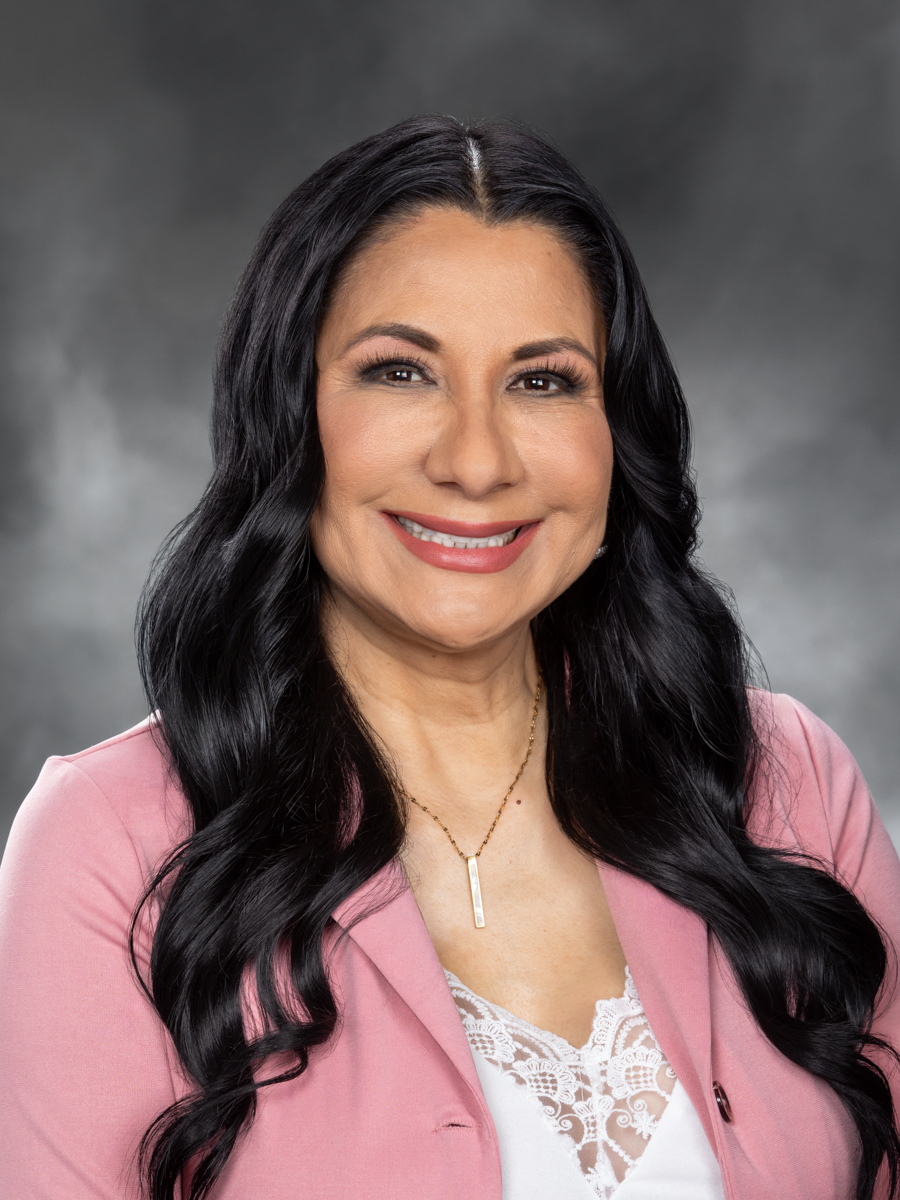
Rep. Gloria Mendoza
Sponsored bills
Maddy summaryHB 2052 allows Washington agricultural employees to voluntarily waive overtime pay for up to 15 workweeks per calendar year during peak harvest seasons. This directly affects farmworkers who choose to work more hours without receiving the standard 1.5x overtime rate, potentially increasing their earnings during busy periods. The bill amends state law to add this voluntary waiver option for agricultural employees, replacing previous seasonal overtime caps that limited hours during harvest. It does not change the standard overtime rate but provides a temporary, worker-initiated exception to overtime requirements.
Maddy summaryHB 1869 prohibits Washington state funds from covering capital costs - such as construction, transit vehicle purchases, or major equipment - for transit agencies created under the laws of neighboring states (e.g., Oregon or Idaho). It directly affects regional transit agencies operating across state lines, restricting state funding for capital projects but not ongoing operational expenses. The law, effective July 1, 2025, ensures Washington taxpayers’ money cannot subsidize infrastructure built by out-of-state transit entities.
Maddy summaryHB 1911 creates a new special license plate option titled "Washington state honey bees and pollinators" (plate #36) for Washington vehicle owners. This plate, costing $40 for initial registration and $30 annually, would join existing special plates like "Washington apples" and "Seattle Mariners" in the state's license plate program. The bill amends state code to add this plate type and specifies that fees support pollinator research and education efforts. It does not create new funding or policy changes beyond the plate designation and associated fees.
Maddy summaryThis bill amends Washington's estate tax law to allow a deduction for tangible personal property (like farm equipment or business assets) used for "qualified purposes" if owned by a "qualified nonfamilial heir." It directly affects estate tax filers who leave such property to non-family members (e.g., business partners or close associates) who meet specific usage requirements. The key change adds "qualified nonfamilial heir" to the existing deduction criteria, expanding eligibility beyond family members. This applies to property used on the decedent's death for purposes like farming or business operations. The bill does not change tax rates or create new taxes, only modifies who qualifies for an existing deduction.
Maddy summaryHB 1307 would remove Washington state sales and use tax on diapers and essential child care products starting January 1, 2026. The bill specifically exempts items like car seats, baby clothing (size 5T and smaller), incontinence products for infants and adults, baby monitors, strollers, and other products designed for children under five. It defines "essential child care products" to include items commonly recognized as necessary for infant and toddler care, as well as products for adults needing incontinence supplies. This tax exemption directly affects families with young children and caregivers of vulnerable adults who face high costs for these essentials. The policy aims to reduce financial strain without altering existing tax rates for other goods.
Maddy summaryHB 1779 would allow Washington agricultural employers to select 26 weeks per year during which workers can be employed up to 50 hours weekly without triggering overtime pay. This creates a temporary seasonal exemption from the standard 40-hour overtime rule for all agricultural workers, specifically addressing concerns raised after Washington's 2021 repeal of overtime exemptions. The bill aims to help farms manage time-sensitive labor demands during peak harvest seasons. It directly affects agricultural employers and workers across Washington, which relies heavily on farming as its second-largest industry.
Maddy summaryHouse Bill 2080 aims to prevent the Washington state legislature from enacting taxes that specifically target a single individual, business, or entity. The bill prohibits the assessment of any new excise tax if it is intended to, or has the effect of, applying only to one specific individual, business, or a group of individuals affiliated with a singular business. This measure would ensure that state tax policy provides for common welfare rather than being used to target particular entities. It affects the state's ability to levy highly specific taxes and protects individual businesses from such targeted taxation.
Maddy summaryHB 2026, the "Fairness in Education Funding Act," aims to create equitable school funding by replacing local levies (which disproportionately benefit wealthier districts) with uniform state-funded allocations. The bill sets new minimum state salary levels for school staff that will apply equally to all public school districts, charter schools, and state-tribal education compact schools starting in the 2026-27 school year. Specifically, it establishes baseline salaries of $100,033 (adjusted for inflation) for certificated instructional staff, $179,857 for certificated administrative staff, and $71,082 for classified staff. Regional adjustments to these salaries will phase out after the 2025-26 school year, ensuring all districts receive identical state funding for staff compensation regardless of location or local wealth.
Maddy summaryHB 2002 establishes a reward program to encourage the public to report information about firearms used in felony crimes. It provides up to $500 for locating such firearms, or up to $5,000 if the report leads to a conviction, excluding law enforcement officers, individuals with warrants, or government employees acting in their official capacity. The cash rewards will be funded from existing county and municipal criminal justice assistance accounts, which distribute funds based on population, crime rates, and court case volumes. The bill directly affects law enforcement agencies (who receive the information) and the public (who may submit tips for rewards), while amending funding mechanisms for local criminal justice programs.