

Maddy summaryHB 1307 would remove Washington state sales and use tax on diapers and essential child care products starting January 1, 2026. The bill specifically exempts items like car seats, baby clothing (size 5T and smaller), incontinence products for infants and adults, baby monitors, strollers, and other products designed for children under five. It defines "essential child care products" to include items commonly recognized as necessary for infant and toddler care, as well as products for adults needing incontinence supplies. This tax exemption directly affects families with young children and caregivers of vulnerable adults who face high costs for these essentials. The policy aims to reduce financial strain without altering existing tax rates for other goods.
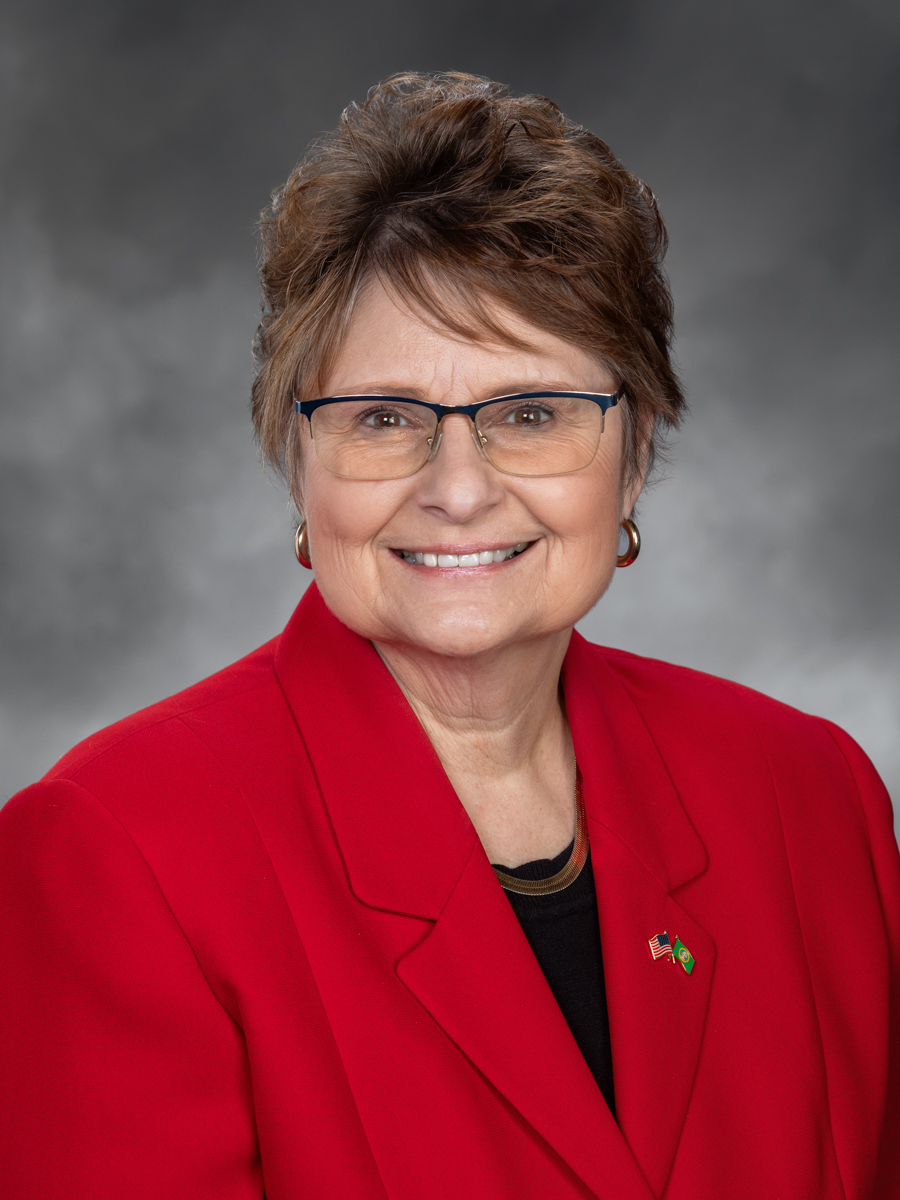
Rep. Deb Manjarrez
Sponsored bills
Maddy summaryHB 1340 would exempt most prepared food from Washington's sales tax, directly affecting restaurants, food trucks, and businesses selling meals prepared for immediate consumption. The bill defines "prepared food" as food sold heated, with utensils provided (like plates or cutlery), or mixed by the seller (excluding simple cuts or raw ingredients needing home cooking). It excludes soft drinks, bottled water, dietary supplements, alcoholic beverages, tobacco, and cannabis from the exemption. This change would reduce sales tax for qualifying food items sold by businesses meeting the defined criteria, but not for packaged snacks, drinks, or other excluded products.
Maddy summaryHouse Bill 2080 aims to prevent the Washington state legislature from enacting taxes that specifically target a single individual, business, or entity. The bill prohibits the assessment of any new excise tax if it is intended to, or has the effect of, applying only to one specific individual, business, or a group of individuals affiliated with a singular business. This measure would ensure that state tax policy provides for common welfare rather than being used to target particular entities. It affects the state's ability to levy highly specific taxes and protects individual businesses from such targeted taxation.
Maddy summaryHB 2026, the "Fairness in Education Funding Act," aims to create equitable school funding by replacing local levies (which disproportionately benefit wealthier districts) with uniform state-funded allocations. The bill sets new minimum state salary levels for school staff that will apply equally to all public school districts, charter schools, and state-tribal education compact schools starting in the 2026-27 school year. Specifically, it establishes baseline salaries of $100,033 (adjusted for inflation) for certificated instructional staff, $179,857 for certificated administrative staff, and $71,082 for classified staff. Regional adjustments to these salaries will phase out after the 2025-26 school year, ensuring all districts receive identical state funding for staff compensation regardless of location or local wealth.
Maddy summaryHB 2002 establishes a reward program to encourage the public to report information about firearms used in felony crimes. It provides up to $500 for locating such firearms, or up to $5,000 if the report leads to a conviction, excluding law enforcement officers, individuals with warrants, or government employees acting in their official capacity. The cash rewards will be funded from existing county and municipal criminal justice assistance accounts, which distribute funds based on population, crime rates, and court case volumes. The bill directly affects law enforcement agencies (who receive the information) and the public (who may submit tips for rewards), while amending funding mechanisms for local criminal justice programs.
Maddy summaryHB 1435 creates a state grant program to help local and tribal law enforcement agencies hire more officers. It provides up to 75% of entry-level salaries and benefits (capped at $125,000 per officer position) for 36 months, requiring a 25% local cash match. Grants cannot cover non-salary costs or fund officers recently hired by the same agency. The program requires agencies to apply through a formal process, report on hiring impacts, and includes a $100 million appropriation for fiscal year 2026.
Maddy summaryHB 1997 reduces Washington State's statewide property tax revenue by 10% for calendar years 2026 through 2028, directly affecting all property taxpayers across the state. It modifies existing tax laws to set new levy limits for state property taxes, requiring a 10% reduction from the "highest lawful levy" amounts for those years. The bill explicitly prohibits shifting the tax burden to other taxpayers or revenue sources, maintaining the same total tax revenue level without increasing other taxes. This change applies only to state-level property taxes for common schools and related programs, not local property taxes. The measure is limited to the 2026-2028 timeframe, with tax levies reverting to standard rules after 2028.
Maddy summaryHB 1908 permanently maintains four state-operated residential facilities for developmentally disabled individuals - Lakeland Village (Spokane), Rainier School (Pierce), Yakima Valley School (Yakima), and Fircrest School (King) - by removing a provision that would have allowed Yakima Valley School to close under certain conditions. The bill repeals the closure trigger for Yakima Valley School and amends state law to ensure these facilities remain open to accept new residents, directly addressing a shortage of affordable care options. It specifically targets underutilized, well-regarded facilities to provide immediate relief to families with no other viable, cost-effective care alternatives. The bill does not create new facilities but expands capacity at existing, operational centers.
Maddy summaryHB 1885 removes an exemption that previously allowed legislative communications to be excluded from Washington's Public Records Act. It explicitly defines internal legislative deliberations - including preliminary drafts, recommendations, and internal communications about bills - as public records subject to disclosure. This change directly affects legislative staff and members by requiring transparency in their internal communications regarding proposed legislation. The bill amends the Public Records Act to ensure all such records, including those held by legislative offices, are accessible to the public unless specifically exempted by law.
Maddy summaryHB 1939 requires Washington state to allocate a portion of funds spent on 2026 FIFA World Cup activities (like promotion and fan events) to provide access for low-income youth across the state, with specific emphasis on central Washington. The bill mandates that state departments ensure these funds directly support opportunities for young people from low-income backgrounds to experience the event. It expires on June 30, 2026, and applies only to state funds used for World Cup-related activities. The legislation does not change existing funding levels but directs a specific use of allocated resources.