

Maddy summaryHB 1835 requires Washington's Liquor and Cannabis Board to deny or not renew cannabis licenses for properties where local governments (cities, counties, tribes, or port authorities) provide written objections stating that zoning laws prohibit cannabis operations there. This directly affects cannabis businesses seeking new licenses or renewals, as local zoning decisions now override the board's discretion. The bill amends state law to mandate that the board consider these written objections before approving any license application. It ensures state cannabis licensing aligns with local land-use regulations, preventing licenses for properties that conflict with community zoning rules. The policy change applies to all cannabis business types, including cultivation, retail, and processing.
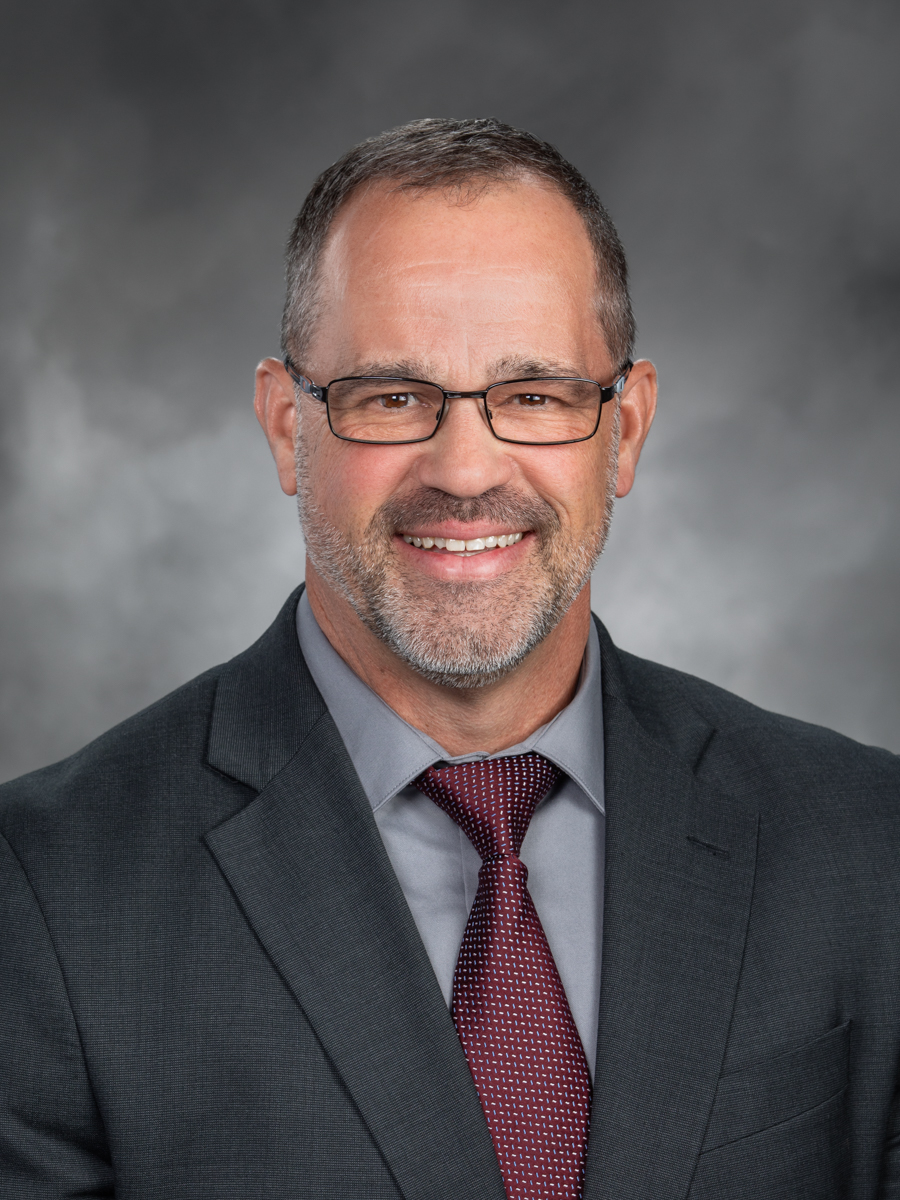
Rep. Brian Burnett
Sponsored bills
Maddy summaryHB 2030 directs Washington's Joint Legislative Audit and Review Committee to study the financial oversight of the interstate bridge replacement project by December 1, 2027. The study will examine how project funds were reported and spent since 2019, including cost overruns, payment processes, forecasting accuracy, and Washington State Department of Transportation's internal controls. It will compare practices against industry benchmarks and similar projects to assess transparency and accountability. The bill does not change funding or policy - it only mandates a review to inform future legislative decisions. The committee must submit findings to lawmakers by the deadline, and the requirement expires December 31, 2027.
Maddy summaryHB 1799 prohibits individuals convicted of violent offenses involving a firearm from earning early release credits toward their prison sentences. Specifically, it amends Washington state law to deny all "good time credits" or "earned release time" for sentences resulting from violent crimes where a firearm was used as a deadly weapon. This directly affects people sentenced for violent felonies with firearm enhancements under existing law (RCW 9.94A.533), preventing them from reducing their sentences through behavior-based credits. The bill does not change sentencing lengths but restricts a key mechanism for early release for this specific group of offenders.
Maddy summaryHB 1699 (Defending equity in interscholastic sports) requires Washington public school districts to verify a student’s biological sex through a healthcare provider’s statement (based on reproductive anatomy, genetics, or testosterone levels) before allowing biologically male students to participate in female-identified sports. It permits schools to prohibit biologically male students from competing in sports with separate male/female classifications, while mandating equal resources (equipment, facilities, coaching, etc.) for all gender-segregated teams. The bill amends existing laws (RCW 28A.600.200 and 28A.640.020) to align with these provisions and requires the superintendent to develop guidelines eliminating sex discrimination in school activities. It directly affects public school students, athletic programs, and district policies governing interscholastic sports participation.
Maddy summaryHB 2002 establishes a reward program to encourage the public to report information about firearms used in felony crimes. It provides up to $500 for locating such firearms, or up to $5,000 if the report leads to a conviction, excluding law enforcement officers, individuals with warrants, or government employees acting in their official capacity. The cash rewards will be funded from existing county and municipal criminal justice assistance accounts, which distribute funds based on population, crime rates, and court case volumes. The bill directly affects law enforcement agencies (who receive the information) and the public (who may submit tips for rewards), while amending funding mechanisms for local criminal justice programs.
Maddy summaryHB 1872 expands exemptions from certain firearm restrictions for specific groups in Washington State. It exempts current and retired peace officers, military personnel, veterans, shooting sports instructors, and concealed pistol license holders from background check waiting periods after they’ve already passed background checks. The bill also creates new exemptions for these groups regarding restrictions on "excess capacity magazines" and "assault weapons" under existing law. These changes directly affect the named groups by reducing regulatory barriers for firearm access and use while maintaining existing background checks. The bill does not change the definition of "assault weapon" but clarifies exemptions for authorized individuals under the new provisions.
Maddy summaryHB 1117 repeals Washington State's adoption of California's motor vehicle emissions standards, which had caused registration barriers for vehicles meeting federal standards. The bill directly affects vehicle owners who previously needed 407,541 exemptions to register their vehicles and government agencies managing registrations. Key provisions require the Department of Licensing to register previously prohibited vehicles (if they meet state requirements) and direct the Department of Ecology to repeal all rules implementing California standards. This eliminates administrative burdens on both the public and government, allowing vehicles to be registered without exemptions under federal standards. The bill takes immediate effect as an emergency measure.
Maddy summaryHB 1801 adds four voting members to Washington's Sentencing Guidelines Commission: two state legislators appointed by the House Speaker (one from each major caucus) and two by the Senate President (one from each major caucus). These legislative members would serve two-year terms, aligning with existing terms for other appointed members. The bill directly affects the commission's composition, ensuring legislative representation in developing sentencing guidelines that impact criminal justice outcomes statewide. This change modifies RCW 9.94A.860 to include legislative voting members as part of the commission's 29-member structure.
Maddy summaryHB 1800 requires homeless housing grant recipients in Washington state to submit annual plans by December 1st, detailing projected numbers of people helped and spending per person. The state auditor must annually audit these programs to verify funds are used for authorized purposes, review administrative vs. service costs, and assess whether grantees meet their stated goals. Non-compliance - such as missing deadlines or misusing funds - can result in loss of future grant eligibility. This bill directly affects organizations receiving state homeless housing funds (grantees and subgrantees) by mandating specific reporting and accountability measures.
Maddy summaryHB 1649 redesigns Washington’s community-based training pathway for licensed child care providers, replacing the underutilized "PACE" program with a new pathway modeled after the discontinued "Building Bridges" curriculum. The bill requires the Department of Children, Youth, and Families to create a low-cost ($250 max), multilingual, culturally relevant training program available online and in communities by August 2025. Licensed providers can meet licensing requirements through this new pathway, existing certificates, or work experience (3+ years in licensed care) until at least 2035. The changes aim to make training more accessible, particularly for rural providers and those with language barriers.