

Maddy summaryHB 1082 allows licensed child care providers in Washington to use documented work experience instead of formal early childhood education certificates to meet licensing requirements until August 1, 2028. To qualify, providers must show continuous employment since August 1, 2021 (or seven cumulative years), active work requiring such certificates, and completion of required health/safety training. The bill also requires the Department of Children, Youth, and Families to form a stakeholder group - including providers, training organizations, and community advocates - to review and improve staff qualification systems, with a report due by December 2026. This law expires July 1, 2028, and does not apply to providers serving the Early Childhood Education and Assistance Program (ECEAP).
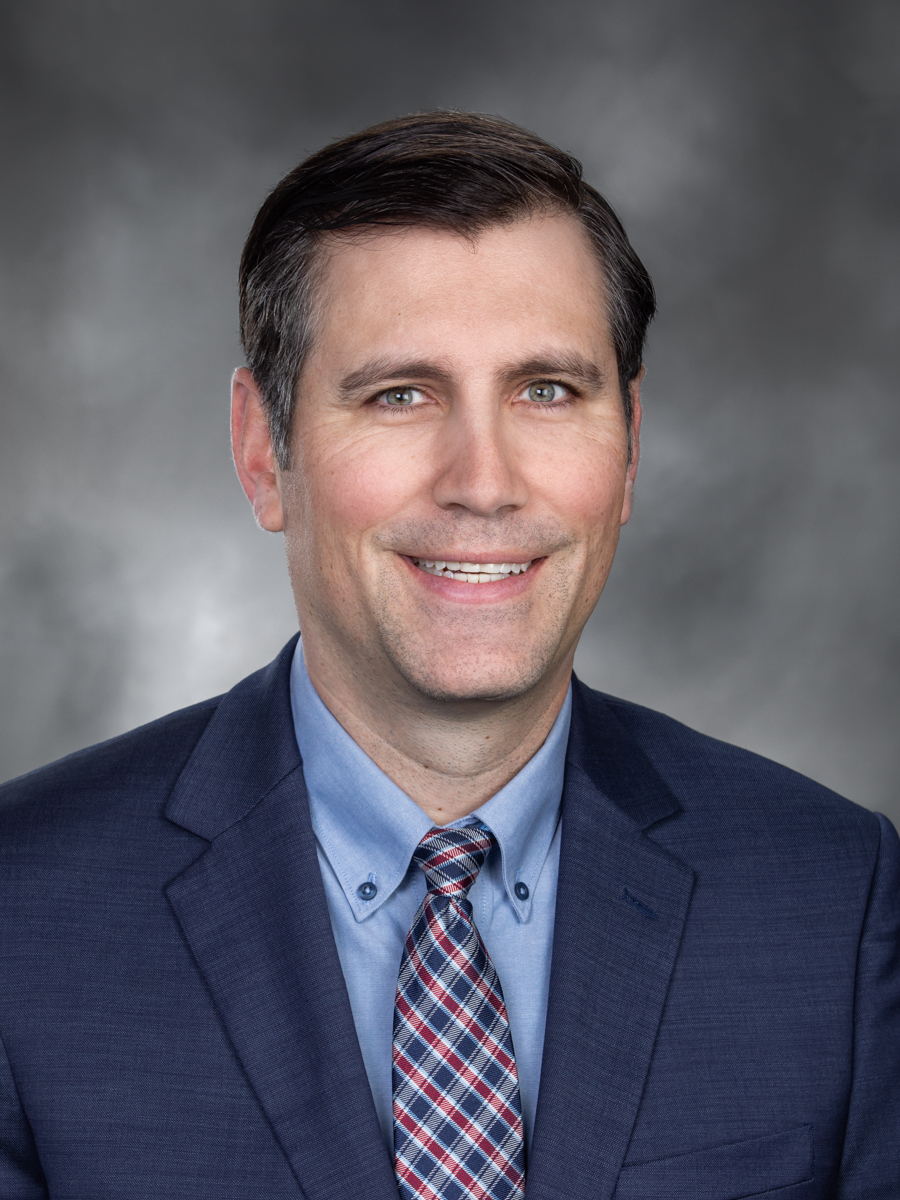
Rep. Steve Bergquist
Sponsored bills
Maddy summaryHB 1356 adjusts Washington state's K-12 school funding by updating local enrichment levy limits and creating a state matching program. It sets new per-pupil funding caps ($2,500 for districts under 40,000 students, $3,000 for larger districts) through 2030, adjusted annually for inflation plus a temporary 3.33% annual increase (2027-2030), then raises the cap to $5,035 starting in 2031. The bill requires school districts to get approval for how they spend local levy funds before voting on them and links state funding to local effort - matching districts that raise less than $1.50 per $1,000 in property value. This directly affects all public school districts and state-tribal education compact schools by changing how local taxes and state funds combine to support school programs.
Maddy summaryHB 1557 establishes Washington's Guaranteed Admissions Program, which guarantees admission to public four-year colleges for eligible high school seniors meeting specific criteria. It requires participating colleges (including tribal institutions and state universities) to simplify application processes starting in 2026-27, and mandates high schools to share student data with colleges to identify qualified applicants. The bill also requires all high schools to provide annual notifications to students in grades 9-12 about this program, the Washington College Grant, dual credit options, and other college pathways. Institutions may opt out of the program by reporting their reasons to the legislature, but must still pursue alternative access initiatives.
Maddy summaryHB 1134 establishes a voluntary "Washington state green schools program" within the Office of the Superintendent of Public Instruction to promote student-led resource conservation in public schools. The program provides limited stipend funding ($600 max per school annually) for school-based advisors to support student education and leadership in waste reduction, energy conservation, water efficiency, and urban forestry initiatives. Schools with over 50% of students eligible for free/reduced-price meals receive priority for funding, and the program aligns with state science curriculum standards on climate and sustainability. It is funded using revenues from the Climate Commitment Act and complements existing district conservation efforts.
Maddy summaryHB 1444 requires Washington health insurers to cover rapid whole genome sequencing for infants under one year old in intensive care units who meet specific medical criteria, such as unexplained epilepsy, multiple congenital abnormalities, or suspected genetic disorders. It mandates coverage starting January 1, 2026, for cases where timely diagnosis is critical to treatment, including pre- and post-test counseling. The bill ensures separate payment for this service (not bundled into existing hospital payments) and defines "rapid" sequencing as delivering results in under 14 days. It directly affects low-income families enrolled in medical assistance programs by removing financial barriers to faster diagnosis of rare genetic conditions.
Maddy summaryHB 1224 proposes to modify Washington State's Working Families' Tax Credit to make it easier for eligible low-income residents to claim the benefit. The bill would enhance the credit's administration by allowing the Department of Revenue to use data-sharing agreements with other agencies (like the Department of Social and Health Services) to verify eligibility and reduce application barriers. Eligible individuals - defined as Washington residents who file federal tax returns and meet income thresholds - would receive annual refunds ranging from $300 (no qualifying children) to $1,200 (three or more children), adjusted for inflation. The changes aim to increase participation rates by streamlining the application process and clarifying eligibility rules, though the bill remains pending in the legislature as of its January 2025 introduction.
Maddy summaryHB 1113, known as the public SAFE-T Act, creates a pathway for individuals charged with certain simple or gross misdemeanors in Washington state to have their charges dismissed. Under this bill, a court may agree to dismiss a misdemeanor charge if the defendant waives their right to a speedy trial and substantially complies with court-ordered conditions and programs for up to 12 months. Full restitution is a required condition for dismissal, although inability to pay due to indigence is not a barrier if progress is made. However, the bill explicitly excludes a wide range of specific offenses, such as domestic violence, DUI-related charges, and certain assault or firearm offenses, from this dismissal process.
Maddy summaryHB 1428 establishes two state-funded accounts to support criminal justice services: one for counties and one for cities. It mandates annual transfers of $50 million (increasing by 50% starting in 2026) into these accounts, with county funds distributed based on population (20%), crime rate (30%), and criminal cases (50%). Municipal funds are distributed only to cities meeting a 125% statewide crime rate threshold, with 30% allocated to cities exceeding 175% of the average crime rate. The bill prohibits using these funds to replace existing local funding and restricts spending to criminal justice activities like domestic violence services and law enforcement support.
Maddy summaryHB 1805 proposes a local 0.01% sales and use tax in Washington counties to fund additional services for children and families. The tax would generate revenue specifically for mental health support, early intervention programs, child care, school-based health services, shelter, rental assistance, and transportation. Counties could implement this tax via resolution or ordinance, with funds restricted to the listed services that address gaps in current Medicaid and behavioral health programs. The bill aims to support children and families early to improve well-being and reduce long-term needs like youth violence and substance use.
Maddy summaryHB 2012 allocates $16.2 million for the 2024-25 school year and $4.7 million for 2025-26 to fund Washington's "transition to kindergarten" program, which helps children needing extra preparation before kindergarten. It directly affects public school districts, charter schools, and state-tribal education compact schools operating the program. Key provisions include requiring schools to prioritize low-income families for enrollment, prohibiting tuition fees or disability-based exclusions, mandating developmental assessments, and establishing a funding formula based on eligible student counts. The bill also sets standards for program eligibility (children age 4 by August 31 who need additional kindergarten preparation) and requires schools to adopt policies meeting state guidelines.