

Maddy summaryHB 1277 creates a tax exemption for critical access hospitals located on islands within 25 miles of a military installation, eliminating sales and use taxes on qualifying medical equipment (like diagnostic machines) and supplies (such as gloves, syringes, and bandages). The exemption applies to purchases and use of these items beginning January 1, 2026, and expires January 1, 2036. It excludes construction materials, office equipment, and non-medical vehicles. This policy directly affects designated island-based hospitals by reducing their operational costs for essential medical resources.
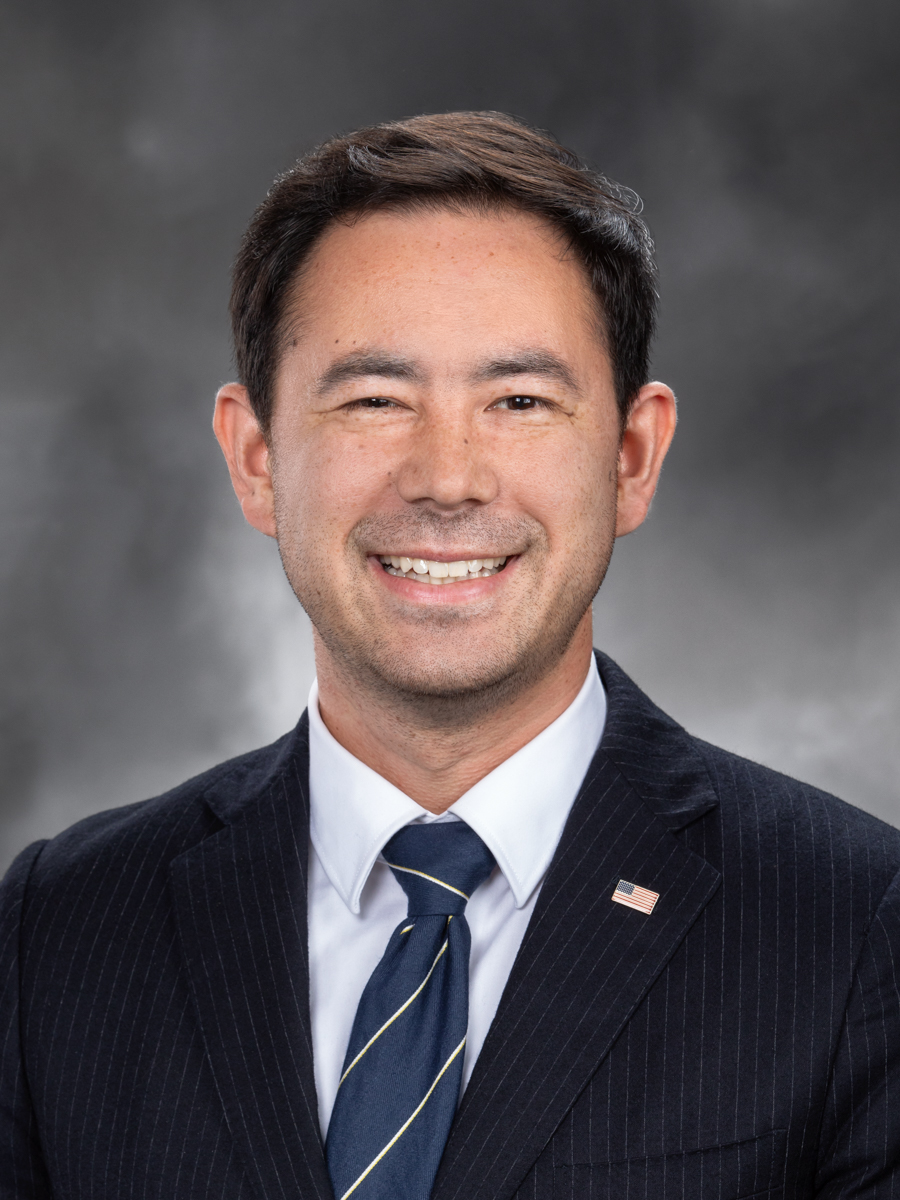
Rep. Clyde Shavers
Sponsored bills
Maddy summaryHB 1725 requires health plans in Washington to streamline access to biosimilar medicines (safe, effective, lower-cost alternatives to brand-name biologics) by mandating clear exception processes for coverage denials. It directly affects patients, doctors, and health insurance companies by requiring health plans to: (1) post plain-language exception rules online, (2) approve exceptions meeting specific medical criteria (like drug ineffectiveness or adverse reactions), and (3) follow strict timelines (1-3 business days) for urgent/non-urgent requests. The bill eliminates barriers by ensuring health plans must cover biosimilars when clinical evidence supports them, with automatic approval if deadlines are missed. This aims to reduce prescription drug costs without altering drug approval standards.
Maddy summaryHB 1134 establishes a voluntary "Washington state green schools program" within the Office of the Superintendent of Public Instruction to promote student-led resource conservation in public schools. The program provides limited stipend funding ($600 max per school annually) for school-based advisors to support student education and leadership in waste reduction, energy conservation, water efficiency, and urban forestry initiatives. Schools with over 50% of students eligible for free/reduced-price meals receive priority for funding, and the program aligns with state science curriculum standards on climate and sustainability. It is funded using revenues from the Climate Commitment Act and complements existing district conservation efforts.
Maddy summaryHB 1120 sets new minimum state salary allocation targets for school staff in Washington's basic education program, directly affecting all public school districts. It requires the state to gradually increase minimum salary allocations to reach $67,325 (adjusted for inflation from 2023-24) for classified staff (e.g., office, support roles) starting in the 2025-26 school year, with further increases to $99,164 for classified administrative staff by 2027-28. The bill mandates annual inflation adjustments and regional cost-of-living adjustments based on school district housing values, as specified in the annual budget. These changes aim to align state funding with actual staffing costs, replacing previous formulas that expired after the 2017-18 school year. The bill is currently pending in the Appropriations Committee after being prefaced in December 2024.
Maddy summaryHB 1738 clarifies and expands eligibility for existing Washington state benefits for veterans, uniformed service members (including National Guard), and military spouses. It updates key definitions across multiple statutes to ensure veterans' service time counts toward public safety job seniority, creates hiring preferences for veterans, and expands business loan eligibility for service members facing revenue loss due to military duties. The bill directly affects those with qualifying military service or spouse status who seek state employment, public safety careers, or business financial assistance. These changes ensure consistent application of current benefit programs without creating new funding or programs.
Maddy summaryThis bill requires Washington's Department of Health to collaborate with the Department of Social and Health Services to integrate certification testing into home care aide training programs by July 1, 2028. It mandates that exams include both skills demonstrations and knowledge tests, be administered in applicants' preferred languages, and be offered through facility-based or community training programs. The law affects home care aides seeking certification, their training programs, and the departments overseeing testing standards. It also specifies that testing must be conducted fairly and accessible to all applicants, with annual reviews of language-specific exam results.
Maddy summaryHB 1019 creates a 25% tax credit for Washington farmers purchasing eligible items like new equipment, seeds, and conservation infrastructure. To qualify, farmers must participate in a state conservation program or receive conservation grant funds from the Washington State Conservation Commission. The credit, which cannot exceed annual tax liability, can be carried forward for up to two years if unused. The tax incentive expires on January 1, 2036, and applies only to farmers meeting specific conservation program participation criteria.
Maddy summaryHB 1568 expands financial aid eligibility for Washington college students by raising the income threshold for full Washington College Grant coverage from 50% to 70% of the state median family income (adjusted for family size). It also creates a new $500 annual "bridge grant" for students receiving the maximum Washington College Grant but not the College Bound Scholarship, covering non-tuition costs like books, housing, and transportation. The bridge grant applies starting the 2025-26 academic year to students enrolled at least half-time. This bill directly affects low-income undergraduate students attending Washington state colleges and universities.
Maddy summaryHB 1428 establishes two state-funded accounts to support criminal justice services: one for counties and one for cities. It mandates annual transfers of $50 million (increasing by 50% starting in 2026) into these accounts, with county funds distributed based on population (20%), crime rate (30%), and criminal cases (50%). Municipal funds are distributed only to cities meeting a 125% statewide crime rate threshold, with 30% allocated to cities exceeding 175% of the average crime rate. The bill prohibits using these funds to replace existing local funding and restricts spending to criminal justice activities like domestic violence services and law enforcement support.
Maddy summaryHB 1653 creates a state program to reimburse registered tow truck operators for releasing vehicles owned by indigent citizens who cannot afford towing costs. It applies to vehicles impounded on private property or by law enforcement (excluding those impounded after an arrest), requiring applicants to self-certify as indigent and owners, and operators to verify eligibility before submitting forms to the Department of Licensing. Reimbursement uses existing funds from towing service payments, with priority given to applications based on submission order if funds are limited. The bill requires annual reporting on program usage and prohibits tow operators from claiming liens on released vehicles.