

Maddy summaryHB 2492 requires state-registered plumbing apprenticeships in Washington to include four hours of approved behavioral health and wellness training as part of their continuing education requirements. This applies directly to apprentices in the plumbing construction trade who need to maintain their certification. The training must cover topics like destigmatizing mental health, recognizing distress, suicide prevention, substance use awareness, and connecting to resources. It modifies existing certification rules (RCW 18.106.070) to allow these hours to count toward the required 24 hours of annual continuing education. The bill does not create new licensing standards but integrates mental health support into existing apprenticeship training.
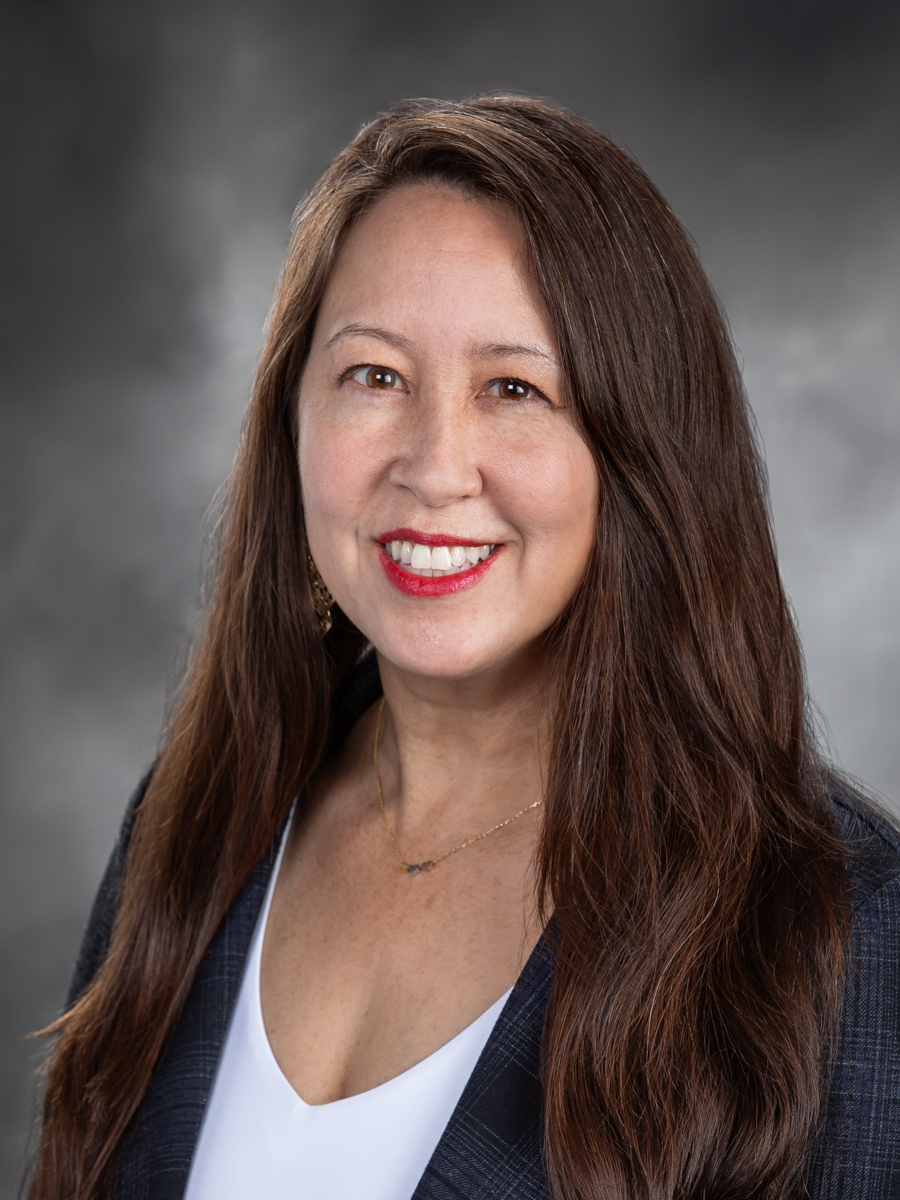
Rep. Davina Duerr
Sponsored bills
Maddy summaryHB 2151 requires Washington state to adopt national safety standards for factory-built housing and commercial structures, specifically aligning with International Code Council (ICC) guidelines for design, construction, and inspections. It directs the Department of Labor & Industries to enforce rules ensuring structural safety and compliance with plumbing, electrical, and energy codes, while allowing qualified inspection agencies (like ICC-certified firms) to conduct inspections. This bill directly affects builders, inspectors, and local enforcement agencies by replacing current state-specific requirements with nationally recognized standards. The law also establishes fee schedules for enforcement and permits fee waivers during emergencies.
Maddy summaryHB 1859 allows Washington religious organizations to develop affordable housing on their properties with increased density allowances. To qualify, at least 50% of units must be permanently affordable for low-income households (earning at or below 80% of local median income) for 50 years, with no discrimination based on protected characteristics. Religious organizations must cover all development fees and costs, and local governments must approve such projects if requested. This applies to new construction and rehab projects on religiously owned land, amending zoning laws to support affordable housing expansion.
Maddy summaryThis bill formally recognizes September 30, 2026, as Every Child Matters Day in the Washington State House of Representatives to honor victims and survivors of Indian boarding schools. It acknowledges the historical removal of Indigenous children from their families and communities, which aimed to assimilate them and resulted in cultural destruction and unmarked graves. The resolution also commends efforts to identify and preserve resources documenting the existence of these schools and the experiences of the children who attended them.
Maddy summaryThis bill is a commemorative resolution that celebrates the 50th anniversary of the Individuals with Disabilities Education Act, a federal law ensuring students with disabilities receive appropriate public education. It does not create new laws or change existing policies but serves to honor the law's impact and encourage public recognition of its contributions. The resolution acknowledges the role of families, educators, and advocates in supporting students with disabilities across Washington state. It expresses the legislature's commitment to maintaining equitable educational practices and inclusive opportunities for all learners.
Maddy summaryThis is a commemorative resolution (HR 4697) honoring Dr. Bernal Baca, recognizing his decades of service to Washington state. It highlights his work as a 30-year Yakima Valley College professor, founder of the Washington State Commission on Hispanic Affairs, leader in labor and education advocacy, and executive director of a Tacoma-based Latino community nonprofit. The resolution formally acknowledges his contributions to justice, education, and community building, with no policy changes or direct effects on specific groups. As a procedural measure, it serves solely to express the House's recognition of his legacy.
Maddy summaryHB 2617 eliminates Washington's current "fund split" funding method, which forces public colleges and universities to use tuition revenue for mandatory costs like faculty salaries and benefits. Instead, it requires the state to cover these costs directly, freeing tuition revenue to improve educational quality and student services. The bill also mandates a study by the Washington State Institute for Public Policy to define essential student services (such as counseling, tutoring, and career support) and determine their required funding levels, with a report due by December 2026. This aims to address structural underfunding that has reduced program offerings, increased class sizes, and strained institutional budgets.
Maddy summaryHB 1873 expands Washington State’s Working Connections Child Care program to include graduate and professional students enrolled full-time at higher education institutions. It sets eligibility at household income of 85% or less of the state median income (adjusted for family size), requires children to be under 13 or under 19 with a verified special need, and waives copayments where federal law allows (capping at $15). The bill also clarifies that two-parent households cannot be denied care based on the other parent’s availability and ensures graduate students qualify for full-time child care assistance under the program. These changes apply immediately upon enactment, with income thresholds and copayment rules adjusted to align with existing program tiers.
Maddy summaryThis Washington state joint memorial (HJM 4017) urges the U.S. federal government to take specific actions regarding Iran, directly affecting U.S. agencies and policymakers. It requests the U.S. refrain from military intervention, strengthen targeted sanctions against Iranian officials violating human rights, minimize harm from broad sanctions on civilians, and support Iranian democracy movements through diplomatic and humanitarian means. The resolution emphasizes prioritizing Iranian-led democratic processes and includes nine specific policy requests, such as expanding internet access and halting deportations to Iran. As a symbolic state resolution - not a binding law - it has no legal effect but formally expresses Washington’s position to federal authorities.
Maddy summaryThis resolution (HR 4692) acknowledges the 84th anniversary of Executive Order 9066, which led to the forced relocation and internment of over 120,000 Japanese Americans during WWII, including 12,000 from Washington State. It recognizes Japanese American veterans, incarcerees, and civil rights activists from Washington, and urges reflection on the principle "with liberty and justice for all," without creating new policies or requiring government action.