

Department of Homeland Security Appropriations Act, 2026 This bill provides FY2026 appropriations for various agencies and offices within the Department of Homeland Security (DHS), except for U.S. Immigration and Customs Enforcement (ICE), U.S. Customs and Border Protection (CBP), and management and oversight activities of the Office of the Secretary. Specifically, the bill provides appropriations to DHS for the Federal Protective Service, the Office of Inspector General, the Transportation Security Administration, the U.S. Coast Guard, the U.S. Secret Service, the Cybersecurity and Infrastructure Security Agency, the Federal Emergency Management Agency (FEMA), U.S. Citizenship and Immigration Services, the Federal Law Enforcement Training Centers, and the Science and Technology Directorate. The bill does not provide appropriations for some agencies and activities that have been funded in prior DHS appropriations acts, including ICE, CBP, and management and oversight activities of the Office of the Secretary.
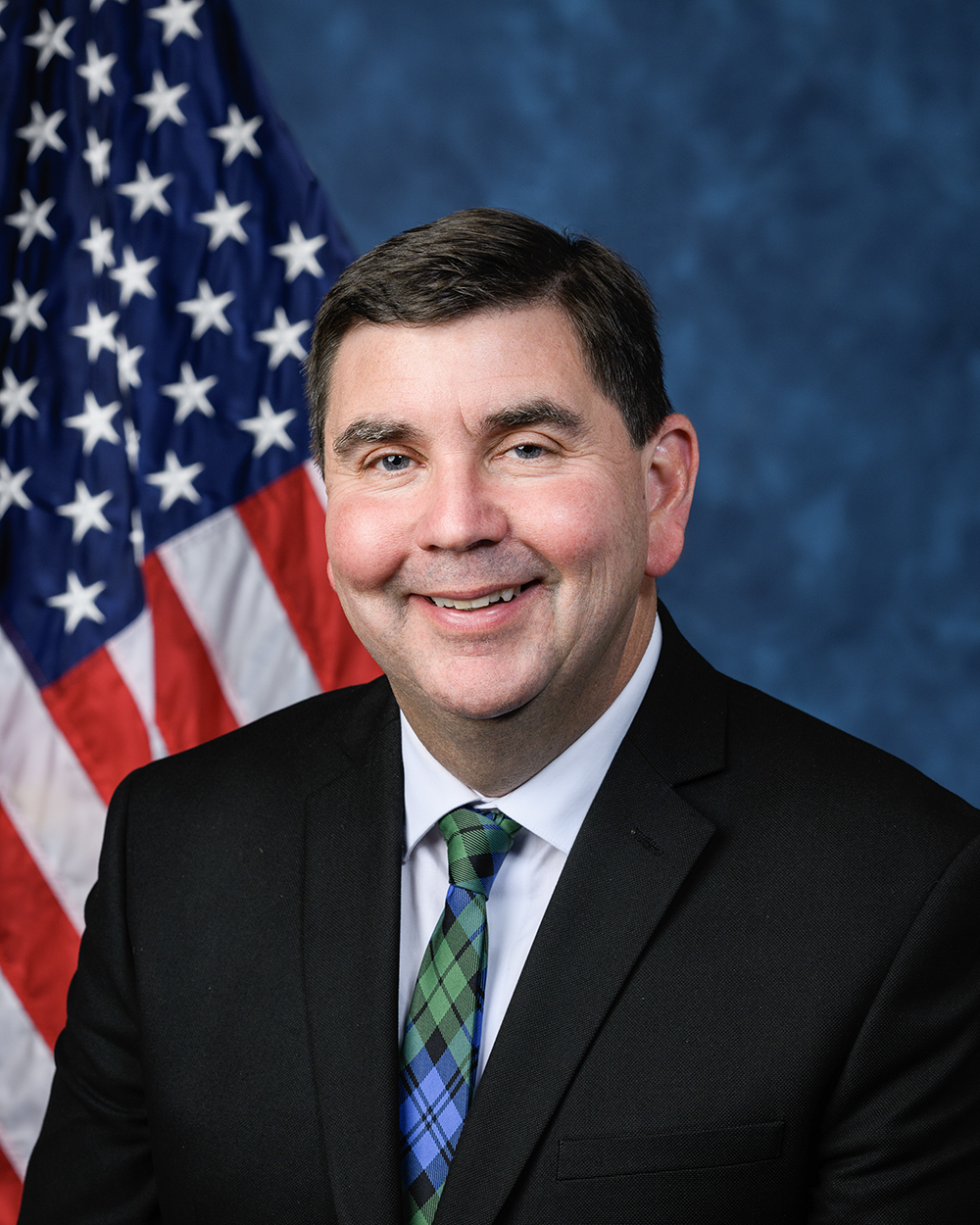
Rep. John W. Mannion
Sponsored bills
This bill designates the facility of the United States Postal Service located at 15422 NY 104 in Martville, New York, as the "Sergeant Staret J. Engleston Memorial Post Office Building".
Maddy summaryThis bill amends the tax code to exclude specific Social Security benefits from taxable income. It directly affects individuals receiving Social Security benefits that were previously subject to taxation due to certain pension rules (like the Windfall Elimination Provision), but are restored under the Social Security Fairness Act of 2023. The exclusion applies only to payments attributable to those restored benefits for months between January 2025 and December 2026. This changes the tax treatment of a defined subset of Social Security payments during a specific two-year period.
Maddy summaryThe Rebuild America's Schools Act of 2026 authorizes $20 billion annually from 2027 to 2031 to improve public school facilities nationwide. The bill provides grants to states to fund school construction, renovation, and modernization projects that focus on safety, energy efficiency, and accessibility, with priority given to schools serving high percentages of students eligible for free or reduced-price lunch. Funds cannot be used for routine maintenance, athletic facilities, or vehicles, and must meet specific environmental, safety, and energy efficiency standards. The bill also includes specific provisions for repairing school foundations affected by pyrrhotite, a mineral that causes concrete deterioration, and requires use of American-made materials for construction projects.
Weatherization Enhancement and Readiness Act of 2025 This bill reauthorizes through FY2030 and modifies the Weatherization Assistance Program. Under the program, the Department of Energy (DOE) provides grants for low-income households to improve the energy efficiency of their homes. The bill increases the cap on the average assistance provided per home from $6,500 to $12,000. The bill also directs DOE to include in its annual report to Congress a description of the impacts of enhancement and innovation readiness efforts on eligibility for assistance under the program.
Maddy summaryHR 6671, the REPAIR Infrastructure Act, reauthorizes $3 billion annually (2027-2031) for infrastructure projects that reconnect communities divided by highways or other "divisive roadway infrastructure" (like high-speed roads or viaducts). It directly affects local governments, tribes, and community groups seeking funding to rebuild access to jobs, healthcare, schools, and parks - especially in neighborhoods historically cut off by transportation projects. Key provisions prohibit using funds for new highway lanes, require projects to address historic inequities, and prioritize affordable housing, disability access, and community input. Projects must demonstrate how they prevent displacement, support low-income residents, and integrate with local land use (e.g., preserving affordable housing or limiting parking requirements).
Maddy summaryThis bill mandates federal research into health conditions affecting descendants of veterans exposed to toxins during military service, with a specific focus on descendants of veterans who served in Operation Ranch Hand (a Vietnam War unit exposed to Agent Orange). It requires the Department of Veterans Affairs to conduct a study collecting biological samples, health records, and surveys from these descendants to analyze genetic factors, birth defects, and preventative measures linked to toxic exposures. The study must produce a report detailing findings on correlations between exposure and health outcomes, including genetic markers and environmental factors. The research aims to inform future health policies but does not provide direct benefits or compensation to affected individuals.
Maddy summaryHJRES 144 is a congressional disapproval resolution targeting a specific rule issued by the Department of Veterans Affairs (VA) on December 31, 2025, which addressed "Reproductive Health Services" (90 Fed. Reg. 61310). This resolution directs Congress to disapprove the VA rule under Chapter 8 of Title 5, U.S. Code, meaning the rule would have no legal effect if passed. The bill directly affects the VA's implementation of reproductive health services for veterans, as it seeks to nullify the agency's existing policy. This is a procedural measure, not a substantive policy change, aimed solely at blocking the VA's rule through congressional action.
Maddy summaryHR 7262, the READ Act, provides $200 million annually (2026-2030) to help schools recover after disasters. It directs funds to state education agencies, which then distribute them to local public schools and non-public schools serving areas hit by declared disasters (like hurricanes or wildfires). Funds cover immediate recovery needs such as replacing lost student data, repairing minor facility damage, renting temporary classrooms, and replacing basic instructional materials - while prohibiting major construction or ideological content. Non-public schools must receive funding proportional to their student enrollment, ensuring equitable support compared to public schools. The bill requires funds to supplement, not replace, existing disaster aid.
Maddy summaryHRES 1018 is a resolution calling for the U.S. government and international partners to prioritize women's rights in Haiti's crisis response. It specifically demands ensuring at least 30% of Haiti's leadership positions (including security, humanitarian, and election roles) are held by women, funding services for gender-based violence survivors, and requiring gender-disaggregated data collection in all aid programs. The resolution also urges rebuilding U.S. Women, Peace, and Security programs and mandates that all policies address women's distinct needs in Haiti's transition. This resolution directly affects U.S. foreign policy implementation and Haiti's transitional government, emphasizing that women's inclusion is critical for stability.