

Maddy summaryHR 3978, the Nuclear REFUEL Act, amends the Atomic Energy Act to exclude certain nuclear fuel reprocessing methods from the definition of a "production facility." Specifically, it exempts facilities that reprocess spent nuclear fuel without separating plutonium from other elements, or continue uranium enrichment. This change would directly affect nuclear fuel recycling companies and facilities seeking to process spent reactor fuel under streamlined regulations. The bill focuses on altering regulatory classification to potentially simplify licensing for specific recycling processes.
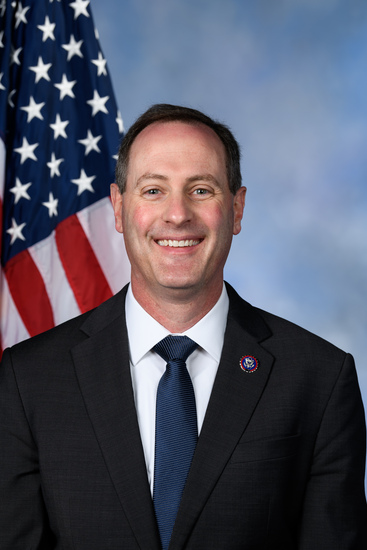
Rep. Tracey Mann
Sponsored bills
Maddy summaryHR 3194, the LOCOMOTIVES Act, prevents states from setting their own emissions standards for locomotives used in interstate commerce. It amends the Clean Air Act to clarify that federal emissions rules exclusively apply to locomotives providing common carrier railroad transportation for hire (like commercial freight or passenger services across state lines), excluding these from state regulation. This directly affects railroads operating interstate services and state environmental agencies that previously could establish stricter local rules for such locomotives. The bill does not change the actual emissions requirements but shifts regulatory authority solely to the federal government for this specific category of locomotives.
Maddy summaryThe Declaration of Independence Reaffirmation Act of 2026 directs Congress to formally reaffirm the Declaration of Independence as an organic law of the United States. This legislative measure is intended to commemorate the 250th anniversary of American independence by restating the document's principles regarding natural rights, equal citizenship, and government by consent. The bill includes the full text of the Declaration of Independence as part of its provisions. It does not create new legal obligations or alter existing laws but serves as a symbolic recognition of the document's foundational role in American political order.
Maddy summaryHR 4398, the Veteran Burial Timeliness and Death Certificate Accountability Act, requires Veterans Affairs (VA) physicians or nurse practitioners to certify the death of a veteran who dies of natural causes within 48 hours of learning of the death. This directly affects veterans' families, who previously faced delays of up to eight weeks in burial and access to survivor benefits due to slow death certifications. The bill mandates annual reports to Congress on VA compliance with the 48-hour rule, including statistics on delays and their causes. The key change is establishing a strict timeline for death certification to prevent unnecessary delays in honoring veterans' final arrangements.
Maddy summaryThe AI Security and Innovation Act establishes a new Center for AI Security and Innovation within the National Institute of Standards and Technology to assess risks and improve the security of artificial intelligence systems. This center will evaluate threats such as data leaks and model tampering, develop voluntary safety standards, and conduct research on advanced AI capabilities developed by both U.S. and foreign entities. The bill defines key terms like "artificial intelligence model" and "covered frontier system," and authorizes $20 million annually from 2027 to 2032 to fund the center's activities. While the center director will consult with various federal agencies and AI developers, the legislation explicitly prohibits the center from having regulatory or enforcement powers. The center is authorized to operate for five years before its provisions expire.
Maddy summaryHR 2332, the SHARE Act of 2025, standardizes how states share criminal history background check information for professional licensing across state lines. It requires the FBI to provide this information to state licensing authorities through agreements with law enforcement, specifically for verifying applicants seeking licenses or practice privileges in multiple states. The bill strictly prohibits states from sharing detailed criminal history records with other states or the public, allowing only a simple "satisfactory" or "unsatisfactory" result to be shared. This directly affects licensed professionals (like nurses or contractors) seeking to practice in multiple states and the state agencies that issue their licenses.
Maddy summaryThis resolution commemorates the fourth anniversary of the 2022 Supreme Court decision in Dobbs v. Jackson Women's Health Organization, which removed the federal constitutional right to abortion. The text expresses support for state authority to regulate abortion and acknowledges the work of pregnancy centers that provide care to women and families. It also recognizes the belief that unborn life possesses inherent rights and calls for the protection of that life. As a symbolic measure, the bill does not change any laws or policies but serves to formally celebrate the anniversary and state the House's position on the issue.
Maddy summaryThis bill redesignates the existing National Parks and Public Land Legacy Restoration Fund as the America's Legacy Restoration Fund to address deferred maintenance on federal lands. It directs revenue from recreation fees and a portion of energy development income into the fund, which must be used primarily for repairing critical infrastructure like roads, trails, and buildings managed by agencies such as the National Park Service and the Forest Service. The legislation establishes strict rules requiring that most funds go toward non-transportation projects, mandates transparency through public dashboards tracking project status, and sets aside a small percentage for matching private donations. Additionally, the bill increases entrance fees for foreign visitors to ensure they contribute to the fund, while prohibiting the use of these specific funds for land acquisition or employee bonuses.
Maddy summaryHR 2978, the GUARD Act, allows state, local, and tribal law enforcement agencies to use existing federal grant funds for investigating elder financial fraud, "pig butchering" investment scams, and general financial fraud. The bill directs these funds toward hiring specialized staff, training on blockchain tools and transnational fraud, purchasing investigative software, improving data collection, and creating financial sector liaisons to coordinate with banks. It requires annual reports from law enforcement on fund usage and outcomes, and mandates federal agencies to submit comprehensive reports to Congress on scam statistics, enforcement actions, and funding allocation. The legislation directly affects law enforcement agencies and aims to strengthen efforts against fraud targeting vulnerable populations, particularly elderly individuals.
Repealing Big Brother Overreach Act This bill repeals the Corporate Transparency Act. The act requires existing companies and newly created companies to report beneficial ownership information to the Department of the Treasury’s Financial Crimes Enforcement Network for purposes of addressing the financing of terrorism and money laundering.