

Maddy summaryHR 646, the SHORT Act, clarifies firearm definitions under federal law to exclude antique firearms and certain collector items from the "firearm" category. It removes restrictions on short-barreled rifles and shotguns used lawfully by eliminating specific prohibitions in federal law and preempts state laws imposing taxes or registration requirements on these weapons. The bill also mandates the destruction of federal records related to short-barreled rifles, shotguns, and other weapons defined under the National Firearms Act within 365 days of enactment. This directly affects owners of these specific firearms, particularly collectors and individuals possessing short-barreled weapons legally under federal law. The key mechanisms include revised definitions, federal preemption of state regulations, and record destruction requirements.
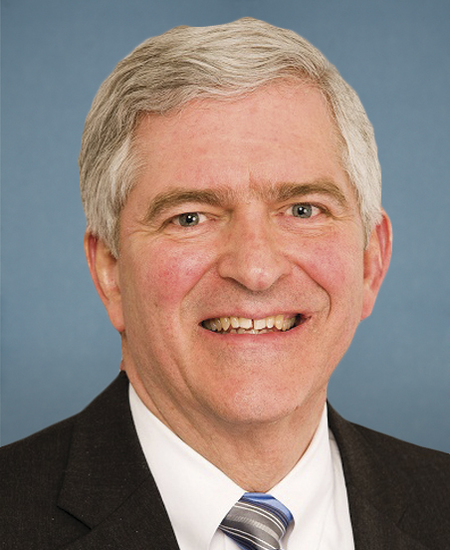
Rep. Daniel Webster
Sponsored bills
Maddy summaryThe Federal Infrastructure Bank Act of 2023 would establish a new Federal Infrastructure Bank to provide financing for infrastructure projects across the United States. The bank would offer loans, loan guarantees, and equity investments to eligible entities for qualifying projects including highways, ports, airports, energy systems, and public transportation. The bill requires at least 10% of funding to support rural infrastructure projects and prohibits the bank from funding projects owned or influenced by the Chinese government or projects outside the United States. The bank would operate as a subsidiary of a Federal Infrastructure Bank Holding Company, with both entities exempt from most taxes. The bank would also establish an Infrastructure Guarantee Fund to cover defaults on loans or guarantees.
Maddy summaryThe Restoring Military Focus Act (HR 678) repeals the Chief Diversity Officer position in the Department of Defense and prohibits the creation of similar roles. It specifically eliminates two existing positions: the Chief Diversity Officer (under pre-2021 Title 10, U.S. Code) and the Senior Advisor for Diversity and Inclusion (under the 2021 National Defense Authorization Act). The bill bans federal funding for any new position that matches or closely resembles these roles. This directly affects the Department of Defense's organizational structure by removing diversity-focused leadership roles and preventing their replacement.
Keep Huawei on the Entity List Act This bill continues export controls on Huawei Technologies Co. Ltd., and it requires the Department of Commerce to designate Honor Device Co. Ltd. for inclusion on the list of entities subject to certain license requirements for exports. The bill prohibits Commerce from removing Huawei (or its subsidiaries or affiliates) from the entity list unless Commerce certifies that Huawei (1) has not engaged in activities that are contrary to U.S. national security or foreign policy interests and is unlikely to do so in the future; and (2) is not owned, controlled, or influenced by the Communist Party of China. Commerce must submit a monthly report identifying and describing all license applications to export, reexport, or transfer (in-country) certain items to Huawei or Honor, as well as whether those applications were approved or denied.
Taliban Rare Earth Minerals Sanctions Act This bill requires the President to impose sanctions on foreign individuals and entities that knowingly engage in a significant transaction involving the rare earth mineral sector of Afghanistan. The President must impose property-blocking sanctions on such foreign individuals and entities, as well as visa-blocking sanctions on the individuals.
This resolution recognizes and appreciates the dedication and devotion demonstrated by the men and women of law enforcement. It also condemns calls to defund, disband, dismantle, or abolish the police.
Maddy summaryThis bill would prohibit the FDA from approving new abortion medications or investigational uses of existing ones. It would restrict currently approved abortion drugs to in-person administration only in clinics, hospitals, or medical offices by certified providers who can handle complications like ectopic pregnancy or severe bleeding. The law requires detailed adverse event reporting (excluding patient identifiers) to the FDA by both manufacturers and prescribers, and mandates provider certification covering pregnancy assessment, surgical intervention capabilities, and patient safety documentation. These provisions apply directly to healthcare providers, patients seeking medication abortions, and manufacturers of abortion drugs.
This bill nullifies certain changes made by the Food and Drug Administration (FDA) to dispensing requirements for mifepristone. (Mifepristone is a drug that is approved to end pregnancies through 10 weeks gestation when used in conjunction with the drug misoprostol. The procedure is often referred to as medication abortion or the abortion pill.) The FDA regulates the use of mifepristone through the Mifepristone Risk Evaluation and Mitigation Strategy (REMS) program. The program requires health care providers to comply with certain requirements in order to prescribe or dispense mifepristone to end a pregnancy; the program previously included an in-person dispensing requirement that required mifepristone to be directly dispensed to patients in clinics, medical offices, or hospitals. During the COVID-19 public health emergency, the FDA temporarily stopped enforcing the in-person dispensing requirement, which allowed mail-order pharmacies to fill and dispense mifepristone prescriptions. In January 2023, the FDA modified program requirements so as to (1) remove the in-person dispensing requirement, and (2) require pharmacies to be certified in the program in order to dispense mifepristone. The modifications allow retail pharmacies, after receiving certification, to dispense mifepristone pursuant to prescriptions that are written by program-certified prescribers. The bill nullifies the January 2023 changes and prohibits any similar changes in the future.
Protecting Life from Chemical Abortions Act This bill nullifies certain changes made by the Food and Drug Administration (FDA) to dispensing requirements for mifepristone. (Mifepristone is a drug that is approved to end pregnancies through 10 weeks gestation when used in conjunction with the drug misoprostol. The procedure is often referred to as medication abortion or the abortion pill.) The FDA regulates the use of mifepristone through the Mifepristone Risk Evaluation and Mitigation Strategy (REMS) program. The program requires health care providers to comply with certain requirements in order to prescribe or dispense mifepristone to end a pregnancy; the program previously included an in-person dispensing requirement that required mifepristone to be directly dispensed to patients in clinics, medical offices, or hospitals. During the COVID-19 public health emergency, the FDA temporarily stopped enforcing the in-person dispensing requirement, which allowed mail-order pharmacies to fill and dispense mifepristone prescriptions. In January 2023, the FDA modified program requirements so as to (1) remove the in-person dispensing requirement, and (2) require pharmacies to be certified in the program in order to dispense mifepristone. The modifications allow retail pharmacies, after receiving certification, to dispense mifepristone pursuant to prescriptions that are written by program-certified prescribers. The bill nullifies the January 2023 changes and prohibits the FDA from (1) exercising any enforcement discretion with respect to program requirements, or (2) reducing program protections until every state submits certain data regarding abortions to the Centers for Disease Control and Prevention. The bill also generally prohibits the declaration of a public health emergency with respect to abortions.
Maddy summaryThe Educational Choice for Children Act creates tax credits for individuals and corporations that contribute to scholarship granting organizations providing education scholarships. Individuals can claim a credit up to $5,000 or 10% of their income, while corporations can claim up to 5% of taxable income. The scholarships are available to students from households with income up to 300% of the area median income, and can be used for private school tuition, tutoring, and other educational expenses at elementary and secondary schools. The bill includes strict requirements for scholarship organizations to verify income, conduct audits, and prevent misuse of funds, while also prohibiting government control over these organizations and protecting private and religious schools from discrimination in the program. It establishes a $10 billion annual cap on the total tax credits available.