Issue · Housing

Housing

Every housing bill, vote, and legislator stance in Washington, automatically classified by Maddy, our AI policy reader.

Total bills
220
2025-2026 Regular Session
Top supporter
Zach Hall
100% support rate
Top opponent
Jeremie Dufault
10% support rate
Ranked legislators
10
5 support · 5 oppose
Key legislators

Who's moving housing in Washington

Legislators moving housing in Washington
Legislator Party Stance Support rate Votes
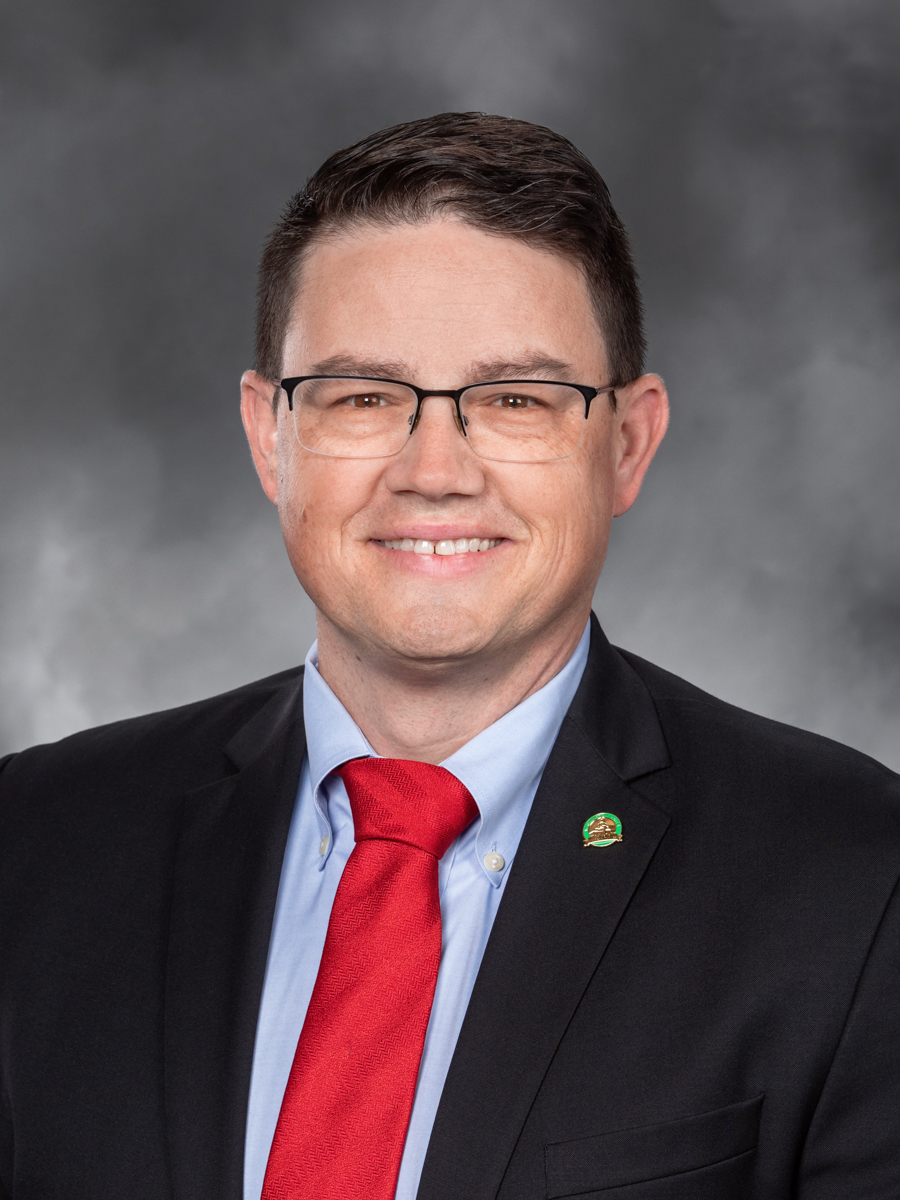
Zach Hall
Zach Hall House · District 5
D
Strong +
100% 123
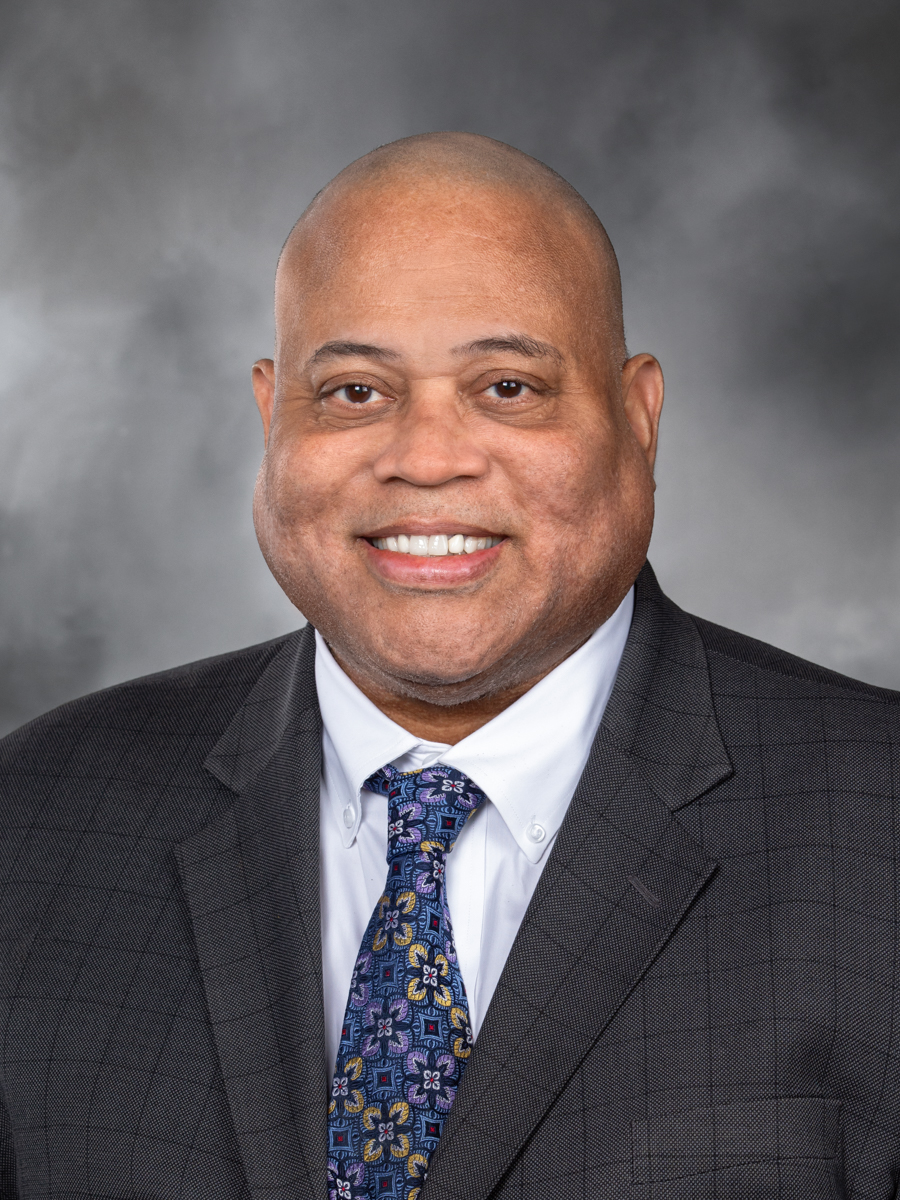
David Hackney
David Hackney House · District 11
D
Strong +
100% 154
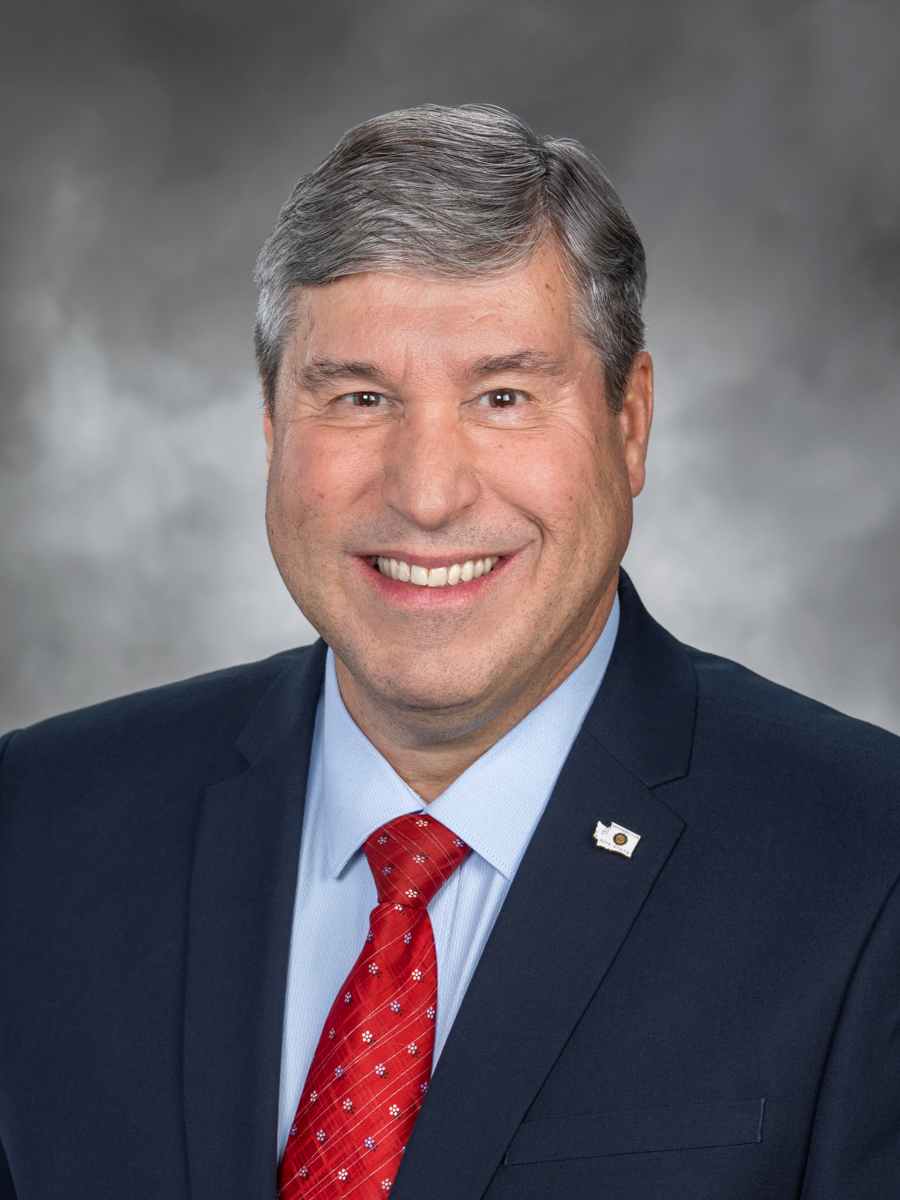
Greg Nance
Greg Nance House · District 23
D
Strong +
97% 195
Jesse Salomon
Jesse Salomon Senate · District 32
D
Strong +
95% 112
Kristine Reeves
Kristine Reeves House · District 30
D
Strong +
95% 196
Jeremie Dufault
Jeremie Dufault House · District 15
R
Strong −
10% 205
Jim Walsh
Jim Walsh House · District 19
R
Strong −
10% 206
Chris Corry
Chris Corry House · District 15
R
Strong −
10% 196
Michael Keaton
Michael Keaton House · District 25
R
Strong −
10% 207
Joel McEntire
Joel McEntire House · District 19
R
Strong −
11% 134
Showing 181–190 of 220 bills

All housing bills

signed · Washington · Senate May 20, 2025

SB 5232: Updating eligible uses for the essential needs and housing support program.

SB 5232 updates the Essential Needs and Housing Support (ENHS) program in Washington State, impacting individuals eligible for these services and the entities that provide them. The bill allows designated support entities to use funds more flexibly to provide essential needs items and housing support to recipients. A significant change is the allowance of direct cash assistance, including through debit cash cards, when identified in a client's housing stability plan, removing a prior restriction. It also expands eligibility to include certain low or extremely low-income elderly or disabled adults transitioning off other benefits. Additionally, the bill aligns the administration rate for ENHS entities with other programs funded by the home security fund.
Sub-Topics Homelessness
in committee · Washington · House Jan 12, 2026

HB 1867: Allowing counties or cities to impose a real estate excise tax for the purpose of developing affordable housing, subject to the will of the voters.

HB 1867 allows Washington counties or cities to impose a real estate excise tax of up to 0.5% on home sales, with proceeds dedicated exclusively to developing affordable housing for very low, low, and moderate-income residents and those with special needs. Local governments must first gain voter approval through a majority vote in an election, either via a resolution from local officials or a petition signed by 10% of eligible voters. The tax revenue must be managed through a competitive grant process for nonprofit housing providers, housing authorities, or public agencies, with spending plans requiring public hearings. Counties and cities cannot levy this tax if the county has already implemented a similar tax under prior law. This bill directly affects local governments and homebuyers/sellers in communities that choose to adopt the tax.
in committee · Washington · Senate Jan 12, 2026

SB 5679: Expanding eligibility to utilize the multifamily tax exemption program to all counties required or choosing to plan under RCW 36.70A.040.

SB 5679 expands eligibility for Washington's multifamily tax exemption program to include all counties required or choosing to plan under the Growth Management Act (RCW 36.70A.040), removing a previous population requirement. This change directly affects counties that must develop comprehensive plans under state law, allowing them to apply for the tax exemption program for multifamily housing projects. The bill amends definitions in RCW 84.14.010 to define "county" as any jurisdiction meeting the planning requirement, and adds new criteria for designating residential targeted areas, including mandatory displacement risk evaluations for county-designated areas after July 2021. The policy change aims to increase affordable housing opportunities by broadening access to tax incentives for qualifying multifamily developments.
in committee · Washington · House Jan 12, 2026

HB 1380: Allowing objectively reasonable regulation of the utilization of public property.

HB 1380 establishes standards for local governments to regulate public space use, specifically addressing ordinances that restrict sitting, lying, sleeping, or keeping warm and dry in public areas for people experiencing homelessness. It requires such laws to be "objectively reasonable" by considering public safety, availability of shelter, impact on homeless individuals, and proportionality - prohibiting excessive measures. The bill allows individuals to challenge unreasonable ordinances in court through injunctive or declaratory relief, while protecting local governments from monetary lawsuits. It applies to all cities, towns, and code cities in Washington, aiming to balance public safety with housing access during the homelessness crisis.
Sub-Topics Courts Homelessness
in committee · Washington · Senate Jan 12, 2026

SB 5461: Concerning residential development in limited areas of more intensive rural development.

This bill requires Washington counties and cities to update their comprehensive plans with specific new elements. It mandates detailed housing analysis for all income levels (including low and very low-income households), explicit strategies to address racially disparate housing impacts from zoning, and anti-displacement policies like inclusionary zoning. The bill also requires land use planning to protect groundwater, mitigate wildfire risks through development standards, and coordinate capital facilities planning with housing needs. These changes apply directly to local governments managing urban growth areas and rural development zones. The bill does not alter existing housing laws but adds new requirements to local planning documents.
Sub-Topics Land Use Property Development Zoning Tags Rural Communities
in committee · Washington · House Jan 12, 2026

HB 1299: Concerning minimum parking requirements.

HB 1299 reduces minimum parking requirements for new developments across Washington. It caps residential parking at 0.5 spaces per unit (for cities) or 1 space per unit (for code cities), and commercial parking at one space per 1,000 square feet. The bill exempts small buildings (under 1,200 sq ft residential or 5,000 sq ft commercial), affordable/senior/disabled housing, childcare, alcohol facilities, and mixed-use projects from minimum parking rules. It also allows cities to waive parking requirements for transit-accessible housing (within 1/4 mile of frequent transit) and requires local governments to assess actual parking needs case-by-case. The law directly affects developers and local governments by shifting parking mandates from rigid rules to flexible, location-based decisions.
Sub-Topics Zoning
signed · Washington · House May 7, 2025

HB 1757: Modifying regulations for existing buildings used for residential purposes.

HB 1757 modifies regulations for existing buildings in Washington state, aiming to streamline the process for adding residential units. It requires cities to allow up to 50% more housing density within an existing building's footprint in multifamily zones and prohibits new parking requirements for these additional units. The bill also limits local governments from imposing certain permitting, design, and energy code requirements on these conversions beyond what is generally applicable. Cities must adopt these changes by June 30, 2026, or the state requirements will automatically take effect.
Sub-Topics Building Codes Zoning
in committee · Washington · Senate Jan 12, 2026

SB 5554: Concerning historic landmark designations.

SB 5554 requires cities in Washington to adopt or update local regulations for residential and mixed-use properties within one year to align with new historic landmark designation rules. The bill prohibits cities from designating properties under 40 years old as historic landmarks and mandates written owner consent for any designation that restricts property use, alteration, or demolition - without consent, such designations are invalid. Exceptions apply only for properties within existing historic districts established under local ordinances. The law overrides conflicting local rules and applies to all cities, including code cities, with specific provisions for implementation timelines.
signed · Washington · House May 17, 2025

HB 1774: Modifying allowable terms for the lease of unused highway land.

House Bill 1774 allows the Washington State Department of Transportation (WSDOT) to consider social, environmental, or economic benefits when determining lease terms for unused highway land. This applies when WSDOT leases property to public agencies, tribes, historical societies, or community-based nonprofit organizations for specific "community purposes." These purposes include providing housing, shelter programs, parks, public recreation, salmon habitat restoration, or public transportation uses. The bill outlines factors for WSDOT to evaluate such lease agreements and requires lessees to maintain the property and use it solely for the designated community purpose. WSDOT must also provide annual reports to the legislature on these active lease agreements.
Sub-Topics Roads & Highways
signed · Washington · Senate May 20, 2025

SB 5471: Authorizing middle housing in unincorporated growth areas and unincorporated urban growth areas, certain limited areas of more intensive rural development, and fully contained communities.

Senate Bill 5471 authorizes counties to permit "middle housing" in specific unincorporated areas, including designated urban growth areas and certain limited rural development areas. This allows for up to four residential units on parcels typically zoned for single-family homes. Counties implementing this must ensure middle housing development standards are no more restrictive than those for single-family residences, while still allowing objective standards like setbacks to apply. All such housing must be served by appropriate water and sewer services, and county actions to implement these provisions are exempt from certain administrative and judicial appeals.
Showing 181 to 190 of 220 bills
Previous 1 18 19 20 22 Next