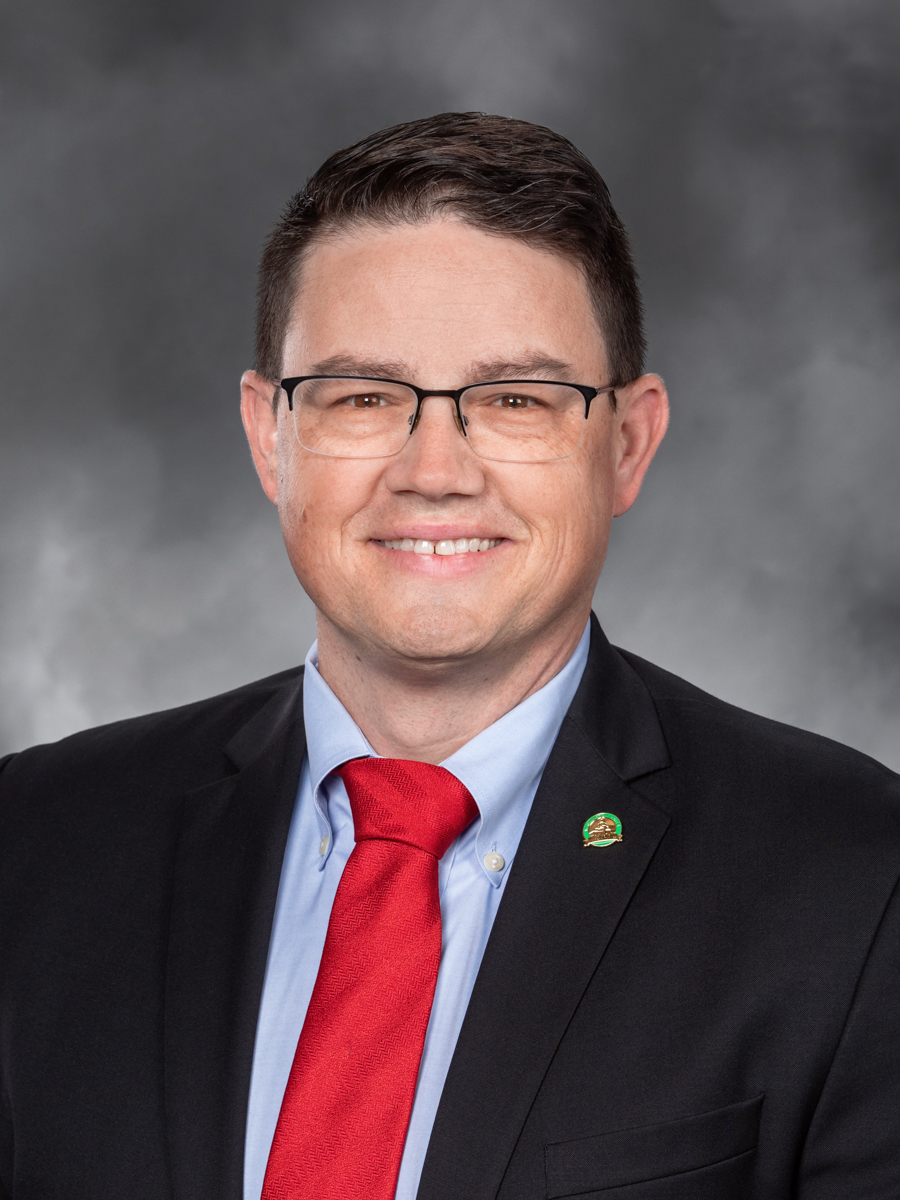
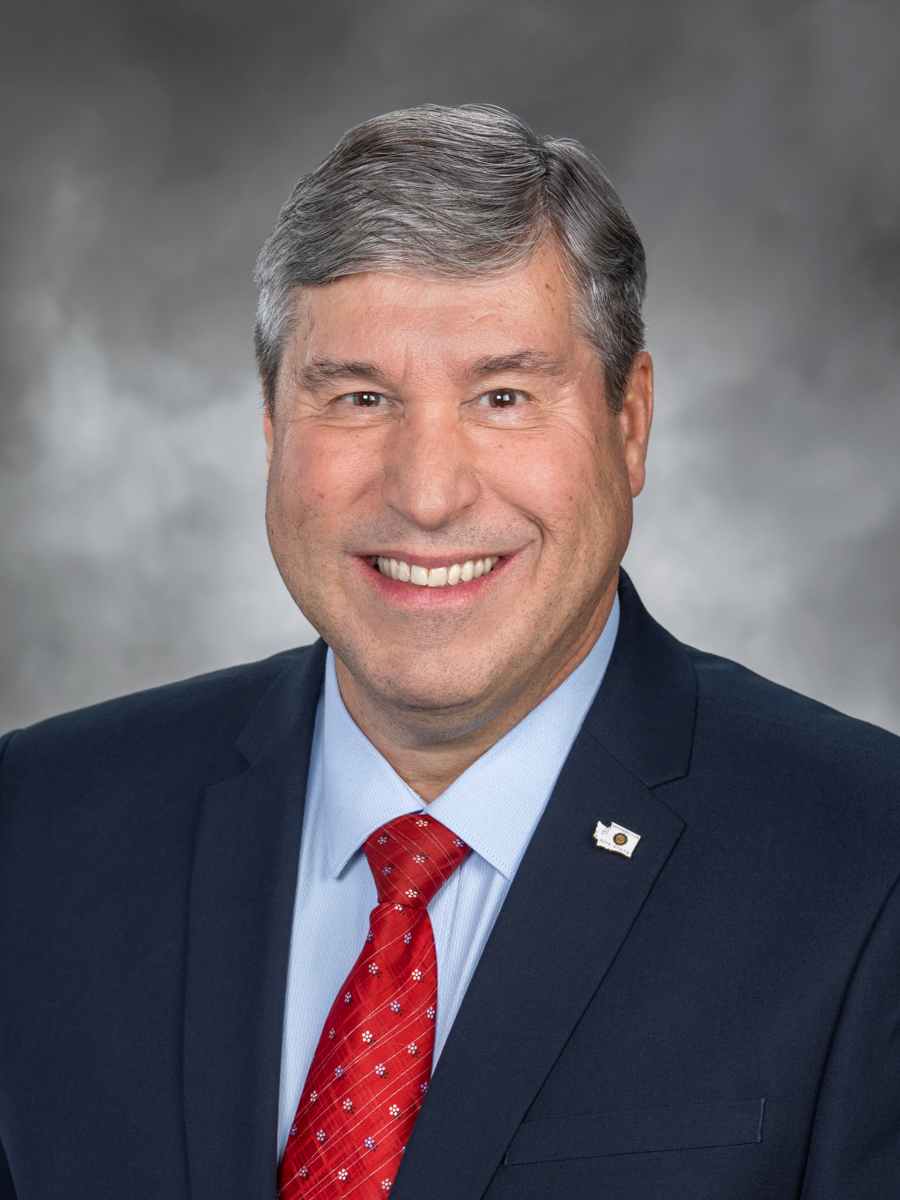
Key legislators
Who's moving housing in Washington
Showing 5 of 5
bills
All housing bills
HB 1345 restricts detached accessory dwelling units (ADUs) - separate small homes on the same lot as a main house - outside urban growth areas in Washington counties. It requires counties to limit each parcel to one ADU, set size limits (max 1,296 sq ft), mandate water metering and sewage capacity documentation, and require ADUs to be within 150 feet of the main home. Counties must enforce penalties for unpermitted ADUs (including $1,000 fines, removal orders, and 3-year permit bans) and track ADU permits for land-use planning updates. The bill applies only to counties allowing such ADUs outside urban areas, not affecting existing urban or rural ADU rules.
HB 2442 allows Washington counties and cities to impose specific real estate excise taxes to fund local capital projects and affordable housing. It authorizes a 0.25% tax on real property sales for general capital projects (like streets, parks, and sewer systems), with strict usage rules requiring projects to align with comprehensive plans. Additionally, it creates a separate 0.5% tax exclusively for affordable housing development, including acquisition, construction, and maintenance for low- and moderate-income residents. Local governments must document funding plans for future projects and follow voter approval processes for new taxes, while funds must be managed through competitive grant processes for housing initiatives. The bill directly affects local governments by expanding their tax tools for infrastructure and housing priorities.
Senate Bill 5529 amends the county population requirements for jurisdictions that can offer property tax exemptions on accessory dwelling units (ADUs). It lowers the minimum population threshold, allowing counties with populations between 900,000 and 1,500,000 to also exempt ADUs from taxation. This aims to incentivize homeowners to rent these units to low-income households, provided conditions like tenant income verification and rent limits are met. For these newly eligible counties, the exemption specifically applies to detached ADUs and requires a local legislative authority resolution.
House Bill 1494 modifies existing property tax exemptions for new and rehabilitated multiple-unit dwellings in urban centers. The bill clarifies definitions related to "affordable housing" and the population requirements for cities to qualify for these exemptions. A key provision expands the definition of "rehabilitation improvements" to include modifications to occupied buildings that increase the number of multi-family housing units. These changes do not extend the duration of the exemptions or expand them to include conversions of market-rate buildings to affordable housing. The bill primarily affects property owners, developers, and residents involved with multi-unit housing projects in designated urban areas.
HB 1183 reforms building codes and development regulations for cities and counties in Washington to encourage affordable and sustainable building practices. The bill mandates that cities allow for increased housing density, reduced parking requirements, and streamlined permitting when adding residential units within existing commercial or mixed-use buildings. It also provides flexibility in setback and roof height rules for existing buildings undergoing residential retrofits and for new construction or retrofits meeting "passive house" energy efficiency standards. These changes aim to reduce regulatory barriers for converting existing structures into homes and promote energy-efficient construction.