Issue · Environment

Environment

Every environment bill, vote, and legislator stance in Washington, automatically classified by Maddy, our AI policy reader.

Total bills
257
2025-2026 Regular Session
Top supporter
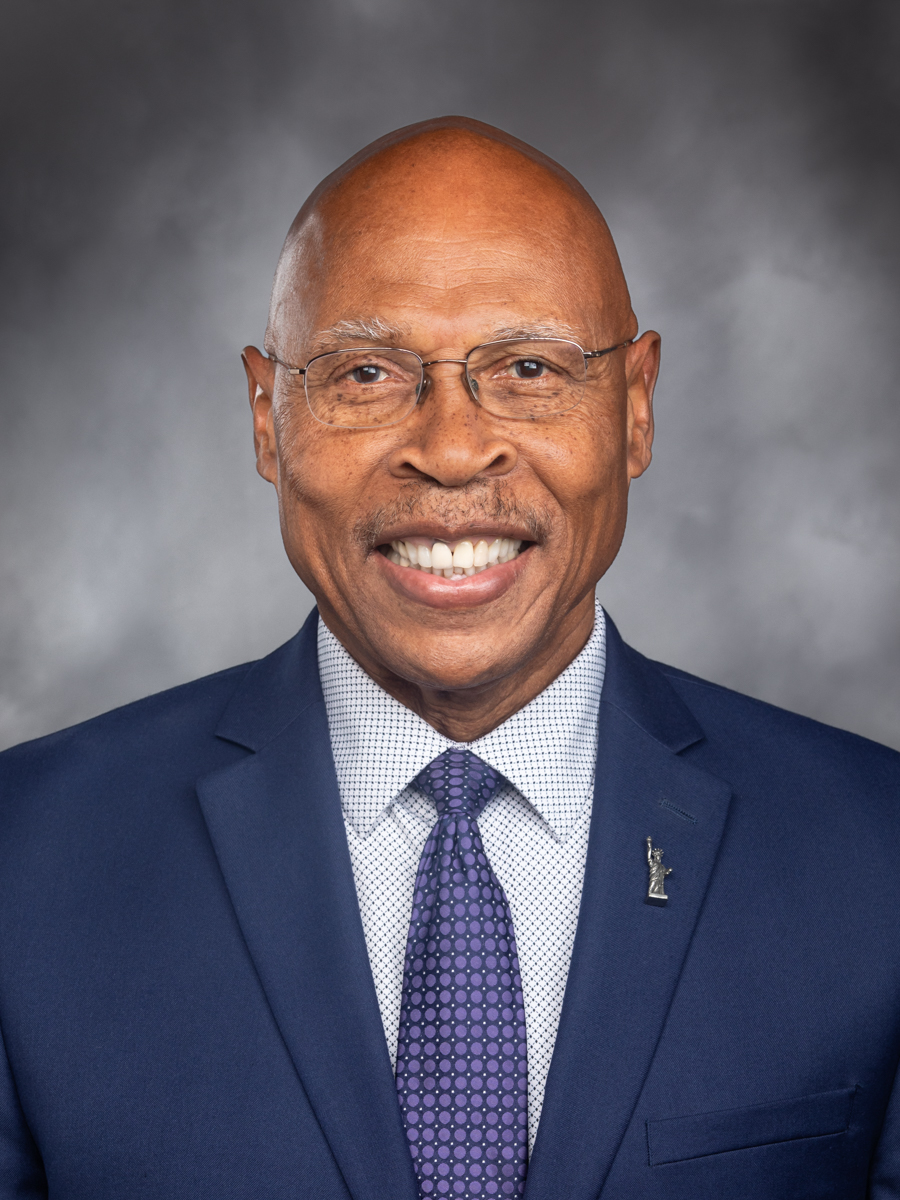
Zach Hall
90% support rate
Top opponent
Jim McCune
15% support rate
Ranked legislators
10
5 support · 5 oppose
Key legislators

Who's moving environment in Washington

Legislators moving environment in Washington
Legislator Party Stance Support rate Votes
Zach Hall
Zach Hall House · District 5
D
Strong +
90% 46
Lisa Wellman
Lisa Wellman Senate · District 41
D
Strong +
88% 51
Drew Hansen
Drew Hansen Senate · District 23
D
Strong +
88% 51
Steve Conway
Steve Conway Senate · District 29
D
Strong +
88% 52
John Lovick
John Lovick Senate · District 44
D
Strong +
88% 52
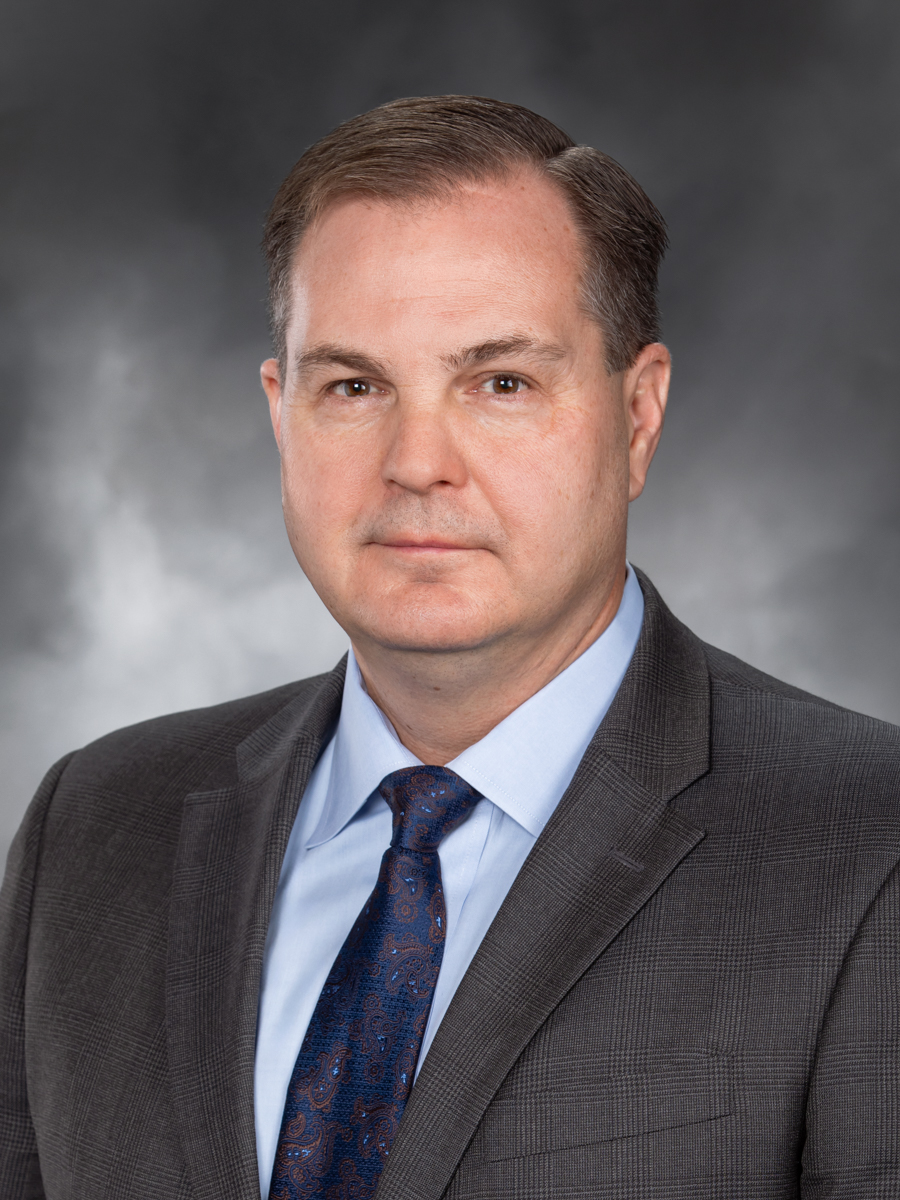
Jim McCune
Jim McCune Senate · District 2
R
Strong −
15% 52
Drew MacEwen
Drew MacEwen Senate · District 35
R
Strong −
18% 52
Leonard Christian
Leonard Christian Senate · District 4
R
Strong −
18% 52
Ron Muzzall
Ron Muzzall Senate · District 10
R
Oppose
21% 52
John Braun
John Braun Senate · District 20
R
Oppose
21% 52
Showing 101–110 of 257 bills

All environment bills

passed · Washington · Senate Mar 12, 2026

SB 5838: Adding a tribal member to the board of natural resources.

SB 5838 amends Washington State law to add a seventh member to the Board of Natural Resources, specifically a tribal representative. This representative must be a member of a federally recognized tribe in Washington, appointed by the governor after consulting with tribes, and serve a four-year term. The change directly affects the board's composition and decision-making process regarding natural resources management. The bill requires the governor to collaborate with tribes during the appointment and specifies that the tribal representative joins existing members like the governor's designee and county representatives. This adjustment aims to integrate tribal perspectives into natural resource decisions, as stated in the bill's findings.
Tags Tribal Nations
in committee · Washington · Senate Jan 27, 2026

SB 5893: Addressing appropriations for long-term forest health and wildfire reduction.

SB 5893 appropriates an additional $65 million from the natural climate solutions account for the 2026 fiscal year to support forest health and wildfire reduction programs. The bill addresses a funding shortfall identified in previous legislation (chapter 298, Laws of 2021), which lacked sufficient resources to fully implement forest restoration and wildfire mitigation efforts. This funding specifically targets the "wildfire response, forest restoration, and community resilience account" to cover the $125 million needed for the 2025-2027 biennium. The bill does not create new policy but allocates existing funds to fulfill previously authorized program needs.
in committee · Washington · House Jan 28, 2026

HB 2170: Expanding revenue generation and economic opportunities from natural climate solutions and ecosystem services.

HB 2170 would authorize Washington’s Department of Natural Resources to generate revenue from state lands and waters through carbon credit programs and other ecosystem service projects, such as reforestation, kelp restoration, and water purification. The bill directly affects the department (which manages 6 million acres of state lands) and trust beneficiaries by enabling it to enter carbon markets like private landowners already do, with contracts lasting up to 125 years. Key provisions include requiring board approval for minimum payments, allowing sales of ecosystem service credits to markets, and directing proceeds to state accounts for environmental projects like salmon habitat improvement. The bill aims to diversify state revenue streams while leveraging natural climate solutions, aligning with Washington’s existing cap-and-invest climate program. It remains a proposed bill (prefiled but not yet enacted).
Sub-Topics Revenue Forestry
in committee · Washington · Senate Jan 16, 2026

SB 5821: Integrating advanced nuclear energy into the state energy strategy.

Washington's SB 5821 directs the Department of Commerce to develop a nuclear power strategic framework by December 2026, assessing how advanced nuclear energy could support the state's clean energy goals. The framework must evaluate state objectives, development processes (including permitting and tribal consultation), challenges, and policy recommendations - such as streamlining site approvals at previously used nuclear or fossil fuel sites. This bill affects state agencies, utilities, and stakeholders involved in energy planning, aiming to integrate nuclear power as a reliable, clean energy source to meet Washington's 2045 emissions targets and growing electricity demand.
signed · Washington · House Mar 23, 2026

HB 2089: Supporting wildfire mitigation by modifying RCW 82.04.29005, concerning taxes on loan interest.

HB 2089 modifies Washington's tax code to redirect revenue from a business tax preference for "community banks" toward wildfire response funding. It updates the definition of "community bank" from "operating in ten or fewer states" to align with the federal standard ($10 billion or less in assets), reversing a 2012 policy that allowed 65% of tax savings ($91.6 million in 2023) to flow to non-community banks. Starting November 2027, the state will transfer annual revenue gains from this tax change directly into the wildfire response account, which funds forest restoration and community resilience. This bill directly affects financial institutions previously qualifying under the outdated definition, while ensuring funds support wildfire mitigation as mandated by the 2021 wildfire response account.
signed · Washington · House Mar 30, 2026

HB 2215: Concerning climate commitment act compliance obligations for fuels supplied or otherwise sold into Washington.

HB 2215 adjusts compliance thresholds under Washington's Climate Commitment Act for fuel suppliers. It lowers the de minimis exemption from 25,000 to 500 metric tons of carbon dioxide equivalent annually for most fuel suppliers (including gasoline, diesel, biodiesel, and propane), requiring them to report emissions if their fuel combustion exceeds this threshold. The bill excludes fuel volumes delivered outside Washington or combusted outside the state, and directs the Department of Ecology to enforce rules uniformly across all regions and fuel types. This change aims to prevent market distortions by ensuring consistent compliance obligations for fuel businesses operating within the state.
in committee · Washington · House Jan 12, 2026

HB 2181: Paying for response activities for the December 2025 significant atmospheric river and winter event.

HB 2181 allocates $690 million in excess climate commitment auction revenue to repair transportation infrastructure damaged by the December 2025 atmospheric river and winter storm event. It specifically funds cleanup, repairs, and restoration of Interstate 90, State Routes 2, 167, and 410, and other critical transportation systems affected by the emergency. The funding comes directly from the Climate Investment Account, as authorized by the Climate Commitment Act, and is tied to emergency proclamation 25-07. This bill uses existing climate revenue for immediate infrastructure recovery, without creating new taxes or altering broader climate program requirements.
Sub-Topics Roads & Highways
in committee · Washington · House Feb 19, 2026

HB 2134: Concerning regional transportation plans, of regional transportation planning organizations containing certain counties, providing for reductions in greenhouse gas emissions and vehicle miles traveled.

HB 2134 requires regional transportation planning organizations (RTPOs) serving specific counties to include measurable reductions in greenhouse gas emissions and vehicle miles traveled (VMT) in their transportation plans. It applies only to counties meeting strict criteria: those with high population density (100+ people/sq mi, 200,000+ population), river-bordering counties with growth rates ≥1.65%, or counties west of the Cascades with ≥130,000 residents. The bill mandates RTPOs to develop integrated regional plans that prioritize cost-effective projects, coordinate across county lines, and include financial strategies, while requiring biennial plan reviews. These plans must balance regional mobility with climate goals, focusing on existing infrastructure efficiency and transportation demand management.
Sub-Topics Climate Change
in committee · Washington · House Feb 2, 2026

HB 2212: Reducing microplastic pollution from washing machines.

HB 2212 requires new commercial and industrial washing machines sold in Washington to include microfiber filters that capture tiny plastic fibers (under 5mm) starting July 1, 2028, with existing machines needing filters by July 1, 2034. It mandates clear labeling on machines and regular filter maintenance to prevent microplastics - released in high numbers per laundry load - from entering waterways. The bill also allows for future residential machine requirements if other states adopt similar rules and costs stay below $70 per unit. Violations face civil penalties up to $10,000 per offense, enforced by the Department of Ecology. This targets a major pollution source linked to health and marine ecosystem risks.
Sub-Topics Recycling
signed · Washington · House Mar 20, 2026

HB 2104: Concerning aviation assurance funding in response to wildland fires.

HB 2104 makes permanent a 2023 pilot program providing financial assurance for local and tribal fire departments in Washington to use certified aircraft (like planes dropping water or fire retardant) during the initial response to wildland fires. It removes the program’s expiration date, ensuring ongoing state funding to help fire departments deploy aviation resources quickly without waiting for state mobilization. This directly affects local fire departments by guaranteeing they can afford aircraft use when needed, especially during high-risk summer conditions with dry fuels. The bill requires that aviation deployment be directed by trained air operations commanders and aims to prevent small fires from growing large, protecting communities, natural resources, and air quality.
Sub-Topics Air Quality
Showing 101 to 110 of 257 bills
Previous 1 10 11 12 26 Next