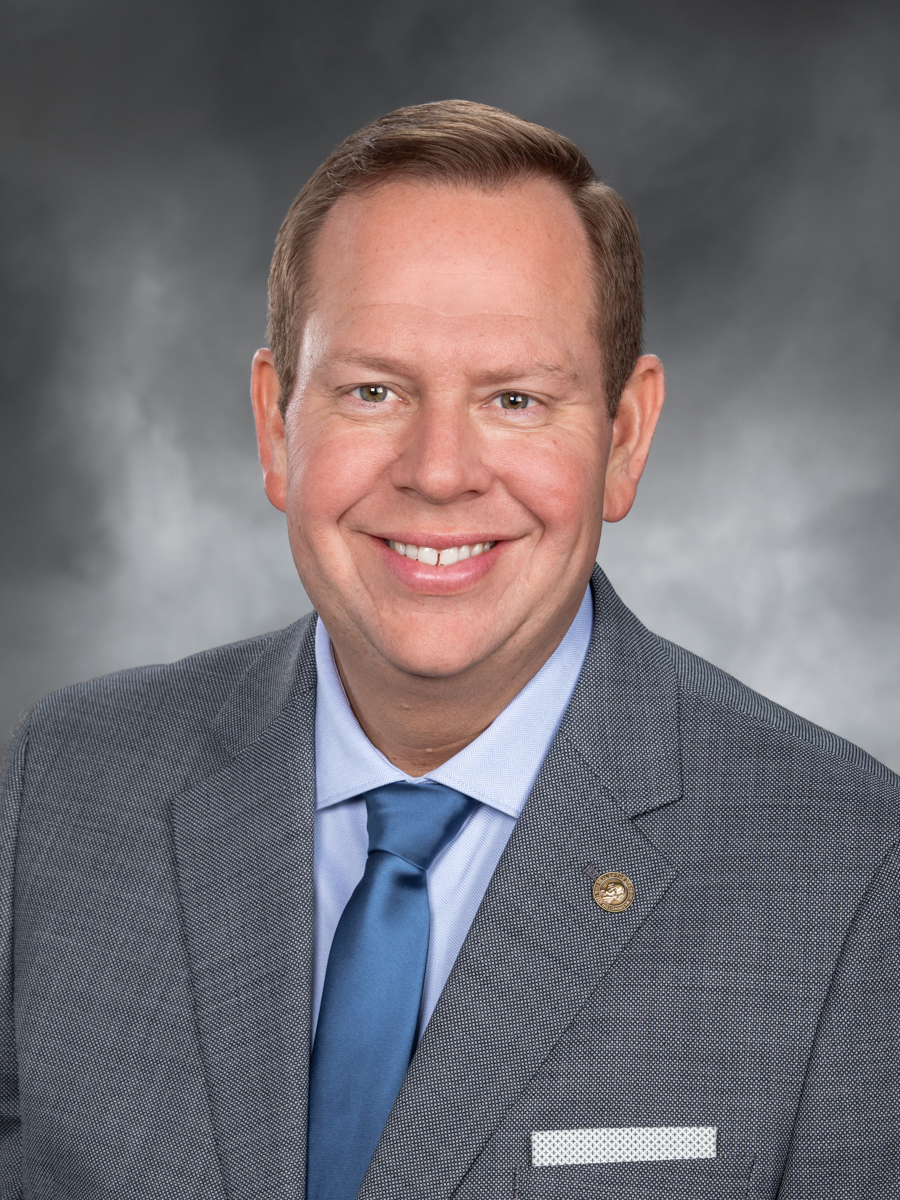
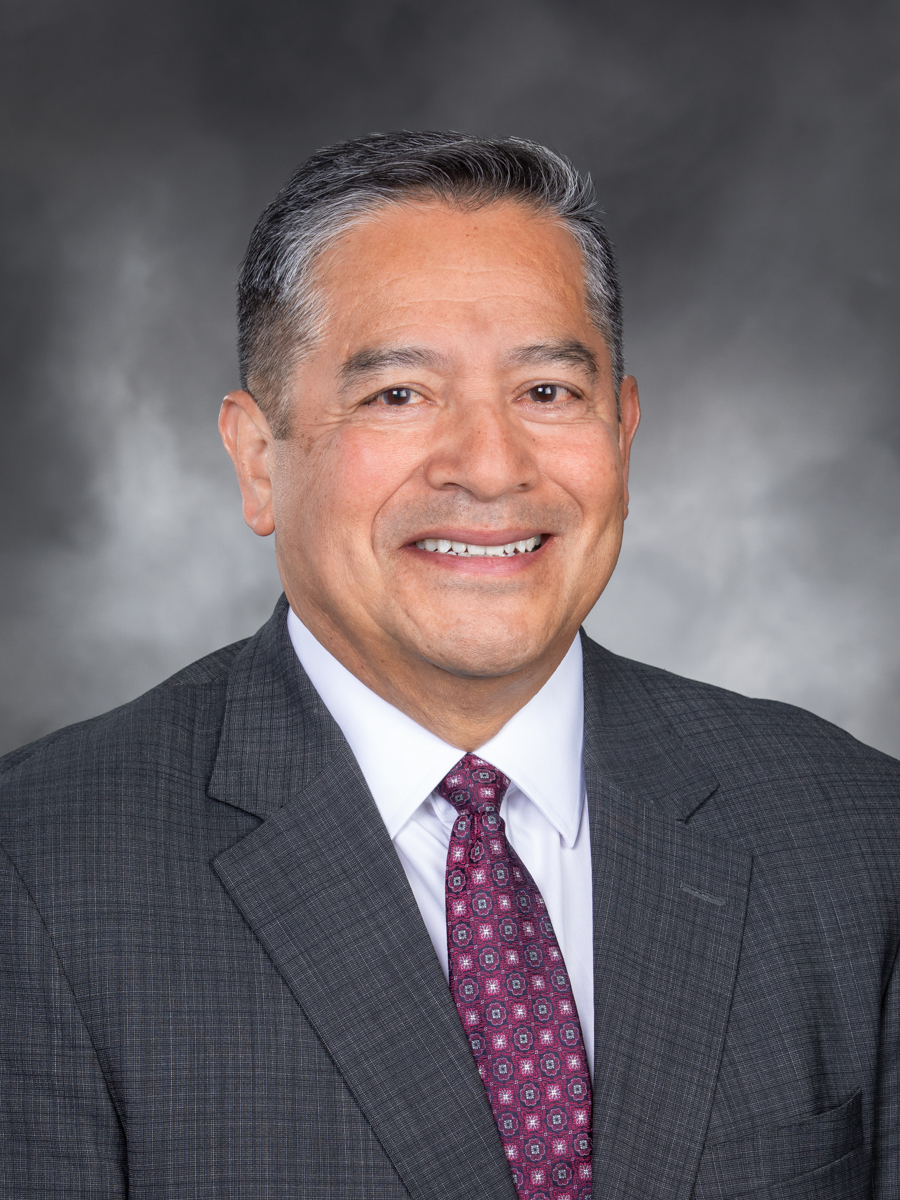
SB 5918 increases state funding for school materials, supplies, and operating costs to address inflation-driven budget shortfalls affecting Washington school districts. It amends funding formulas to base allocations on standardized "prototypical" school models (e.g., 400 elementary students, 600 high school students) with specific class size targets, adjusting for actual student counts and school size. The bill requires school districts to link to publicly posted per-pupil funding reports on their websites and mandates transparency in how state funds are distributed across programs like special education. This directly affects all Washington public school districts by changing how they receive and report state education funding.
SB 5841 requires Washington school districts to integrate financial aid information into students' "high school and beyond plans" starting in grade 7. The bill mandates that these plans include specific details about federal and state financial aid programs (like the Washington College Grant), application deadlines, documentation needs, and special considerations for homeless or dependent students. It directs schools to provide annual information on graduation pathways and financial aid resources, and to ensure students complete at least one financial aid application or receive an opt-out notice. The law directly affects students in grades 7-12, their families, and school districts, which must coordinate this information through annual updates and language-accessible materials.
HB 1319 proposes a 1% annual tax on Washington residents' financial assets exceeding $100 million, including stocks, bonds, and similar investments. It would primarily affect approximately 3,400 of the state's wealthiest individuals, as estimated by the bill. Revenue generated would be directed to the state's general fund to support essential services like K-12 education, healthcare, wildfire prevention, and public safety programs. The tax applies to "financial intangible assets" defined broadly, excluding primary residences and certain other exemptions, with filing based on the prior calendar year's asset values.
Senate Bill 5235 aims to update and streamline laws related to public schools in Washington State. It repeals several outdated statutes and reorganizes others to modernize the legal framework for education. The bill amends existing laws concerning how high schools can use funds for dropout prevention, updating accepted activities to align with current "high school and beyond plans." Additionally, it modifies provisions for school meal programs, allowing school facilities to provide meals at cost to children in certain private educational programs and private school students.
SB 5136, the "Given Name Act," requires Washington public schools to use students' birth certificate names and pronouns matching their biological sex (as listed on their birth certificate) without parental written permission. School staff - including teachers, administrators, and support workers - must follow this rule unless parents provide specific written consent for alternative names or pronouns. The bill also allows school employees to refuse using non-biological-sex pronouns based on religious or moral beliefs and permits affected individuals to seek legal recourse for violations. It applies to all K-12 public school employees and students under 18, with no exceptions for discussing gender identity outside school duties.
HB 1285 establishes financial education instruction as a graduation requirement for public high school students in Washington state. Beginning in the 2027-28 school year, all high schools must provide instruction in the state financial education learning standards. Starting with the graduating class of 2031, students will be required to meet these standards to graduate. The bill also tasks the Office of the Superintendent of Public Instruction with making instructional materials available and outlines monitoring responsibilities for the State Board of Education.
SB 5308 establishes Washington's Guaranteed Admissions Program, requiring participating public four-year colleges (including regional universities, state colleges, and tribal institutions) to simplify admissions applications and guarantee admission to eligible high school seniors starting in 2026-27. The bill mandates schools to share student data (like GPA) with colleges and requires all high schools to notify students in grades 9-12 about college pathways, including this program, the Washington College Grant, and financial aid options. Participating institutions must report annually on admission rates, enrollment, and demographic data to track equity outcomes. This directly affects high school students seeking college access and public institutions managing admissions.
SB 5137 requires Washington public schools to obtain written approval from a child's parent or legal guardian before providing comprehensive sexual health education. This replaces the current system where parents could opt their child out with a written request, making parental consent mandatory prior to any instruction. The bill maintains existing curriculum requirements (including medically accurate, age-appropriate content covering abstinence, contraception, and affirmative consent) but shifts the process to require active parental approval. It directly affects parents/guardians of K-12 students in Washington public schools and takes effect starting the 2025-26 school year. The law amends RCW 28A.300.475 to formalize this approval requirement.
HB 1963 requires Washington state high schools to offer a mandatory half-credit civics course for all students starting in the 2026-27 school year. The course must cover government structures, civic rights, and current issues, with new media literacy components added to help students critically evaluate online information and combat misinformation like deepfakes. School districts must use resources developed by the state superintendent’s office, which will provide materials on media literacy and civic engagement tools by 2025. This bill directly affects all high school students in Washington, aiming to improve their ability to navigate media and participate in democracy.
HB 1657 establishes the "Washington 13 Free Guarantee," providing eligible Washington residents up to 45 tuition-free credits at state technical colleges beginning in 2027-28. It directly affects high school graduates from Washington state (or those earning equivalency in the same or prior year) without an associate's degree who qualify for financial aid. The program covers the tuition difference after applying existing gift aid (like Pell Grants or state scholarships), requiring students to enroll part-time in eligible programs and maintain academic progress. Technical colleges must also assign staff to support participants with wraparound services to help them complete their programs.