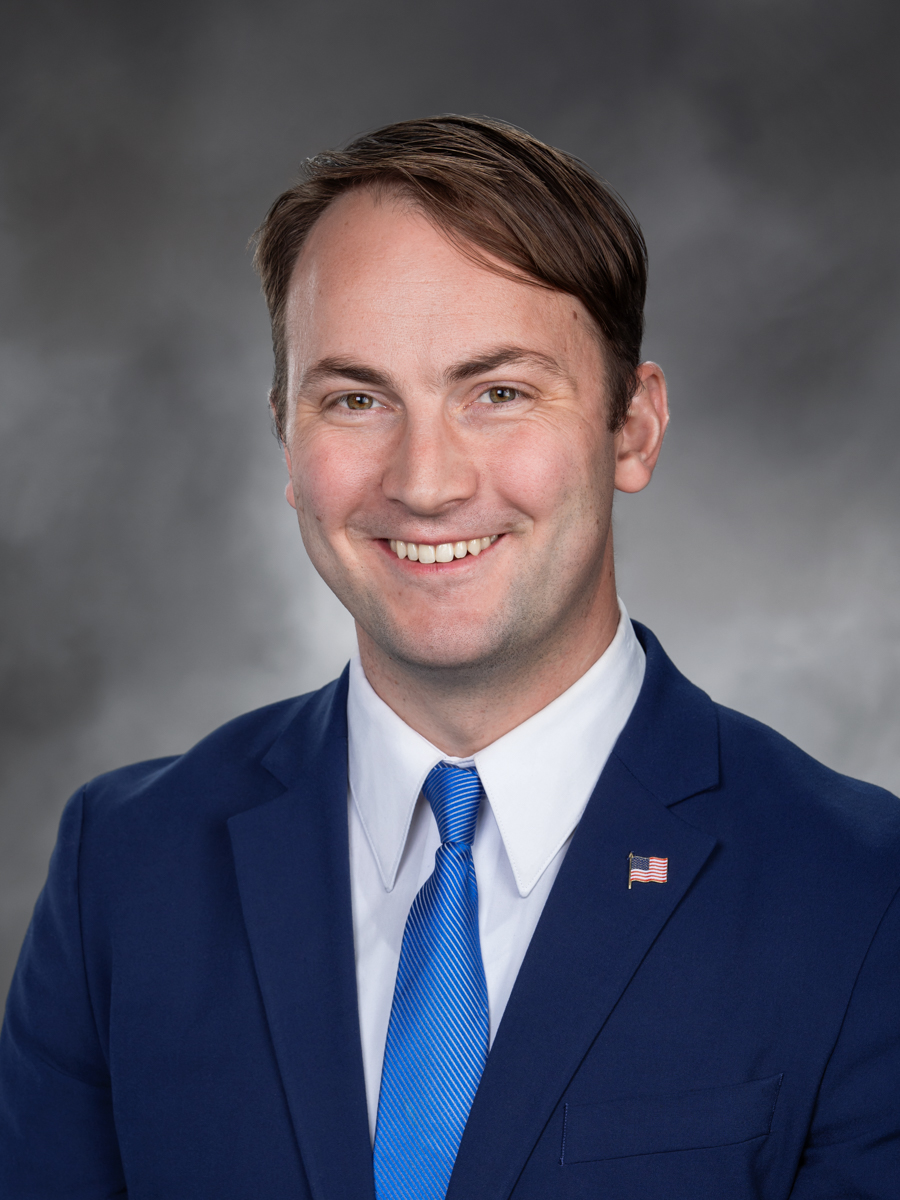
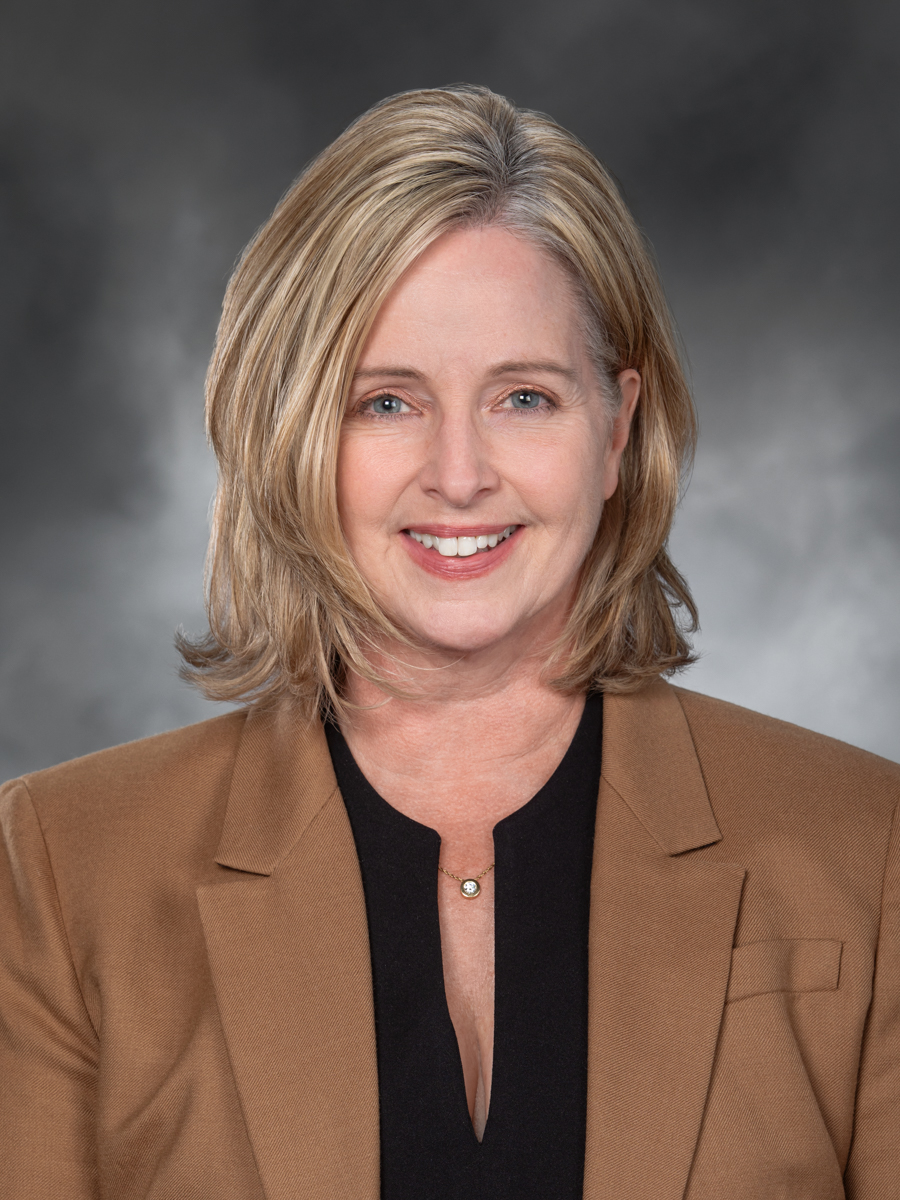
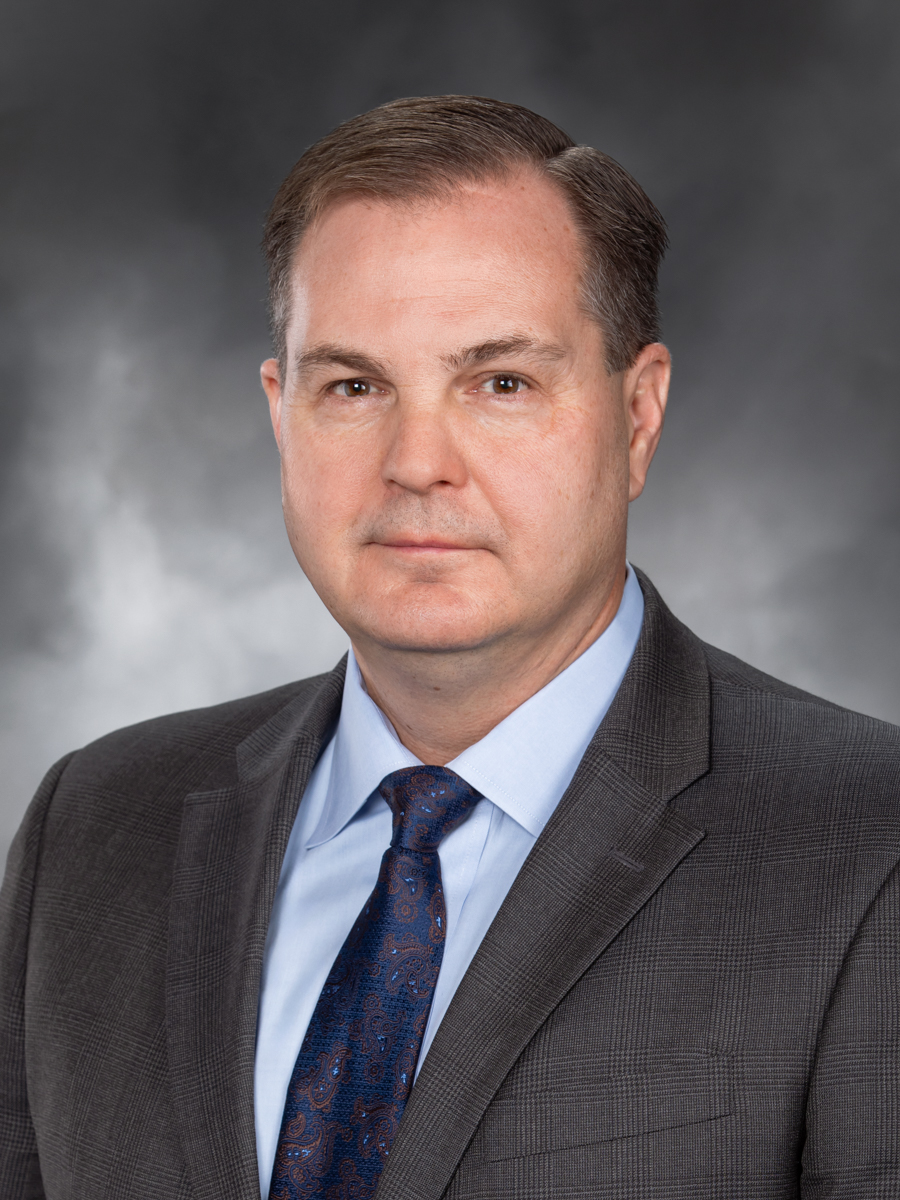
Key legislators
Who's moving education in Washington
Showing 4 of 4
bills
All education bills
SB 5346 requires Washington public school districts to adopt policies restricting student mobile device use during instructional hours by the 2026-27 school year. It directs the state superintendent to report on existing policies and recommend strategies (like time limits or secure storage) by December 2025, leading to a model policy developed by school directors. School districts must align their local policies with this model and share them annually with students and families. The bill excludes school-issued devices and defines "instructional hours" per existing law, focusing on reducing distractions and supporting mental health without specifying direct device bans.
HB 1296, "Promoting a safe and supportive public education system," enacts new requirements for public schools, charter schools, and state-tribal education compact schools in Washington. The bill prioritizes student safety, access to education free of discrimination, and privacy within the school system. It expands protected characteristics to include ethnicity, gender expression, gender identity, homelessness, immigration or citizenship status, and neurodivergence in anti-discrimination policies. Furthermore, the bill mandates that schools develop and share a "Statement of Student Rights" through educational and promotional materials, including civics education, to inform students of their entitlements.
HB 2049 aims to enhance funding for K-12 education and communities by modifying state and local property tax authority and adjusting the school funding formula. The bill revises the maximum dollar amount school districts can levy for enrichment, setting it as the lesser of $2.50 per $1,000 of assessed value or a per-pupil limit. This per-pupil limit is updated with specific "inflation enhancements" through 2030 and establishes a new base amount starting in 2031, impacting funding based on student enrollment. Additionally, it adjusts how the state provides local effort assistance funding to supplement these school district enrichment levies.
House Bill 1722 addresses state-level age restrictions affecting 16 and 17-year-old students in secondary career and technical education programs. It directs state agencies to review and revise rules that create barriers for these students in fields such as emergency medical services (EMS) and fire services. Specifically, it creates a process for 16-year-olds to begin EMS training and requires the Director of Fire Protection to assess age restrictions for fire services training and certification. The bill also prevents minors with professional licenses requiring competency in preventing infectious disease transmission from being prohibited from occupations due to exposure risks.