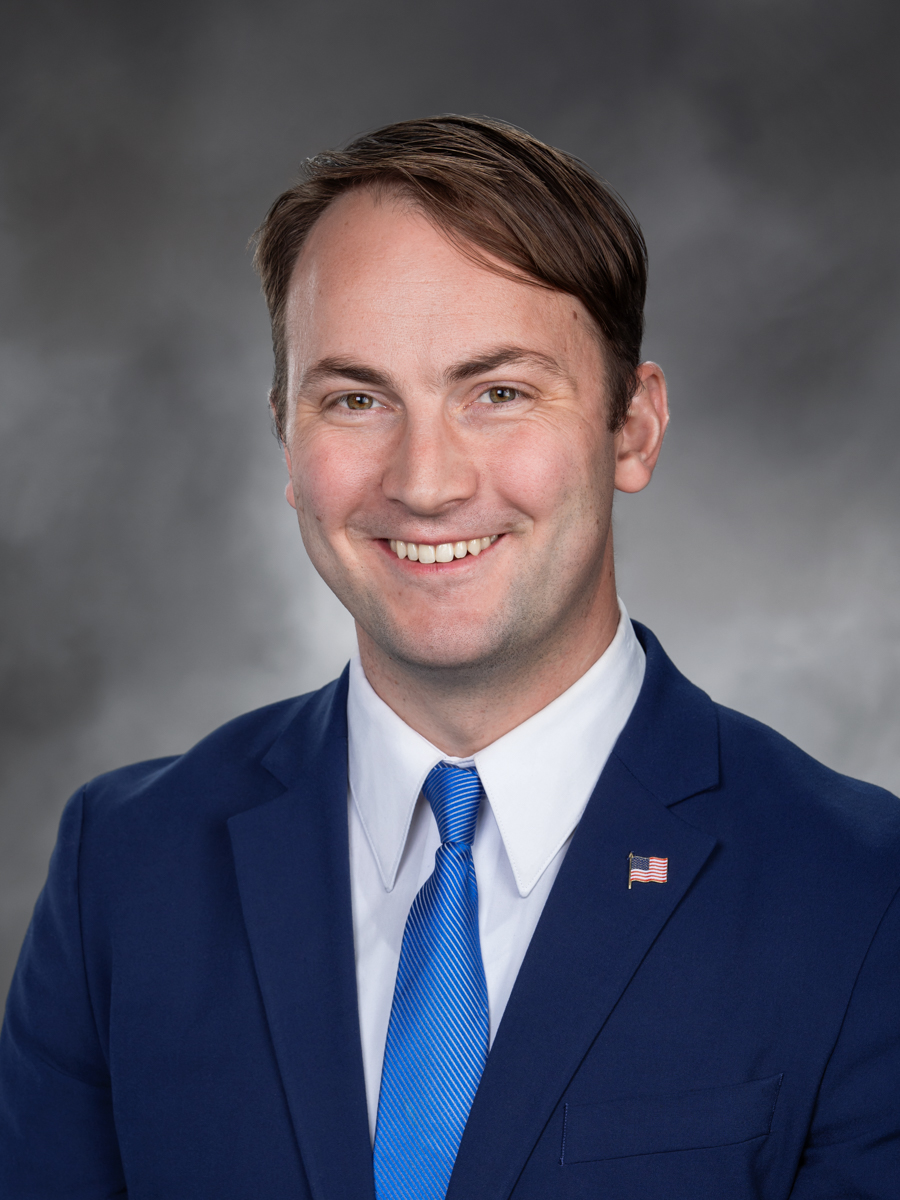
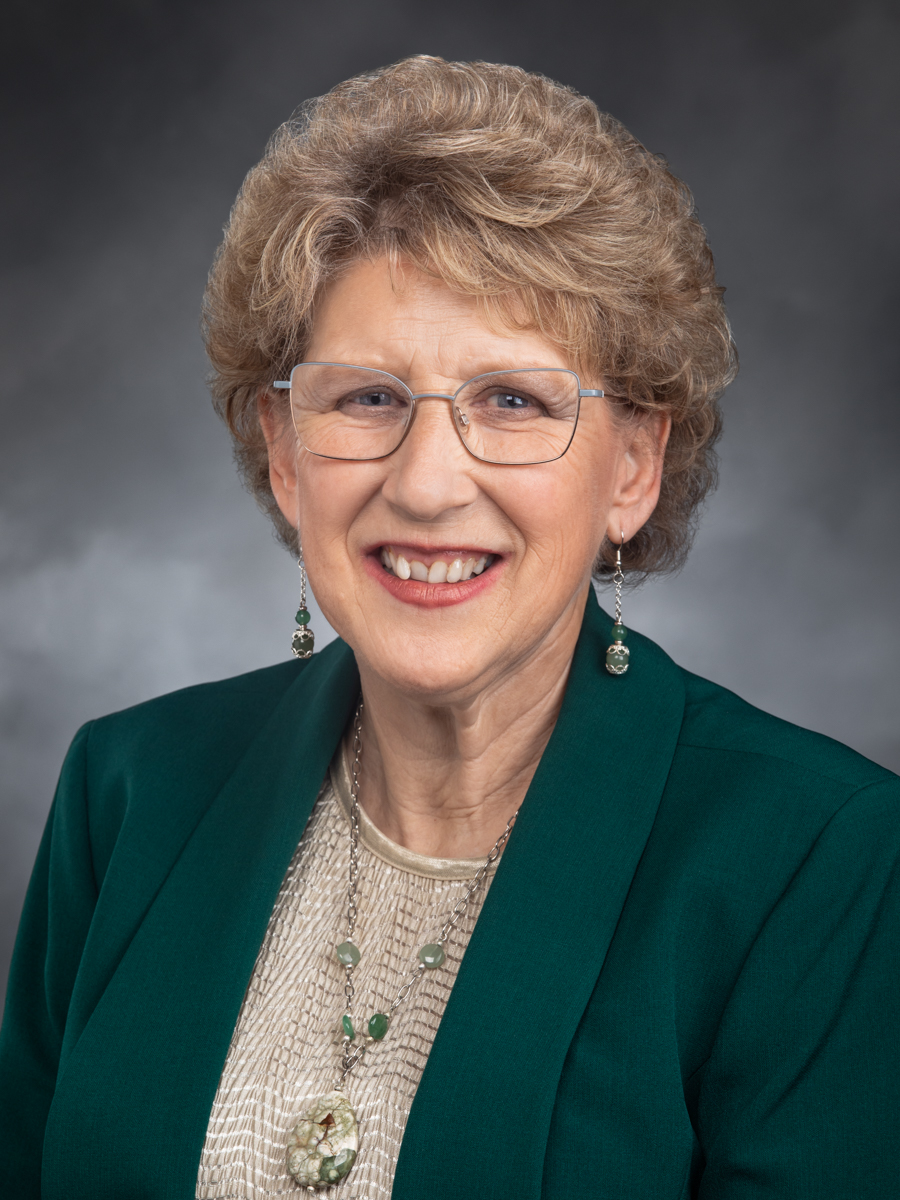
House Bill 1486 adds a student member to the Washington State Board for Community and Technical Colleges, increasing its total membership from nine to ten. This change ensures that a student currently enrolled in a community or technical college will have a voice in the board's decisions. The student member will serve a one-year term and must be at least 18 years old. They will participate in discussions and policy development, though they will be excluded from voting on matters related to hiring, discipline, personnel, or pending litigation.
This bill aims to improve high school students' access to Career and Technical Education (CTE) dual credit programs in Washington state. It establishes and expands regional pilot programs through grant funding, enabling community and technical colleges, public high schools, and skill centers to boost student participation and credential attainment. The bill also directs the state board for community and technical colleges to plan for improving or replacing the statewide online enrollment and reporting system for CTE dual credit. Additionally, it requires reports to the legislature on the pilot program findings and recommendations for further improvements to dual credit policies and data collection.
House Bill 1414 aims to improve career access for 16 and 17-year-old students involved in preparatory secondary career and technical education (CTE) programs. The bill expands the statewide career and technical education task force within the Office of the Superintendent of Public Instruction. This task force is directed to review existing laws, rules, and state agency policies that create age-based barriers for students to begin coursework, test for licenses, or work in professions after completing CTE programs. The task force will then develop recommendations, including draft legislation, to remove these restrictions and enhance work-integrated learning opportunities and career entry for these students.
HB 1556 expands tuition waivers at Washington community and technical colleges for students who need to complete high school while attending college. It directly affects high school completers (including nonresidents), children and surviving spouses of fallen or disabled law enforcement officers, firefighters, or state patrol officers, and up to 40% of students in deaf education programs. Key provisions require colleges to waive all tuition and fees for eligible high school completers and first responder families (with a 10-year enrollment window), and allow partial waivers for nonresidents in high school completion programs. The law, effective July 2025, also mandates annual reporting on waiver costs to the legislature.
HB 1314 amends Washington state law to establish and fund two accounts for early learning facilities: a revolving account and a development account. These accounts provide state matching funds for planning, renovating, purchasing, or constructing childcare facilities serving children aged 1 month to 12 years, primarily for programs like early childhood education and working connections child care. The bill requires the Department of Commerce to administer the program, prioritizing financial hardship exemptions for match funding and adding emergency grants for natural disasters or health/safety threats to facilities. It directly affects eligible childcare organizations, school districts, and tribal compact schools seeking facility improvements or emergency repairs.
This bill amends Washington's license fee structure to require an additional $25 annual fee from many licensed health professionals. The funds will be transferred to the University of Washington to support its health sciences library. It affects all licensed health professionals in Washington covered by the fee structure, including nurses, physicians, therapists, psychologists, and others listed in the bill. The fee increase takes effect July 27, 2025, and is now law following the governor's signature.