Issue · Criminal Justice

Criminal Justice (Juvenile Justice)

Every criminal justice bill, vote, and legislator stance in Washington, automatically classified by Maddy, our AI policy reader.

Total bills
6
2025-2026 Regular Session
Top supporter
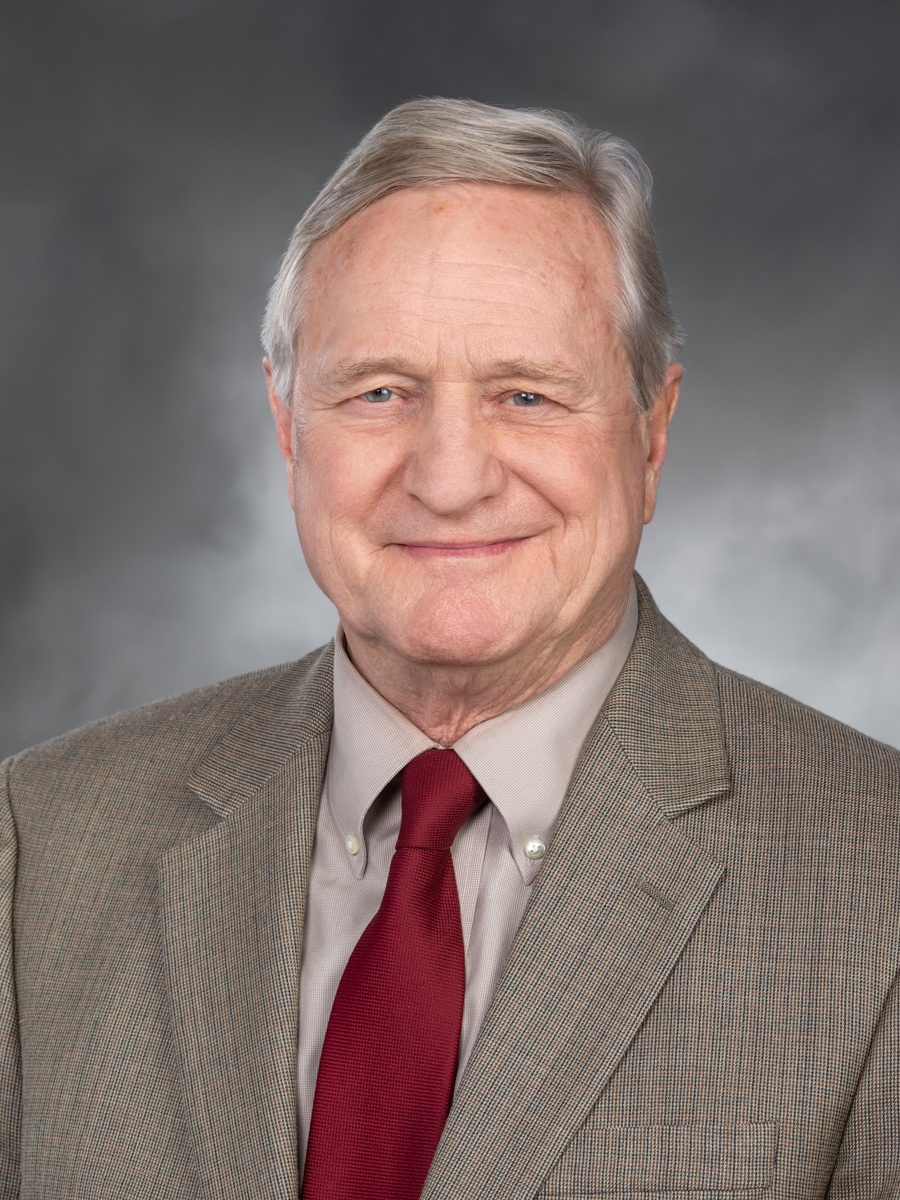
Steve Tharinger
100% support rate
Top opponent
Dave Stuebe
0% support rate
Ranked legislators
10
5 support · 5 oppose
Key legislators

Who's moving juvenile justice in Washington

Legislators moving juvenile justice in Washington
Legislator Party Stance Support rate Votes
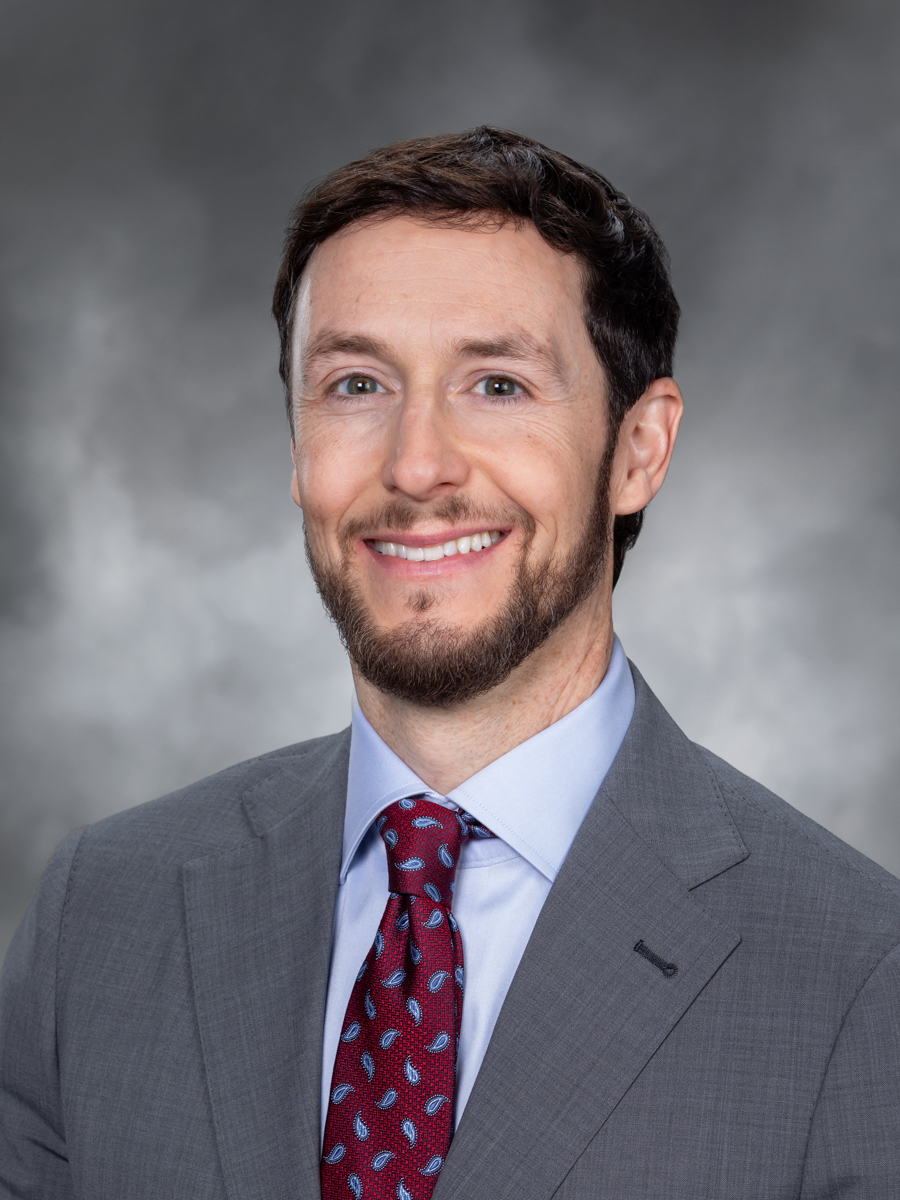
Steve Tharinger
Steve Tharinger House · District 24
D
Strong +
100% 5
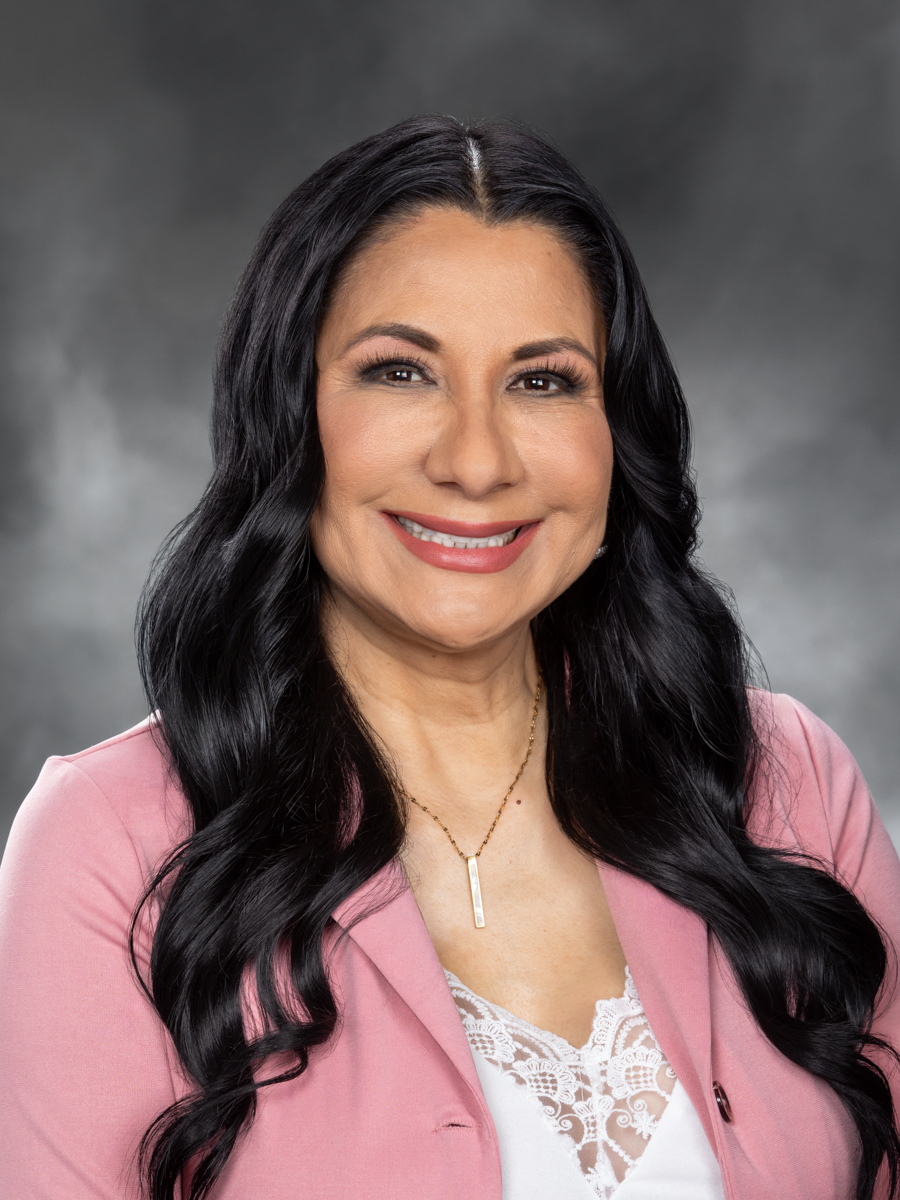
Gloria Mendoza
Gloria Mendoza House · District 14
R
Support
78% 18
Tina Orwall
Tina Orwall Senate · District 33
D
Support
78% 9
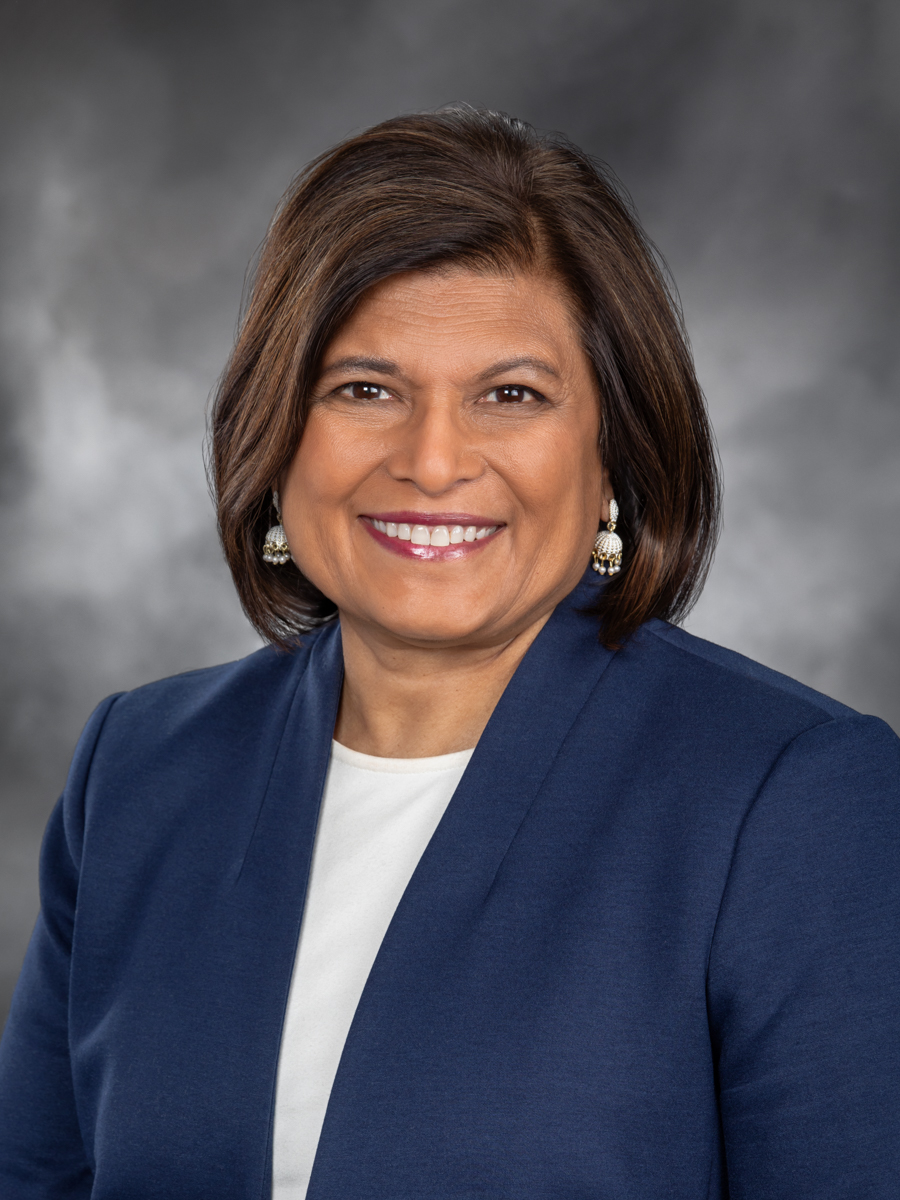
Vandana Slatter
Vandana Slatter Senate · District 48
D
Support
78% 9
Adison Richards
Adison Richards House · District 26
D
Support
75% 20
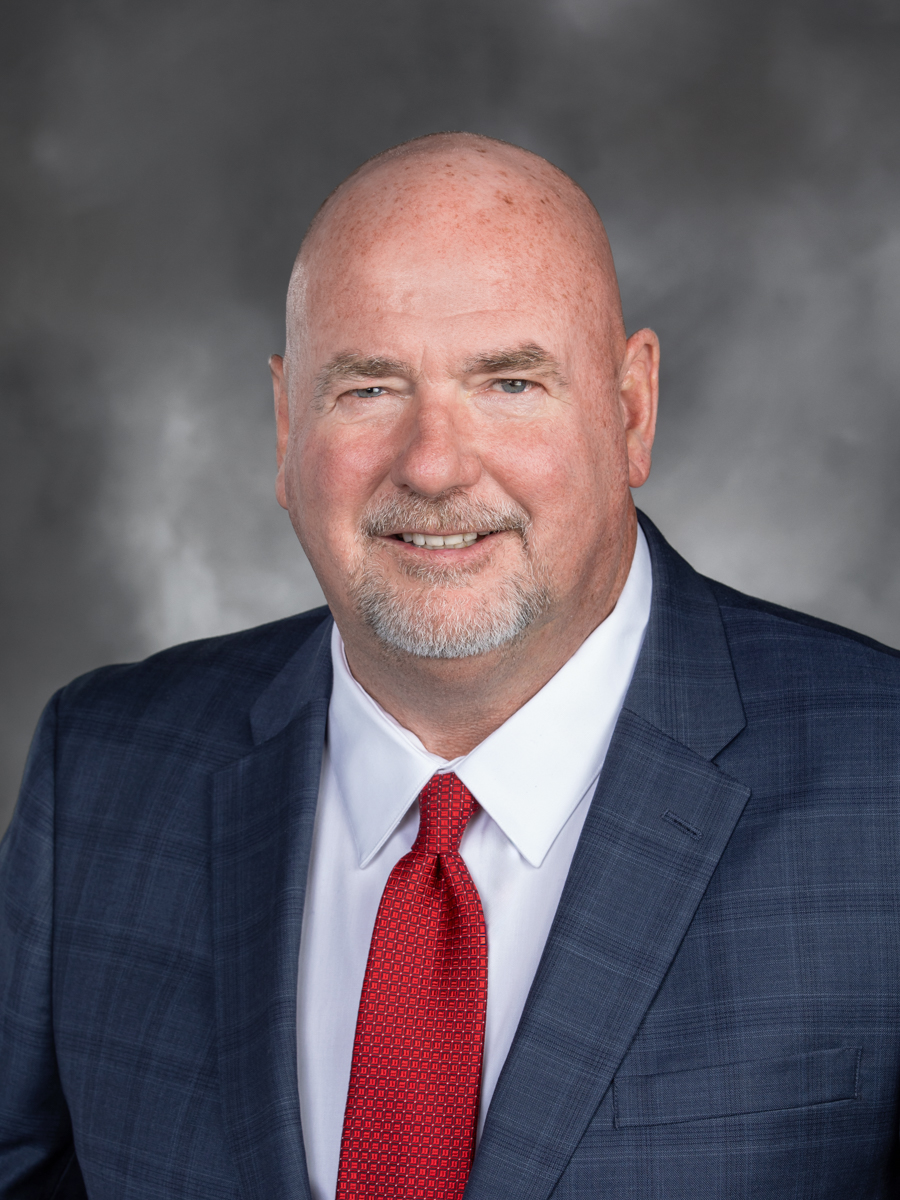
Dave Stuebe
Dave Stuebe House · District 17
R
Strong −
0% 5
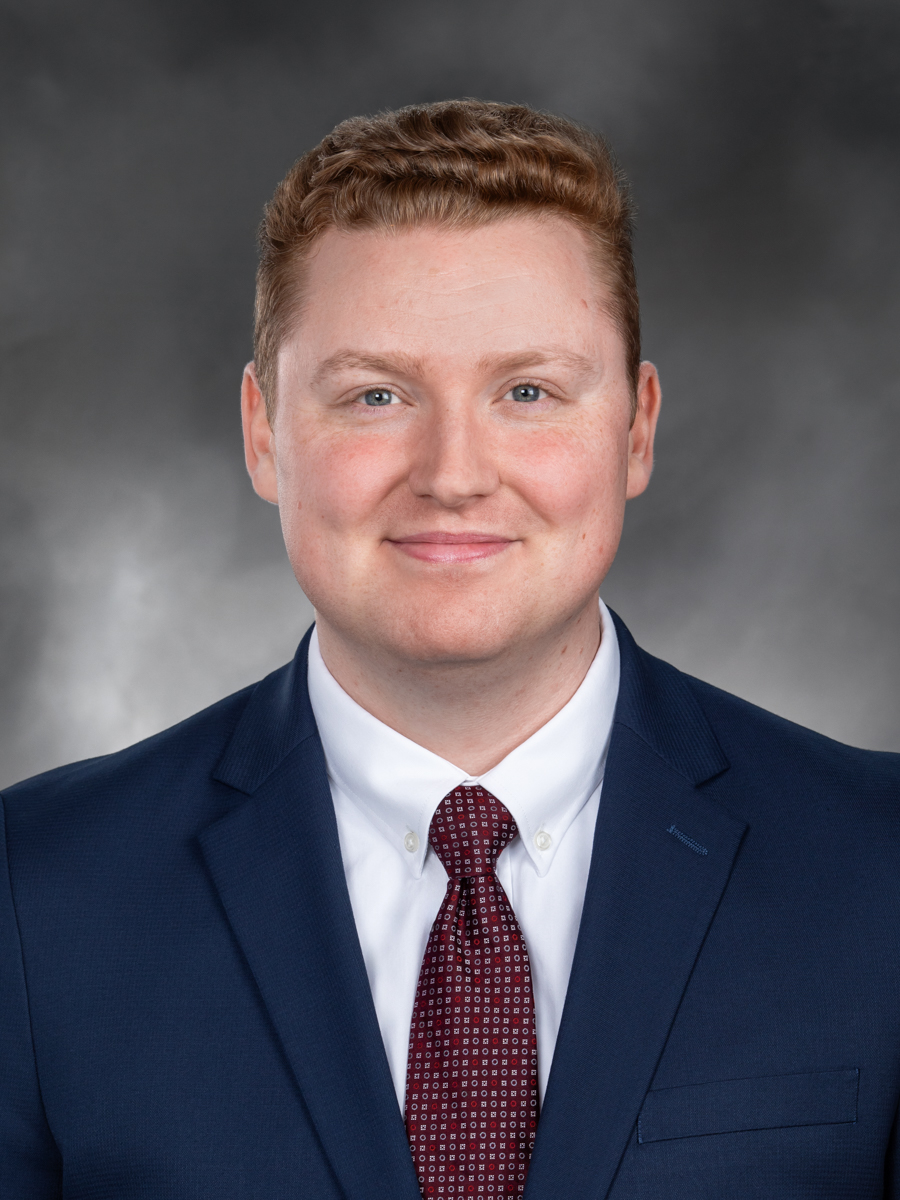
Jeremie Dufault
Jeremie Dufault House · District 15
R
Strong −
0% 5
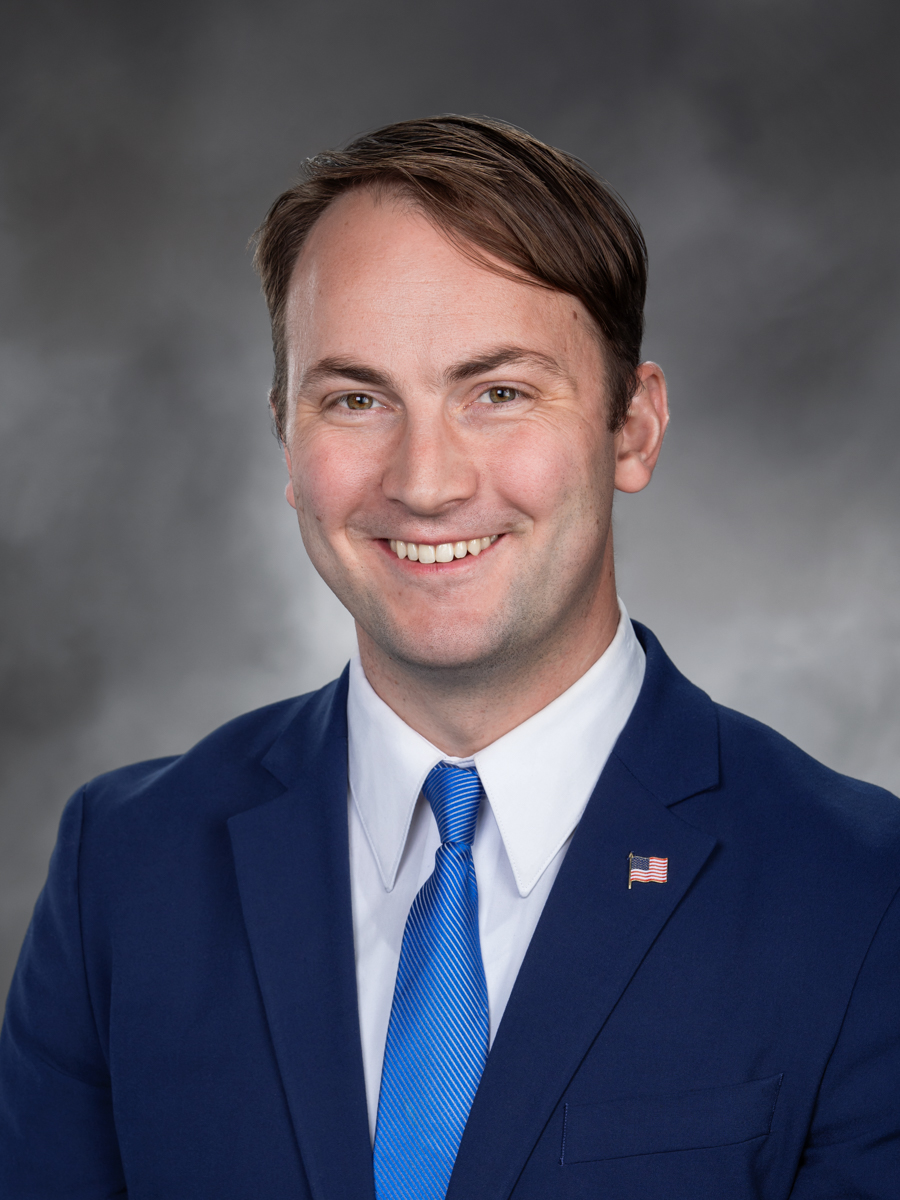
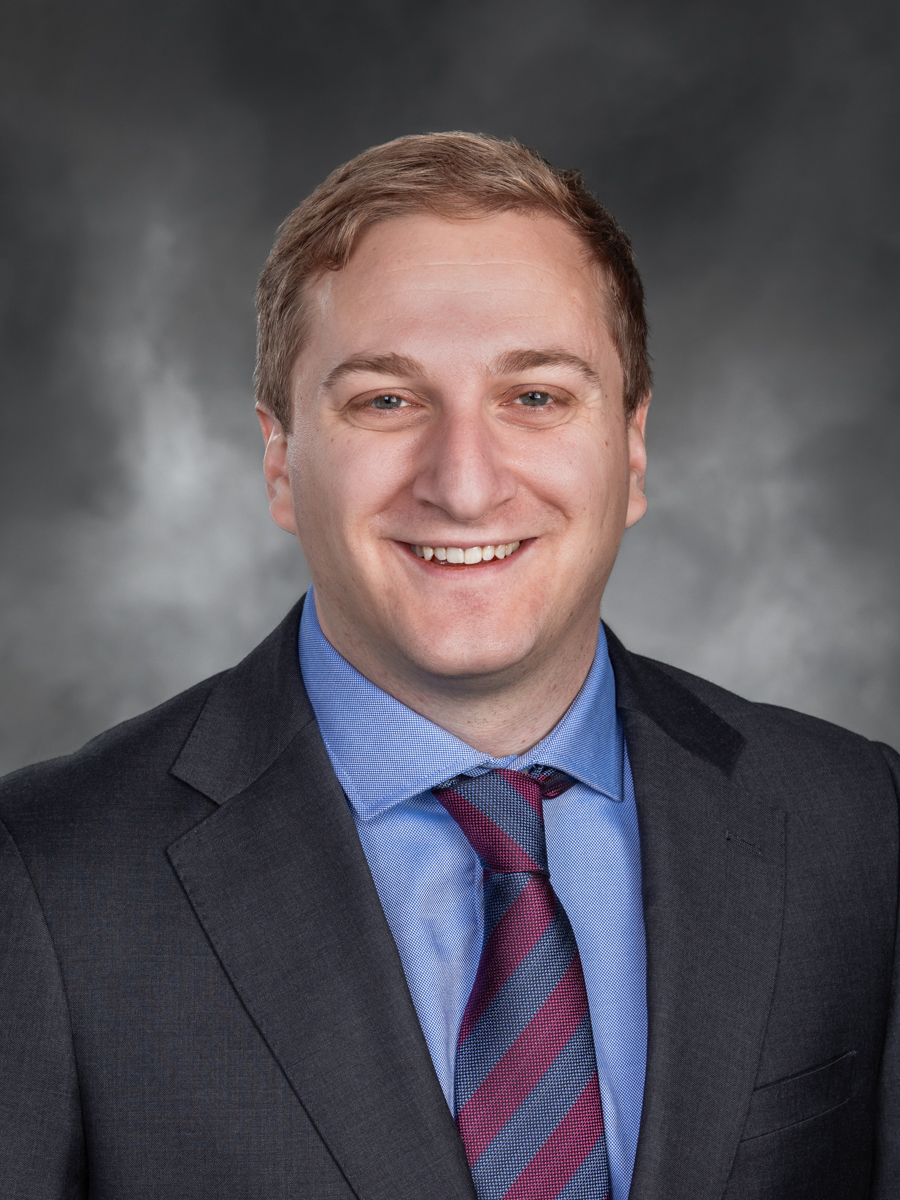
Zach Hall
Zach Hall House · District 5
D
Strong −
12% 16
Adam Bernbaum
Adam Bernbaum House · District 24
D
Oppose
25% 20
Lauren Davis
Lauren Davis House · District 32
D
Oppose
25% 20
Showing 6 of 6 bills

All criminal justice bills

in committee · Washington · Senate Jan 12, 2026

SB 6022: Improving juvenile rehabilitation.

SB 6022 repeals Washington's "JR-25" policy, which extended juvenile rehabilitation jurisdiction to age 25, and amends jurisdiction laws to limit juvenile court authority for certain serious offenses. The bill cites that rehabilitating youth in the juvenile system costs $257,000 annually per person - nearly four times the $76,000 cost in corrections - while the policy contributed to facility overcrowding and safety issues. It specifically revises RCW 13.04.030 to require adult criminal court jurisdiction for 16-17 year olds charged with serious violent offenses (e.g., robbery, rape of a child, or armed offenses) that would qualify as felonies if committed by an adult. This directly affects minors aged 16-17 facing such charges, shifting their cases to adult courts unless prosecutors and courts agree to retain juvenile jurisdiction.
in committee · Washington · Senate Jan 16, 2026

SB 6193: Concerning offenses involving unlawful possession of a firearm by a juvenile.

Washington State's SB 6193 amends laws governing firearm possession by juveniles, specifically targeting those under 18 who possess firearms after certain prior offenses. It defines unlawful possession of a firearm in the first degree for juveniles who have been adjudicated, convicted, or found not guilty by reason of insanity for offenses like domestic violence or protection order violations (as listed in the bill), making it a class B felony. Second-degree possession applies when juveniles possess firearms without meeting first-degree criteria, such as after certain misdemeanor convictions, and carries a class C felony penalty. The bill includes exceptions for pardons, rehabilitation, or if a court record of conviction cannot be found, but does not override existing laws allowing firearm possession for juveniles under specific circumstances.
in committee · Washington · Senate Jan 12, 2026

SB 5153: Transferring certain individuals from the department of children, youth, and families to the department of corrections at age 18.

SB 5153 changes Washington state law to transfer youth convicted of felonies under age 18 from the Department of Children, Youth, and Families (DCYF) to the Department of Corrections (DOC) at age 18, instead of keeping them in DCYF until age 25. This applies to most felony convictions, with an exception requiring immediate transfer at 18 for "serious violent offenses" (as defined in RCW 9.94A.030). The bill amends RCW 72.01.410 and 13.40.280 to eliminate required hearings for these transfers. It directly affects youth under 18 convicted as adults who were previously retained in juvenile facilities beyond age 18.
in committee · Washington · House Jan 12, 2026

HB 1536: Concerning offenses involving unlawful possession of a firearm by a juvenile.

HB 1536 revises Washington state law to address juvenile firearm possession by clarifying when a minor is charged with a felony. It classifies unlawful firearm possession as a class B felony if a juvenile has prior adjudication for serious offenses (like violent crimes or domestic violence), and a class C felony for other cases. The bill specifically targets juveniles under 18 who possess firearms without prior court findings of serious misconduct, while allowing exceptions for rehabilitated individuals or pardoned cases. This law directly affects minors with prior court involvement in certain offenses, aiming to provide accountability through criminal penalties rather than behavioral interventions.
in committee · Washington · Senate Jan 12, 2026

SB 5260: Concerning emergency measures for managing juvenile populations at state juvenile correctional institutions.

SB 5260, the Youth Rehabilitation Pathways Act, allows youth aged 18 and older in Washington state juvenile correctional facilities (operated by the Department of Children, Youth, and Families) to request transfer to the adult correctional system (Department of Corrections). The bill requires facilities to provide a transfer form, grant a 3-day reconsideration period, and complete transfers within 10 days. It removes standard court hearings for these transfers and limits transfers to the original juvenile court’s maximum confinement term. The law directly affects older youth in juvenile facilities, aiming to address overcrowding and provide access to adult correctional programs.
in committee · Washington · Senate Jan 12, 2026

SB 5277: Repealing of juvenile rehabilitation to 25 legislation.

SB 5277 repeals provisions allowing juvenile court jurisdiction to extend up to age 25 for certain serious offenses. It specifically targets juveniles aged 16-17 charged with violent crimes (like robbery, rape of a child, or armed offenses) who would previously have remained under juvenile court oversight until 25. The bill removes the "up to age 25" extension from RCW 13.04.030 and repeals related statutes including RCW 13.40.301. This change shifts jurisdiction to adult courts earlier for these cases, directly affecting youth facing serious criminal charges.