Issue · Criminal Justice

Criminal Justice

Every criminal justice bill, vote, and legislator stance in Washington, automatically classified by Maddy, our AI policy reader.

Total bills
294
2025-2026 Regular Session
Top supporter
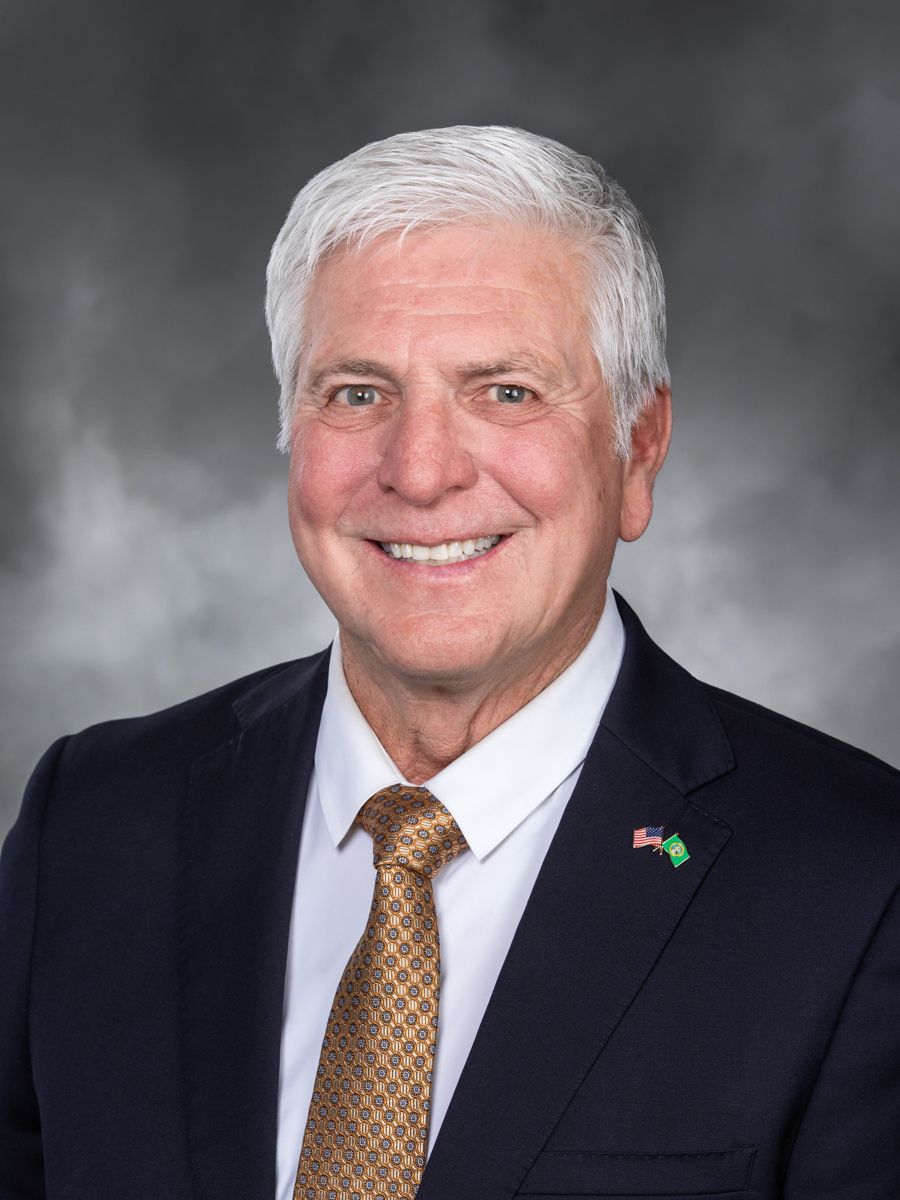
Steve Tharinger
91% support rate
Top opponent
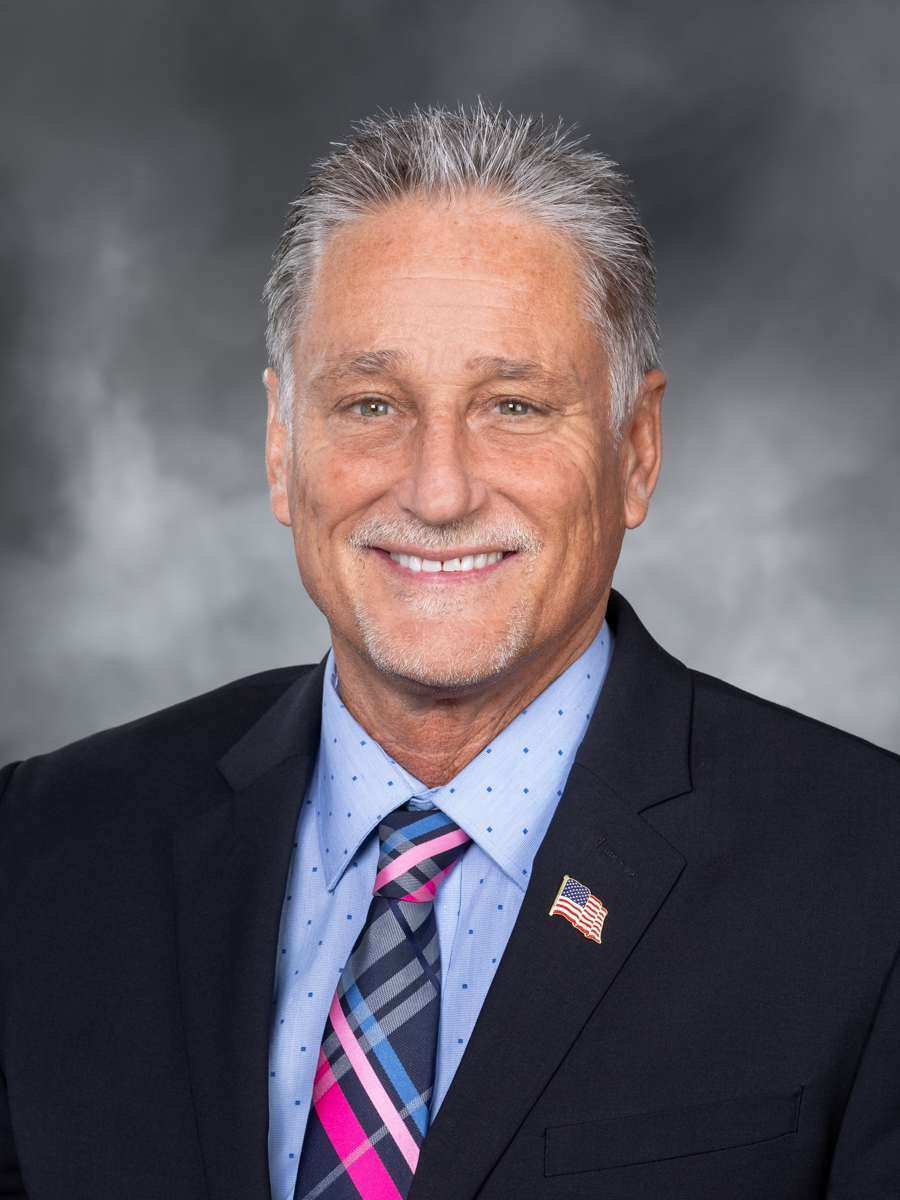
Jim McCune
16% support rate
Ranked legislators
10
5 support · 5 oppose
Key legislators

Who's moving criminal justice in Washington

Legislators moving criminal justice in Washington
Legislator Party Stance Support rate Votes
Steve Tharinger
Steve Tharinger House · District 24
D
Strong +
91% 99
Tina Orwall
Tina Orwall Senate · District 33
D
Strong +
90% 124
Annette Cleveland
Annette Cleveland Senate · District 49
D
Strong +
88% 125
Jess Bateman
Jess Bateman Senate · District 22
D
Strong +
88% 125
Derek Stanford
Derek Stanford Senate · District 1
D
Strong +
88% 125
Jim McCune
Jim McCune Senate · District 2
R
Strong −
16% 125
Perry Dozier
Perry Dozier Senate · District 16
R
Strong −
17% 125
Leonard Christian
Leonard Christian Senate · District 4
R
Strong −
17% 125
Matt Boehnke
Matt Boehnke Senate · District 8
R
Strong −
17% 125
Jeff Wilson
Jeff Wilson Senate · District 19
R
Strong −
18% 121
Showing 81–90 of 294 bills

All criminal justice bills

in committee · Washington · House Feb 3, 2026

HB 2412: Adding an additional superior court judge in Yakima county.

HB 2412 amends state law to add one additional superior court judge in Yakima County, increasing the total from eight to nine judges. This change directly affects Yakima County's court system by expanding judicial capacity to handle case loads. The bill modifies existing statute (RCW 2.08.063) to update the authorized number of judges for Yakima County. The measure is procedural, adjusting judicial staffing levels without creating new legal requirements.
Sub-Topics Courts Judges
in committee · Washington · Senate Feb 26, 2026

SB 6017: Supporting crime victims and witnesses by promoting victim-centered, trauma-informed responses.

SB 6017 creates a new procedure for sexual assault and domestic violence cases where the defendant is representing themselves (pro se). It allows courts or standby counsel to conduct direct questioning of victim witnesses during trial if the court finds the victim would suffer severe trauma from the defendant's presence, the prosecutor prepared the victim, and no less restrictive method exists. The defendant retains the right to submit written questions for the court to ask during this process. The bill requires courts to make specific findings on the record to balance victim protection with the defendant's constitutional rights. This policy change aims to reduce trauma for victims while maintaining fair trial procedures.
in committee · Washington · Senate Feb 26, 2026

SB 5895: Providing an alternative condition for extraordinary medical placement for incarcerated individuals.

SB 5895 creates a new "extraordinary medical placement" option for incarcerated individuals in Washington State who have serious, chronic, or terminal medical conditions that significantly limit their ability to care for themselves in prison. To qualify, an individual must be assessed by two physicians as having a qualifying condition (like a degenerative illness or expected to die within ~18 months), be deemed low risk to the community, and the placement must save the state money. If approved, they would typically serve the remainder of their sentence under electronic monitoring in a community setting, with an appeal process available for denials. This policy directly affects eligible incarcerated individuals with severe medical needs who meet the specific criteria, offering an alternative to prison confinement under defined conditions.
Sub-Topics Corrections
in committee · Washington · House Jan 12, 2026

HB 2164: Reducing litigation costs by removing barriers to postconviction DNA testing.

HB 2164 simplifies access to DNA testing for people convicted of felonies in Washington state who seek to prove innocence. It requires courts to approve such requests unless the state proves with "clear and convincing evidence" the DNA could not demonstrate innocence. The bill removes prior barriers that forced convicted people to prove DNA testing met scientific standards at trial or was unavailable at the time. This affects courts, prosecutors, and crime labs by streamlining postconviction DNA testing while preserving evidence as required by law.
in committee · Washington · House Jan 12, 2026

HB 2163: Clarifying public defense caseload standards for local jurisdictions.

HB 2163 amends Washington state law to require counties and cities to adopt specific standards for public defense services, directly affecting local jurisdictions that provide legal representation to indigent defendants. The bill mandates that these standards include clear case load limits for attorneys, compensation details, attorney qualifications, handling of expert witness fees, and procedures for monitoring and evaluating service quality. It removes previous language requiring local standards to follow Washington State Bar Association guidelines, instead making those guidelines optional references. The law aims to clarify minimum requirements for public defense systems while allowing jurisdictions to align with court rules where possible.
Sub-Topics Courts
signed · Washington · House Mar 19, 2026

HB 2165: Concerning false identification as a peace officer.

HB 2165 makes it a gross misdemeanor to intentionally create, possess, or display fake law enforcement items (like badges, vehicle decals, or insignia) that falsely identify someone as a sworn peace officer or reserve officer, or to misrepresent ordinary items as police property. It directly affects individuals or businesses selling or using fake police gear, such as costume shops or people posing as officers. Key exceptions include items clearly marked as honorary roles, historical displays, or protected artistic/satirical works (like parodies or educational materials). The law does not prohibit legitimate uses like historical reenactments or news coverage, and it specifies that the fake item must be displayed in a way that would reasonably mislead others.
passed · Washington · Senate Mar 12, 2026

SB 5873: Concerning escorted leaves of absence for incarcerated individuals.

This bill expands eligibility for escorted leaves of absence for incarcerated individuals in Washington state. It allows incarcerated people to leave prison with supervision for specific reasons, including attending funerals or visiting seriously ill extended family (like grandchildren, aunts, uncles, or domestic partners), participating in athletic events, receiving medical care not available in prison, or joining nonviolent offender community service programs. The bill also requires reimbursement for leave costs from the incarcerated person or their family unless they are indigent, and prohibits leaving the state during these leaves. These changes apply to all state correctional facilities and modify existing state law to clarify permitted activities and financial responsibilities.
in committee · Washington · Senate Jan 12, 2026

SB 5913: Clarifying public defense caseload standards for local jurisdictions.

SB 5913 clarifies requirements for local jurisdictions (counties and cities) that provide public defense services. It amends Washington law to explicitly require local standards covering caseload limits, attorney qualifications, compensation, case types, and handling of costs like expert witnesses. The bill mandates that these standards must address specific operational elements, such as monitoring attorney performance and client complaint procedures. This directly affects public defense systems across Washington, ensuring consistent minimum requirements for how legal representation is structured and managed.
in committee · Washington · Senate Jan 12, 2026

SB 5854: Modifying procedures for releasing sexually violent predators to less restrictive alternative placements.

SB 5854 modifies Washington state procedures for releasing sexually violent predators from secure facilities to community-based treatment settings. It requires courts to consider "fair share principles" before approving such releases, meaning counties must have adequate local placement options proportional to their population of committed individuals. The bill also gives counties the authority to reject placements from other counties if the proposed location violates these fair share requirements. This applies to individuals committed under Washington’s sexually violent predator laws and aims to balance the geographic burden of community placements. The bill does not change release criteria for individuals but alters the administrative process for where they may be placed.
in committee · Washington · Senate Jan 12, 2026

SB 5843: Establishing penalties and protections against harassment of initiative and referendum signature gatherers.

SB 5843 strengthens protections for people who collect signatures for voter initiatives and referendums by making harassment against them a more serious crime. The bill amends Washington’s harassment law to explicitly include signature gatherers under the definition of "election official," meaning threats or intimidation directed at them can now trigger felony charges if the threats involve violence, prior harassment, or targeting during official duties. Penalties increase from a gross misdemeanor to a class C felony for certain threats, such as those involving violence or targeting election workers. The law also ensures targeted individuals and their household members qualify for address confidentiality programs.
Showing 81 to 90 of 294 bills
Previous 1 8 9 10 30 Next