Issue · Criminal Justice

Criminal Justice (Courts)

Every criminal justice bill, vote, and legislator stance in Washington, automatically classified by Maddy, our AI policy reader.

Total bills
95
2025-2026 Regular Session
Top supporter
Alex Ramel
100% support rate
Top opponent
April Connors
0% support rate
Ranked legislators
10
5 support · 5 oppose
Key legislators

Who's moving courts in Washington

Legislators moving courts in Washington
Legislator Party Stance Support rate Votes
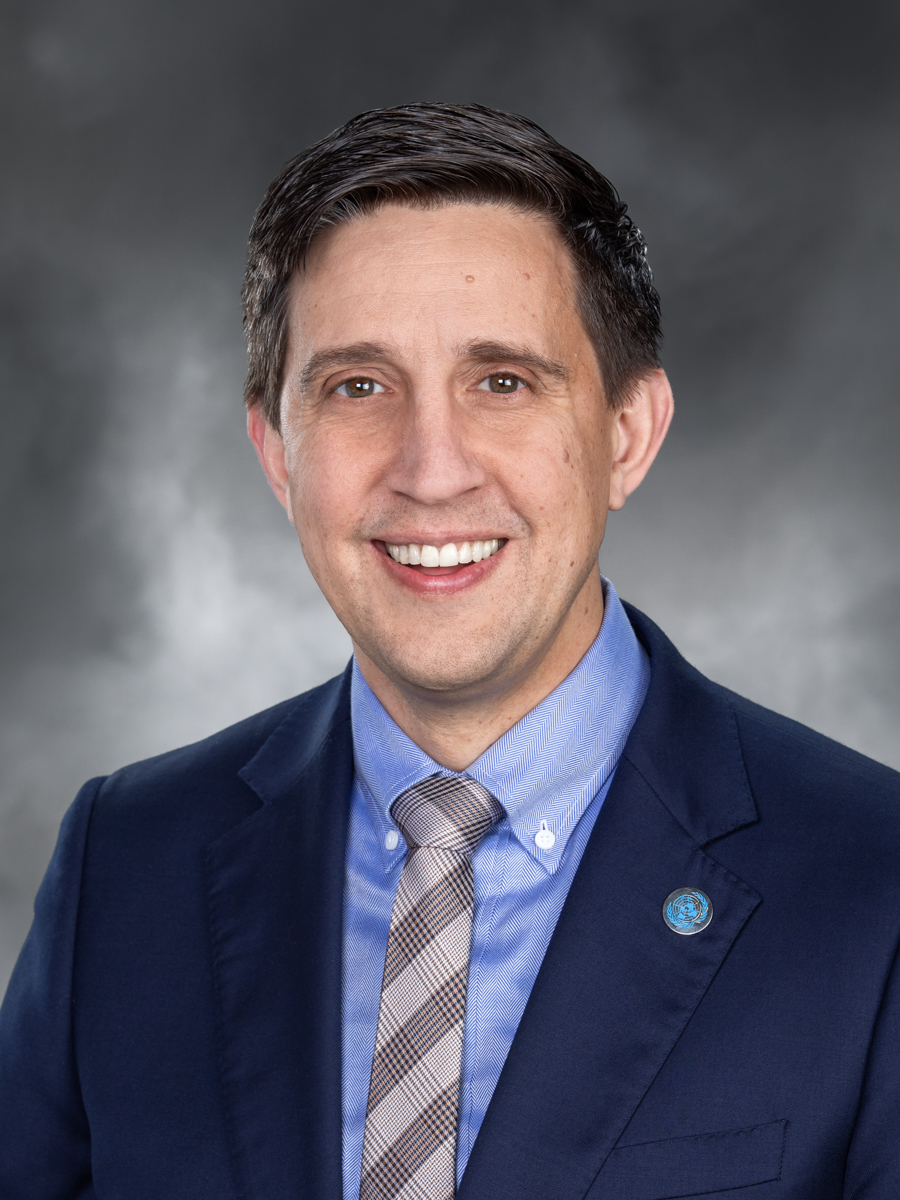
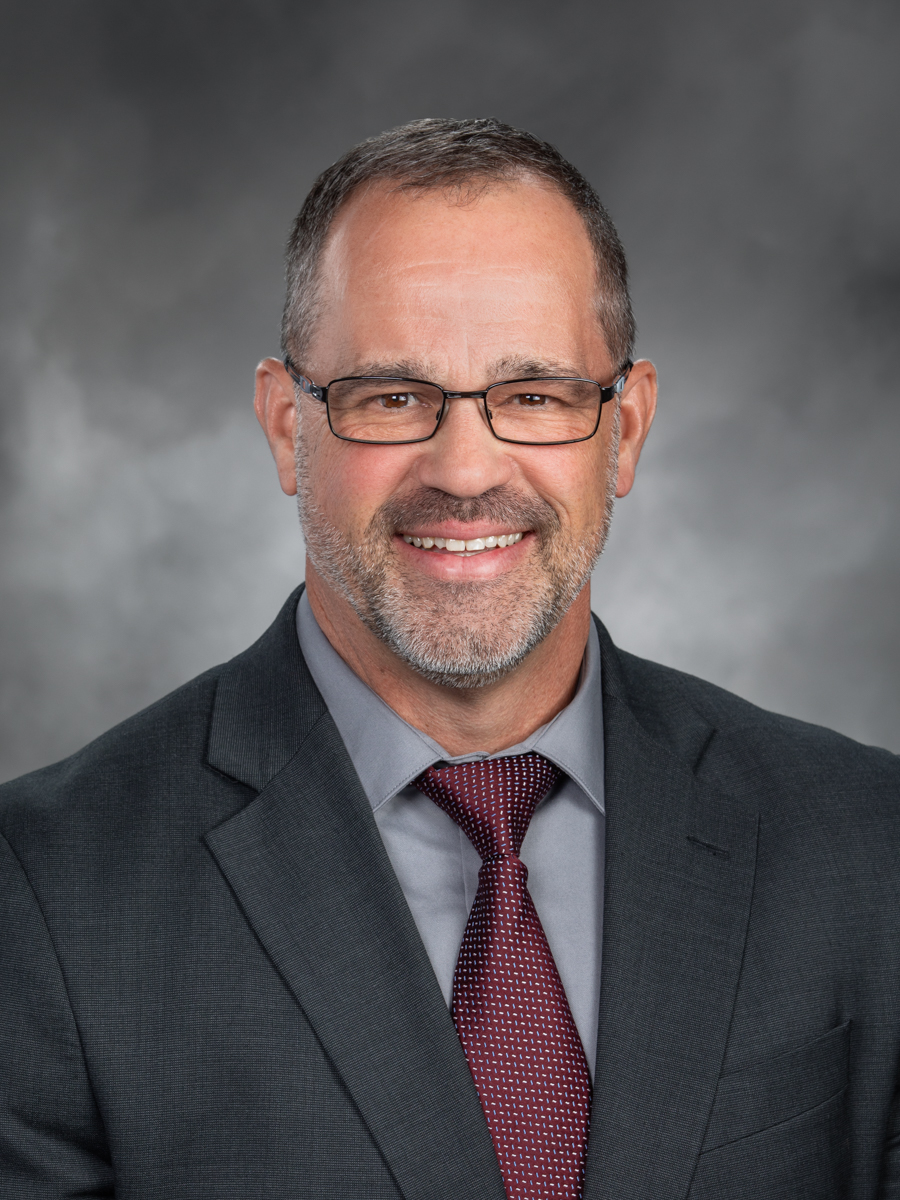
Alex Ramel
Alex Ramel House · District 40
D
Strong +
100% 13
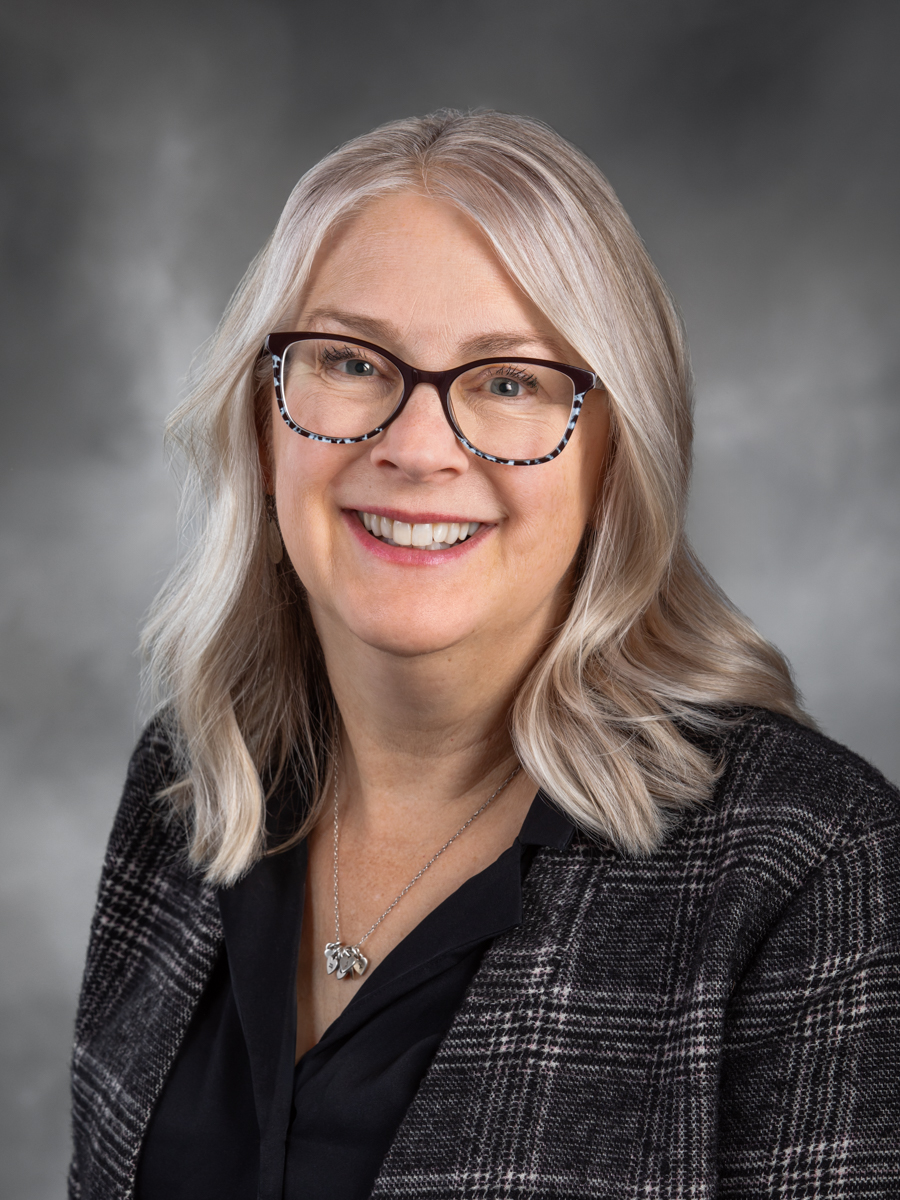
Beth Doglio
Beth Doglio House · District 22
D
Strong +
100% 13
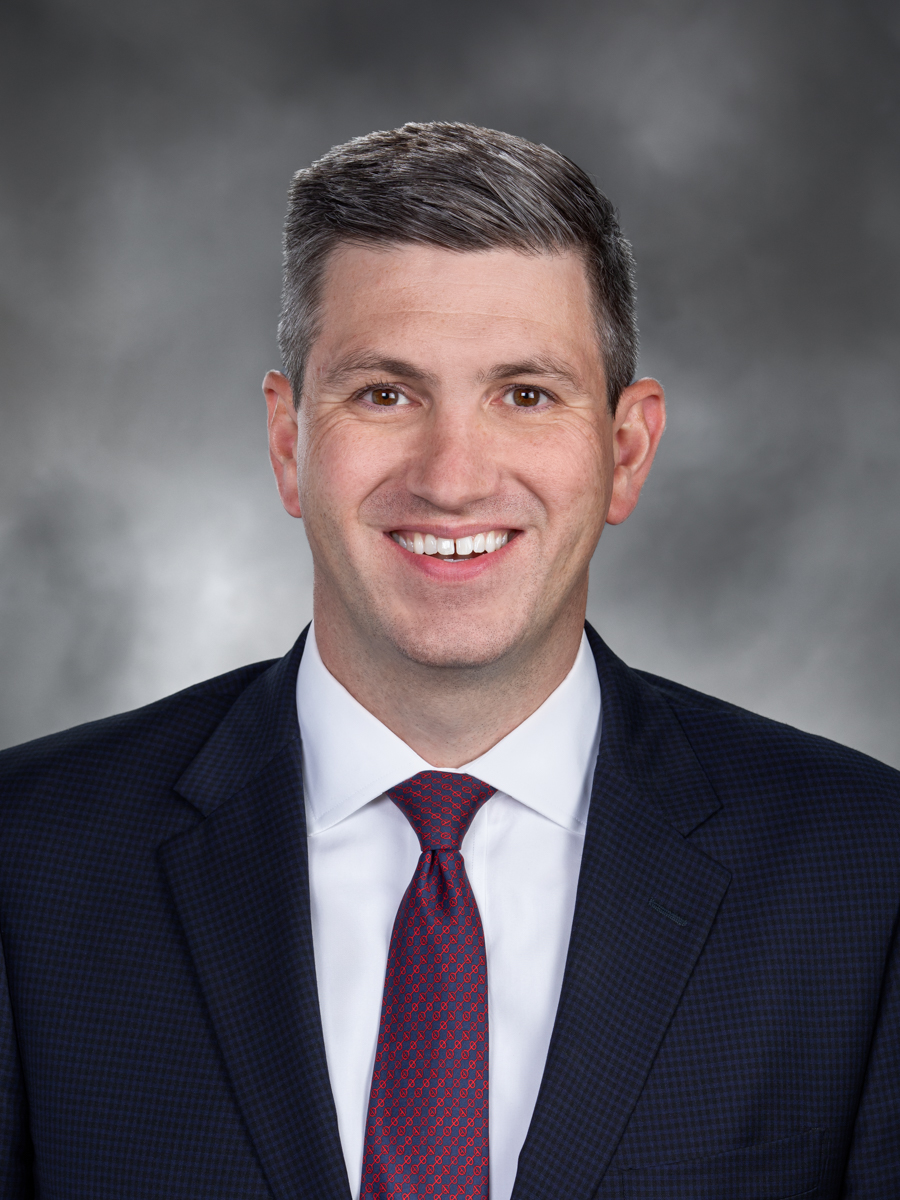
Brandy Donaghy
Brandy Donaghy House · District 44
D
Strong +
100% 13
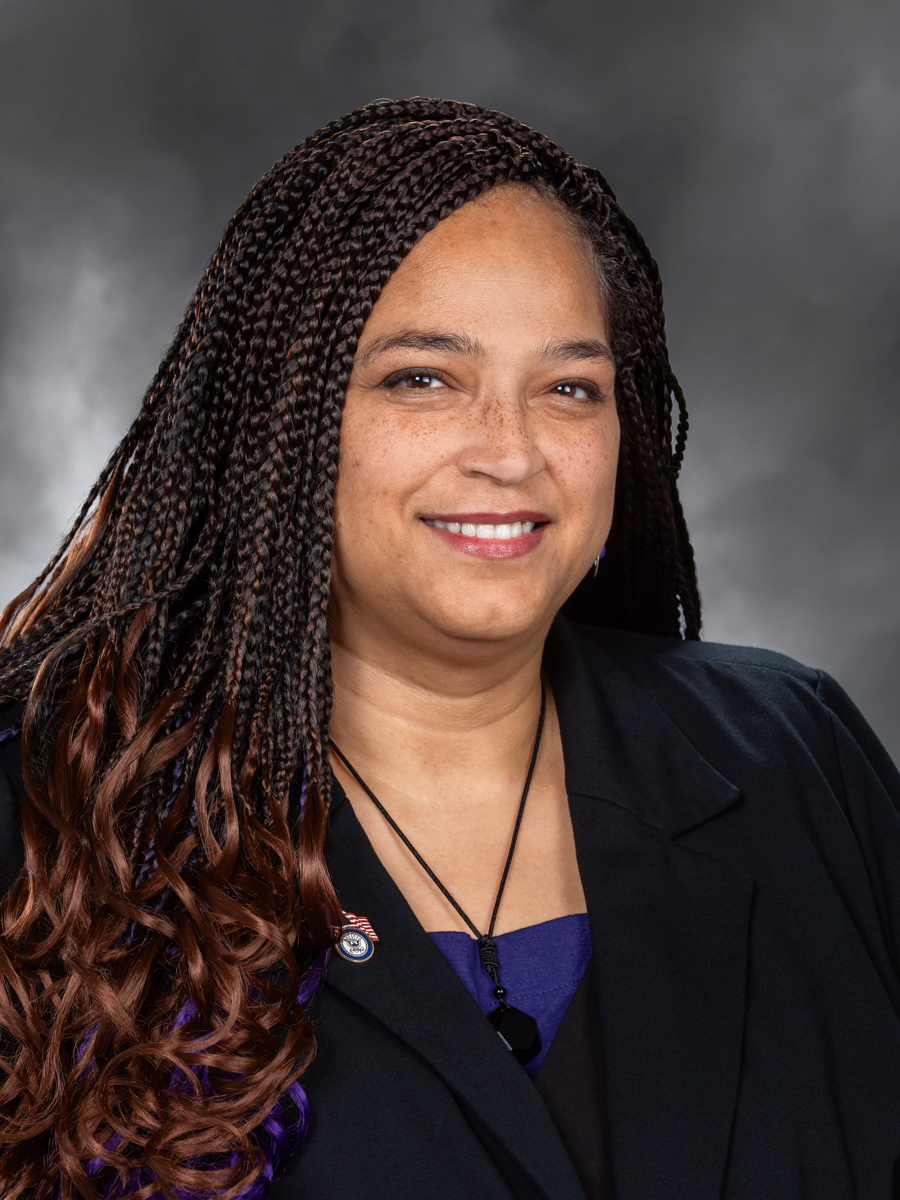
Brianna Thomas
Brianna Thomas House · District 34
D
Strong +
100% 13
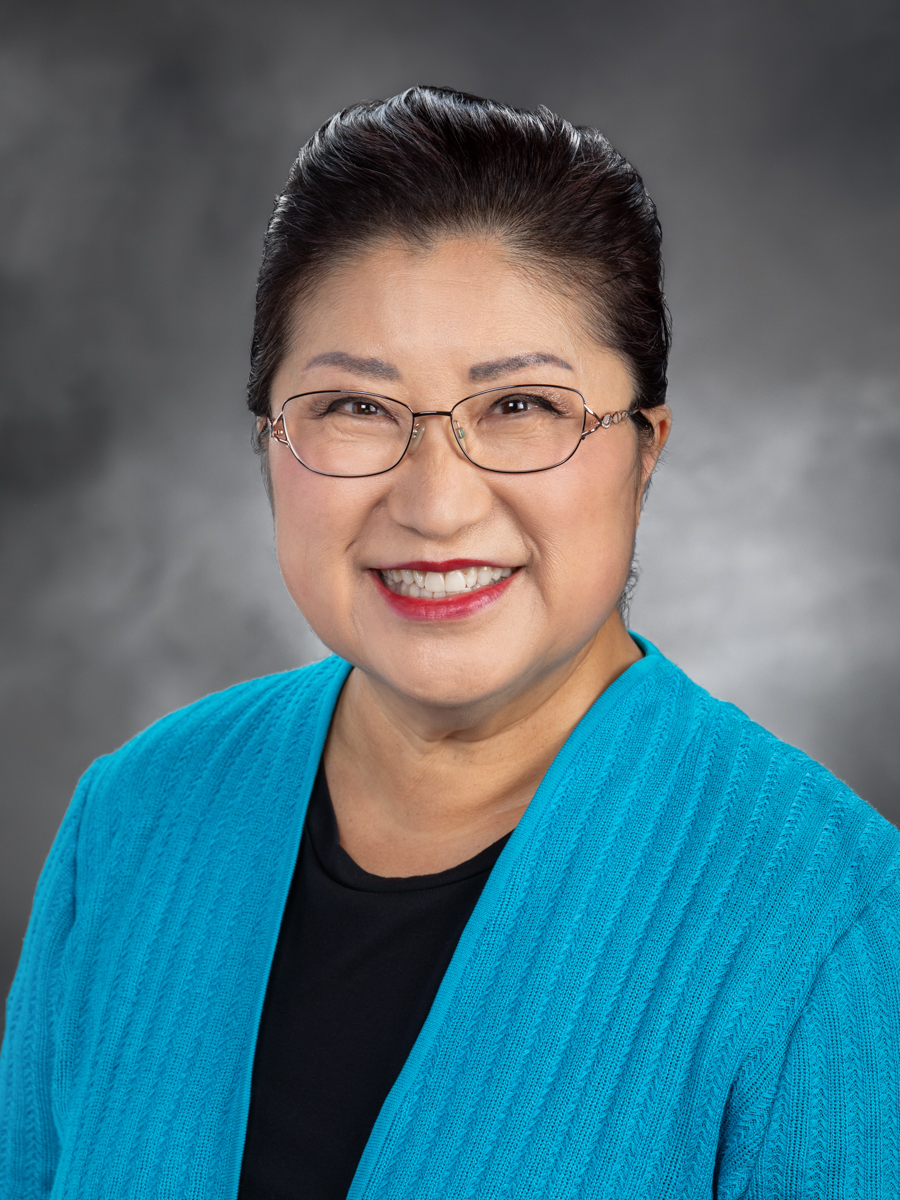
Cindy Ryu
Cindy Ryu House · District 32
D
Strong +
100% 13
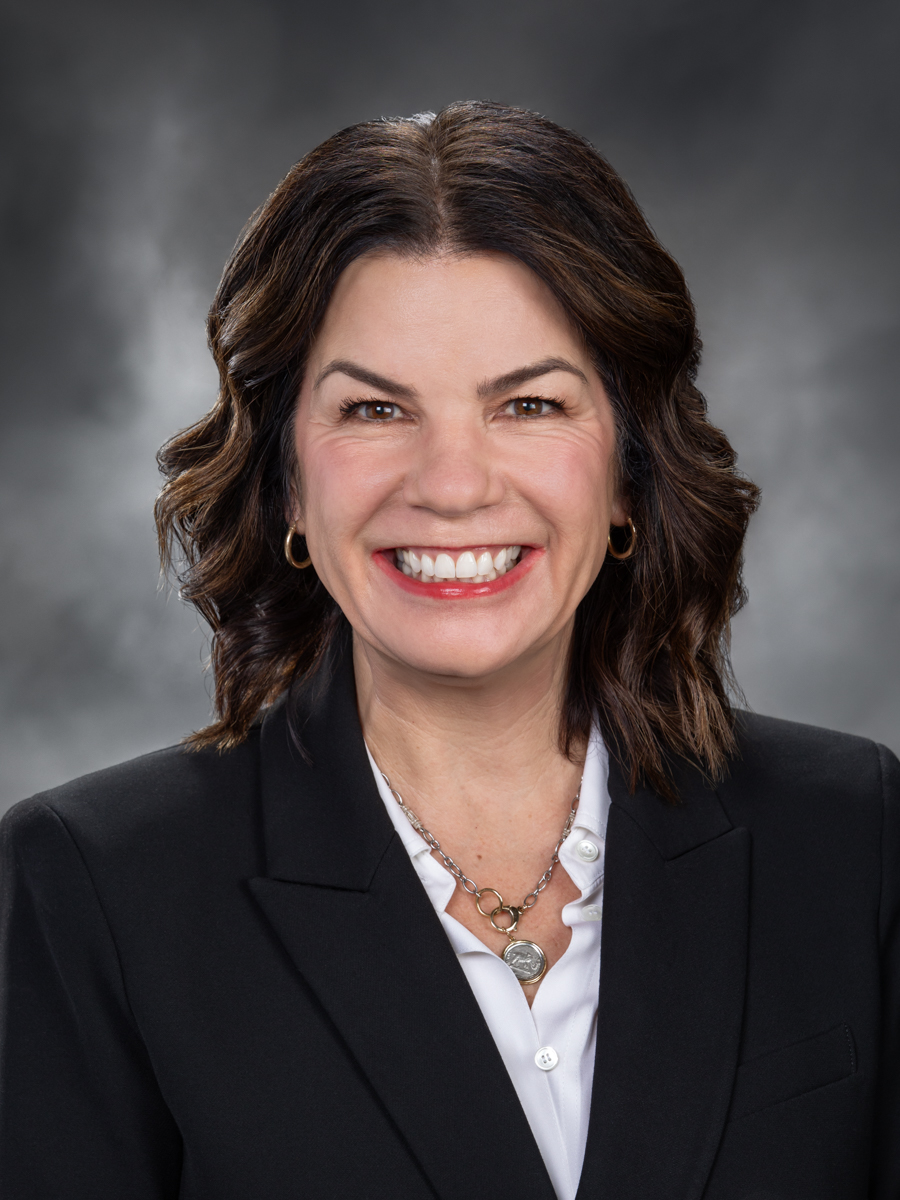
April Connors
April Connors House · District 8
R
Strong −
0% 13
Brian Burnett
Brian Burnett House · District 12
R
Strong −
0% 13
Cyndy Jacobsen
Cyndy Jacobsen House · District 25
R
Strong −
0% 13
Drew Stokesbary
Drew Stokesbary House · District 31
R
Strong −
0% 13
Jim Walsh
Jim Walsh House · District 19
R
Strong −
0% 13
Showing 41–50 of 95 bills

All criminal justice bills

signed · Washington · Senate Mar 19, 2026

SB 5855: Concerning the use of face coverings by law enforcement officers.

This bill requires Washington law enforcement officers to wear visible identification (like a clearly displayed name) and not cover their faces during routine public interactions. It defines "facial covering" to exclude medical masks, helmets for bicycle safety, and clear face shields, but prohibits items like balaclavas or tactical masks. Exceptions allow face coverings during active undercover operations or when tactical teams use protective gear for safety. Officers who violate this during detentions could face civil lawsuits seeking damages or court-ordered remedies. The law applies to all police officers during public duties, not just emergency situations.
in committee · Washington · Senate Jan 12, 2026

SB 5914: Concerning public defense services.

Washington's SB 5914 increases state funding for public defense services over time, requiring the state to cover 10% of costs in 2027, rising to 30% by 2031. Counties and cities receiving funds must meet specific quality standards, including requiring annual attorney training, reporting case statistics and expenditures, and tracking attorney time per case. The bill also mandates that public defense providers comply with Washington Supreme Court indigent defense standards and adopt legal representation plans addressing key factors. These requirements apply to all counties and cities providing public defense services for both adults and juveniles. The law aims to improve service quality and accountability through structured funding and reporting mechanisms.
Sub-Topics Courts
passed · Washington · Senate Mar 12, 2026

SB 5936: Concerning prevention of and remedies for human trafficking.

SB 5936 holds businesses accountable for human trafficking by allowing prosecution if they knowingly engage in trafficking or fail to stop it when aware of a pattern benefiting the business. Businesses found liable face penalties including fines up to $1 million per offense, disgorgement of profits, and debarment from government contracts. The bill strengthens victim confidentiality in trafficking cases, requiring law enforcement to keep victim identities, images, and family information private unless disclosure is necessary for investigation, court orders, or victim services. It also updates existing laws to expand exemptions for victim information in public records, particularly protecting children in sexual exploitation cases.
in committee · Washington · House Jan 29, 2026

HB 2217: Concerning rehabilitative pathways for persons charged with certain felony offenses who have no prior felony convictions in adult criminal court.

HB 2217 creates a rehabilitative pathway for individuals in Washington state charged with certain non-violent, non-sex felony offenses who have no prior felony convictions. Eligible defendants may request a court to defer conviction and sentencing for up to one year, during which they must comply with conditions like community service or treatment. If they successfully complete the deferral period, the charges are dismissed; if not, they face sentencing for the original offense. The bill excludes violent offenses, most drug crimes, and certain DUI charges from eligibility.
Sub-Topics Courts Sentencing
in committee · Washington · House Jan 12, 2026

HB 1138: Improving public safety by implementing evidence-based interview practices that increase the reliability of statements collected during criminal investigations.

HB 1138 requires Washington law enforcement officers to stop using deceptive tactics (like falsely claiming evidence exists) during criminal interrogations starting in 2026. It presumes statements obtained through deception are inadmissible in court for misdemeanor or felony cases, unless prosecutors prove the statement was voluntary. The bill mandates free, state-developed training for all officers on evidence-based techniques like the PEACE method, cognitive interviews, and trauma-informed approaches by July 2026. This directly affects law enforcement agencies, prosecutors, and individuals being questioned in criminal investigations.
Sub-Topics Courts Law Enforcement Tags Public Safety
in committee · Washington · Senate Jan 12, 2026

SB 5569: Recognizing a court's authority to authorize a defendant's direct transfer from jail to inpatient or residential substance use disorder treatment.

SB 5569 allows courts in Washington to approve direct transfers of defendants from jail to inpatient or residential substance use disorder treatment, bypassing bail requirements. It directly affects defendants charged with crimes who have a confirmed treatment facility spot and a "trusted individual" (like a family member or social worker) to escort them. Key provisions require defendants to agree to treatment, waive their right to a speedy trial, and include court notifications to recovery programs and treatment facilities upon admission and discharge. The bill also clarifies that time spent in treatment counts as an excluded period for trial deadlines, resetting the timeline upon completion. This applies broadly to any defendant who could benefit from treatment, not just those charged under specific laws.
in committee · Washington · Senate Jan 12, 2026

SB 5426: Improving developmentally appropriate alternatives for youth outside the formal court process.

SB 5426 expands access to non-court alternatives for youth in Washington state by requiring courts to offer standardized diversion programs. It defines community-based rehabilitation services (like counseling, education, or restorative justice programs) and sets requirements for residential treatment referrals. The bill mandates data tracking to monitor diversion effectiveness across counties, addressing inconsistent access to these programs. These changes aim to reduce reliance on formal court processing for youth offenders while improving accountability.
signed · Washington · House May 12, 2025

HB 1460: Concerning protection order hope cards.

HB 1460 enhances the "protection order hope card" program for individuals protected by court orders, such as victims of domestic violence or stalking, and aids law enforcement. It mandates that these cards be in a scannable electronic format, where feasible, containing critical details like the names of protected and restrained individuals, the order's specifics, and crucially, information about any firearm prohibitions and compliance status. The bill allows protected individuals to request a card when the order is first issued or later, without a fee, and ensures the scannable codes can link to a digital record of the entire case history, including firearm relinquishment details. The hope card holds the same legal authority as the underlying protection order, and the program now explicitly includes extreme risk protection orders.
passed · Washington · Senate Mar 12, 2026

SB 5169: Concerning testimony of children.

SB 5169 expands the rules for how children's testimony is handled in legal proceedings. It allows statements made by children under the age of 18 (previously under 10 for some offenses) to be admissible in court for a wider range of crimes, including sexual contact, physical abuse, trafficking, and violent offenses, even if the act was against another child or a known person. The bill also broadens the circumstances under which a child under 18 can testify via one-way closed-circuit television in criminal cases. This includes situations where the child would be traumatized by the presence of the jury, in addition to trauma caused by the defendant's presence.
Sub-Topics Courts
in committee · Washington · Senate Jan 12, 2026

SB 5056: Concerning Washington state patrol providing firearm background checks when state record systems are unavailable.

This bill requires the Washington State Patrol to create a centralized system for firearm background checks that dealers must use when selling or transferring firearms. It mandates checks against state crime databases, court records, and the national background check system, with specific protocols for when state systems are unavailable for seven or more days. The system includes a $18 maximum fee for background checks (excluding pawn transactions), an appeal process for denied applicants, and requirements for real-time notifications and data security. It directly affects firearm dealers, who must transition to this system within 30 days of notification, and the Washington State Patrol, which must operate and maintain the new program.
Sub-Topics Courts Firearms
Showing 41 to 50 of 95 bills
Previous 1 4 5 6 10 Next