Issue · Criminal Justice

Criminal Justice

Every criminal justice bill, vote, and legislator stance in Washington, automatically classified by Maddy, our AI policy reader.

Total bills
72
2025-2026 Regular Session
Top supporter
Steve Tharinger
91% support rate
Top opponent
Jim McCune
16% support rate
Ranked legislators
10
5 support · 5 oppose
Key legislators

Who's moving criminal justice in Washington

Legislators moving criminal justice in Washington
Legislator Party Stance Support rate Votes
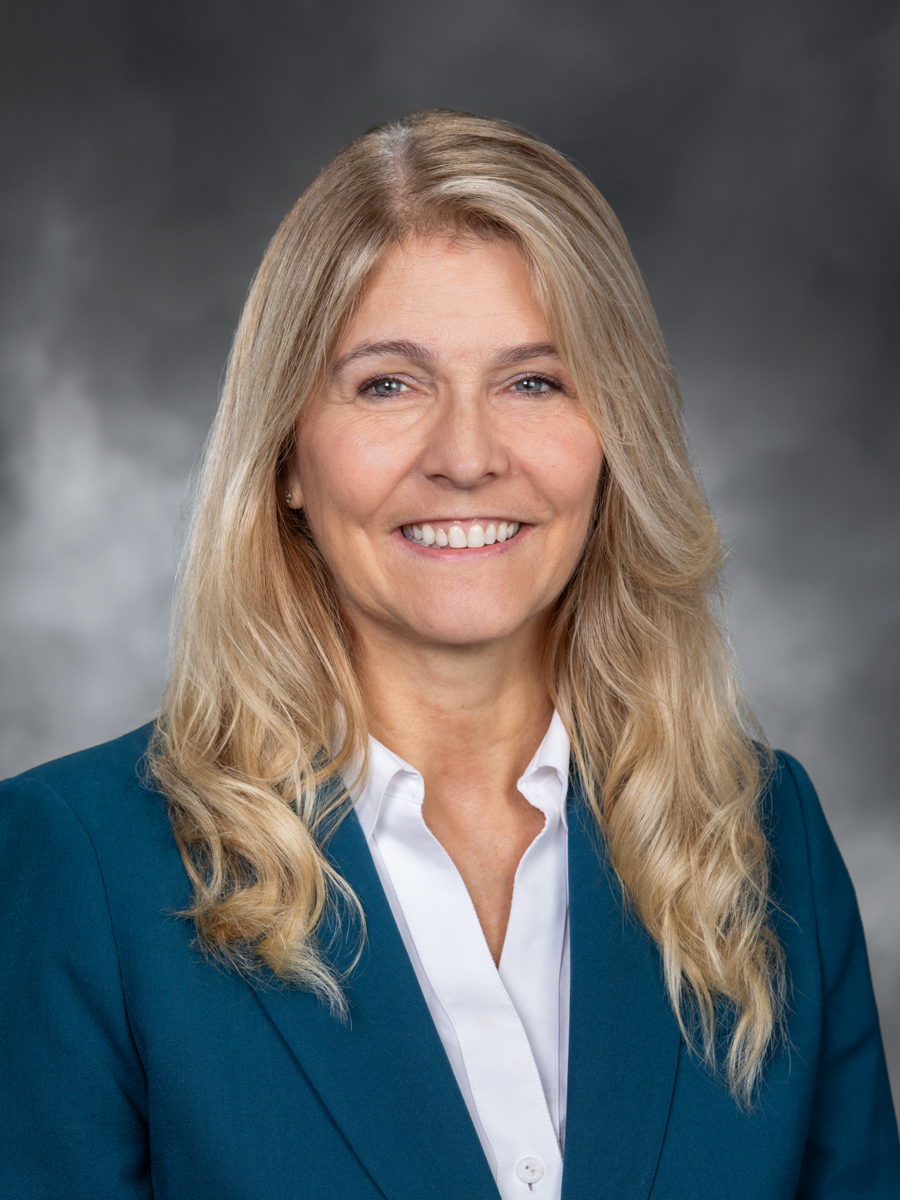
Steve Tharinger
Steve Tharinger House · District 24
D
Strong +
91% 99
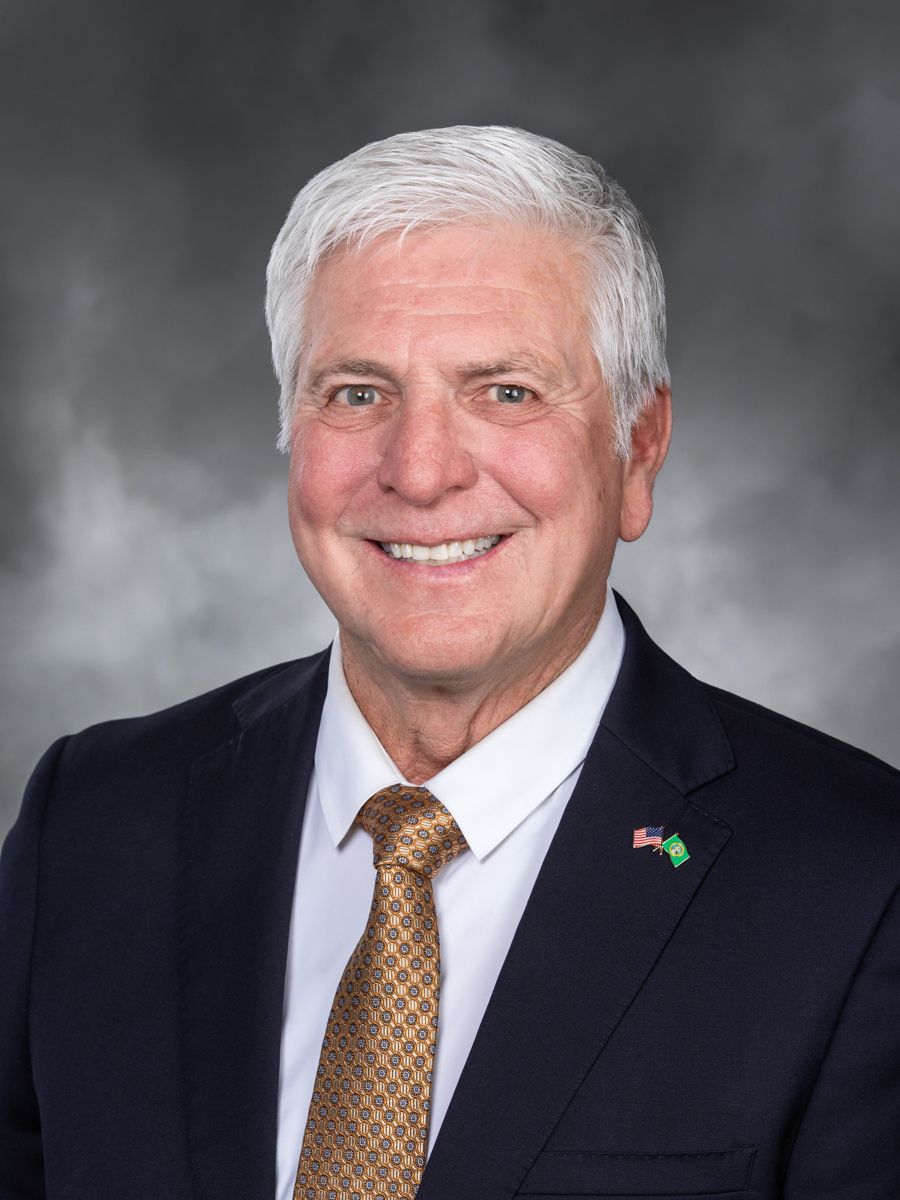
Tina Orwall
Tina Orwall Senate · District 33
D
Strong +
90% 124
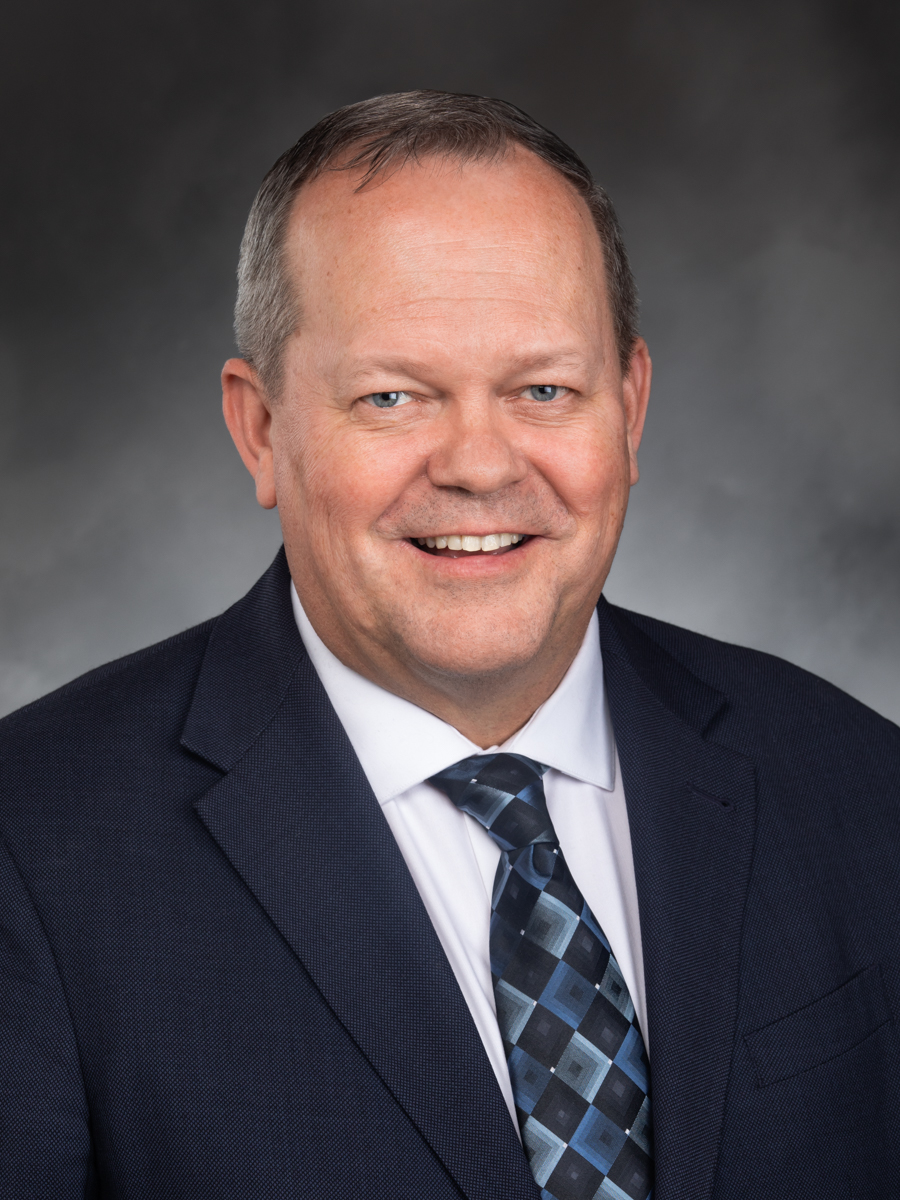
Annette Cleveland
Annette Cleveland Senate · District 49
D
Strong +
88% 125
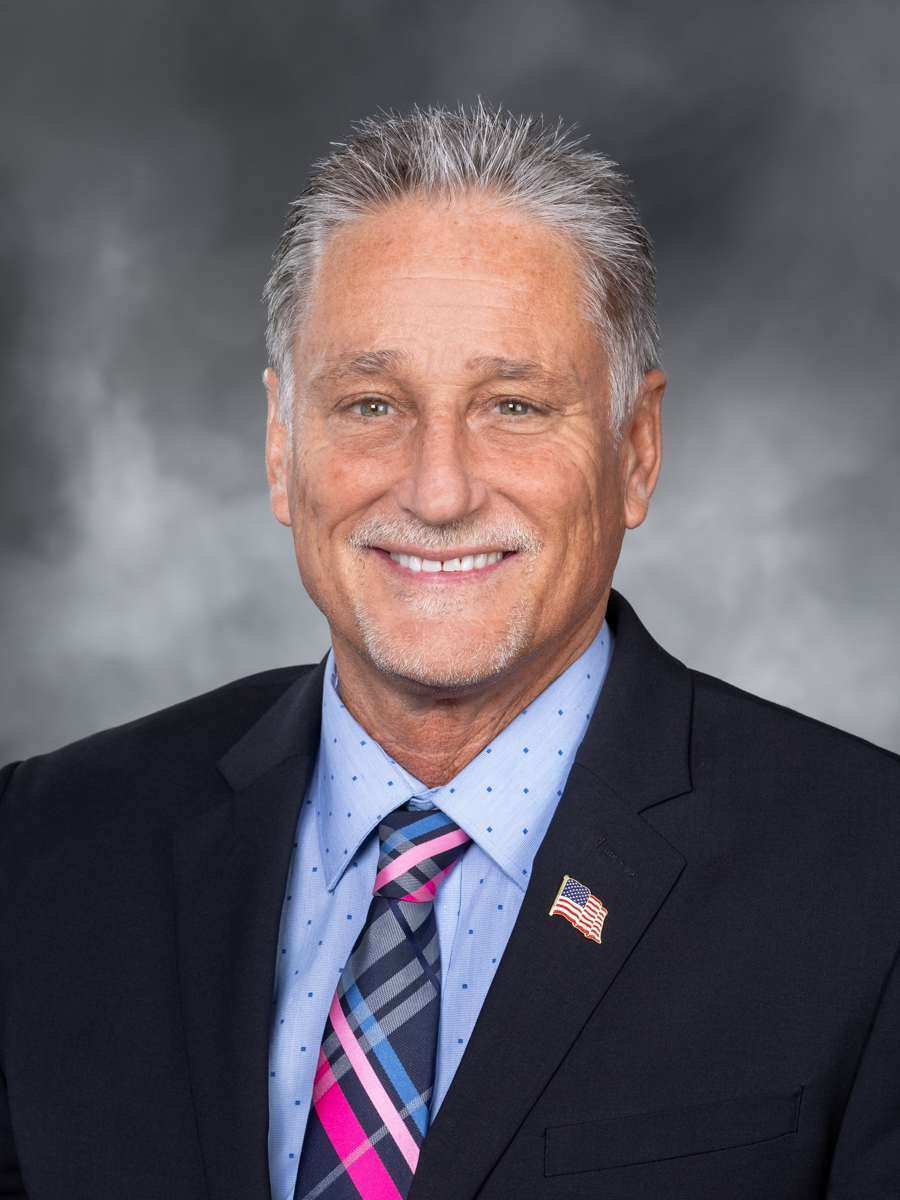
Jess Bateman
Jess Bateman Senate · District 22
D
Strong +
88% 125
Derek Stanford
Derek Stanford Senate · District 1
D
Strong +
88% 125
Jim McCune
Jim McCune Senate · District 2
R
Strong −
16% 125
Perry Dozier
Perry Dozier Senate · District 16
R
Strong −
17% 125
Leonard Christian
Leonard Christian Senate · District 4
R
Strong −
17% 125
Matt Boehnke
Matt Boehnke Senate · District 8
R
Strong −
17% 125
Jeff Wilson
Jeff Wilson Senate · District 19
R
Strong −
18% 121
Showing 41–50 of 72 bills

All criminal justice bills

in committee · Washington · Senate Jan 12, 2026

SB 5347: Concerning organized retail theft.

SB 5347 defines "organized retail theft" in Washington State, making it a felony when thefts meet specific value thresholds or involve coordinated activity. It creates two degrees: second-degree felony (theft valued at $750-$5,000 across multiple incidents or with two accomplices) and first-degree felony ($5,000+ value). The bill allows retail stores to request aggregation of multiple thefts for prosecution and updates the timeframe for combining thefts from 180 to 365 days. This directly affects retailers seeking to prosecute coordinated theft rings and individuals committing thefts meeting the new criteria. The law aims to strengthen penalties for repeat or group-based retail thefts without changing existing retail store obligations.
in committee · Washington · Senate Jan 12, 2026

SB 5566: Increasing the penalty for assaulting a law enforcement officer.

SB 5566 increases penalties for assaulting certain public safety personnel, including law enforcement officers, firefighters, transit workers, school bus drivers, healthcare providers, and court staff while they are performing their duties. It reclassifies assault against law enforcement from a class C felony to a class B felony (a more serious charge) and adds a mandatory minimum 180-day prison sentence for such assaults committed during riots. The bill also expands protections to include assaults against healthcare providers, transit operators, and court personnel under specific duty-related circumstances. These changes apply to anyone who physically harms these workers while they are on duty, with no additional policy implications or outcomes speculated.
Sub-Topics Law Enforcement Sentencing Violent Crime Tags Public Safety
in committee · Washington · House Jan 12, 2026

HB 1159: Concerning the crime of endangerment with a controlled substance.

HB 1159 creates a new class B felony crime for knowingly permitting a dependent child (under 18) or vulnerable adult (e.g., elderly, disabled, or in care facilities) to ingest, inhale, absorb, or contact a controlled substance (excluding cannabis). It specifically targets situations where someone responsible for their care allows exposure to drugs, with exceptions for medical use or prescriptions from licensed practitioners. The law defines "dependent person" broadly to include those relying on others for basic needs like food, shelter, or medical care, and specifies that administering substances for health care or via valid prescriptions is a valid defense. This bill directly affects caregivers, family members, and facility staff responsible for vulnerable individuals.
Sub-Topics Drug Policy
in committee · Washington · Senate Jan 12, 2026

SB 5350: Concerning background check system for firearms transfers.

SB 5350 repeals existing Washington state laws and related legislative provisions governing the firearms background check system, including requirements for background checks during firearm transfers, the background check advisory board, and related funding accounts. This procedural bill removes specific legal provisions (such as RCW 43.43.580 and 2020 c 28 sections) from the state code. It does not create new requirements but eliminates the current legal framework for background checks. The bill is procedural in nature and does not directly affect firearm transfers or individuals.
Sub-Topics Firearms
in committee · Washington · Senate Jan 12, 2026

SB 5287: Limiting the monetary assistance an indigent person may receive from the ignition interlock device revolving account program.

SB 5287 limits financial assistance for indigent individuals using Washington's ignition interlock device program. It amends state law to restrict monetary aid from the revolving account program to cover installation, removal, and leasing costs for no more than two vehicles per person or household. This change directly affects low-income drivers convicted of DUI-related offenses who qualify for ignition interlock licenses but cannot afford the device costs. The bill does not alter the $21 monthly fee or the program's funding structure, only the scope of assistance provided to indigent applicants.
Sub-Topics Traffic Safety
signed · Washington · Senate May 12, 2025

SB 5716: Expanding the locations where a person can be guilty of unlawful transit conduct to include the Washington state ferries.

Senate Bill 5716 expands the definition of "unlawful transit conduct" to include actions occurring on Washington State Ferries. This bill amends existing law (RCW 9.91.025) to explicitly include the Washington State Ferries under the definition of a "transit authority." As a result, behaviors such as smoking, littering, playing loud music without headphones, or consuming alcohol without authorization are now considered unlawful conduct when on or at ferry facilities. Individuals who violate these provisions on Washington State Ferries can be found guilty of a misdemeanor.
in committee · Washington · House Jan 12, 2026

HB 1286: Concerning the crime of endangerment with a controlled substance.

HB 1286 makes it a class B felony to knowingly allow a dependent child or adult to be exposed to, ingest, inhale, or touch any controlled substance (including those in Schedules I-IV under Washington or federal law), unless the substance was obtained via a valid medical prescription. This law directly affects caregivers, such as parents or guardians, who may unintentionally or intentionally expose dependents to these substances. The key provision criminalizes exposure without medical authorization, while explicitly allowing legally prescribed medications. Penalties apply to all controlled substances in Schedules I-IV, with no exception for non-prescription use.
Sub-Topics Drug Policy
in committee · Washington · House Jan 12, 2026

HB 1548: Deterring robberies from cannabis retail establishments.

HB 1548 requires cannabis retail stores in Washington to report robbery attempts or incidents to the state board within 10 days. It also mandates that the board's enforcement officer regularly consult with the Washington State Patrol to identify patterns of robbery at these stores. The bill amends sentencing laws to require courts to make a special finding if someone robs a cannabis store by using a vehicle to damage it or by committing the robbery with others, which could lead to harsher penalties. This directly affects licensed cannabis retailers and impacts sentencing for specific types of robberies targeting these businesses. The law aims to improve reporting and law enforcement coordination to deter such crimes.
in committee · Washington · Senate Jan 12, 2026

SB 5213: Penalizing the possession of fentanyl.

SB 5213 changes the penalty for possessing fentanyl from a gross misdemeanor to a class C felony in Washington State. It applies to anyone knowingly holding fentanyl without a valid prescription, excluding medical cannabis users under existing laws. The bill includes provisions for law enforcement to refer some cases to treatment programs instead of jail, while maintaining criminal penalties for fentanyl possession.
in committee · Washington · House Jan 12, 2026

HB 1000: Expanding the circumstances that may constitute a major violation of the uniform controlled substances act.

HB 1000 expands the definition of a "major violation" under Washington's drug sentencing law (VUCSA) by adding specific scenarios that would trigger harsher penalties. It directly affects individuals convicted of drug offenses who meet new criteria, such as conducting three or more separate drug transactions, distributing large quantities beyond personal use, manufacturing drugs, or knowingly distributing fentanyl causing harm. Key provisions include listing factors like high position in drug distribution, sophisticated operations, or using professional roles (e.g., pharmacist) to facilitate drug trafficking. This bill changes sentencing guidelines - not criminal law - by clarifying when drug offenses qualify as "major" for enhanced penalties. It does not alter what constitutes illegal drug activity but affects sentencing outcomes for qualifying cases.
Sub-Topics Drug Policy Sentencing
Showing 41 to 50 of 72 bills
Previous 1 4 5 6 8 Next