Issue · Criminal Justice

Criminal Justice (Law Enforcement)

Every criminal justice bill, vote, and legislator stance in Washington, automatically classified by Maddy, our AI policy reader.

Total bills
72
2025-2026 Regular Session
Top supporter
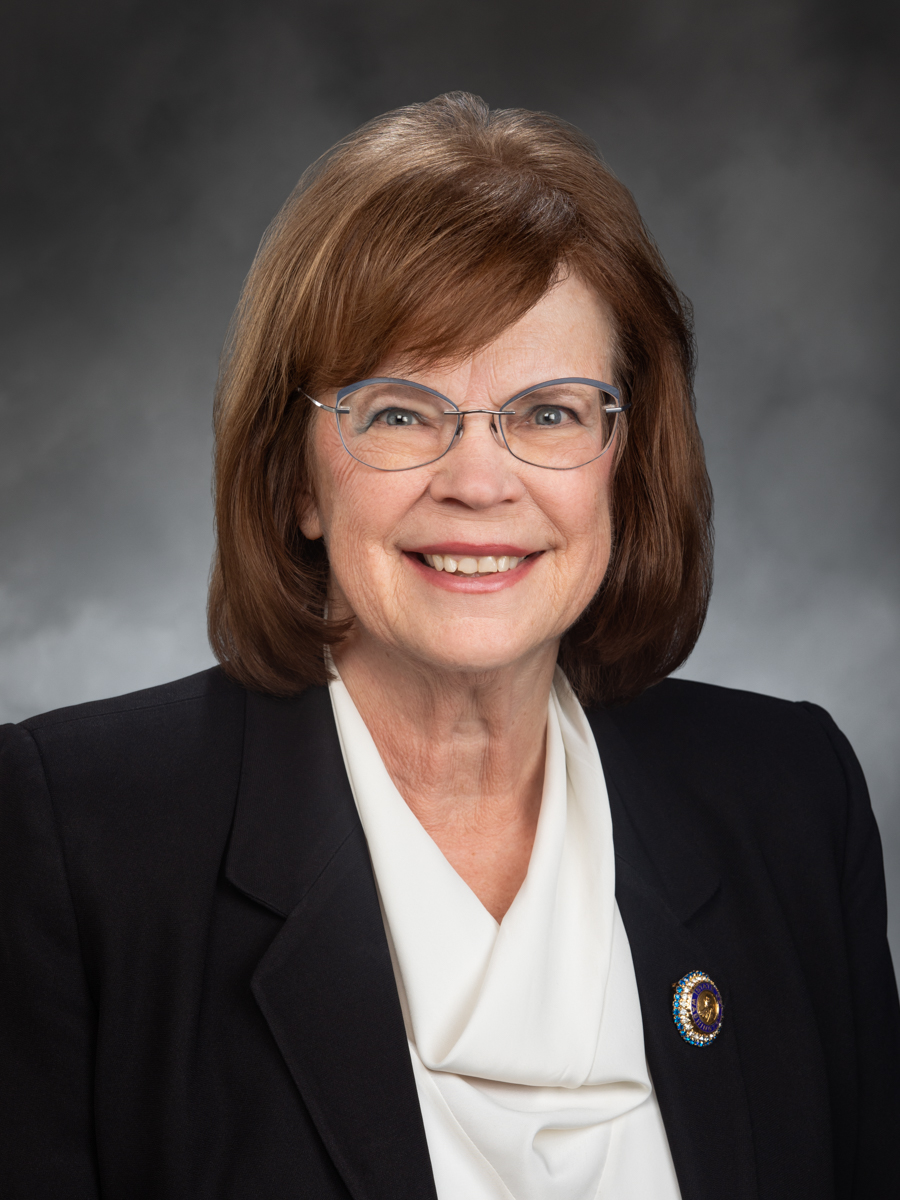
Deb Krishnadasan
92% support rate
Top opponent
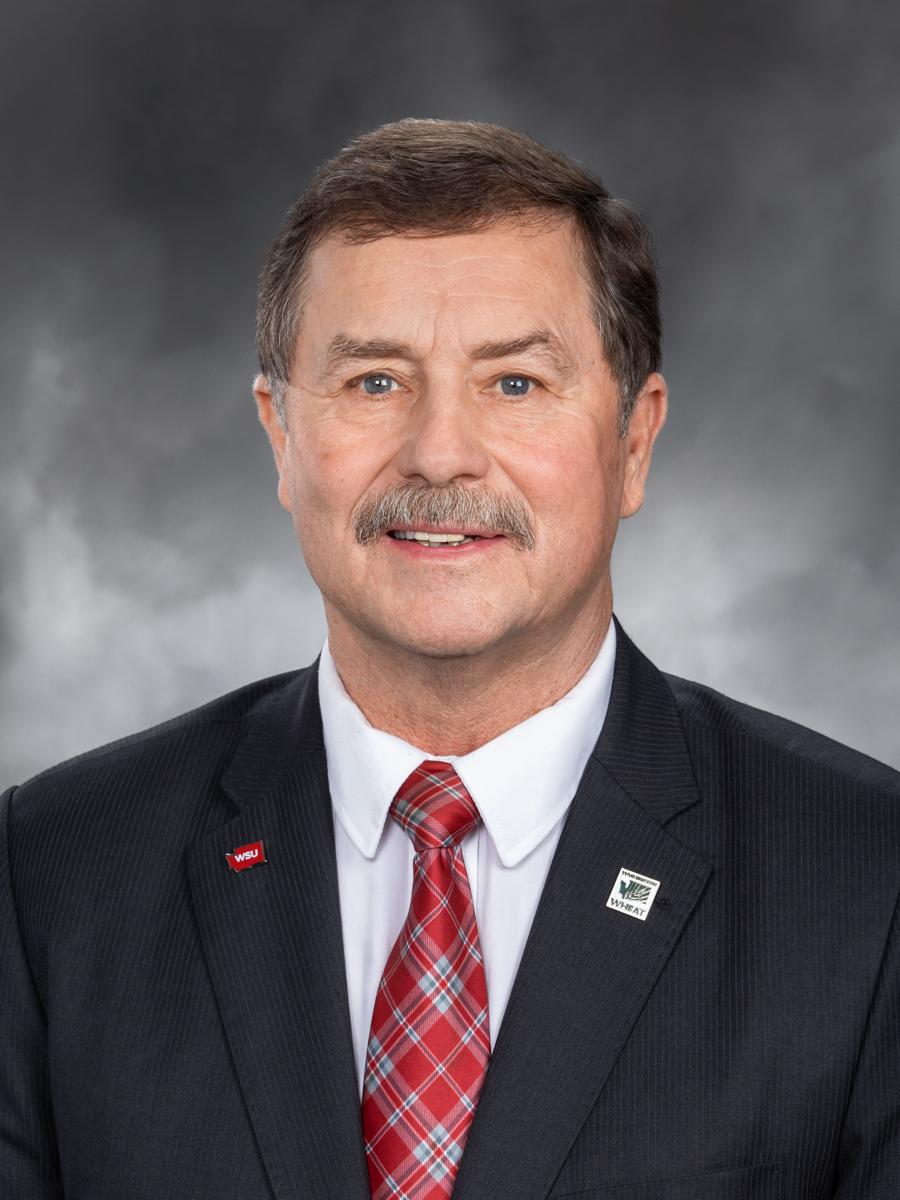
Jeff Wilson
17% support rate
Ranked legislators
10
5 support · 5 oppose
Key legislators

Who's moving law enforcement in Washington

Legislators moving law enforcement in Washington
Legislator Party Stance Support rate Votes
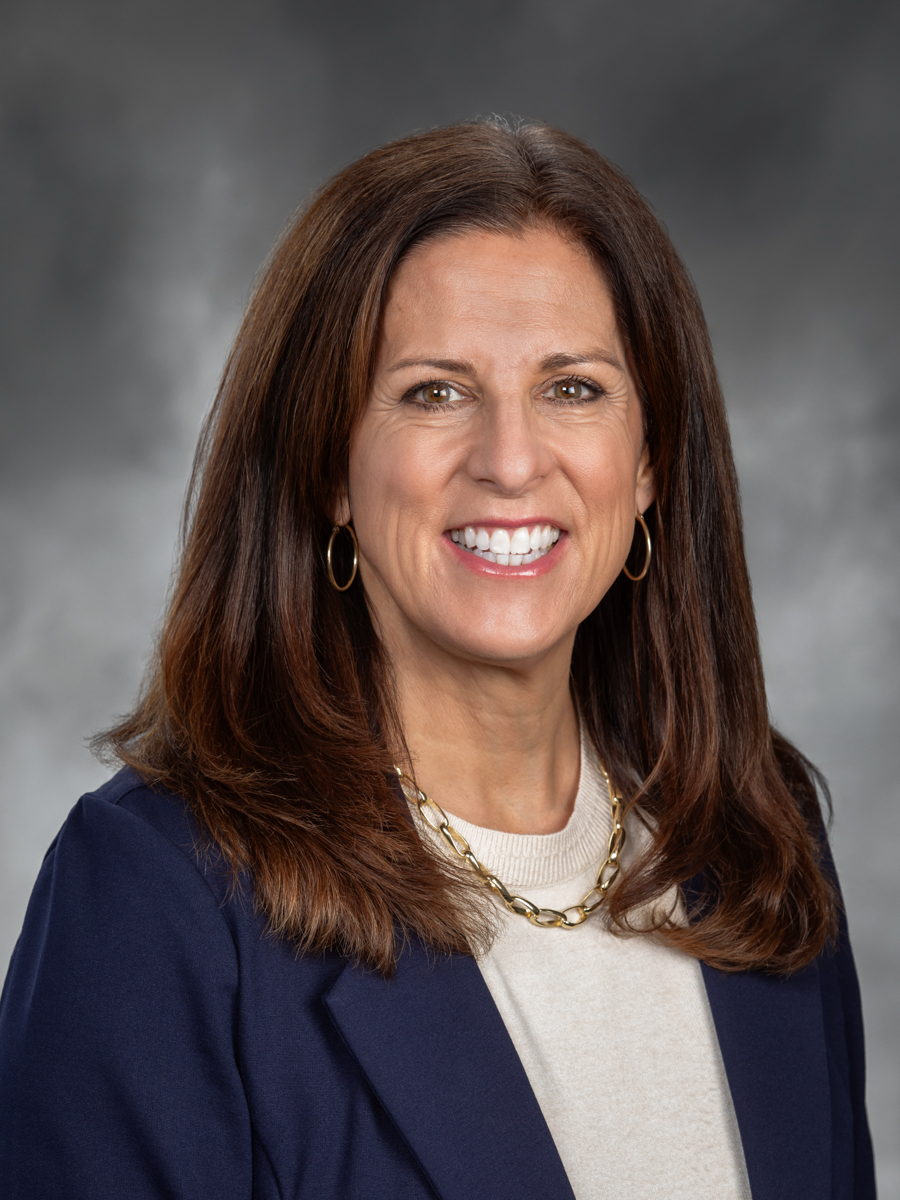
Deb Krishnadasan
Deb Krishnadasan Senate · District 26
D
Strong +
92% 12
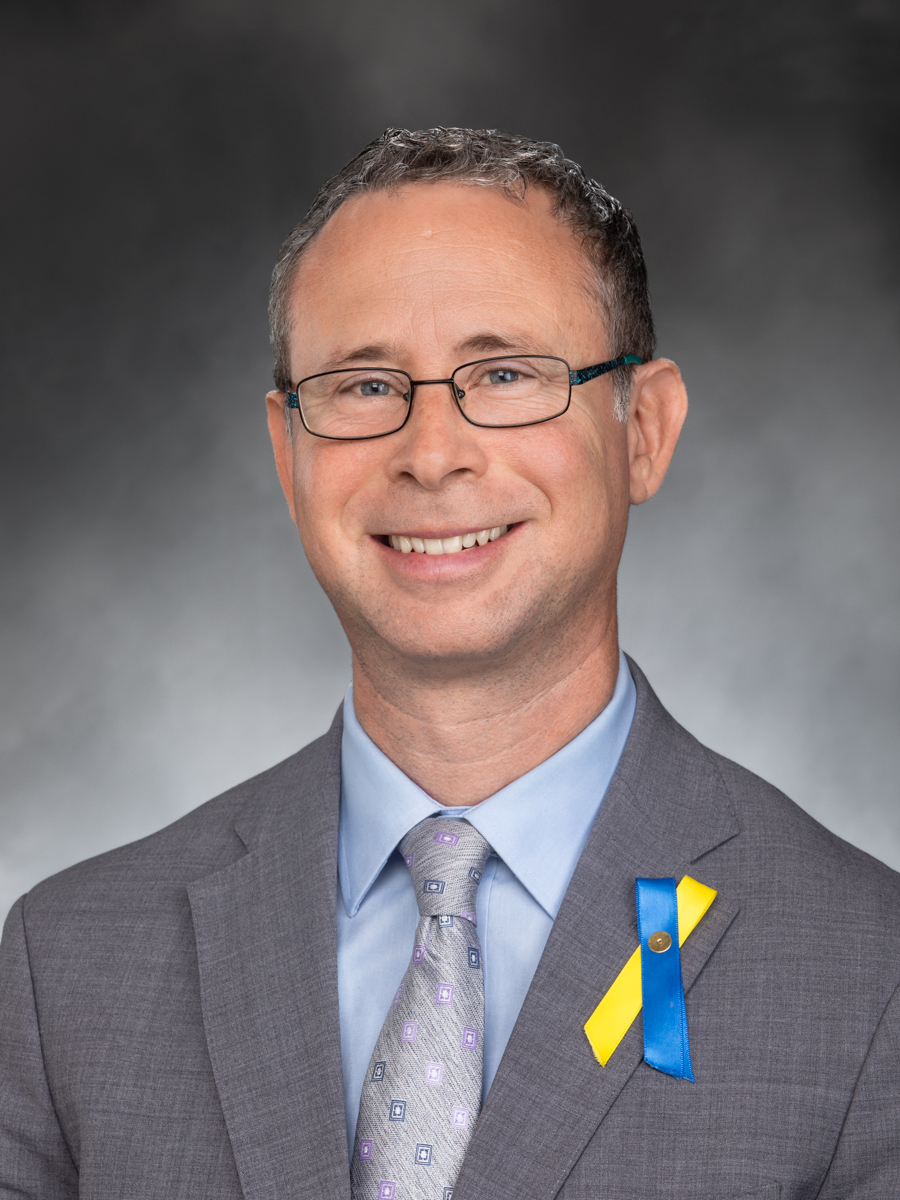
Jesse Salomon
Jesse Salomon Senate · District 32
D
Strong +
92% 12
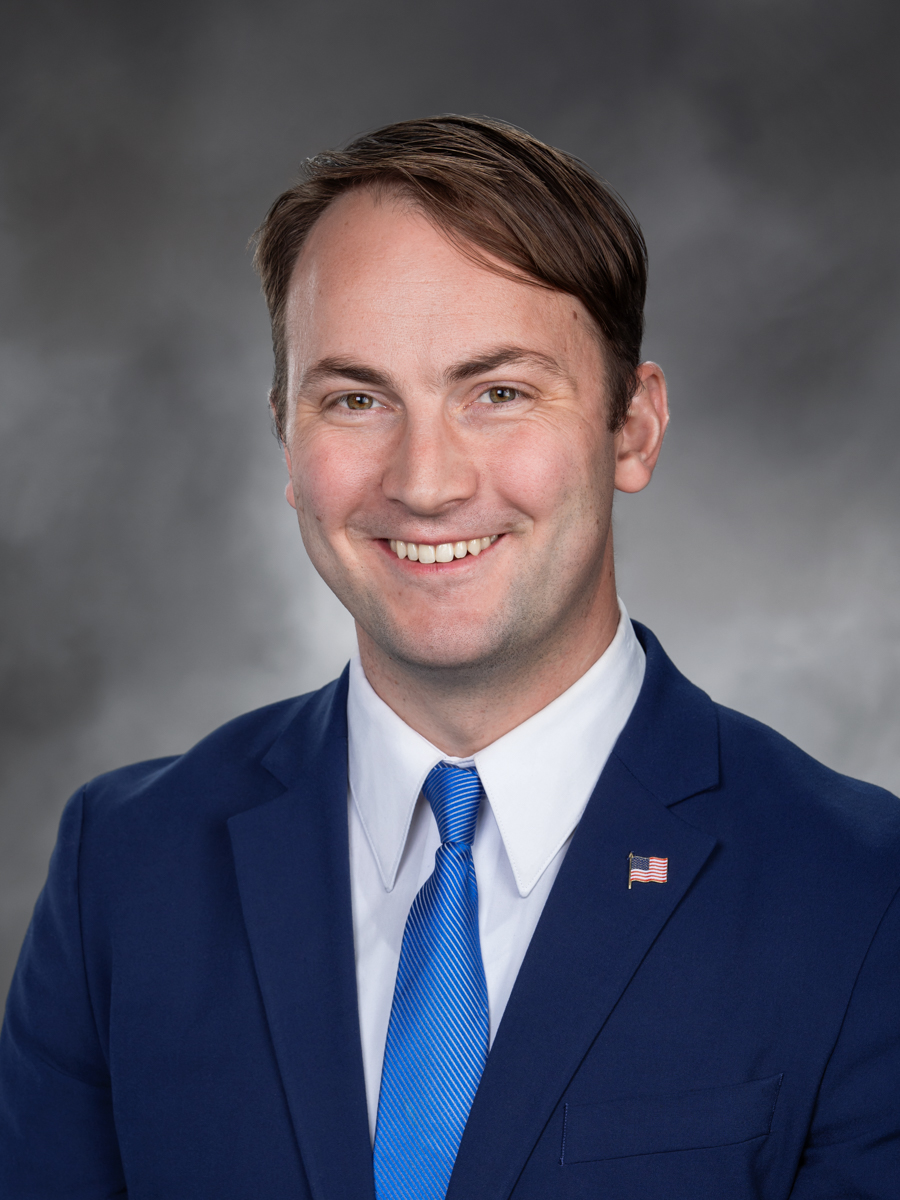
Adison Richards
Adison Richards House · District 26
D
Strong +
84% 50
Annette Cleveland
Annette Cleveland Senate · District 49
D
Strong +
83% 12
Claire Wilson
Claire Wilson Senate · District 30
D
Strong +
83% 12
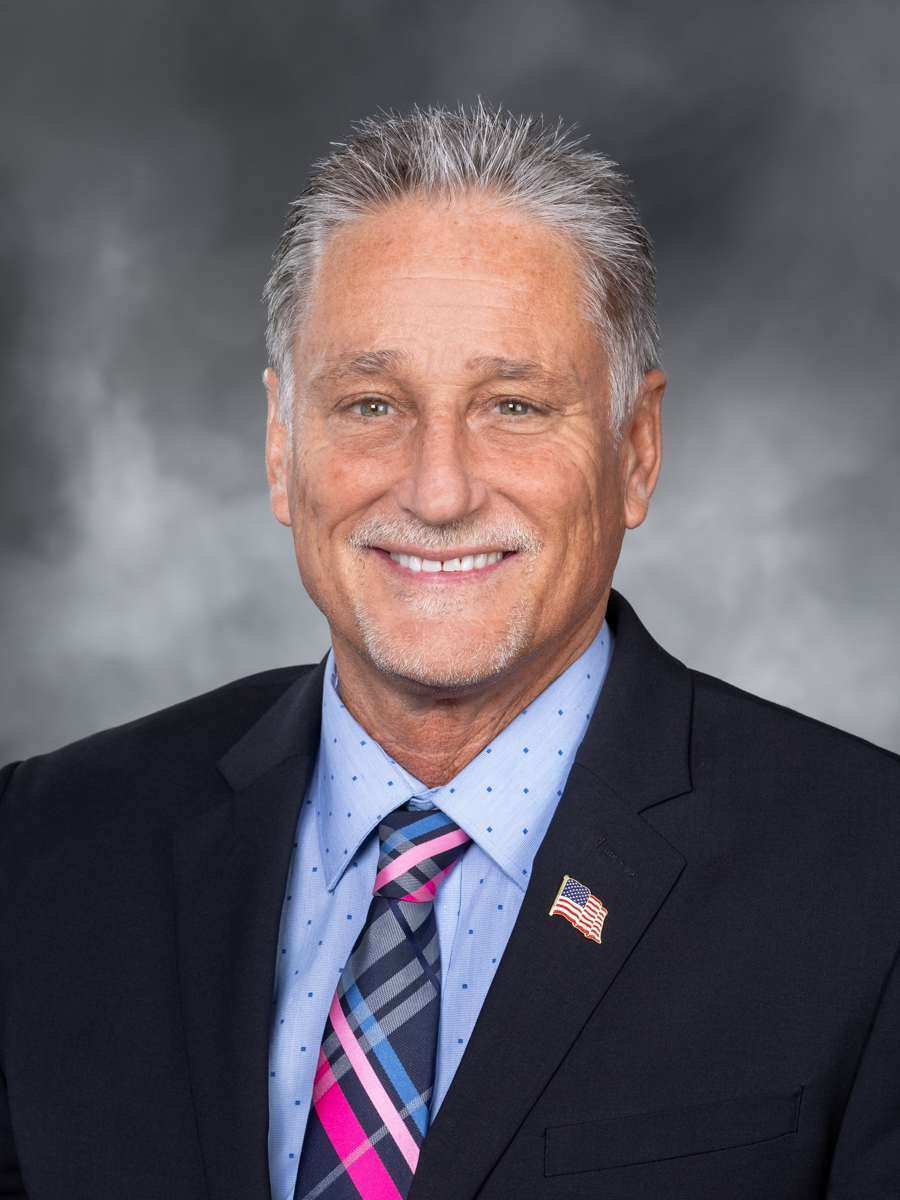
Jeff Wilson
Jeff Wilson Senate · District 19
R
Strong −
17% 12
Jim McCune
Jim McCune Senate · District 2
R
Strong −
17% 12
Judy Warnick
Judy Warnick Senate · District 13
R
Strong −
17% 12
Leonard Christian
Leonard Christian Senate · District 4
R
Strong −
17% 12
Mark Schoesler
Mark Schoesler Senate · District 9
R
Strong −
17% 12
Showing 31–40 of 72 bills

All criminal justice bills

signed · Washington · House May 17, 2025

HB 1440: Concerning seizure and forfeiture procedures and reporting.

HB 1440 establishes standardized procedures for civil asset forfeiture, directly affecting property owners whose assets are seized by law enforcement agencies. It requires seizing agencies to provide notice to property owners within 15 days of seizure, detailing their right to contest the forfeiture within specific deadlines (60 or 120 days depending on property type). The bill places the burden of proof on the seizing agency to demonstrate, by a preponderance of the evidence, that the property is subject to forfeiture. It also protects property interests of owners who were unaware of or did not consent to the violation, and ensures that individuals who substantially prevail in a forfeiture proceeding are entitled to reimbursement for reasonable attorneys' fees.
Sub-Topics Law Enforcement
in committee · Washington · House Jan 12, 2026

HB 1816: Concerning civilian-staffed crisis response teams.

HB 1816 allows cities and counties with over 200,000 residents to create civilian crisis response teams that handle specific 911 calls instead of police. These teams can serve as the primary response for calls involving mental health crises, safety checks, or resource requests (like shelter or food), but only when no active violence or weapons are reported. The bill requires teams to undergo training in de-escalation and scene safety, and mandates consultation with health authorities to set qualifications and operating protocols. It designates these teams as a "third 911 responder" alongside police and fire, operating outside traditional law enforcement and fire response systems.
Sub-Topics Law Enforcement Policing Mental Health Tags Public Safety
in committee · Washington · House Jan 12, 2026

HB 2002: Concerning criminal justice and the recovery of firearms used in the commission of a crime.

HB 2002 establishes a reward program to encourage the public to report information about firearms used in felony crimes. It provides up to $500 for locating such firearms, or up to $5,000 if the report leads to a conviction, excluding law enforcement officers, individuals with warrants, or government employees acting in their official capacity. The cash rewards will be funded from existing county and municipal criminal justice assistance accounts, which distribute funds based on population, crime rates, and court case volumes. The bill directly affects law enforcement agencies (who receive the information) and the public (who may submit tips for rewards), while amending funding mechanisms for local criminal justice programs.
in committee · Washington · Senate Jan 12, 2026

SB 5276: Modifying the reimbursement rates for services related to institutions.

SB 5276 modifies how Washington counties are reimbursed for criminal justice costs linked to crimes committed by people in state-run institutions. It creates an "institutional impact account" to fund reimbursements for law enforcement, prosecutorial, judicial, and jail costs directly tied to offenders in facilities managed by the Secretary of Children, Youth, and Families or Secretary of Corrections. Reimbursement rates are set using each county's average hourly costs (for law enforcement/prosecution/judicial) or daily bed rates (for jail) from the previous fiscal year. The bill requires both agencies to update their rules to implement these new rate calculations and reimbursement procedures.
in committee · Washington · Senate Jan 12, 2026

SB 5367: Concerning grant programs fostering community engagement through law enforcement-community partnerships and immersion.

SB 5367 creates grant programs to fund community-led safety initiatives that build trust between law enforcement and residents. It directly affects public agencies and nonprofits in Washington state by providing funding for neighborhood organizing, youth engagement, business partnerships, and antiracist law enforcement practices. Key provisions require grantees to implement specific activities like community-led crime prevention, regular dialogue between police and residents, and youth leadership development, while tracking data on impacts. The bill also establishes a new program placing newly hired officers in community organizations for 45 days before academy training. All grant recipients must report outcomes to the state annually, with the program expiring in 2029.
signed · Washington · House May 19, 2025

HB 1498: Concerning domestic violence co-responder programs.

HB 1498 establishes a grant program to help cities and counties create and operate domestic violence co-responder programs. These programs deploy domestic violence victim advocates alongside law enforcement to provide on-scene support, resources, and care navigation for victims and their families. The bill creates a dedicated state treasury account, funded primarily by an additional $100 fee on marriage licenses, to support this initiative. The Office of Crime Victims Advocacy will administer these grants, also providing technical assistance and support for billing health insurance for services.
in committee · Washington · House Jan 26, 2026

HB 1228: Concerning toxicology testing by certified or accredited laboratories.

HB 1228 establishes standards for toxicology testing in Washington State DUI cases. It requires that blood and breath tests used to determine alcohol or drug impairment must be conducted by either a laboratory certified under the ISO/IEC 17025 standard for forensic toxicology or by an individual holding a permit from the state toxicologist. The bill specifies detailed procedures for breath testing, including a 15-minute observation period without eating, drinking, or smoking, and precise calibration requirements, while also mandating that blood draws be performed by specific licensed healthcare professionals under defined conditions. This law directly affects law enforcement, testing laboratories, and individuals charged with driving under the influence by setting clear criteria for test admissibility in court.
Sub-Topics Courts Law Enforcement
in committee · Washington · Senate Jan 12, 2026

SB 5818: Facilitating the transfer of certain individuals in the custody of the department of corrections.

Senate Bill 5818 aims to clarify and restrict how state and local law enforcement agencies, including school resource officers, interact with federal immigration authorities regarding individuals in their custody. The bill prohibits these agencies from inquiring into an individual's immigration status unless directly connected to a criminal investigation. It also prevents them from providing information based on federal civil immigration "notification requests" or sharing nonpublic personal information in noncriminal matters. These restrictions apply unless otherwise required by state or federal law.
in committee · Washington · House Jan 12, 2026

HB 1736: Concerning procedures and requirements for reporting and investigating missing persons.

HB 1736 establishes new procedures for reporting and investigating missing persons in Washington State. It requires law enforcement to file reports with the state patrol's missing persons unit after 30 days or if criminal activity is suspected, collect DNA samples with consent, and access dental records through written authorization. The bill mandates a statewide public website displaying missing persons' names, photos, and descriptions for at least 30 days, with regular updates to national systems. It repeals outdated laws about missing persons reporting (RCW 36.28A.110, 112, and 120) to streamline the process. These changes directly affect law enforcement agencies, families of missing persons, and the public through improved information sharing.
Sub-Topics Law Enforcement
in committee · Washington · Senate Jan 12, 2026

SB 5566: Increasing the penalty for assaulting a law enforcement officer.

SB 5566 increases penalties for assaulting certain public safety personnel, including law enforcement officers, firefighters, transit workers, school bus drivers, healthcare providers, and court staff while they are performing their duties. It reclassifies assault against law enforcement from a class C felony to a class B felony (a more serious charge) and adds a mandatory minimum 180-day prison sentence for such assaults committed during riots. The bill also expands protections to include assaults against healthcare providers, transit operators, and court personnel under specific duty-related circumstances. These changes apply to anyone who physically harms these workers while they are on duty, with no additional policy implications or outcomes speculated.
Sub-Topics Law Enforcement Sentencing Violent Crime Tags Public Safety
Showing 31 to 40 of 72 bills
Previous 1 3 4 5 8 Next