Issue · Criminal Justice

Criminal Justice (Probation & Parole)

Every criminal justice bill, vote, and legislator stance in Washington, automatically classified by Maddy, our AI policy reader.

Total bills
37
2025-2026 Regular Session
Top supporter
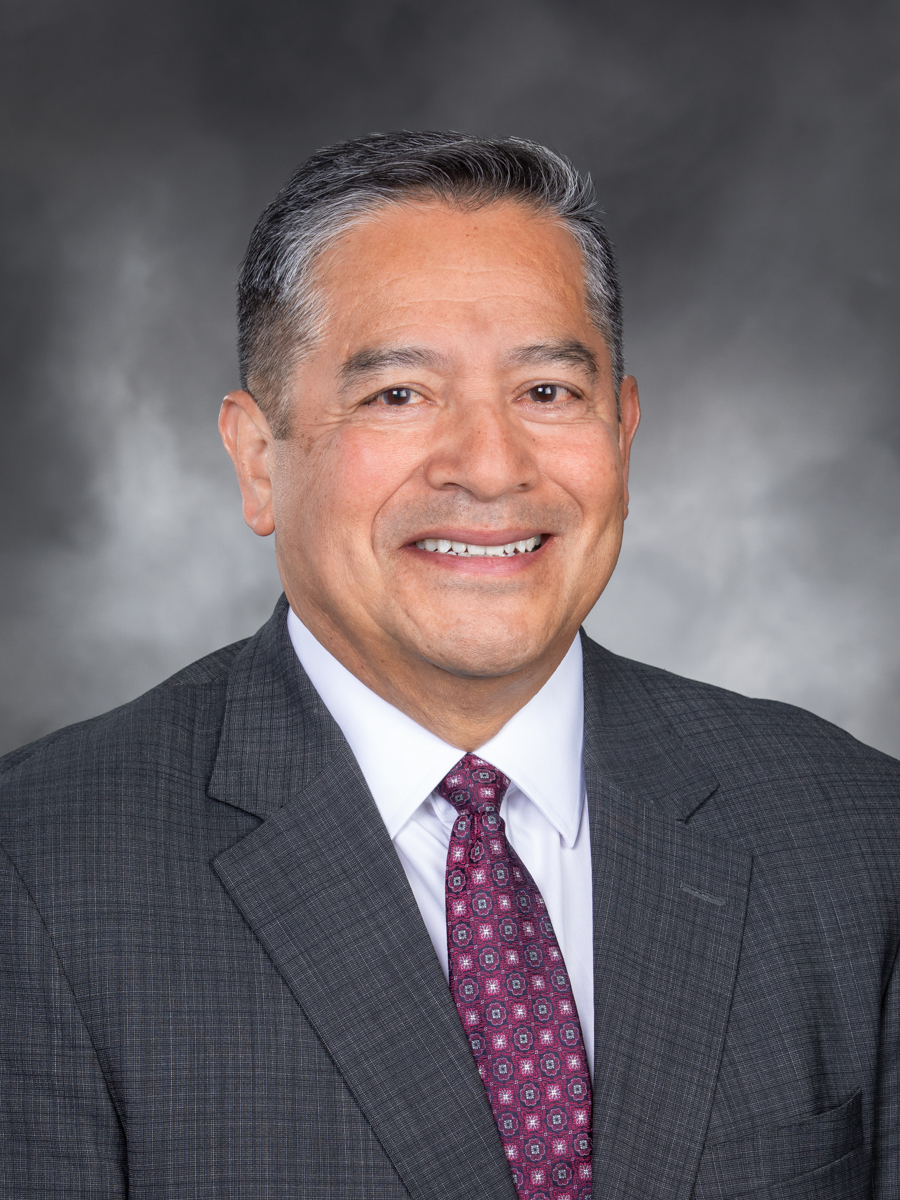
Adrian Cortes
100% support rate
Top opponent
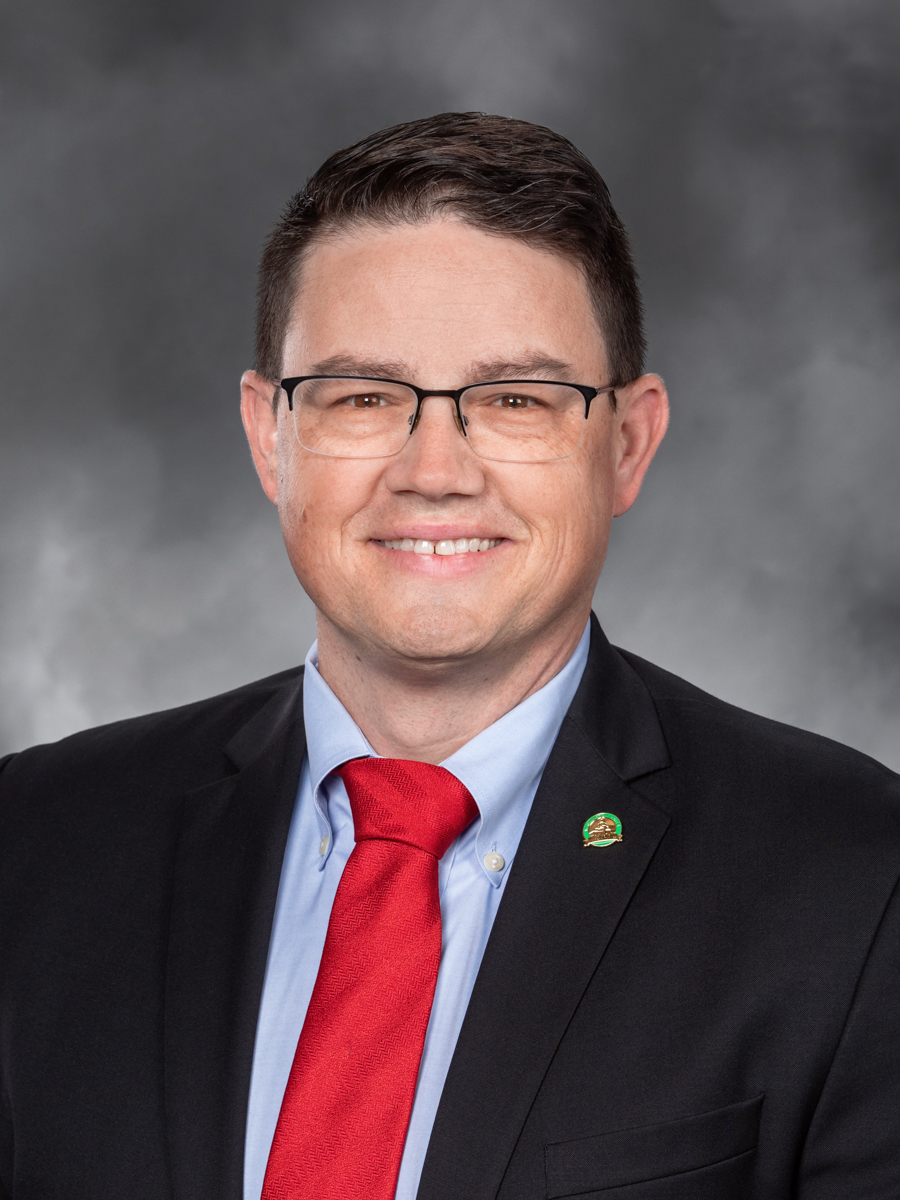
Alex Ybarra
0% support rate
Ranked legislators
10
5 support · 5 oppose
Key legislators

Who's moving probation & parole in Washington

Legislators moving probation & parole in Washington
Legislator Party Stance Support rate Votes
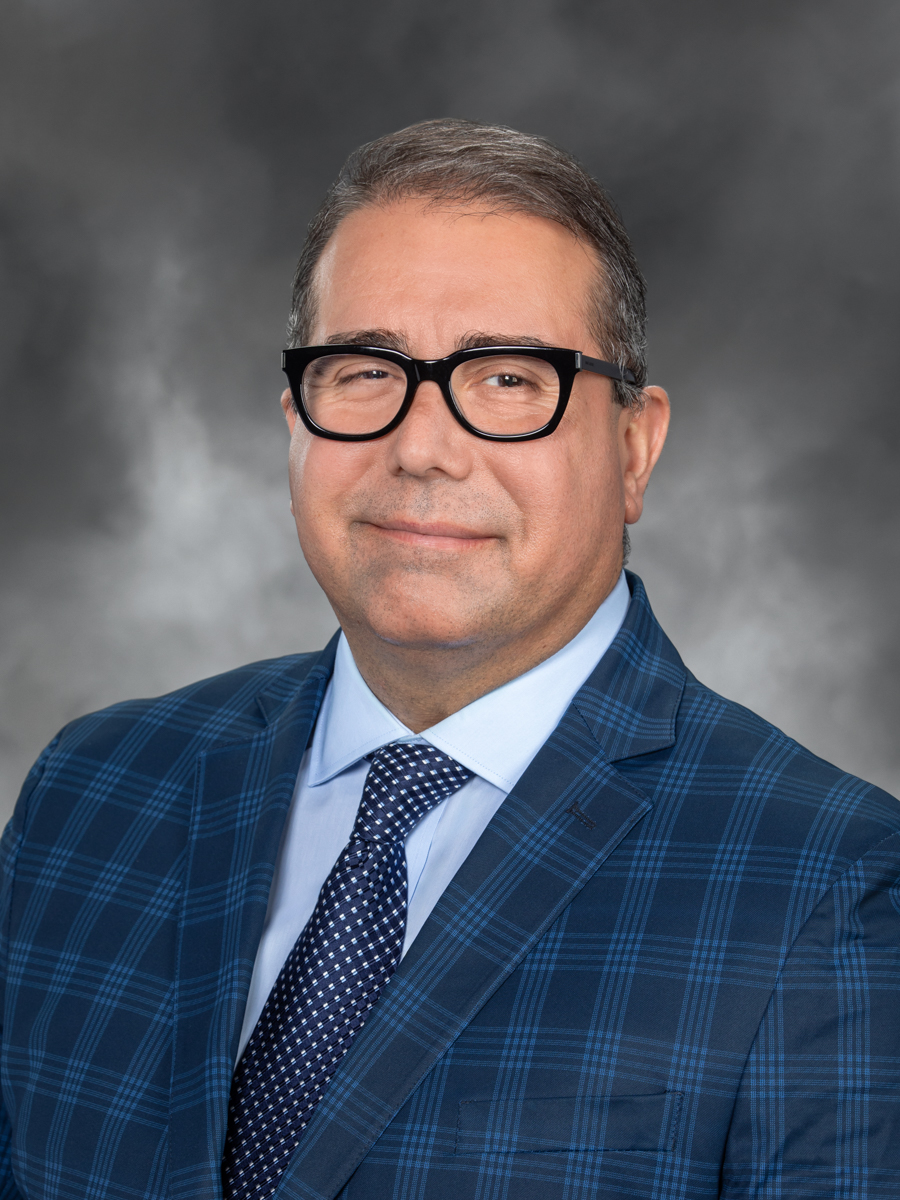
Adrian Cortes
Adrian Cortes Senate · District 18
D
Strong +
100% 13
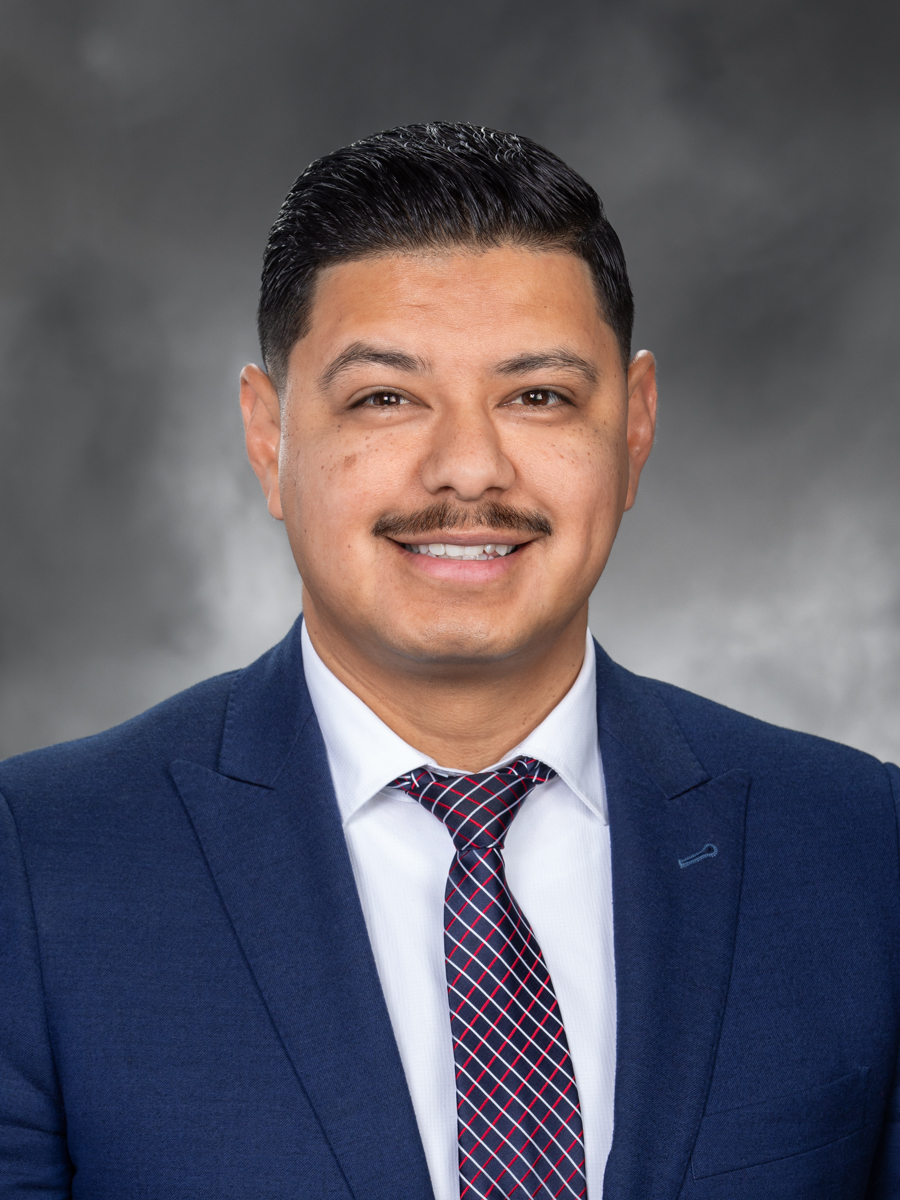
Julio Cortes
Julio Cortes House · District 38
D
Strong +
100% 13
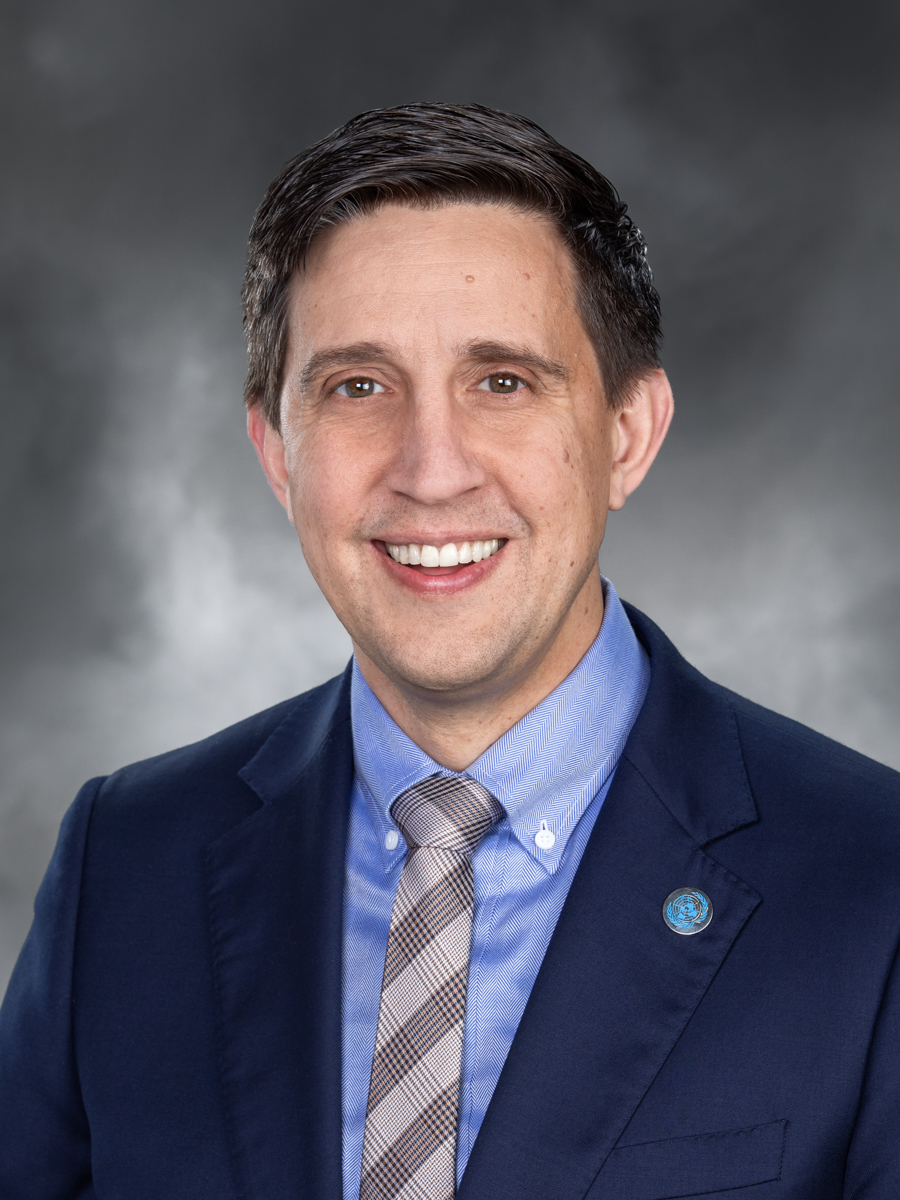
Alex Ramel
Alex Ramel House · District 40
D
Strong +
100% 8
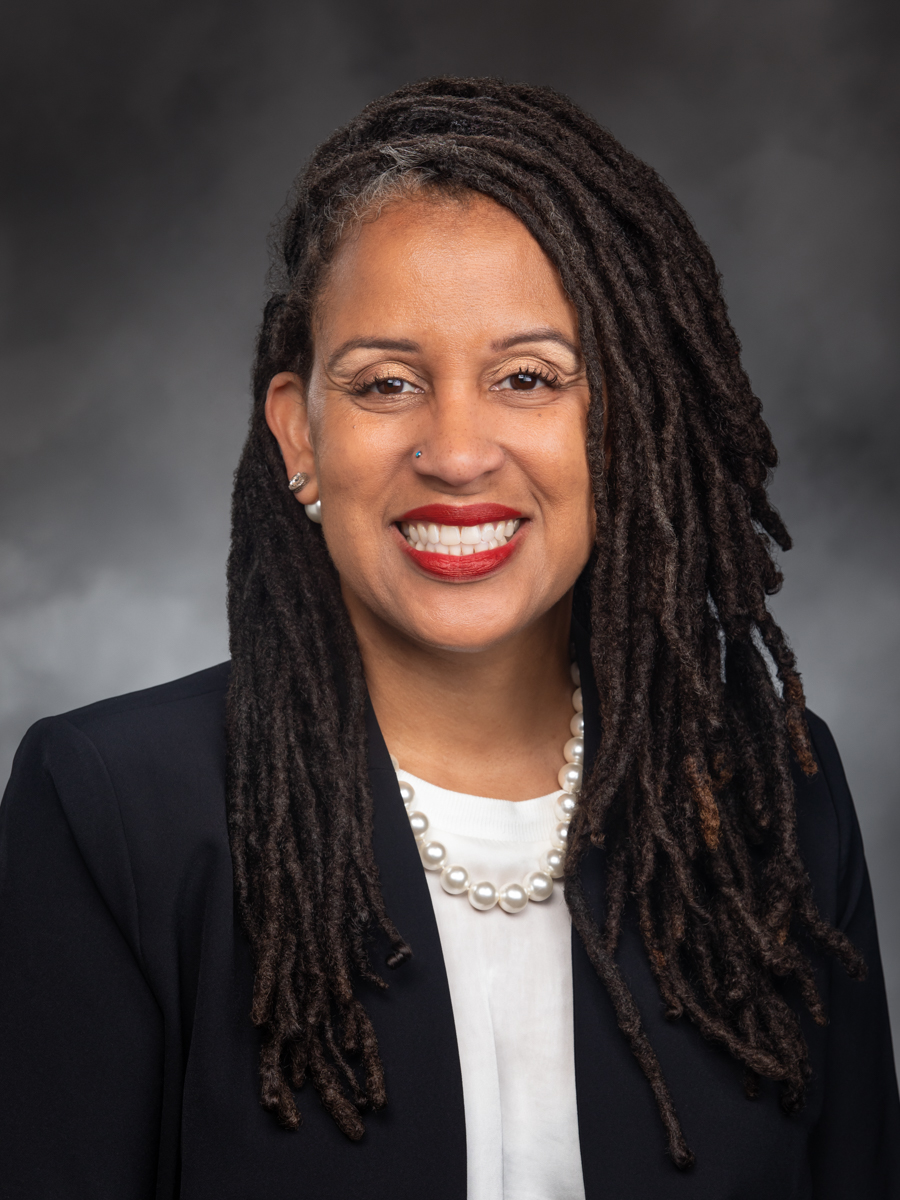
Amy Walen
Amy Walen House · District 48
D
Strong +
100% 8
April Berg
April Berg House · District 44
D
Strong +
100% 8
Alex Ybarra
Alex Ybarra House · District 13
R
Strong −
0% 8
Chris Corry
Chris Corry House · District 15
R
Strong −
0% 8
Deb Manjarrez
Deb Manjarrez House · District 14
R
Strong −
0% 8
Jeremie Dufault
Jeremie Dufault House · District 15
R
Strong −
0% 8
Jim Walsh
Jim Walsh House · District 19
R
Strong −
0% 8
Showing 21–30 of 37 bills

All criminal justice bills

in committee · Washington · Senate Jan 12, 2026

SB 5266: Concerning the indeterminate sentence review board.

SB 5266 allows individuals convicted of crimes before turning 18 to petition the indeterminate sentence review board for early release after reaching age 24, provided they meet specific conditions (e.g., no recent convictions or serious infractions in the prior 12 months). The bill requires the department to assess offenders 5 years before eligibility, conduct dangerousness evaluations 180 days after a petition, and prioritize hearings for those under 25 or recently transferred from juvenile custody. It also mandates victim input during hearings, allows rental vouchers for housing upon release, and limits annual petitions to 70. The law aims to align with brain development research showing youth rehabilitation potential, while maintaining public safety through structured release conditions and supervision.
signed · Washington · Senate May 2, 2025

SB 5139: Concerning reentry council.

SB 5139 modifies the structure and operations of the state's Reentry Council, which advises on policies for individuals transitioning from incarceration. The bill expands the council's membership from 15 to 22, adding new representatives for currently incarcerated individuals, crime victims and survivors, and various statewide organizations. It also requires the Governor to consider racial, ethnic, gender, and geographic diversity when making appointments. Additionally, the bill allows council members to receive compensation and increases the number of members required for a meeting to proceed.
passed · Washington · House Mar 12, 2026

HB 1574: Protecting access to life-saving care and substance use services.

HB 1574 expands "Good Samaritan" protections for individuals seeking or experiencing medical assistance during a drug-related overdose. The bill prevents these individuals from being arrested, charged, or prosecuted for drug possession if the evidence was obtained due to the overdose. It also protects them from civil forfeiture of property (with exceptions) and penalties for certain violations, such as probation or restraining orders, if these were discovered as a result of the overdose. Furthermore, it clarifies that these overdose protections can override mandatory arrest requirements for other offenses when the evidence is linked to the overdose and the need for medical assistance.
in committee · Washington · House Jan 12, 2026

HB 1125: Providing judicial discretion to modify sentences in the interest of justice.

HB 1125 allows judges to modify lengthy prison sentences in Washington state when a person's original sentence no longer serves justice. It directly affects incarcerated individuals who meet specific criteria, such as having served 7+ years for an offense committed as a juvenile (starting July 2026), 10+ years for offenses committed as young adults (starting July 2031), or having a terminal illness. The bill requires petitioners to show rehabilitation or low recidivism risk, and courts may only reduce sentences (not increase them), must maintain mandatory minimums, and mandate a 6-month minimum wait after a hearing before release. The law also requires new sentences to include five years of community supervision.
in committee · Washington · Senate Jan 12, 2026

SB 5269: Providing judicial discretion to modify sentences in the interest of justice.

SB 5269 allows Washington courts to review and potentially reduce long prison sentences for eligible individuals who meet specific criteria. It directly affects incarcerated people who have served significant time (ranging from 7 years for juvenile offenses to 20 years for adults) or face terminal illness, with eligibility phased in starting July 2026. The bill requires petitioners to demonstrate rehabilitation or reduced risk of reoffending and gives courts discretion to modify sentences while prohibiting harsher penalties or release before a six-month minimum post-hearing. Courts cannot override mandatory minimums or shorten sentences below the original minimum term. This law aims to align sentences with current circumstances, reduce recidivism risk, and lower incarceration costs, as noted in the legislative findings.
in committee · Washington · House Jan 12, 2026

HB 1192: Concerning disciplinary hearings held by the department of corrections.

HB 1192 reforms disciplinary procedures for individuals under community custody or in confinement within Washington State's Department of Corrections. It creates a structured system classifying violations as "low level" (with limits on confinement to three days) or "high level" (allowing up to 30 days in confinement), with escalation after five low-level violations. The bill mandates written notice, timely hearings (within 5-15 business days), and specific appeal rights to a three-member panel, requiring sanctions to be reasonably related to the offense, violation, or community safety. Special rules apply for individuals violating conditions related to certain violent or sexual offenses, requiring prehearing confinement until resolution or new charges. All disciplinary decisions must be based on a preponderance of evidence, not unconfirmed allegations.
in committee · Washington · House Jan 12, 2026

HB 1137: Establishing uniform policies and procedures within department of corrections facilities relating to disciplinary proceedings and administrative segregation.

HB 1137 establishes consistent rules for disciplinary actions and administrative segregation in Washington state correctional facilities. It standardizes procedures for handling inmate misconduct, defines key terms like "contraband" and "physical restraint," and requires individual reentry plans for incarcerated people. The bill directly affects inmates facing disciplinary hearings, correctional staff implementing policies, and facility operations. Key mechanisms include uniform criteria for segregation placement, clearer definitions to prevent arbitrary decisions, and linking privileges (like work programs) to documented "good conduct" and "good performance." This replaces inconsistent local practices with statewide standards under state law.
in committee · Washington · House Jan 12, 2026

HB 1668: Concerning community custody.

HB 1668 modifies Washington's sentencing guidelines by adjusting how prior convictions affect an offender's score used to determine sentences. It allows certain prior felony convictions (like Class B or C felonies, excluding sex offenses and DUI) to be excluded from the scoring if the offender has gone five or ten years without new convictions after release. This primarily affects individuals with past non-violent felony records who maintained clean criminal histories for extended periods. The bill aims to reduce sentencing severity for low-risk offenders who demonstrate sustained rehabilitation, without altering penalties for violent offenses or specific crimes like DUI.
in committee · Washington · House Jan 12, 2026

HB 1917: Concerning management of individuals who are placed in juvenile rehabilitation institutions.

HB 1917 updates Washington State's juvenile justice system by redefining key terms and requiring courts to prioritize less restrictive options before placing youth in residential treatment. It mandates that courts consider alternatives like community-based rehabilitation (e.g., counseling, school programs) or community supervision (including up to 150 hours of community restitution) before ordering inpatient care. The bill also requires mandatory court review hearings within 60 days of inpatient placement and every 30 days thereafter, ensuring ongoing assessment of necessity. These changes directly affect youth in the juvenile justice system and the courts, agencies, and facilities managing their cases, with a focus on trauma-informed, culturally responsive support during reentry.
signed · Washington · Senate May 12, 2025

SB 5029: Concerning the transportation of individuals released or discharged from the custody of the department of corrections.

SB 5029 updates the support provided to individuals being released or transferred from Washington state correctional facilities. The bill removes the previous $100 cap and "least expensive" method requirement for transportation, allowing the Department of Corrections (DOC) to arrange travel to a person's residence or reentry plan location, generally within the state. It clarifies that individuals transferred to community custody or partial confinement programs are also eligible for initial subsistence funds (at least $40) and suitable clothing. Additionally, the bill authorizes the DOC to provide temporary rental vouchers for up to six months to prevent homelessness for those being released. The DOC is also required to submit annual reports on transportation costs exceeding $100.
Showing 21 to 30 of 37 bills
Previous 1 2 3 4 Next