Issue · Criminal Justice

Criminal Justice

Every criminal justice bill, vote, and legislator stance in Washington, automatically classified by Maddy, our AI policy reader.

Total bills
294
2025-2026 Regular Session
Top supporter
Steve Tharinger
91% support rate
Top opponent
Jim McCune
16% support rate
Ranked legislators
10
5 support · 5 oppose
Key legislators

Who's moving criminal justice in Washington

Legislators moving criminal justice in Washington
Legislator Party Stance Support rate Votes
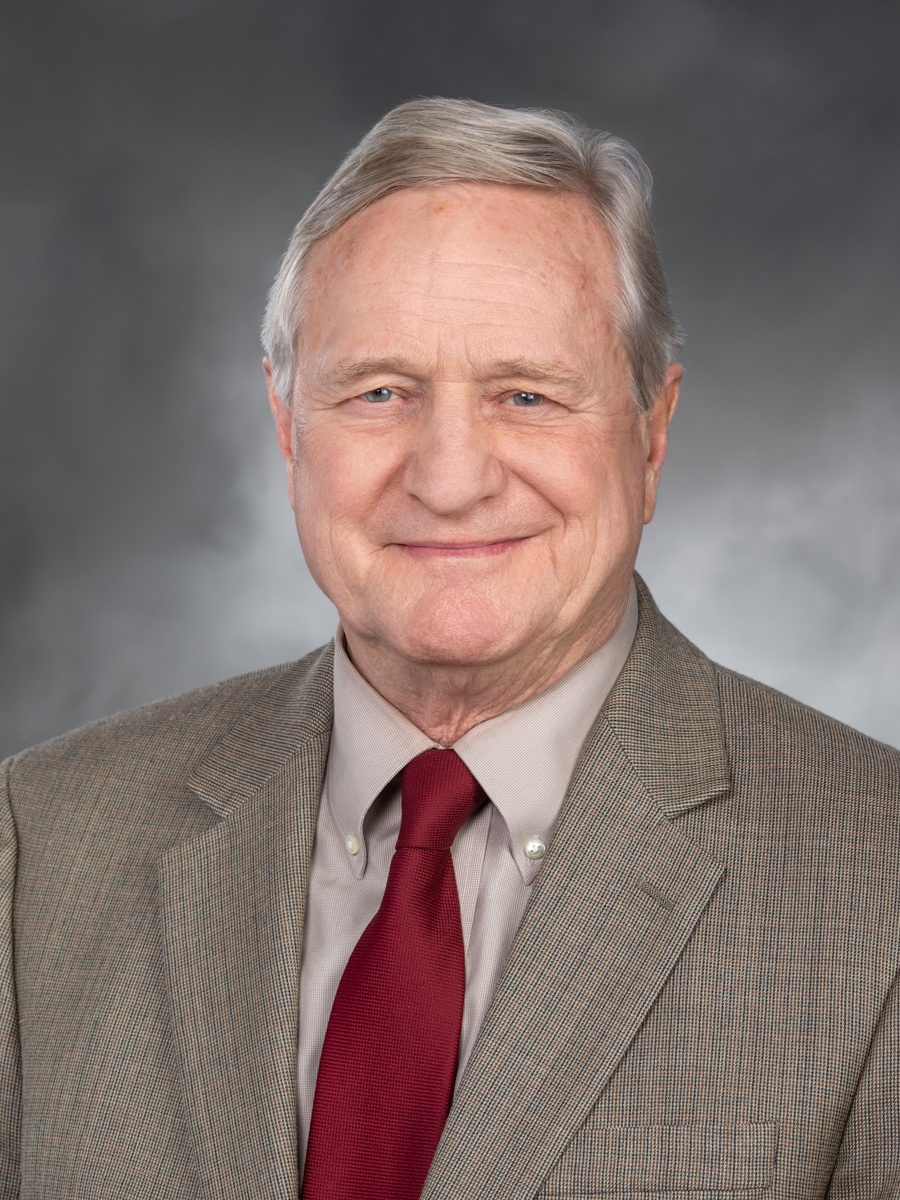
Steve Tharinger
Steve Tharinger House · District 24
D
Strong +
91% 99
Tina Orwall
Tina Orwall Senate · District 33
D
Strong +
90% 124
Annette Cleveland
Annette Cleveland Senate · District 49
D
Strong +
88% 125
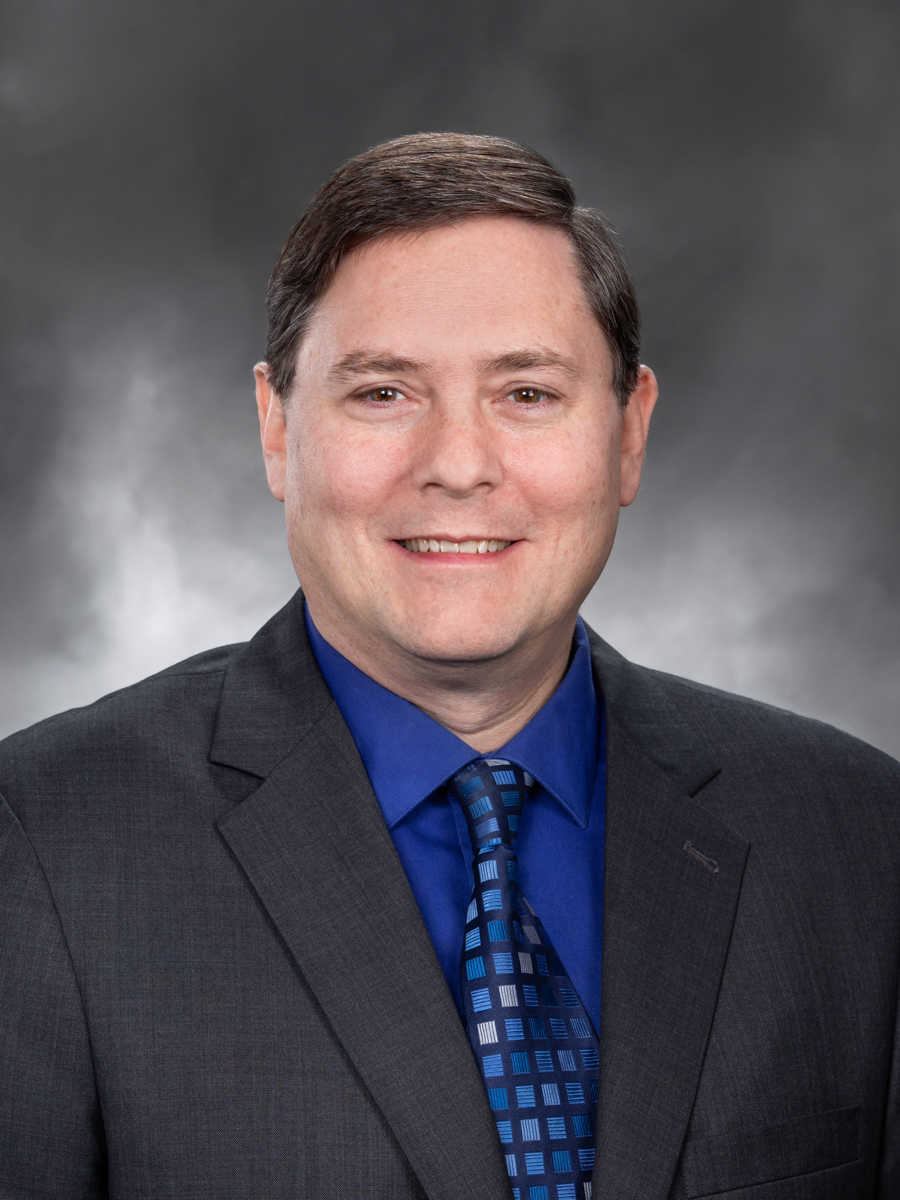
Jess Bateman
Jess Bateman Senate · District 22
D
Strong +
88% 125
Derek Stanford
Derek Stanford Senate · District 1
D
Strong +
88% 125
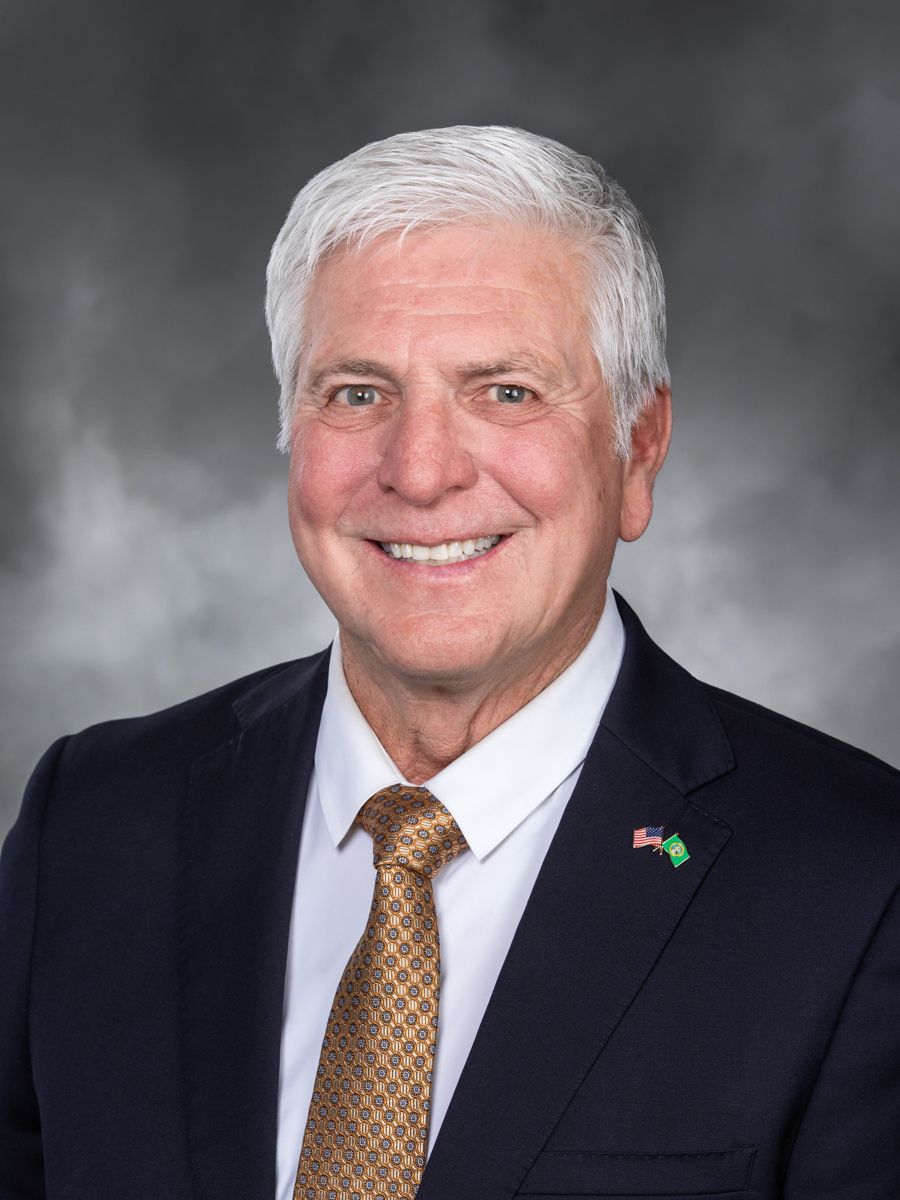
Jim McCune
Jim McCune Senate · District 2
R
Strong −
16% 125
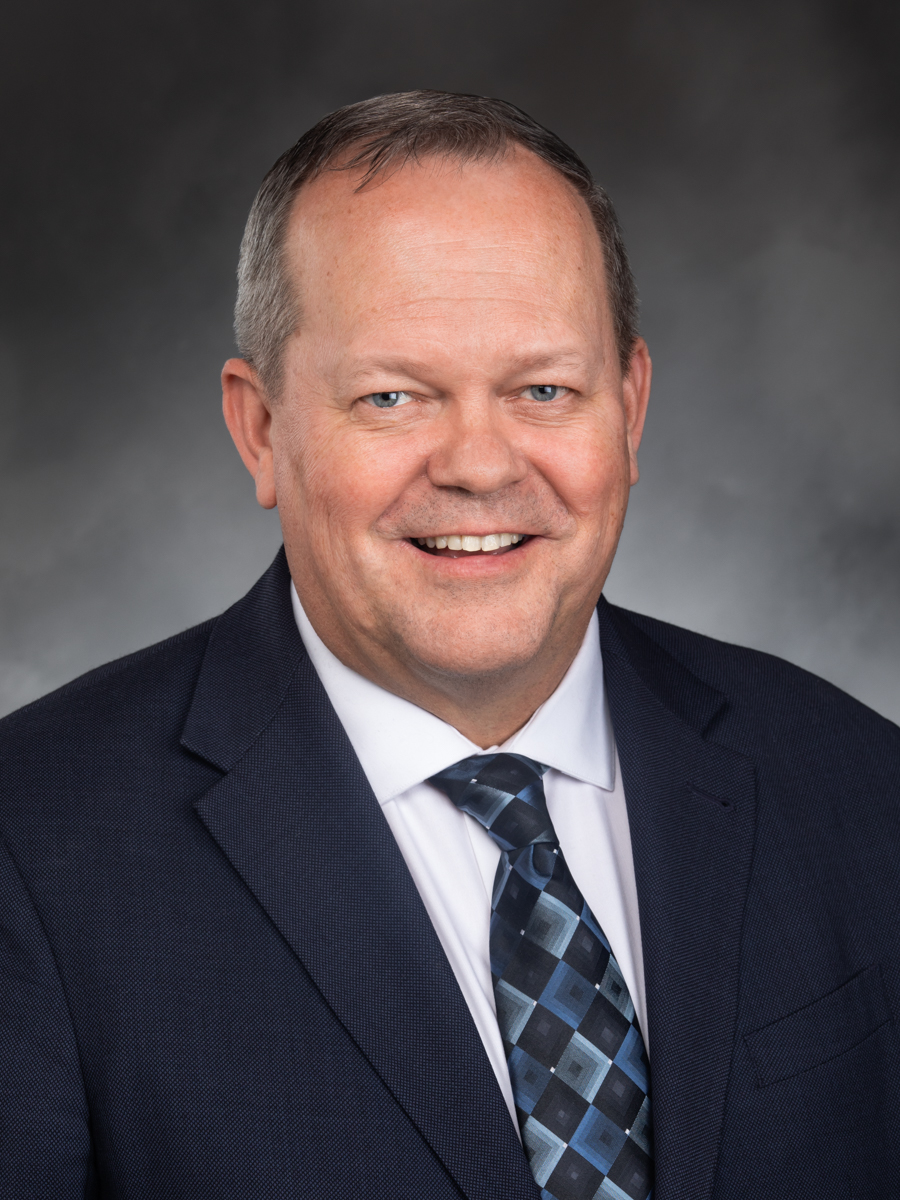
Perry Dozier
Perry Dozier Senate · District 16
R
Strong −
17% 125
Leonard Christian
Leonard Christian Senate · District 4
R
Strong −
17% 125
Matt Boehnke
Matt Boehnke Senate · District 8
R
Strong −
17% 125
Jeff Wilson
Jeff Wilson Senate · District 19
R
Strong −
18% 121
Showing 221–230 of 294 bills

All criminal justice bills

in committee · Washington · House Jan 12, 2026

HB 1893: Concerning the establishment of liability standards for superior, district, and municipal court judges.

HB 1893 creates a new legal right for victims injured by individuals released before trial to sue judges who failed to properly assess public safety risks related to violent offenses. The bill requires judges to conduct written risk assessments analyzing the defendant’s violent history, potential victims, and alternatives to pretrial detention before releasing someone charged with a violent offense. It removes judicial immunity for such cases, making judges personally liable for damages if they recklessly ignored public harm risks, though the state may still cover defense costs unless the judge intentionally disregarded risks. The law directly affects victims of violence, judges making pretrial release decisions, and state/local governments handling legal defense costs. It applies only to cases arising after the bill’s effective date.
passed · Washington · Senate Jan 12, 2026

SB 5775: Expanding local taxing authority to fund public safety and community protection focused programs and services.

Senate Bill 5775 expands the authority for counties and cities to impose local sales and use taxes to fund public safety and community protection programs. Counties can impose a sales and use tax up to 0.3%, either through voter approval or by ordinance until January 1, 2028. Cities can also impose a tax, with the total combined county and city rate not exceeding 0.3%. Depending on how the tax is adopted, either one-third or all of the revenue must be used for purposes such as criminal justice, fire protection, community protection, or public safety, including behavioral health and diversion programs. The bill also specifies how these tax revenues are shared between local governments.
Sub-Topics Business Taxes Sales Tax Tags Local Government Public Safety
in committee · Washington · Senate Jan 12, 2026

SB 5269: Providing judicial discretion to modify sentences in the interest of justice.

SB 5269 allows Washington courts to review and potentially reduce long prison sentences for eligible individuals who meet specific criteria. It directly affects incarcerated people who have served significant time (ranging from 7 years for juvenile offenses to 20 years for adults) or face terminal illness, with eligibility phased in starting July 2026. The bill requires petitioners to demonstrate rehabilitation or reduced risk of reoffending and gives courts discretion to modify sentences while prohibiting harsher penalties or release before a six-month minimum post-hearing. Courts cannot override mandatory minimums or shorten sentences below the original minimum term. This law aims to align sentences with current circumstances, reduce recidivism risk, and lower incarceration costs, as noted in the legislative findings.
signed · Washington · House Mar 24, 2026

HB 1909: Establishing the court unification task force.

HB 1909 establishes a court unification task force to study Washington’s fragmented court system. The task force will analyze disparities in local court rules, technology adoption, and funding that create barriers for people seeking legal help - especially those in rural areas, low-income communities, and underserved populations. It will identify inefficiencies and inequities in court operations and explore potential solutions through a diverse group including judges, court clerks, legal aid representatives, and community advocates with lived experience. The bill does not implement changes but directs the task force to provide recommendations for improving consistency and access to justice. This study aims to inform future policy decisions, not alter current court structures.
Sub-Topics Courts
in committee · Washington · House Jan 12, 2026

HB 1456: Changing conditions, policies, and programs to support specified law enforcement personnel and help in recruiting and retaining law enforcement officers.

HB 1456 aims to address Washington state's law enforcement staffing crisis by modifying policies to support current officers and attract new recruits. The bill restores civil liability protections for officers acting within training and agency policies during job duties, directs a media campaign to promote law enforcement appreciation, and allows officers to receive honoraria for campus presentations on criminal justice. It also updates use-of-force standards to require de-escalation tactics, consider vulnerable populations (like minors or those with disabilities), and limit deadly force to immediate threats. The bill directly affects all Washington law enforcement officers and agencies, targeting the state's low officer-to-resident ratio (1.35 per 1,000 in 2023) amid rising crime rates.
Sub-Topics Law Enforcement
in committee · Washington · House Jan 12, 2026

HB 1192: Concerning disciplinary hearings held by the department of corrections.

HB 1192 reforms disciplinary procedures for individuals under community custody or in confinement within Washington State's Department of Corrections. It creates a structured system classifying violations as "low level" (with limits on confinement to three days) or "high level" (allowing up to 30 days in confinement), with escalation after five low-level violations. The bill mandates written notice, timely hearings (within 5-15 business days), and specific appeal rights to a three-member panel, requiring sanctions to be reasonably related to the offense, violation, or community safety. Special rules apply for individuals violating conditions related to certain violent or sexual offenses, requiring prehearing confinement until resolution or new charges. All disciplinary decisions must be based on a preponderance of evidence, not unconfirmed allegations.
in committee · Washington · House Jan 12, 2026

HB 1137: Establishing uniform policies and procedures within department of corrections facilities relating to disciplinary proceedings and administrative segregation.

HB 1137 establishes consistent rules for disciplinary actions and administrative segregation in Washington state correctional facilities. It standardizes procedures for handling inmate misconduct, defines key terms like "contraband" and "physical restraint," and requires individual reentry plans for incarcerated people. The bill directly affects inmates facing disciplinary hearings, correctional staff implementing policies, and facility operations. Key mechanisms include uniform criteria for segregation placement, clearer definitions to prevent arbitrary decisions, and linking privileges (like work programs) to documented "good conduct" and "good performance." This replaces inconsistent local practices with statewide standards under state law.
in committee · Washington · Senate Jan 12, 2026

SB 5285: Incentivizing cities and counties to increase employment of commissioned law enforcement officers.

SB 5285 would allow Washington cities and counties to impose a 0.10% sales tax to fund additional commissioned law enforcement officers. Jurisdictions must use the revenue solely for hiring officers unless their current officer-to-population ratio exceeds the national average (calculated using FBI Uniform Crime Reporting data), in which case funds can support broader criminal justice programs like domestic violence services or homelessness initiatives. The bill targets Washington's high violent crime rates and low officer staffing - ranking last in the nation for officers per capita - by creating a dedicated funding stream for local law enforcement expansion. It requires jurisdictions to report staffing data annually and mandates that tax revenue directly supports law enforcement employment.
signed · Washington · House Apr 16, 2025

HB 1133: Concerning sexually violent predators.

This bill modifies the process for identifying and evaluating individuals who may be classified as sexually violent predators for potential civil commitment. It affects individuals nearing release from confinement for sexually violent offenses and the various state agencies involved in their assessment. The bill updates the requirements for agencies, such as the Department of Corrections, to refer these individuals to prosecuting attorneys and to provide comprehensive records for review. Crucially, it grants prosecuting agencies new authority to issue "civil investigative demands" to any public agency to obtain documents and information relevant to determining if civil commitment is warranted.
Sub-Topics Corrections
in committee · Washington · Senate Jan 12, 2026

SB 5038: Clarifying a hate crime offense.

SB 5038 clarifies Washington's hate crime law by defining specific acts that qualify as hate crimes when motivated by bias against a person's race, religion, sexual orientation, gender identity, or disability. It makes offenses like assaulting someone, damaging property, or threatening someone (with context indicating a credible threat) a class C felony if done because of the victim's protected characteristic. The bill adds concrete examples for prosecutors, such as burning crosses on African American property or defacing Jewish property with Nazi symbols, and specifies that mistaken identity about a victim's protected characteristic is not a defense. It also clarifies that threatening words alone don't count as hate crimes unless they're credible threats, and that victims can pursue additional legal remedies beyond the felony charge.
Sub-Topics Civil Rights
Showing 221 to 230 of 294 bills
Previous 1 22 23 24 30 Next