Issue · Criminal Justice

Criminal Justice

Every criminal justice bill, vote, and legislator stance in Washington, automatically classified by Maddy, our AI policy reader.

Total bills
294
2025-2026 Regular Session
Top supporter
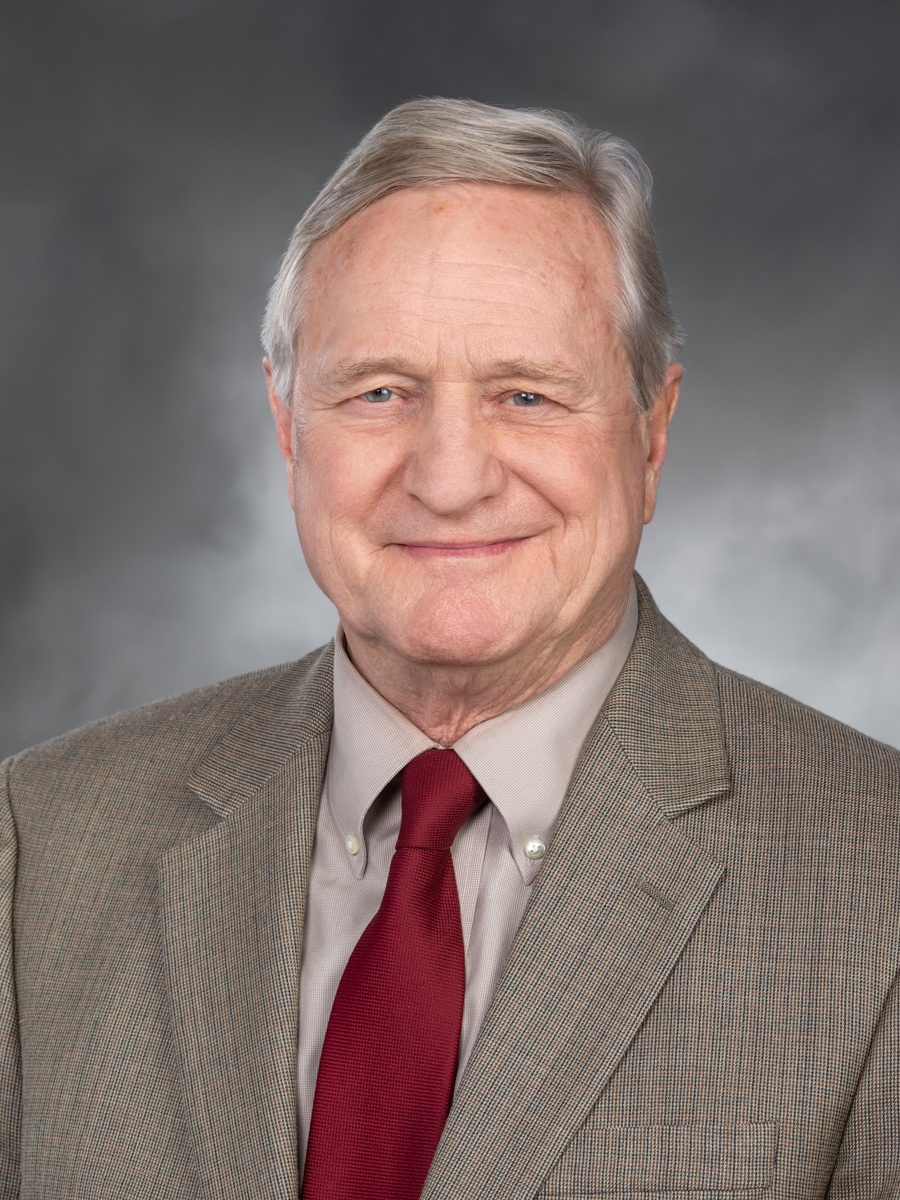
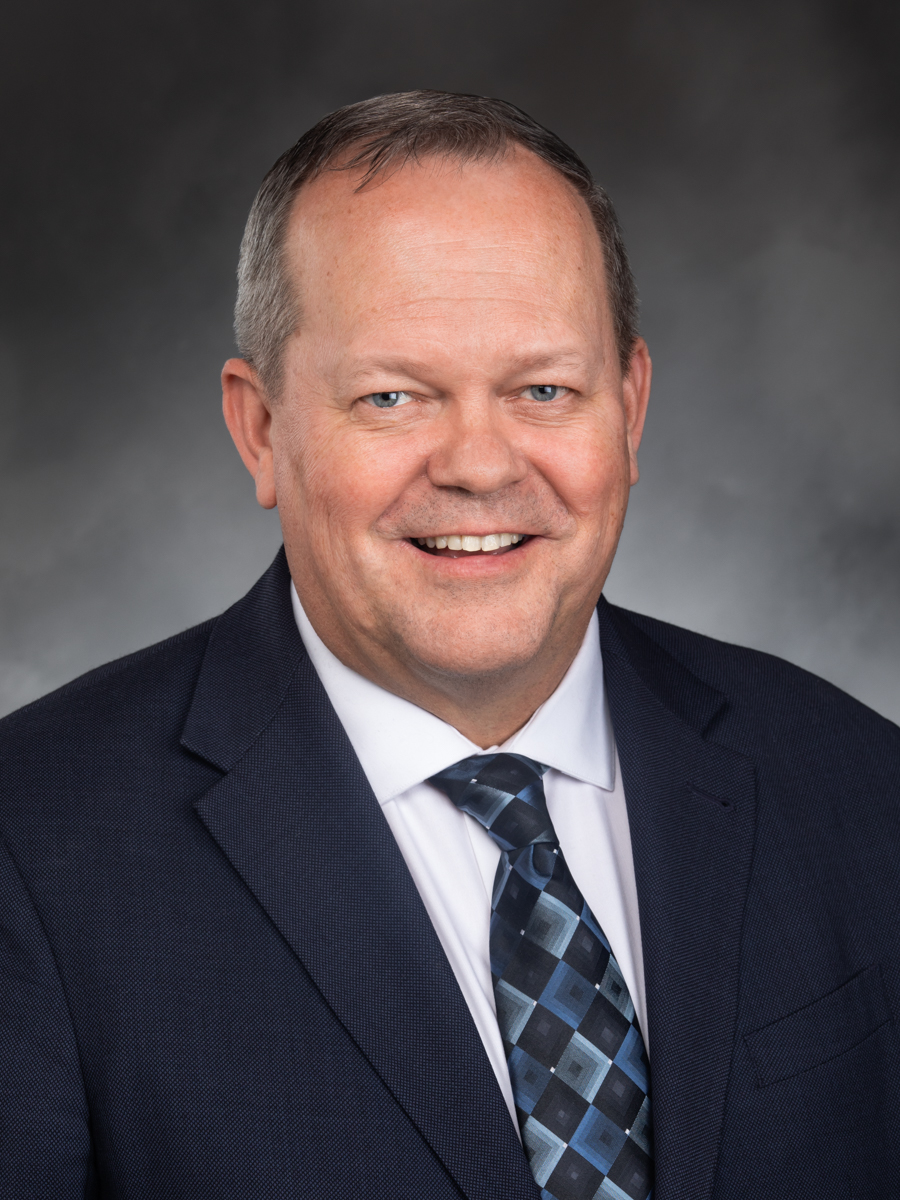
Steve Tharinger
91% support rate
Top opponent
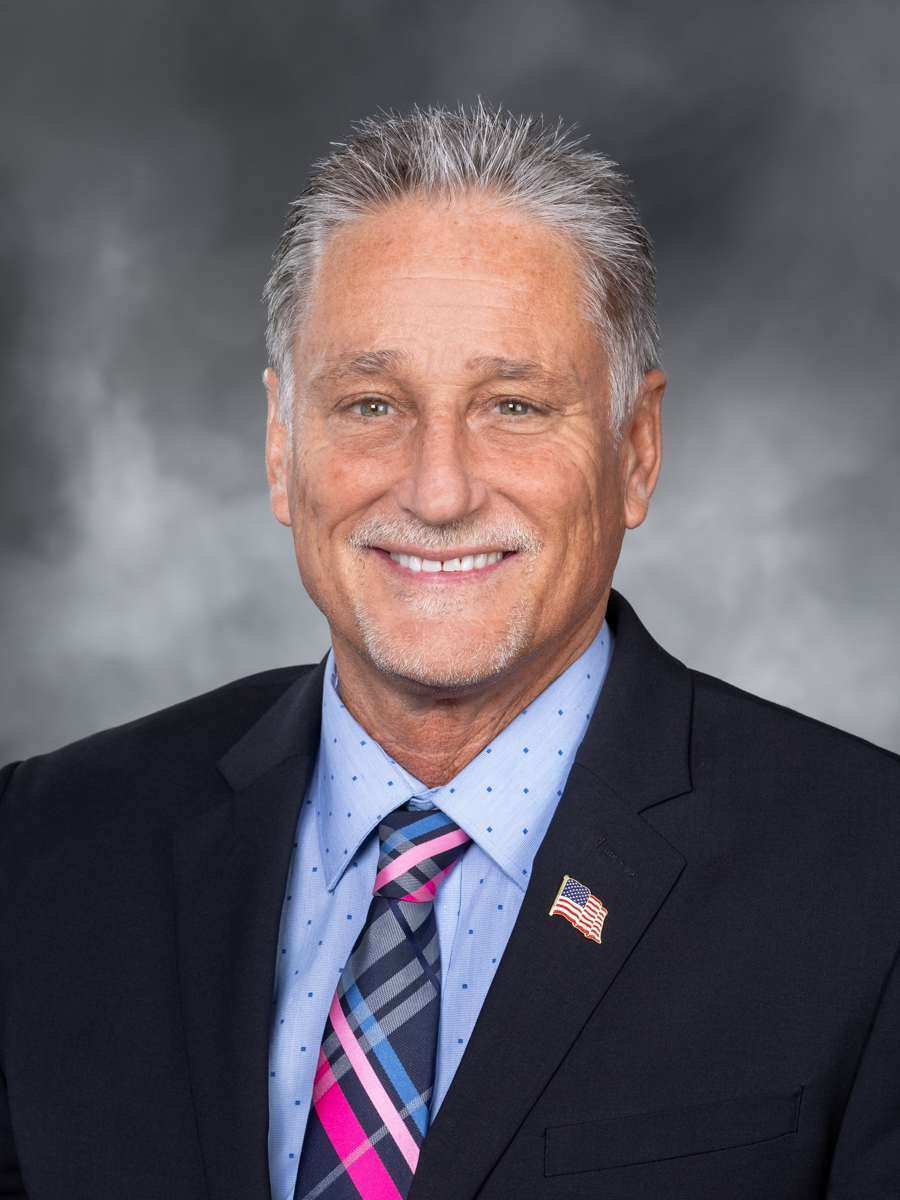
Jim McCune
16% support rate
Ranked legislators
10
5 support · 5 oppose
Key legislators

Who's moving criminal justice in Washington

Legislators moving criminal justice in Washington
Legislator Party Stance Support rate Votes
Steve Tharinger
Steve Tharinger House · District 24
D
Strong +
91% 99
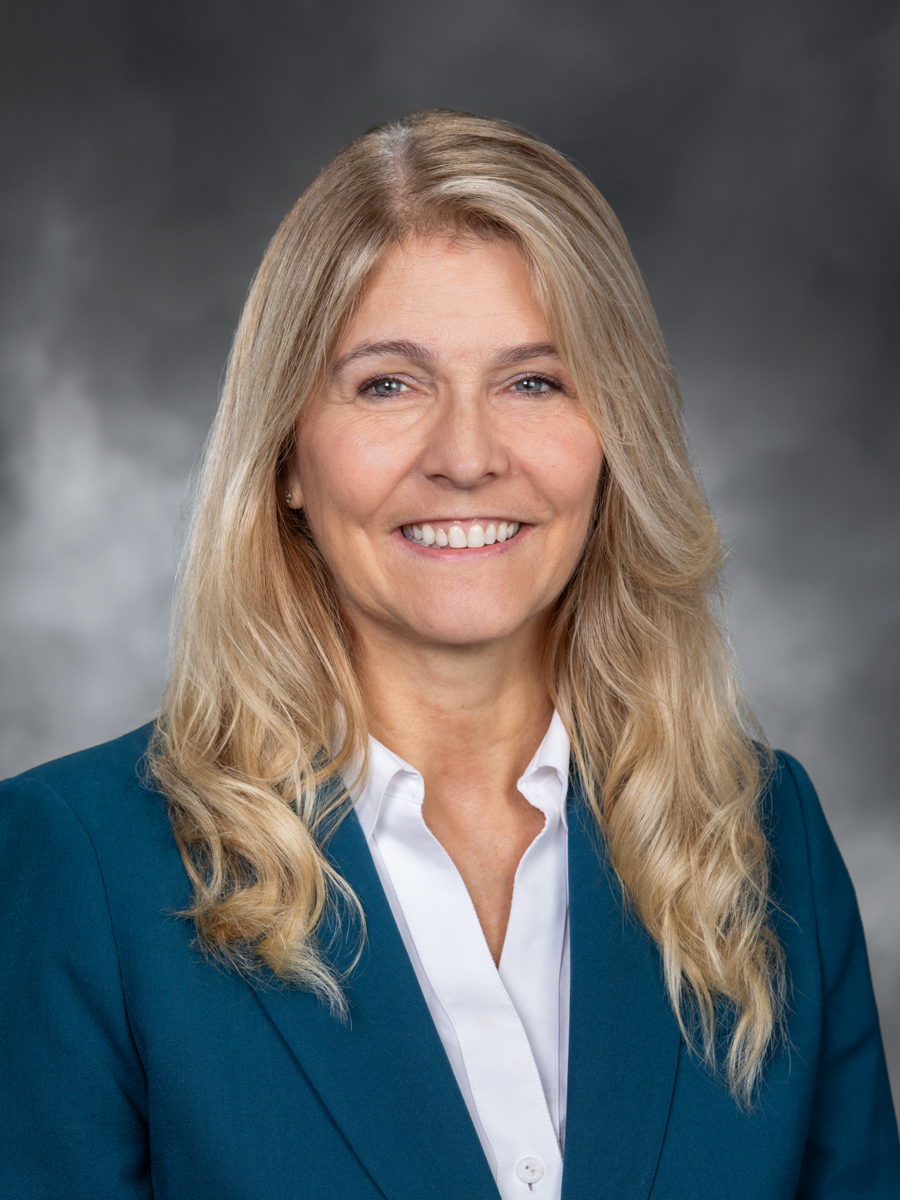
Tina Orwall
Tina Orwall Senate · District 33
D
Strong +
90% 124
Annette Cleveland
Annette Cleveland Senate · District 49
D
Strong +
88% 125
Jess Bateman
Jess Bateman Senate · District 22
D
Strong +
88% 125
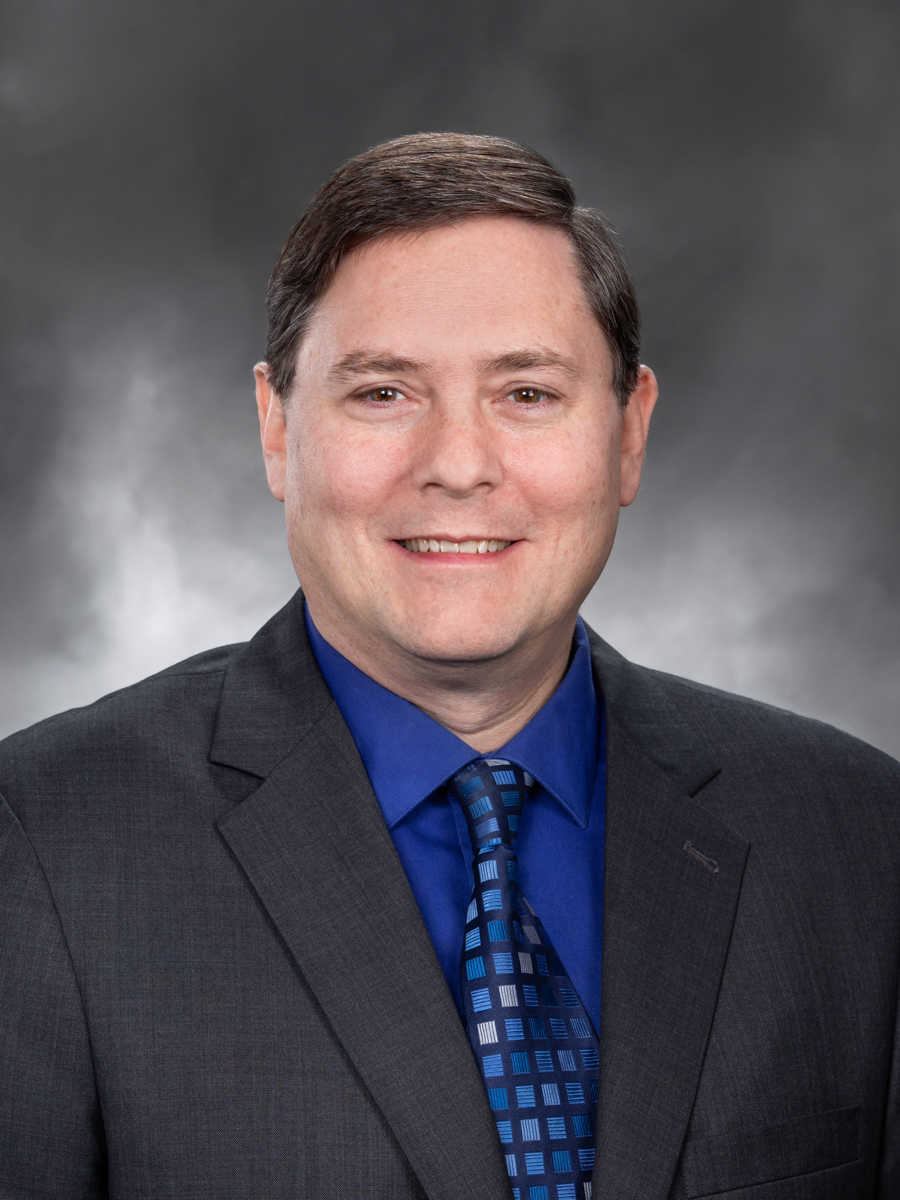
Derek Stanford
Derek Stanford Senate · District 1
D
Strong +
88% 125
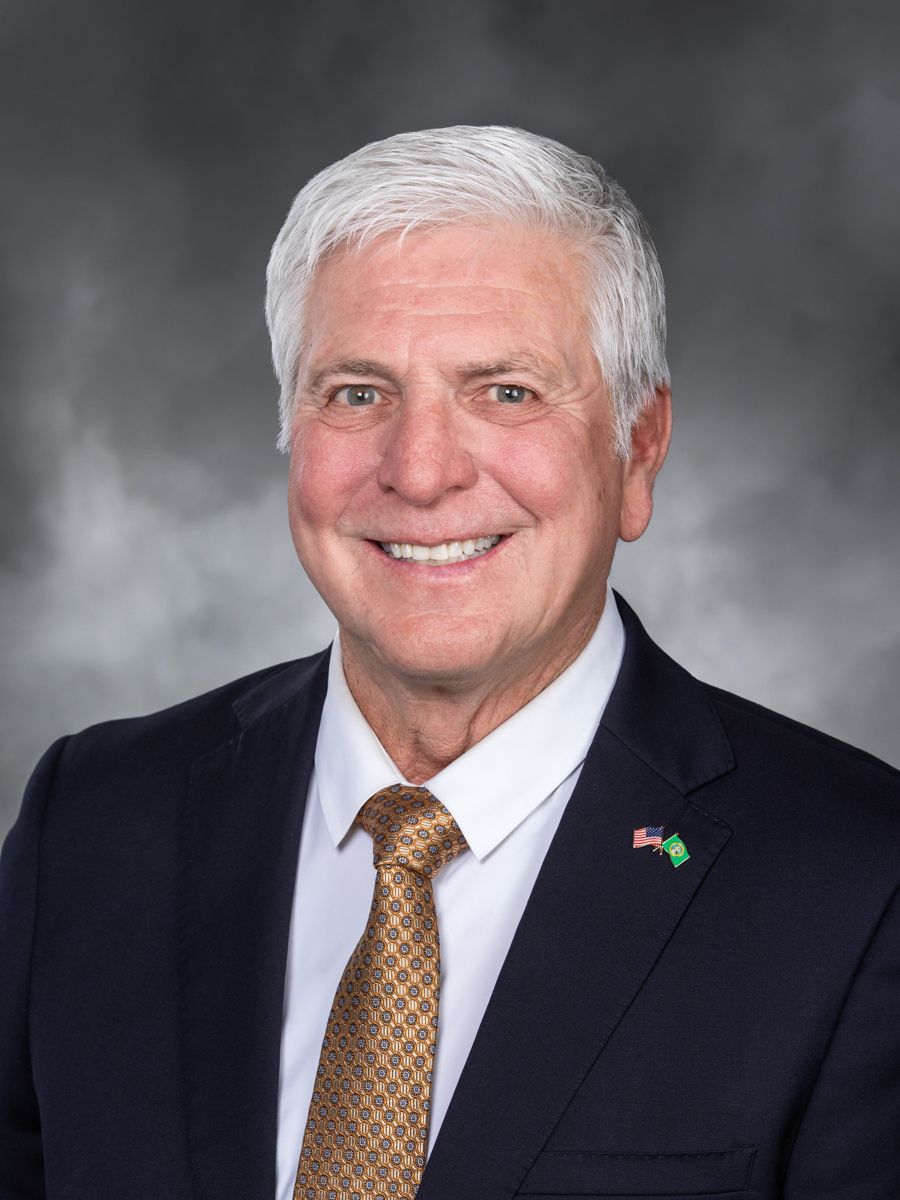
Jim McCune
Jim McCune Senate · District 2
R
Strong −
16% 125
Perry Dozier
Perry Dozier Senate · District 16
R
Strong −
17% 125
Leonard Christian
Leonard Christian Senate · District 4
R
Strong −
17% 125
Matt Boehnke
Matt Boehnke Senate · District 8
R
Strong −
17% 125
Jeff Wilson
Jeff Wilson Senate · District 19
R
Strong −
18% 121
Showing 201–210 of 294 bills

All criminal justice bills

in committee · Washington · House Jan 12, 2026

HB 1802: Prohibiting obstructing a law enforcement officer or other first responder.

HB 1802 makes it a crime to intentionally obstruct law enforcement officers or other first responders (like firefighters, EMTs, or emergency dispatchers) while they are performing their duties. The bill specifically prohibits: (1) hindering or delaying officers/responders in their work, or (2) approaching within 25 feet after being verbally warned not to, if the person intends to interfere, threaten, or harass them. It defines "first responder" broadly to include emergency medical personnel, firefighters, and others, and clarifies that people intervening to help an officer in immediate danger are exempt. Violating this law is a gross misdemeanor, punishable by up to 364 days in jail or a fine.
in committee · Washington · Senate Jan 12, 2026

SB 5166: Making 2023-2025 fiscal biennium second supplemental operating appropriations.

SB 5166 is a supplemental appropriations bill allocating $56.8 million in state funds for court operations during the 2023-2025 fiscal biennium. It directly affects Washington state courts, juvenile justice programs, and rural court facilities by funding specific needs: $7 million for county juvenile court processing of truancy and youth referrals, $1 million for rural court security upgrades, $250,000 for lactation spaces in courthouses, and $1.35 million to expand an equity dashboard tracking criminal justice disparities. The bill amends existing budget codes to direct these funds to designated programs without creating new policies. It does not change eligibility or service requirements but adjusts funding allocations for existing court system operations.
in committee · Washington · Senate Jan 12, 2026

SB 5453: Concerning public defense recruitment and retention.

SB 5453 creates two key programs to address Washington's public defense staffing shortage. It requires the Office of Public Defense to establish a mandatory training program for new public defense paralegals and mitigation specialists by June 2027, covering ethics, client communication, and networking. The bill also mandates creating a pool of at least 10 full-time paralegals by 2027 to support contracted attorneys, prioritizing solo practitioners and small firms, with outreach to justice-impacted individuals. These provisions directly aim to improve recruitment and retention for public defense staff across the state, particularly in underserved areas.
signed · Washington · Senate Apr 22, 2025

SB 5356: Concerning training provided by the criminal justice training commission.

Senate Bill 5356 enhances training provided by the Criminal Justice Training Commission for criminal justice professionals and Title IX investigators. The bill mandates ongoing, specialized training for investigators, prosecutors, defenders, and higher education Title IX investigators on a victim-centered, trauma-informed approach to responding to and investigating sexual assault and gender-based violence. This training includes content on the neurobiology of trauma and trauma-informed interviewing and prosecution techniques. Additionally, it requires the commission to develop new curricula for peace officers on interacting with victims of sexual and gender-based violence, designed for in-agency deployment. These provisions aim to improve sensitivity and effectiveness in handling cases involving victims.
in committee · Washington · House Jan 12, 2026

HB 1246: Concerning juvenile justice.

HB 1246 updates Washington's juvenile justice process by changing how prosecutors handle cases involving minors. It requires prosecutors to divert first-time misdemeanor offenses and specific cases (like first-time voyeurism for minors or certain sexual offenses) to community programs instead of filing formal charges, while mandating charges for serious offenses (e.g., sex or violent crimes) or repeat offenses. The bill also adds requirements for notifying parents and victims, expands access to counseling and restorative programs, and encourages partnerships with community organizations to divert youth from court. This directly affects juveniles, prosecutors, and community-based service providers by shifting focus toward rehabilitation over prosecution for eligible cases.
in committee · Washington · House Jan 12, 2026

HB 1428: Concerning the county criminal justice assistance account and municipal criminal justice assistance account.

HB 1428 establishes two state-funded accounts to support criminal justice services: one for counties and one for cities. It mandates annual transfers of $50 million (increasing by 50% starting in 2026) into these accounts, with county funds distributed based on population (20%), crime rate (30%), and criminal cases (50%). Municipal funds are distributed only to cities meeting a 125% statewide crime rate threshold, with 30% allocated to cities exceeding 175% of the average crime rate. The bill prohibits using these funds to replace existing local funding and restricts spending to criminal justice activities like domestic violence services and law enforcement support.
in committee · Washington · House Jan 12, 2026

HB 1920: Concerning juvenile access to attorneys when contacted by law enforcement.

HB 1920 requires law enforcement in Washington to provide juveniles (under 18) with immediate access to an attorney before questioning or during specific interactions, including custodial interrogations, detentions based on probable cause, or requests for consent to searches. This applies to all law enforcement officers, including school resource officers, and ensures juveniles cannot waive their right to counsel without legal consultation. The bill prohibits using statements obtained without attorney access in court, except in limited exemptions like imminent life threats or trafficking victim situations. It also mandates that any assertion of rights through an attorney must be treated as coming directly from the juvenile. The law aims to protect minors' constitutional rights during police contact by making attorney access mandatory before rights can be waived.
passed · Washington · Senate Jan 12, 2026

SB 5103: Expediting review of sentences when there exists a pending deportation proceeding.

SB 5103 amends state law concerning the clemency and pardons board, primarily affecting individuals seeking sentence review or pardons. The bill requires the board to consider expedited review for petitions when there is an urgent need, such as a pending deportation order or proceeding. It also clarifies that an applicant's immigration status does not affect their eligibility for a pardon, commutation, or restoration of civil rights. This aims to streamline the review process for specific urgent cases before the board.
in committee · Washington · House Jan 12, 2026

HB 1786: Adding public safety facilities to the allowable uses of revenues for local infrastructure financing projects.

HB 1786 amends Washington state law to allow local governments to use tax increment financing (TIF) revenues for public safety facilities. Specifically, it adds "public safety facilities" (defined as police, fire, emergency medical, or similar services infrastructure) to the list of eligible public improvements under TIF programs. This change directly affects cities, counties, and other local governments using TIF to fund infrastructure projects, enabling them to allocate TIF revenues toward facilities like fire stations or police buildings. The bill modifies existing definitions in RCW 39.89.020 (section 8(a)(ix)) to include these facilities as allowable uses, without altering TIF revenue collection or distribution mechanisms.
Sub-Topics Revenue Sales Tax Policing Tags Public Safety
in committee · Washington · House Jan 12, 2026

HB 1896: Increasing local law enforcement officers by authorizing a local sales and use tax credited against the state portion to hire additional officers and increasing the number of basic law enforcement courses offered by the criminal justice training commission.

HB 1896 authorizes counties and cities in Washington to impose a 0.1% local sales and use tax, with the revenue credited against state tax obligations, to fund hiring additional commissioned law enforcement officers. The bill requires that funds be used primarily for hiring officers to reach at least the national average of officers per capita, with limited exceptions for "criminal justice purposes" like domestic violence services or homelessness programs. It also expands the Criminal Justice Training Commission’s mandate to increase the number of basic law enforcement training courses. The legislation aims to address Washington’s low law enforcement officer-to-population ratio and rising crime rates by providing a dedicated local funding mechanism.
Showing 201 to 210 of 294 bills
Previous 1 20 21 22 30 Next