

Issue · Criminal Justice
Criminal Justice (Domestic Violence)
Every criminal justice bill, vote, and legislator stance in Washington, automatically classified by Maddy, our AI policy reader.
Total bills
22
2025-2026 Regular Session
Top supporter
Adrian Cortes
100% support rate
Top opponent
Andrew Engell
0% support rate
Ranked legislators
10
5 support · 5 oppose
Key legislators
Who's moving domestic violence in Washington
| Legislator | Party | Stance | Support rate | Decisive votes |
|---|---|---|---|---|
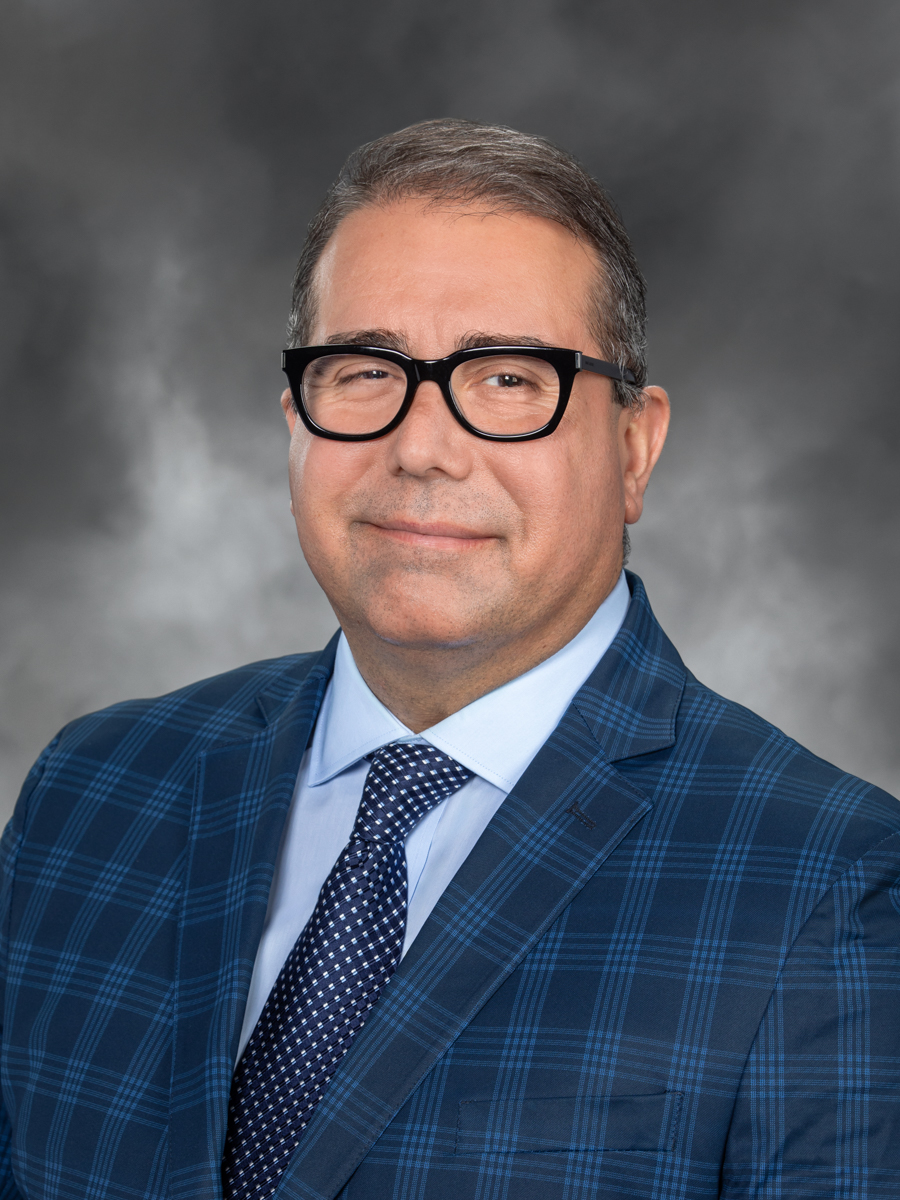
Adrian Cortes
Senate · District 18
|
D |
Strong +
|
100% | 6 |
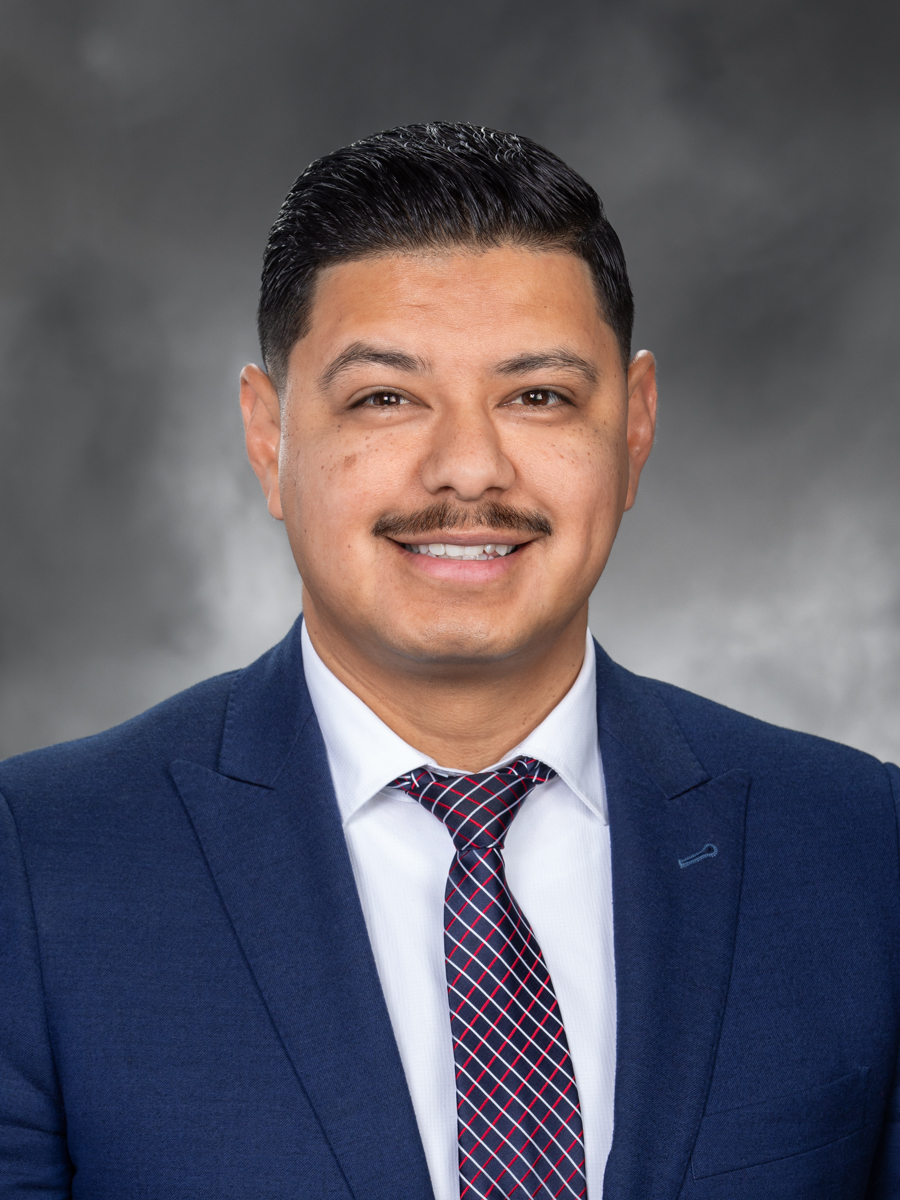
Julio Cortes
House · District 38
|
D |
Strong +
|
100% | 6 |
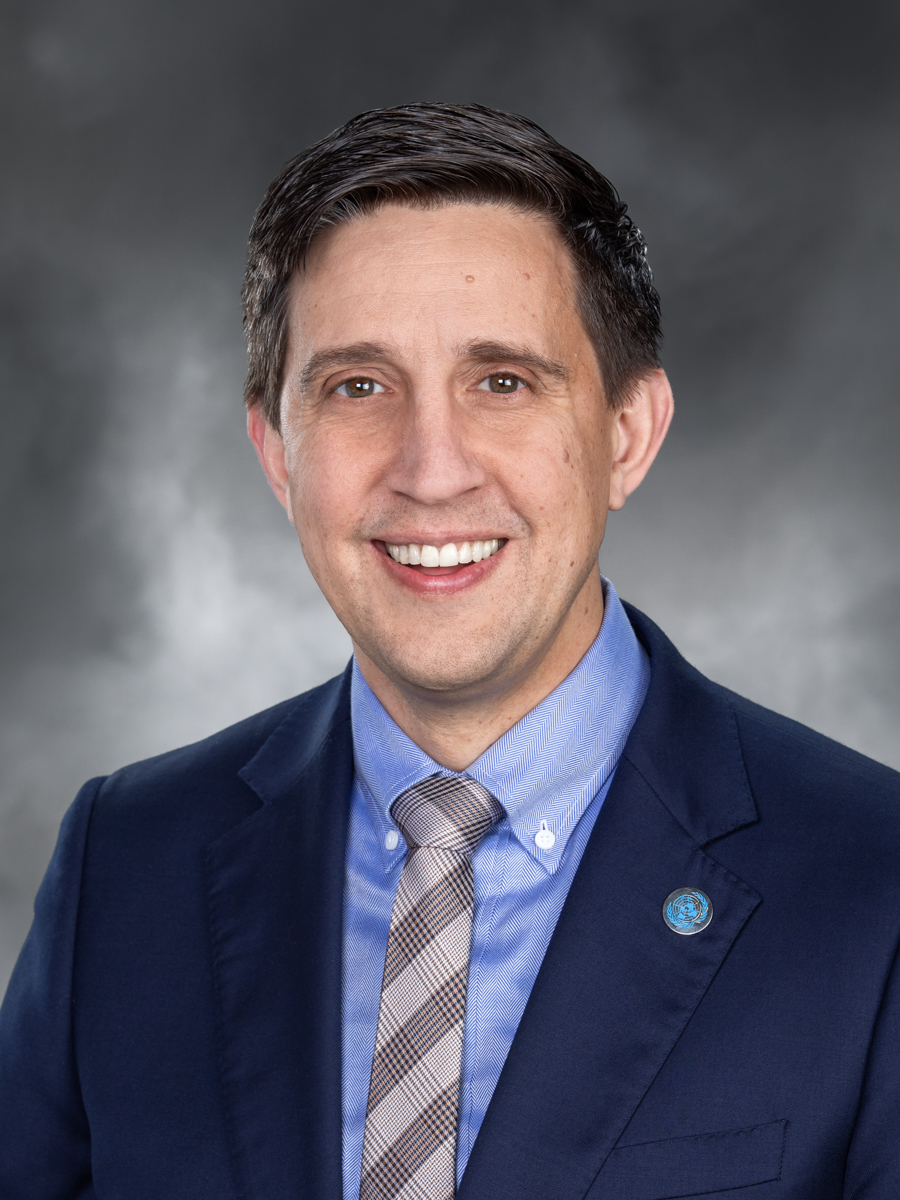
Alex Ramel
House · District 40
|
D |
Strong +
|
100% | 4 |
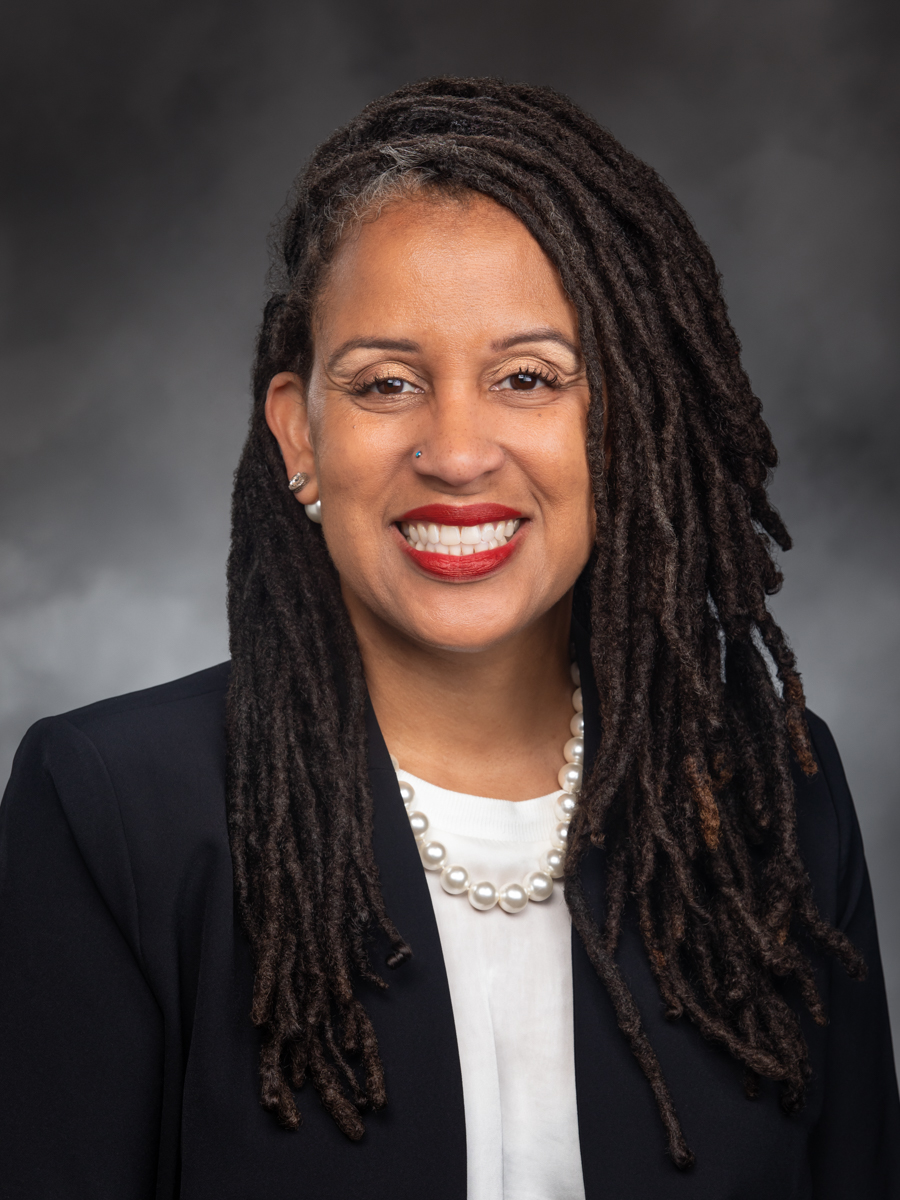
April Berg
House · District 44
|
D |
Strong +
|
100% | 4 |

Beth Doglio
House · District 22
|
D |
Strong +
|
100% | 4 |
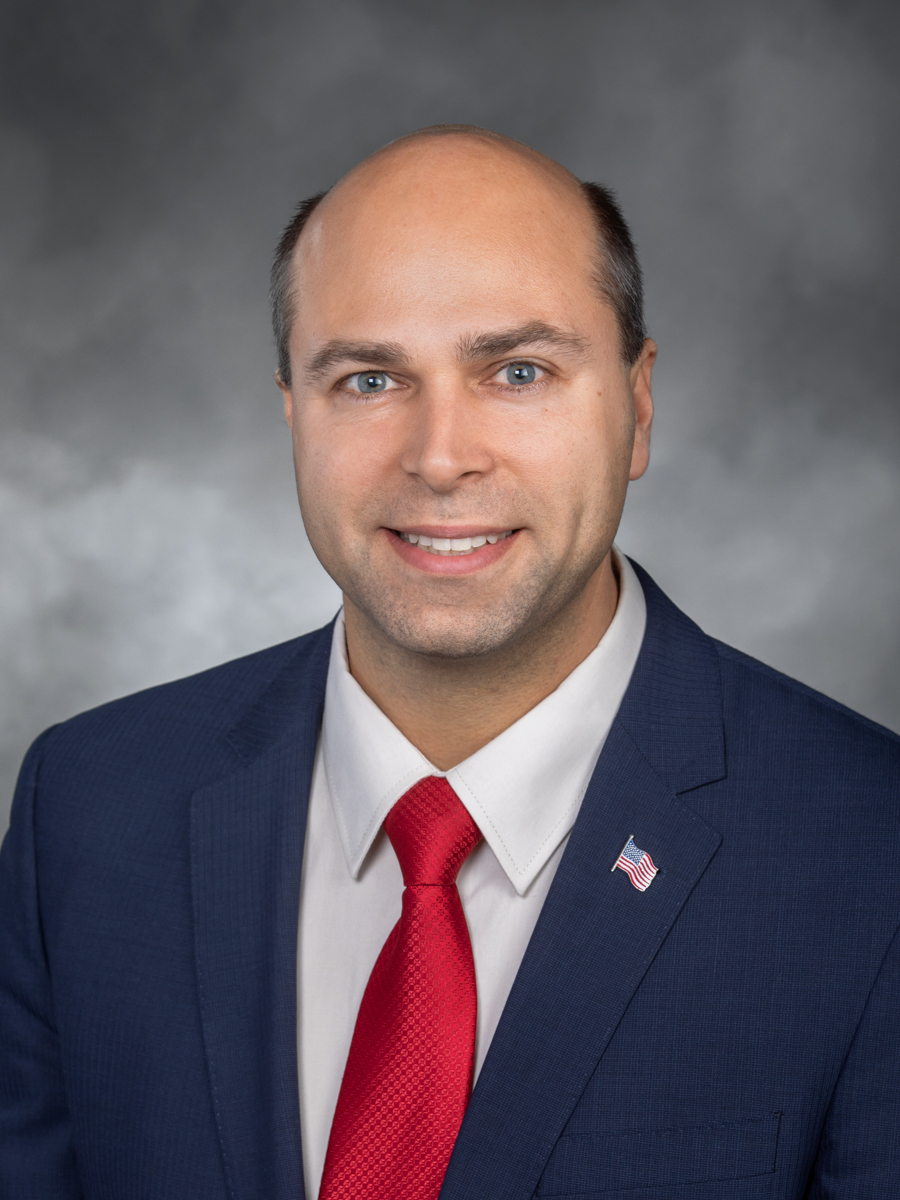
Andrew Engell
House · District 7
|
R |
Strong −
|
0% | 4 |
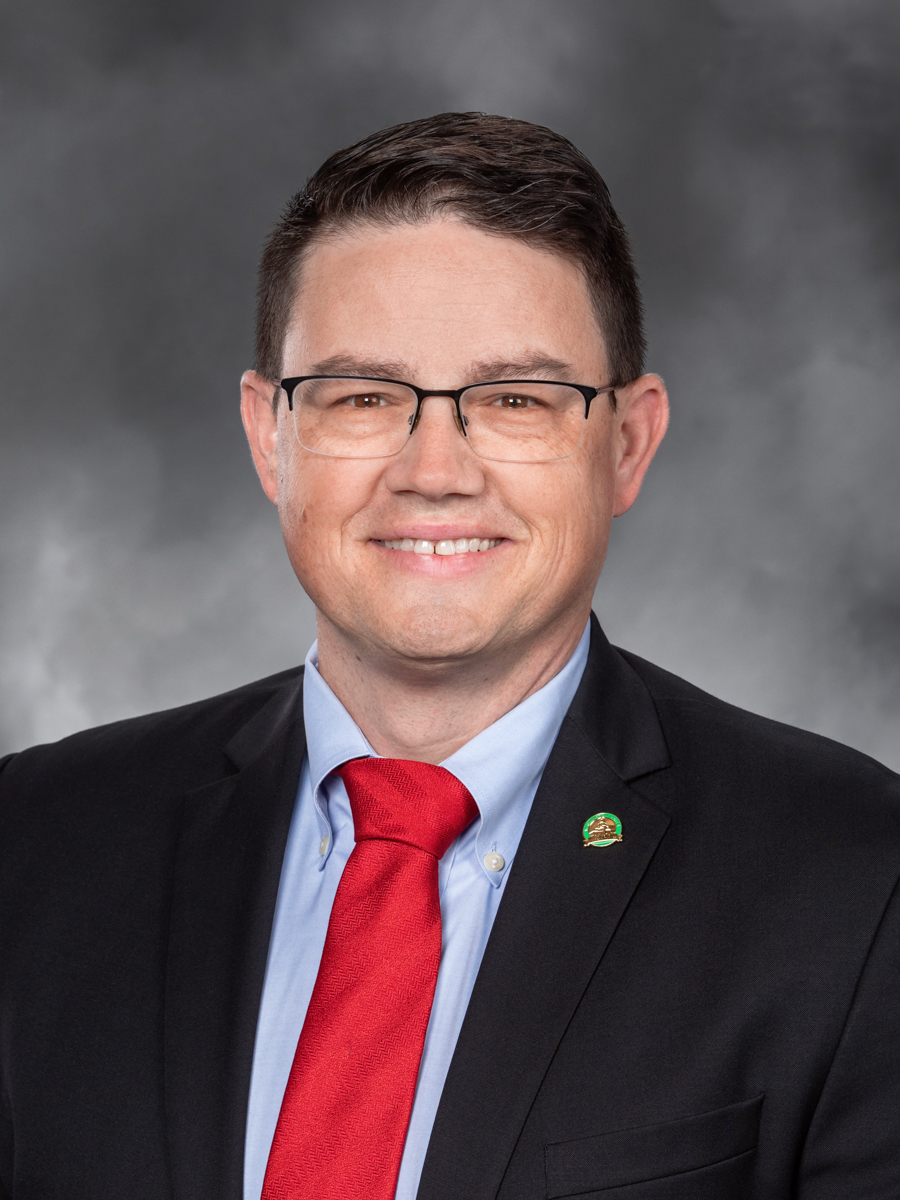
Chris Corry
House · District 15
|
R |
Strong −
|
0% | 4 |

Cyndy Jacobsen
House · District 25
|
R |
Strong −
|
0% | 4 |

Ed Orcutt
House · District 20
|
R |
Strong −
|
0% | 4 |
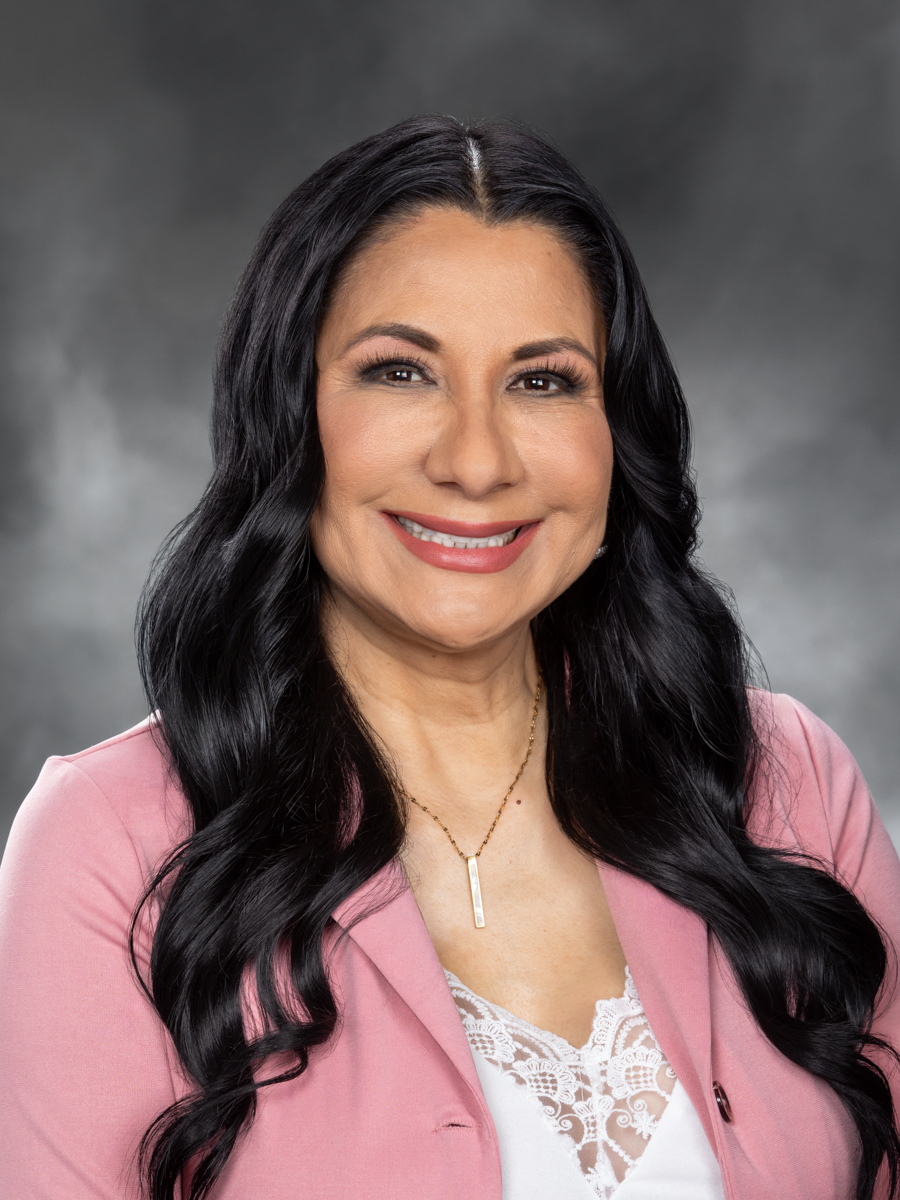
Gloria Mendoza
House · District 14
|
R |
Strong −
|
0% | 4 |
Showing 11–20 of 22
bills
All criminal justice bills
HB 2071: Generating resources to combat domestic violence by imposing an excise tax on owners of online dating applications.
Topics
✓ Budget & TaxesSupports Budget & TaxesImposes new excise tax on app owners to fund domestic violence services, directly allocating tax revenue to a public program per bill's funding mechanism.
✓ Criminal JusticeSupports Criminal JusticeFunds domestic violence intervention programs and victim assistance, directly supporting criminal justice system victim services and prevention efforts.
SB 5274: Concerning body worn cameras within corrections agencies.
Topics
✓ Criminal JusticeSupports Criminal JusticeMandates body-worn cameras in corrections for accountability, aligning with reform indicators like oversight and transparency in criminal justice operations.
✓ TechnologySupports TechnologyBill mandates exemptions preventing public disclosure of sensitive data in body camera recordings, directly protecting data privacy.
HB 1436: Incentivizing cities and counties to increase employment of commissioned law enforcement officers.
Topics
✓ Budget & TaxesSupports Budget & TaxesCreates 0.10% sales tax to fund law enforcement hiring, directly allocating tax revenue to public safety programs under fiscal management.
✓ Criminal JusticeSupports Criminal JusticeBill funds additional law enforcement officers and related criminal justice programs (e.g., domestic violence services) through dedicated tax revenue, directly advancing resource allocation in criminal justice.
HB 1386: Imposing a new tax on firearms, firearm parts, and ammunition.
Topics
✓ Budget & TaxesSupports Budget & TaxesImposes 11% tax on firearms to fund suicide prevention and victim services, directly allocating revenue to public programs as required by the bill.
✓ Criminal JusticeSupports Criminal JusticeFunds suicide prevention and firearm-related domestic violence programs, aligning with criminal justice reform goals of reducing violence and supporting victims.
HB 1428: Concerning the county criminal justice assistance account and municipal criminal justice assistance account.
Topics
✓ Budget & TaxesSupports Budget & TaxesMandates $50M annual state funding for criminal justice services, increasing to $75M by 2026, directly funding public safety programs through new appropriations.
✓ Criminal JusticeSupports Criminal JusticeBill establishes state-funded accounts for county/municipal criminal justice services with mandatory $50M annual funding (increasing 50% by 2026), directly advancing resource allocation for justice systems.
HB 1896: Increasing local law enforcement officers by authorizing a local sales and use tax credited against the state portion to hire additional officers and increasing the number of basic law enforcement courses offered by the criminal justice training commission.
Topics
✓ Budget & TaxesSupports Budget & TaxesBill authorizes 0.1% local sales tax to fund law enforcement hiring, increasing public service funding via tax revenue for essential services.
✓ Criminal JusticeSupports Criminal JusticeBill funds hiring officers to reach national per capita average and expands criminal justice training, directly advancing law enforcement staffing and training resources.
SB 5285: Incentivizing cities and counties to increase employment of commissioned law enforcement officers.
Topics
✓ Budget & TaxesSupports Budget & TaxesBill authorizes local 0.10% sales tax to fund law enforcement officers, directly increasing government spending on public safety through new tax revenue.
✓ Criminal JusticeSupports Criminal JusticeFunds additional law enforcement officers and permits related criminal justice programs, directly advancing public safety and officer staffing.